Hepper is reader-supported. When you buy via links on our site, we may earn an affiliate commission at no cost to you. Learn more.
Can Bearded Dragons Eat Isopods? Vet-Approved Nutrition Guidelines


In this article
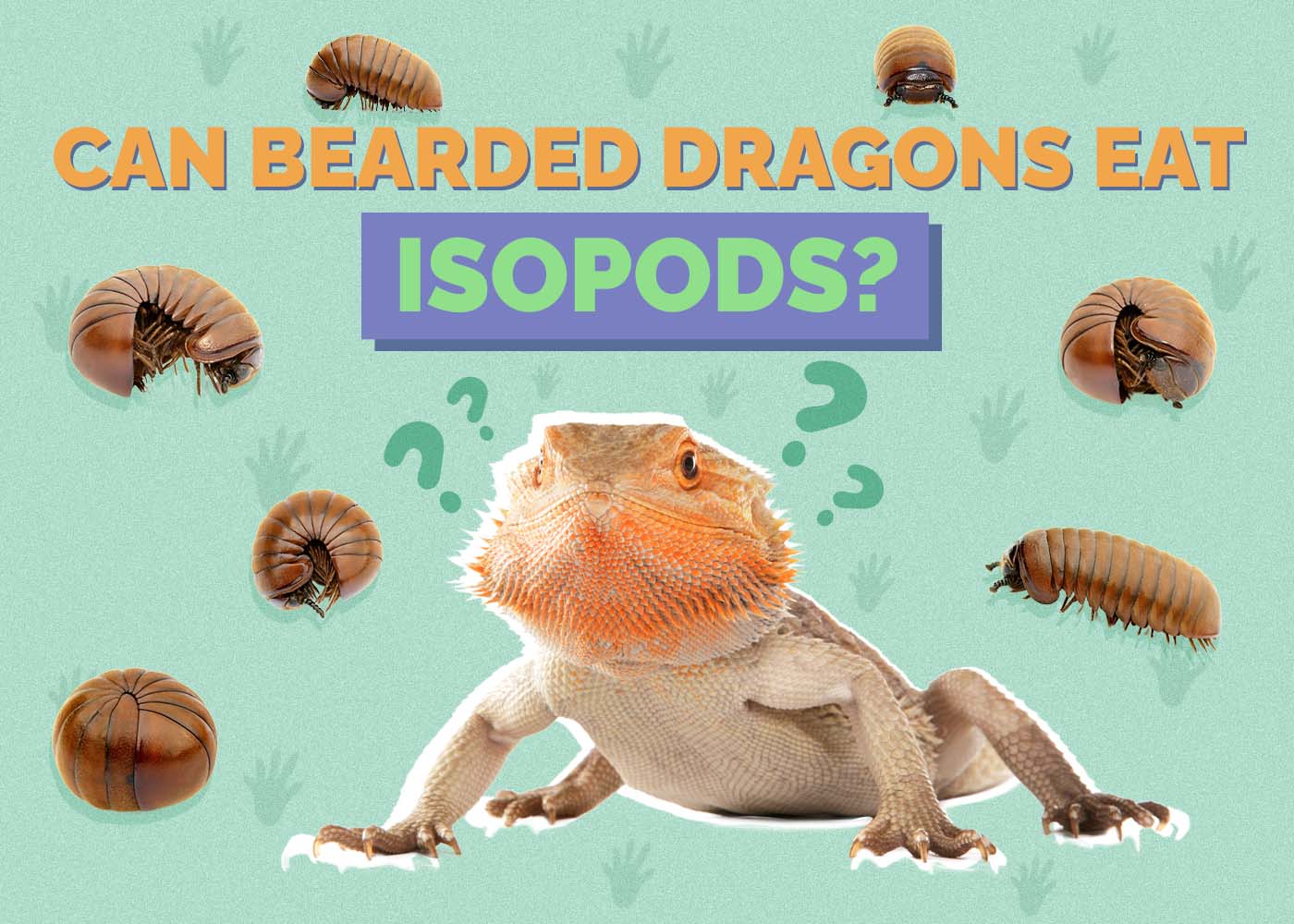
Bearded Dragons are great pets with a diverse diet that includes various plants and animals. Many owners also wonder about isopods, which are similar to crabs and shrimp. Fortunately, isopods can be a healthy addition to a balanced diet for your Beardie. Keep reading as we explain how often to feed these critters to your pet and provide many other tips and tricks to help you keep your Bearded Dragon healthy and happy.

What Are Isopods?
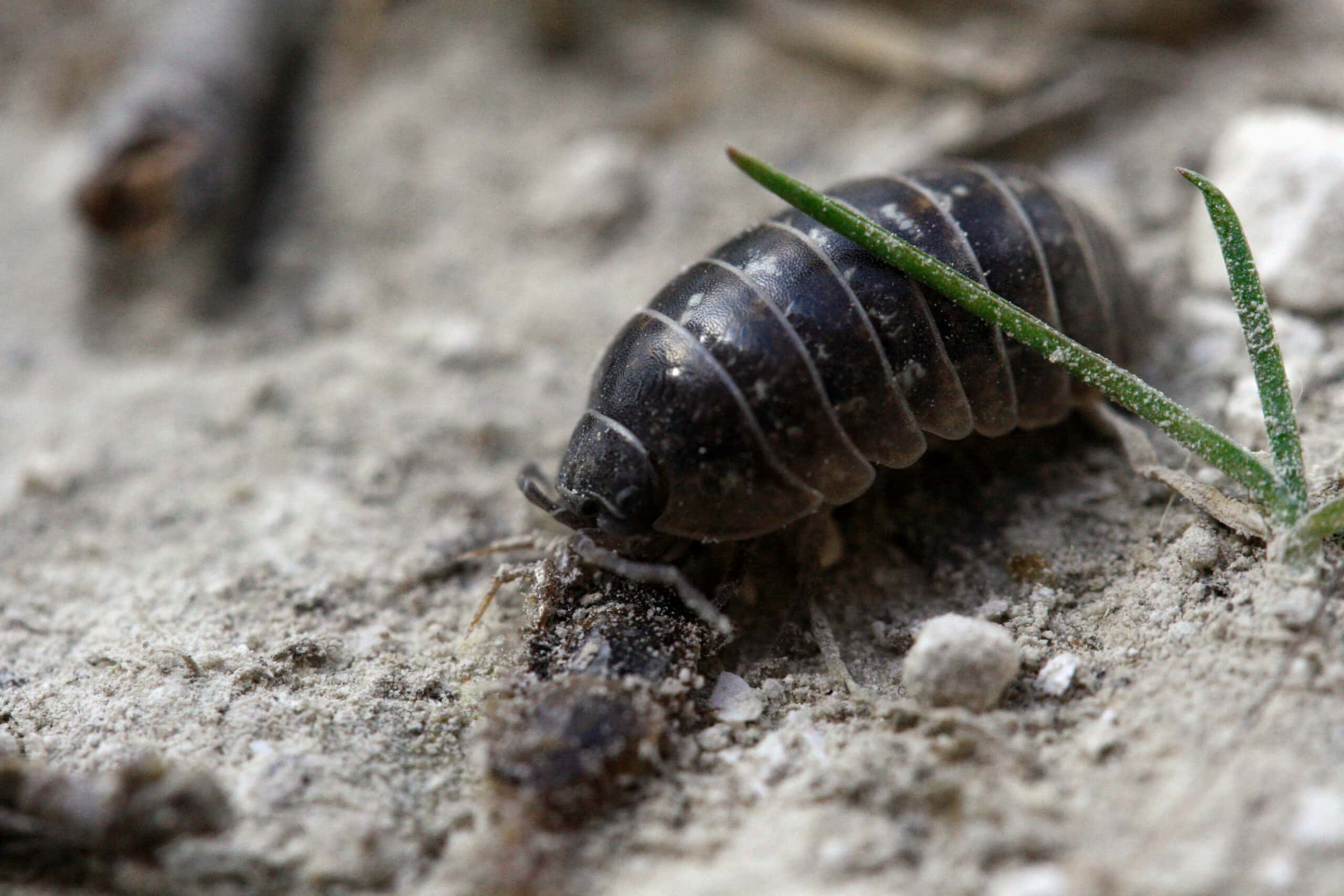
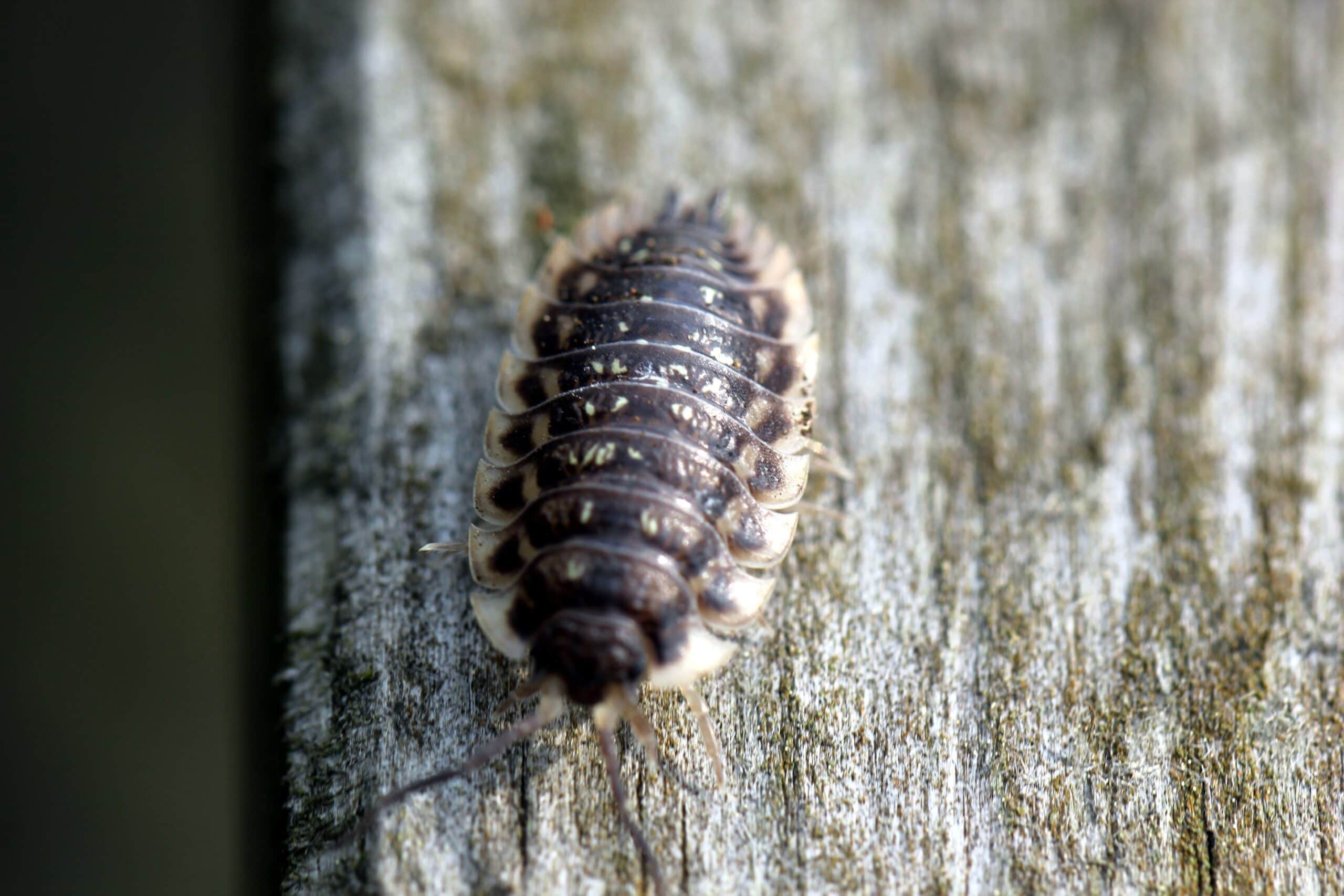
Isopods are an order of crustaceans that includes woodlice or roly-polies. Terrestrial species can be found easily in damp environments, such as under logs, rocks, and leaf litter. Isopods come in various shapes and sizes, making them a fascinating part of the ecosystem. They are usually flat, with an exoskeleton consisting of several overlapping plates, and can vary in color, with some being white or gray and others being red, brown, or green.
The Nutritional Value of Isopods
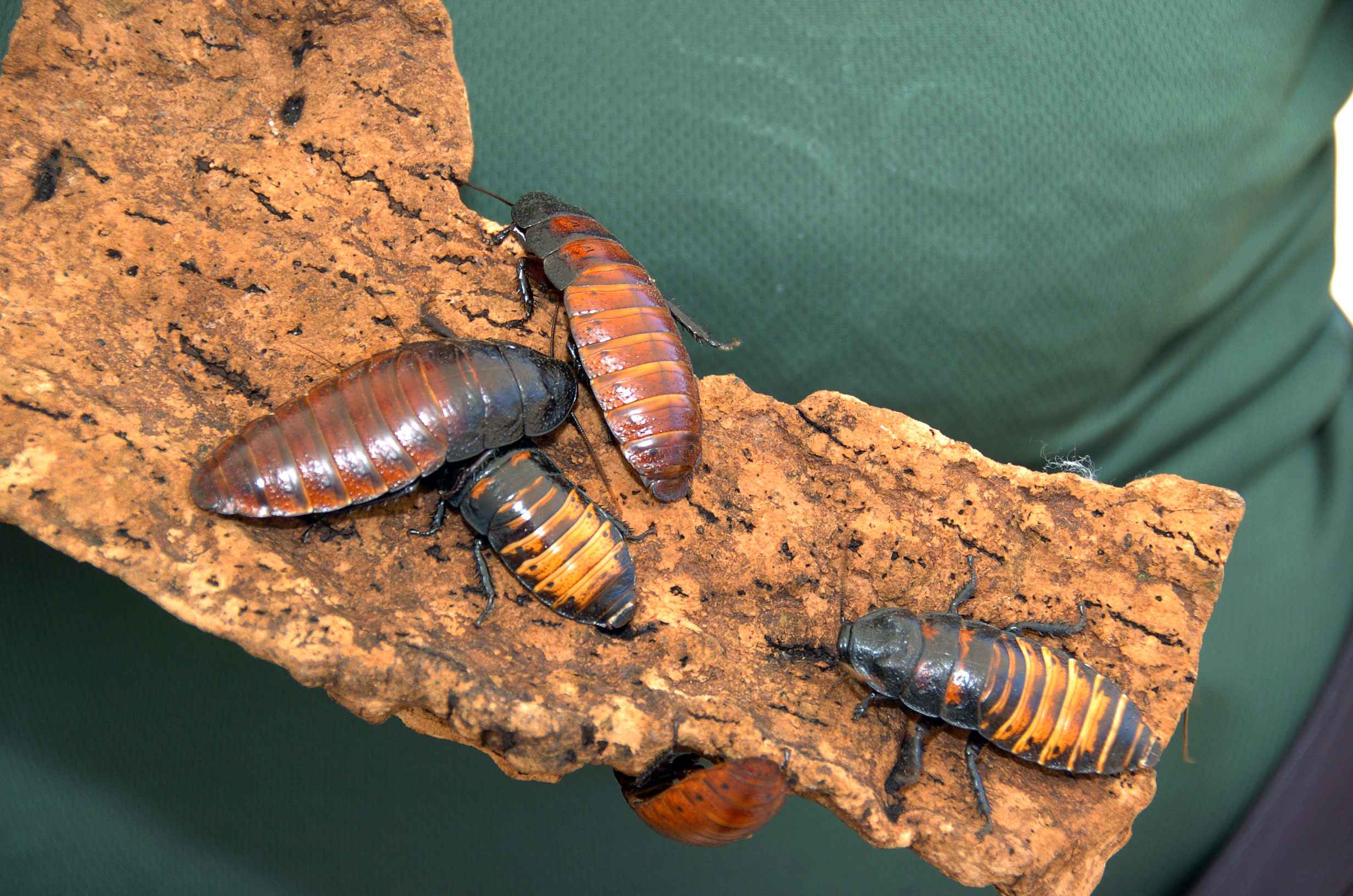
Before considering any new food item for your Bearded Dragon, as well as consulting with your veterinarian, it’s crucial to understand its nutritional value. Isopods offer a range of nutrients that could be beneficial for your pet. For instance, they are rich in protein, a vital component of a Bearded Dragon’s diet, as it helps with growth, tissue repair, and maintaining a healthy immune system. Their calcareous exoskeleton is also high in calcium.
Can Bearded Dragons Eat Isopods?
The short answer is yes, Bearded Dragons can eat isopods. These reptiles are opportunistic omnivores in the wild, consuming a wide range of insects and plant matter. Isopods are among the many insects that they encounter, and they may eat them when the opportunity arises. They can also be enriching and nutritious for your captive Bearded Dragon, albeit with a few considerations.
1. Size and Species
Selecting appropriate species and sizes is important when considering isopods as part of your Bearded Dragon’s diet. Large isopod species might be challenging for young or small Bearded Dragons to consume and digest properly. Some isopods also have hard exoskeletons, which could pose a choking hazard if your pet doesn’t chew them adequately. Choose small, soft-bodied isopod species, such as dwarf white isopods, which are safer and easier for Bearded Dragons to eat.
2. Source and Diet
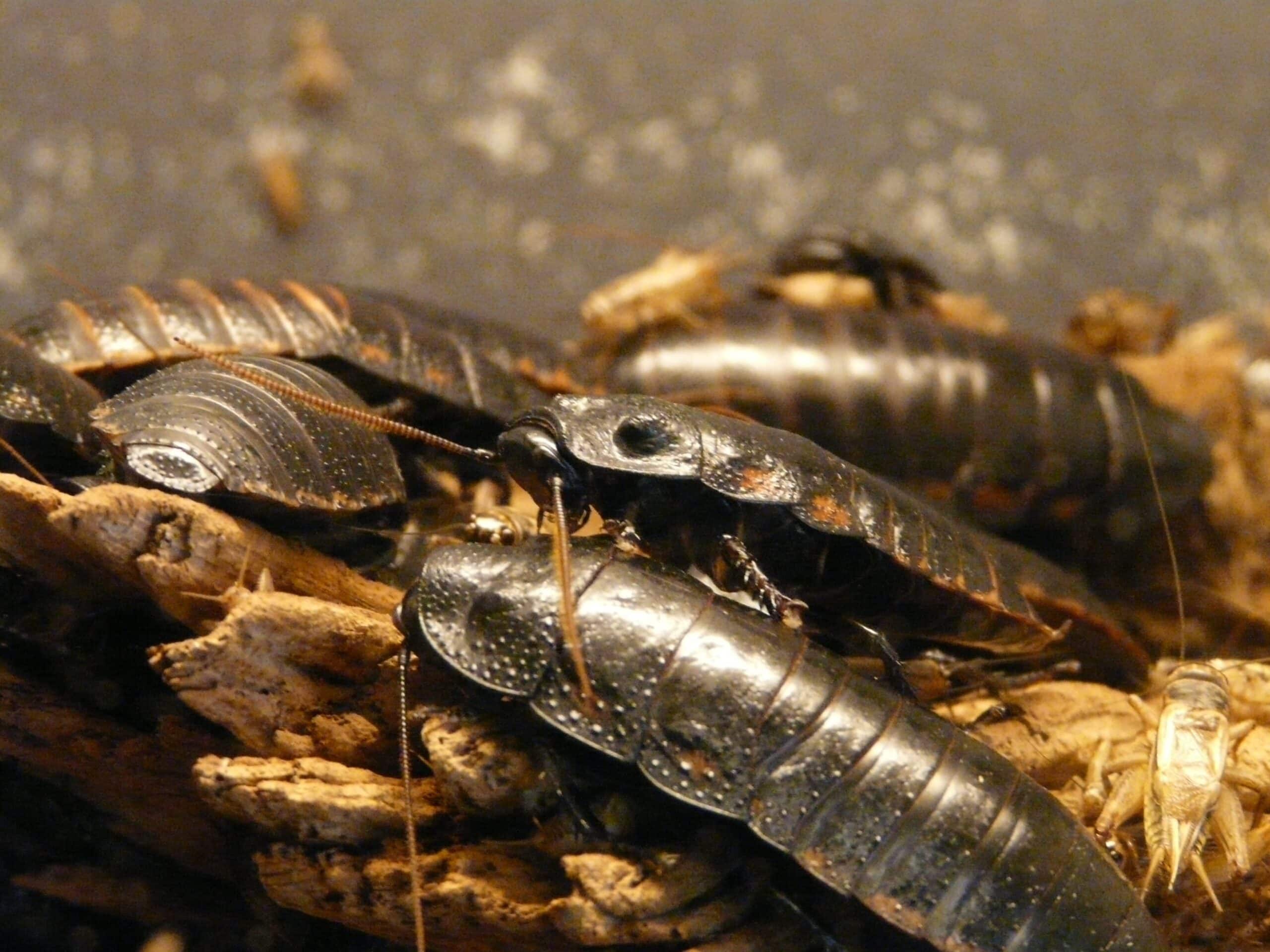
Source your isopods from a reputable supplier, and avoid collecting them from your backyard to ensure that they are free of harmful chemicals and parasites that might transfer to your pet. Isopods raised on a healthy and balanced diet will also provide better nutrition for your Bearded Dragon.
3. Gut-Loading
Gut-loading is the process of feeding nutrient-rich foods to insects before offering them to your Bearded Dragon. It enhances the nutritional value of the isopods, making them even more beneficial for your pet. Offer gut-loading foods like leafy greens, vegetables, and specially formulated commercial diets to the isopods at least 24 hours before feeding them to your Bearded Dragon.
4. Moderation
While isopods can be healthy additions to your Bearded Dragon’s diet, they should not be the primary food source. Variety is essential in maintaining a balanced diet for your pet. They thrive on a diverse diet, including insects like crickets, mealworms, and roaches. They also need leafy greens and vegetables. Isopods can be good supplemental treats that should not replace staple foods.
Risks of Feeding Isopods to Bearded Dragons
Choking Hazard
Large isopod species or those with hard exoskeletons may pose a choking hazard, especially for young or small Bearded Dragons. Always offer appropriately sized isopods, and observe your pet while they eat.
Parasites and Contaminants
If isopods are collected from the wild or not properly sourced, they may carry parasites or contaminants that can harm your pet. Always ensure that any insects offered to your Bearded Dragon are from a reputable source and have been properly cared for.
Frequently Asked Questions
How Often Can I Feed Isopods to My Bearded Dragon?
It would be best to offer isopods as supplemental treats, not as the primary food source. Feed them to your Bearded Dragon in moderation, alongside a diverse diet of other suitable foods.
Where Can I Buy Isopods for My Bearded Dragon?
You can find isopods at pet stores and online reptile supply retailers. Ensure that you purchase them from a reputable source to guarantee that they are free of harmful chemicals or parasites.
What Are Signs of a Healthy Bearded Dragon Diet?
Bearded dragons are omnivores and require a varied but well-balanced diet that includes insects, dark leafy greens, and vegetables. They should be active and alert and maintain a healthy weight.
Can I Breed Isopods to Ensure a Fresh Supply for My Bearded Dragon?
Yes, breeding isopods can be a practical way to provide your pet with a steady supply of these insects. However, they need a nutritious diet to pass on the benefits to your bearded dragon.
Are There Any Alternatives to Isopods for Enriching My Bearded Dragon’s Diet?
There are many alternatives to isopods if you want to provide variety in your Bearded Dragon’s diet. Waxworms and super worms are examples of animal-based proteins that should not be diet staples due to their high-fat content but can be a good occasional addition to their diet.
Conclusion
Isopods are great treats for Bearded Dragons, and you can offer them as part of a varied diet that will better help replicate their natural habitat. Finding isopods with soft shells that aren’t too large for your pet to eat is vital. You should look for breeders that provide the isopods with a healthy diet, and you can gut-load them for at least 24 hours before feeding them to your Bearded Dragon.
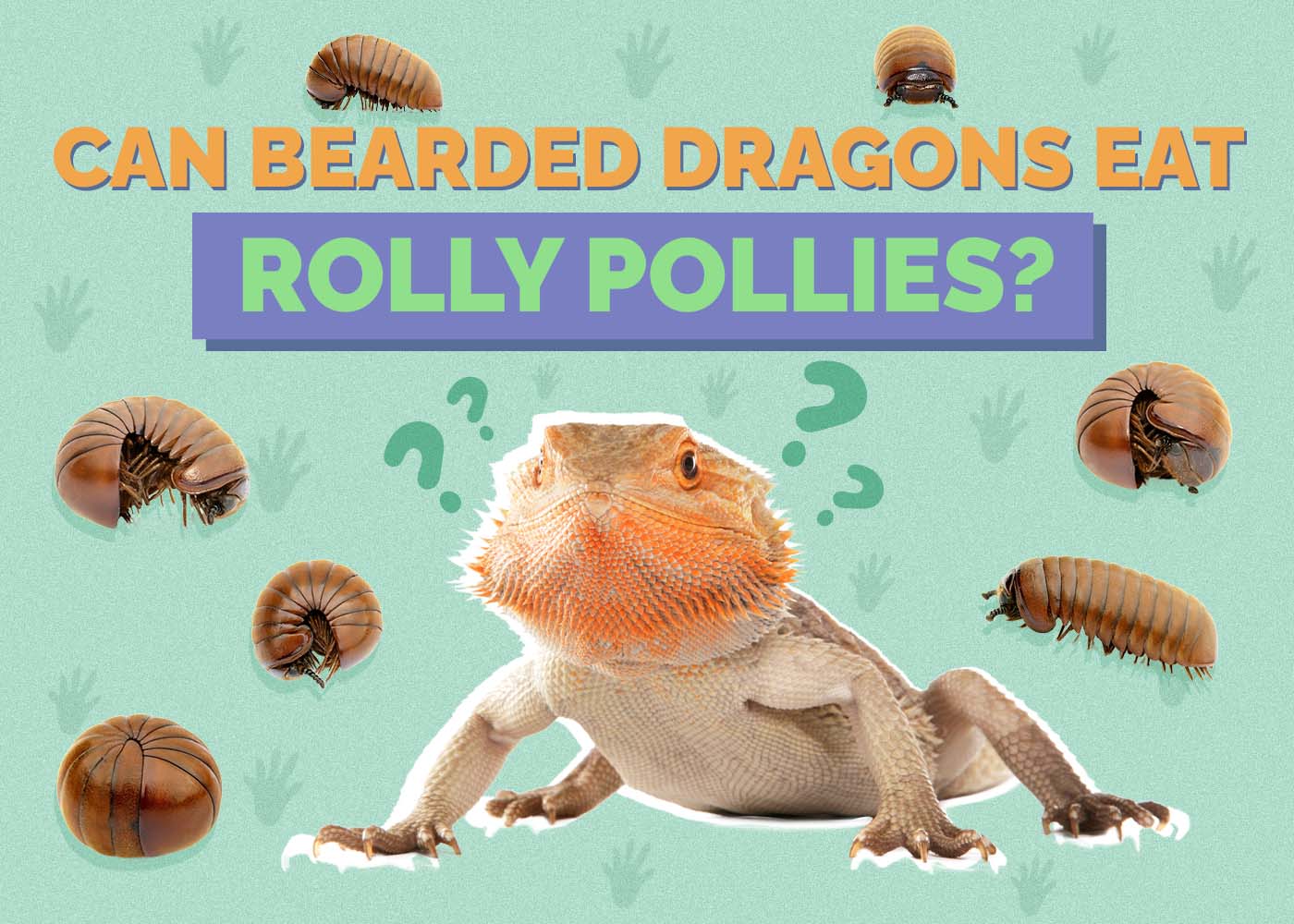
See Also: Can Bearded Dragons Eat Rolly Pollies?
Sources
Featured Image Credit: JumpStory
Get Hepper In Your Inbox


Pet care tips from our vets and experts, straight to your inbox.
You may opt-out at any time. View our Privacy Policy for more information.
Ed Malaker is a veteran writer who has contributed to a wide range of blogs that cover pets, tools, guitars, fitness, and computer programming. When he’s not writing, Ed is usually performing DIY projects around the house or working in the garden. He’s also a musician and spends a lot of time helping people fix their guitars and composing music for independent films.
Join the conversation
Ask a question, share your story, or send private feedback.