Hepper is reader-supported. When you buy via links on our site, we may earn an affiliate commission at no cost to you. Learn more.
Can Bearded Dragons Eat Potatoes? Vet-Reviewed Facts & FAQ


In this article
If you're a proud owner of a bearded dragon, you've likely found yourself wondering what kinds of foods are safe and nutritious for your scaly friend. One common question that arises is whether or not bearded dragons can eat potatoes. Well, the good news is that yes, bearded dragons can eat potatoes, but only in small amounts and only occasionally. Let's dive deeper into the world of bearded dragon nutrition and explore the role potatoes play in their diet.

The Bearded Dragon Diet Explained
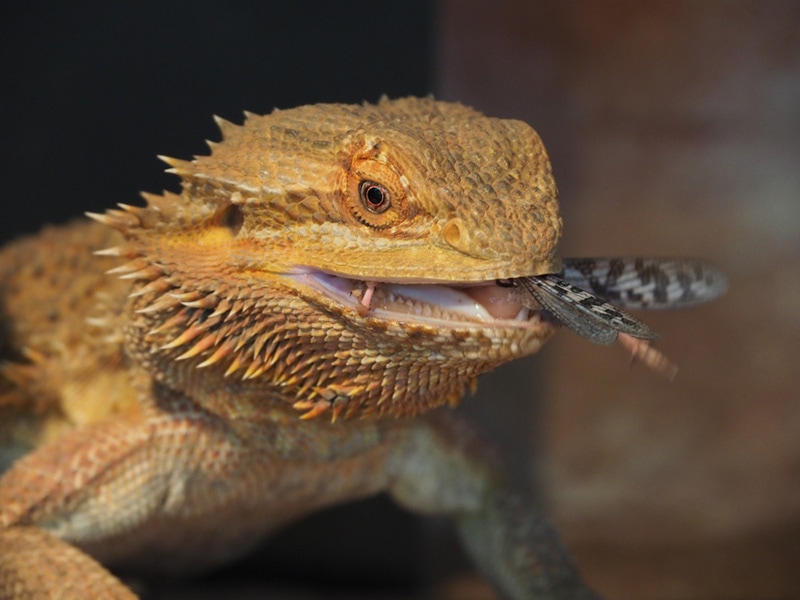
Bearded dragons are omnivorous reptiles, which means they consume both plant matter and insects. In the wild, their diet primarily consists of insects, such as crickets and mealworms, as well as various greens, vegetables, and fruits. As responsible pet owners, it's essential to replicate this balanced diet in captivity.
Are Potatoes Healthy for Bearded Dragons?
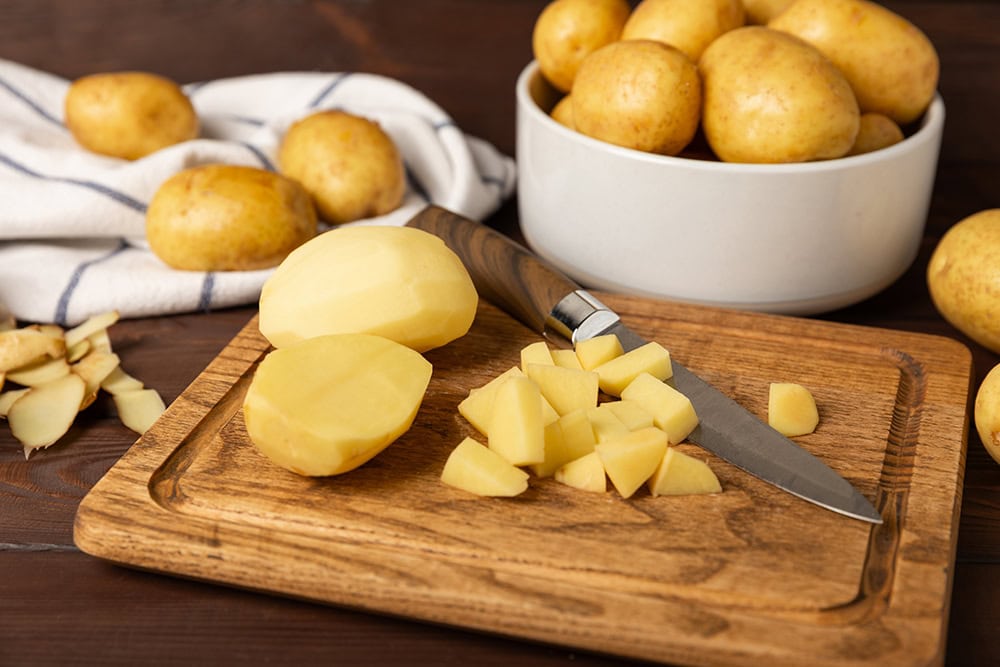
Potatoes can offer some nutritional benefits to bearded dragons, but they should never be a staple food in their diet. Potatoes are a source of carbohydrates and contain some vitamins and minerals, including vitamin C and potassium. However, they lack essential nutrients that bearded dragons require, such as calcium and vitamin D3.
Nutritional Content of Potatoes
Potatoes are relatively low in protein, which is important for the growth and development of bearded dragons. They also have a high water content, which can be problematic if consumed in excess. Additionally, potatoes contain starch, which can be difficult for bearded dragons to digest. Therefore, it's crucial to offer potatoes as an occasional treat rather than a regular part of their diet.
Benefits of Potatoes for Bearded Dragons
While potatoes may not be the most nutritious option for bearded dragons, they do offer some benefits when fed in moderation. The vitamin C content can support the immune system, and the potassium can help regulate fluid balance and muscle function. However, it's important to remember that these benefits can be obtained from other, more suitable foods as well.
How Often Should You Feed Potatoes to Bearded Dragons?
As mentioned earlier, potatoes should be given to bearded dragons only occasionally. Aim to offer potatoes as a treat no more than once or twice a month. This frequency ensures that your bearded dragon receives a varied and balanced diet without overloading on starchy foods.

How Much Potatoes Should You Feed Your Bearded Dragon?
When feeding potatoes to your bearded dragon, it's essential to offer them in small portions. Start with a slice or two and observe your pet's response. If they enjoy it and show no signs of digestive issues, you can gradually increase the amount. However, be cautious not to exceed the recommended frequency and portion sizes, as excessive potato consumption can lead to digestive problems.
Should You Feed Your Bearded Dragons Raw or Cooked Potatoes?
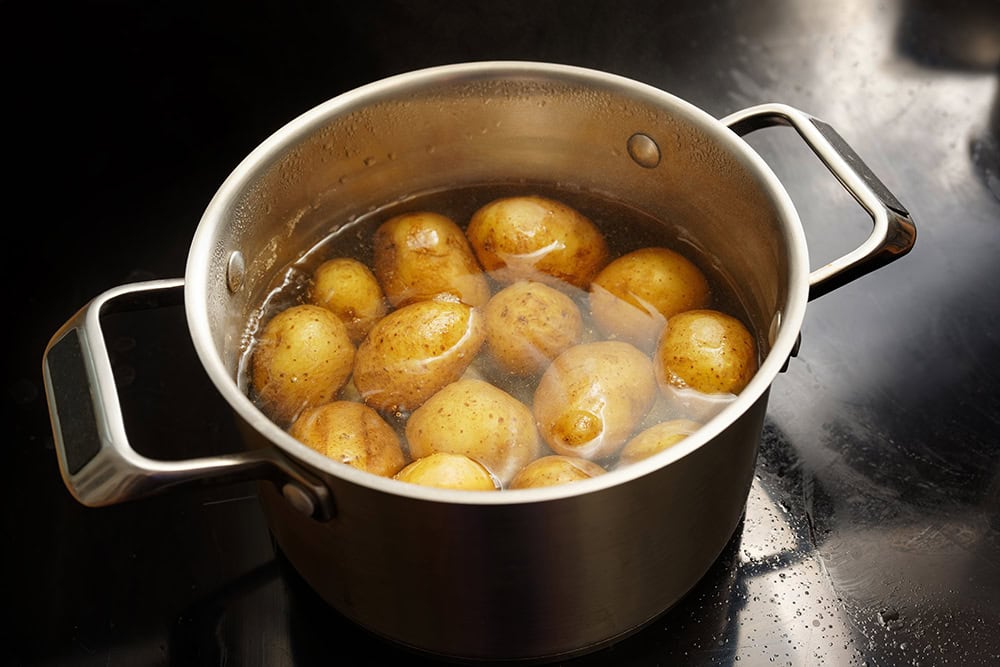
When it comes to feeding potatoes to your bearded dragon, it is generally recommended to feed them cooked potatoes rather than raw ones. Cooking the potatoes helps break down some of the starches and make them easier to digest for your pet reptile.
Raw potatoes contain certain compounds, such as solanine and chaconine, which can be toxic to bearded dragons and other animals if consumed in large quantities. Cooking the potatoes can help reduce the levels of these potentially harmful compounds and make the potatoes safer for your bearded dragon to consume.
To prepare cooked potatoes for your bearded dragon, it's best to boil or bake them until they become soft and easily mashable. Avoid using any seasonings, oils, or butter when cooking the potatoes for your reptile. Once the potatoes are cooked, allow them to cool down before offering them to your bearded dragon.
Remember, even though cooked potatoes are safer for bearded dragons to eat, they should still be offered in moderation and as an occasional treat rather than a regular part of their diet. The majority of their diet should still consist of nutritionally balanced foods such as leafy greens, vegetables, fruits, and insects.
Potential Health Risks of Potatoes for Bearded Dragons
While potatoes can be fed to bearded dragons in moderation, there are some potential risks to consider. One concern is the high water content, which, if consumed excessively, may cause diarrhea and dehydration in bearded dragons. Additionally, the starch in potatoes can be challenging for their digestive system to break down, leading to digestive upset or even impaction. Therefore, it's crucial to monitor your bearded dragon closely after feeding them potatoes and consult a reptile veterinarian if you notice any adverse reactions.
Do Bearded Dragons Like Potatoes?
Bearded dragons may have individual preferences when it comes to food, including potatoes. Some bearded dragons may show interest in potatoes and enjoy the taste, while others may not find them appealing. It's important to keep in mind that bearded dragons have different taste preferences just like humans do.
The 4 Alternatives You Can Safely Feed Bearded Dragons
To ensure the overall health and well-being of your bearded dragon, it's best to focus on offering a diverse and balanced diet. Here are some safe and nutritious alternatives to potatoes:
1. Leafy Greens
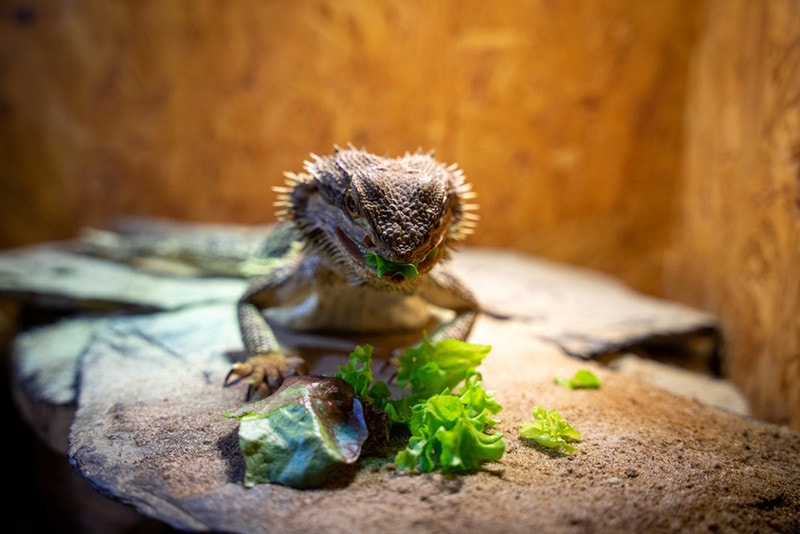
Collard greens, dandelion greens, kale, and mustard greens are excellent choices for providing essential vitamins and minerals.
2. Vegetables
Bell peppers, squash, carrots, and green beans can be steamed or finely chopped and offered as part of a balanced diet.
3. Fruits
Bearded dragons can enjoy occasional treats of fruits like berries, melons, and apples. Remember to remove any seeds or pits.
4. Insects
Crickets, mealworms, dubia roaches, and silkworms are excellent sources of protein for bearded dragons.
Conclusion
Bearded dragons can eat potatoes, but only in small amounts and occasionally. While potatoes offer some nutritional benefits, they should never be a staple food in their diet. It's important to remember that bearded dragons require a diverse and balanced diet to thrive.
Remember, providing a balanced diet and maintaining proper husbandry practices, such as appropriate temperatures and lighting, are essential for the health and well-being of your bearded dragon. By offering an array of nutritious foods and ensuring moderation with treats like potatoes, you can help your scaly companion lead a happy and healthy life!
Related Reads:
Sources
Featured Image Credit: Avocado_studio, Shutterstock
Get Hepper In Your Inbox


Pet care tips from our vets and experts, straight to your inbox.
You may opt-out at any time. View our Privacy Policy for more information.
Nicole is a lover of animals of all sizes but is especially fascinated with the feline variety. She’s the proud mom of Baby, a Burmese, and works every day so he can relax in the sunshine or by the fire. She’s always had a cat in her home and has spent countless days with others, observing behaviors and softening up even the grouchiest of the lot. Nicole wants to share her kitty expertise with you so you and your cat can live happy, healthy, and care-free.
Join the conversation
Ask a question, share your story, or send private feedback.