Hepper is reader-supported. When you buy via links on our site, we may earn an affiliate commission at no cost to you. Learn more.
Can Bearded Dragons Eat Beetroot? Vet-Reviewed Health Facts


In this article
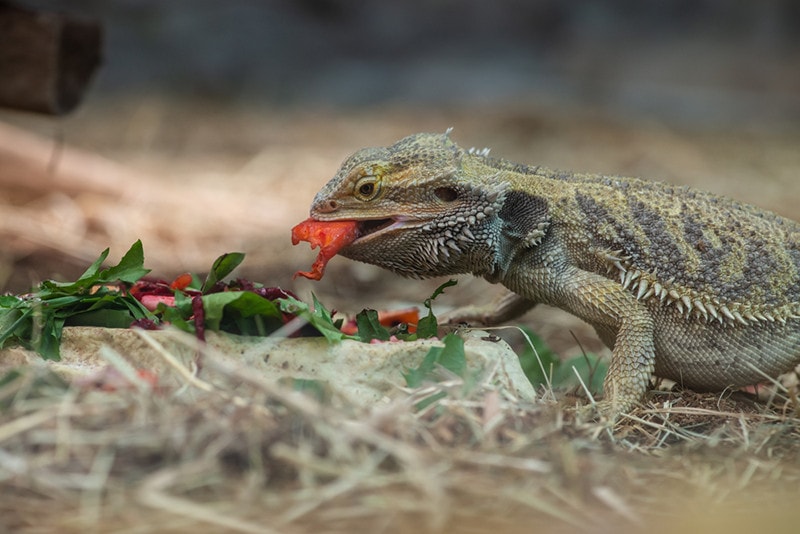
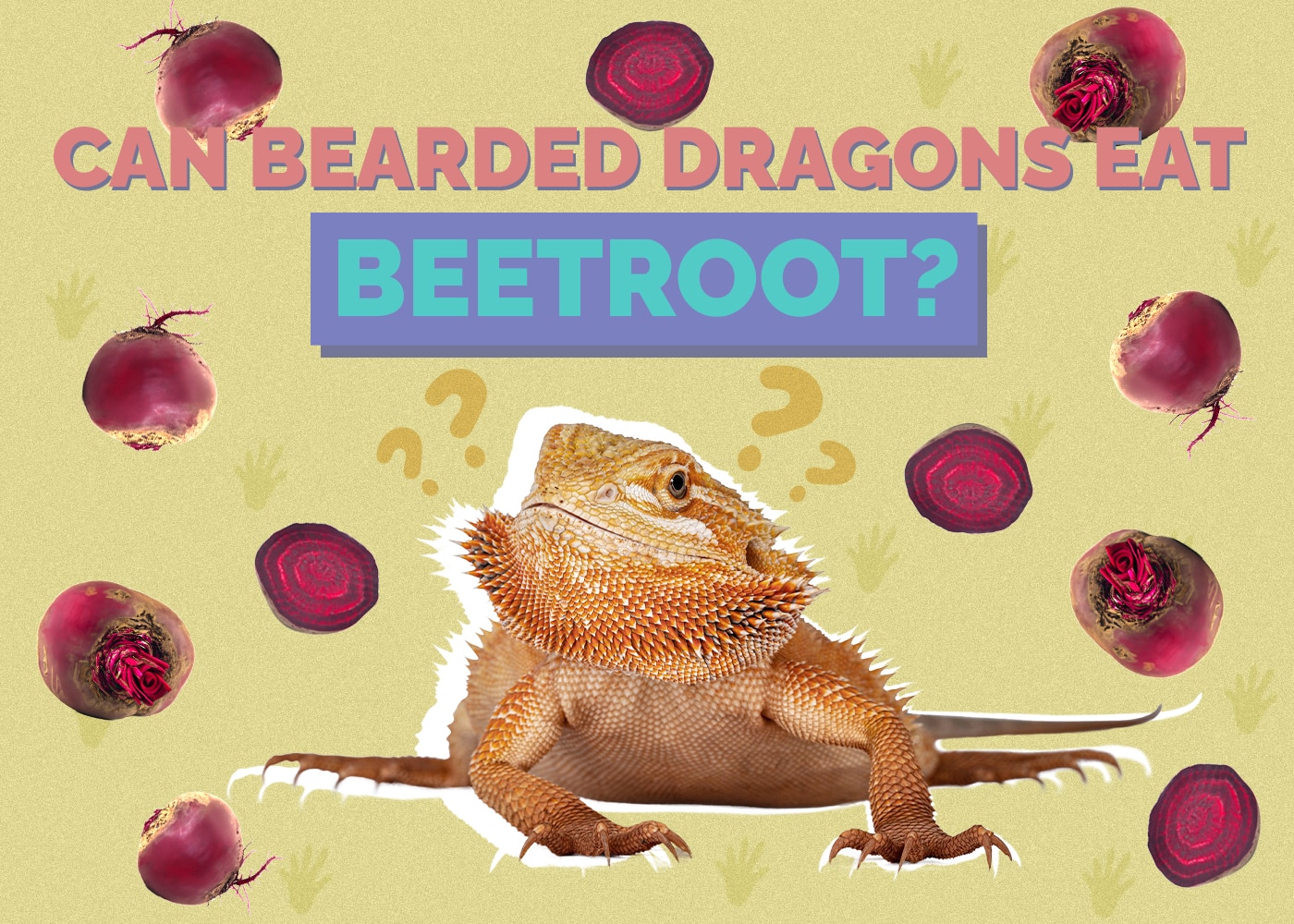
If you are always looking for new and flavorful items to add to your bearded dragon’s food menu, you'll want to know all you can about the numerous veggies and all their benefits they offer, as well as those veggies that aren’t suitable or safe for your pet. When it comes to beetroot, is it safe and is it healthy for bearded dragons?
The short answer is no, not really. Beetroot themselves (as opposed to the greens) are high in oxalates and have an inappropriate calcium:phosphorus ratio so are not a good option for a bearded dragon’s diet. In this article, we will discuss why beetroot is not a brilliant option for your dragon and what healthy alternatives there are. If you do incorporate beetroot into your dragon’s diet, it must only be given very sparingly.

Why Bearded Dragons Shouldn’t Eat Beetroot
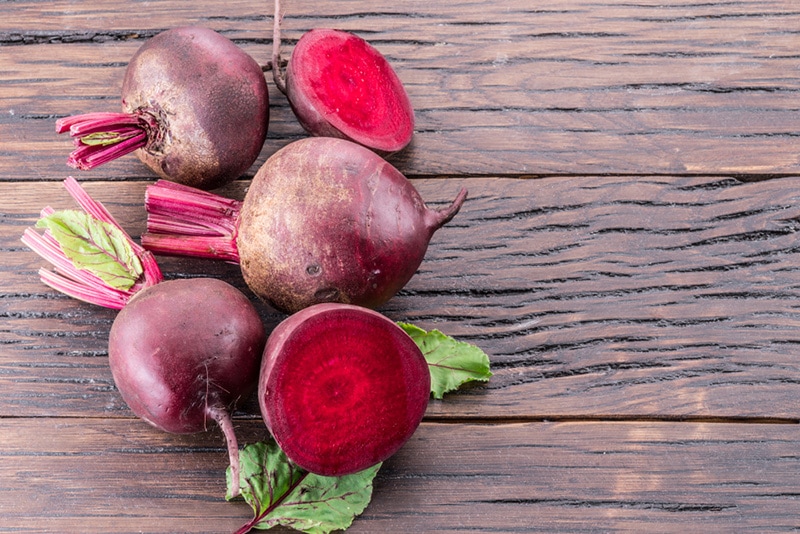
For humans, beetroot is thought of as a superfood, with loads of nutrients and antioxidants packed into them. However, in bearded dragons, the amount of calcium and phosphorus in the diet is extremely important for bone health, and beetroot has too much phosphorus and too little calcium.
Oxalates are natural compounds found in vegetables, fruits, nuts, and grains. Some foods are much higher in oxalates than others, and beetroot is one of them. Oxalates can bind to calcium, meaning the bearded dragon cannot access the calcium it has consumed. This can lead to a disease known as Metabolic Bone Disease.
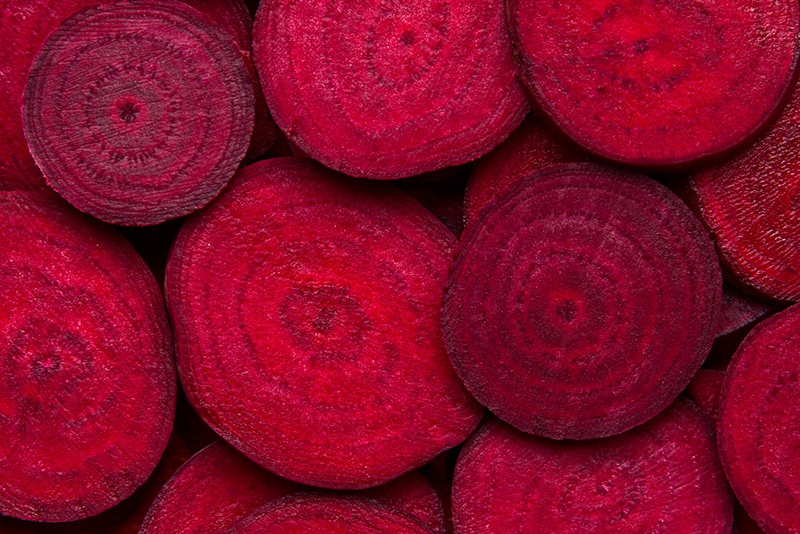
A very small amount of beetroot isn’t going to cause these issues, but if beetroot becomes a regular feature in a bearded dragon’s diet, these problems will come into play. So if you are going to give your bearded dragon the very occasional piece of beetroot, these are the good things that is contains:
- Water - Bearded Dragons derive most of their water from their prey. That means that they get a lot of the content from the fruits and vegetables they consume.
- Fiber - Fiber is essential for bearded Dragons as they require it for digestion.
- Folate - Folate is a B vitamin that your bearded dragon’s body needs to make up their DNA and other genetic material. It is also necessary for cell division.
- Vitamin A - Vitamin A is a fat-soluble vitamin that creates optimal vision, healthy immune systems, and proper development. It is particularly useful for the lungs, heart, and other organs.
- Manganese - Manganese is particularly useful for creating connective tissue and supporting bone health and blood clotting.
- Potassium - Potassium and sodium work hand in hand to maintain normal fluid levels inside and outside of cells. Potassium also helps with muscle contraction and blood pressure regulation.
- Phytosterols - Phytosterols help manage blood cholesterol levels and can help to reduce the risk of any heart-related issues.
- Selenium - Selenium helps protect against cell damage and immune-function.
- Iron - Iron is an incredibly important part of the bodily makeup used to create hemoglobin. Hemoglobin is a protein in red blood cells that transport oxygen to all areas of the body. Myoglobin, its counterpart, provides oxygen to muscles.
- Choline - Choline is a nutrient that helps with muscle control, memory, and overall mood. It helps form the membrane around your bearded dragon's vital cells.
- Vitamin C - Classically, vitamin C helps build a strong immunity. Less well known, it will also help your bearded dragon's body form blood vessels, cartilage, collagen, and muscle strength.
- Betaine - Betaine helps with overall liver function, reproduction of cells, and the metabolization of amino acids.
- Inorganic Nitrate -Inorganic nitrate might sound bad, but it actually plays a very protective role for your bearded dragon’s digestive system by reducing oral bacteria.
Downfalls of Beetroot for Bearded Dragons
As you can see from the list above, beetroot certainly has some valuable vitamins and minerals but everything is about balance, and beetroot has the wrong balance of important minerals and oxalates for it to be a staple ingredient of your dragon’s diet. Here are some aspects of beetroot that require serving in moderation.
Oxalates in Beetroot
While beetroot is a very healthy veggie, it also has its downfalls for bearded dragons specifically. Calcium is one of the most crucial nutrients your bearded dragon can have to avoid issues like metabolic bone disease.
But beetroot contains oxalates, and if they have too many oxalates in their diet, it can deplete their supply of calcium. While this might not be problematic right away, it can lead to many problems in the future.
Phosphorus Content
Beetroot is quite high in phosphorus and low in calcium, with a Ca:P ratio of 1:1.4. Ideally, food that we regularly give to our bearded dragon’s should have a minimum Ca:P ratio of 1.5:1, meaning 1.5 times as much calcium as phosphorus. Much like oxalates, this won't do much damage at first, but over time, it can be very problematic.
Metabolic Bone Disease: What Is It?
Metabolic bone disease is caused by an improper diet that prevents your dragon from getting the vital nutrients their bodies require. Not only is diet a key factor here, but lighting also plays a major role in calcium absorption.
Metabolic bone disease is not something that happens overnight, but it is a consequence of inappropriate environmental and dietary factors. If you catch it in enough time, your bearded dragon can recover, but it is difficult to get them back on track.
Other Veggies Containing Oxalates
Oxalates are in many vegetables, but their amounts vary considerably
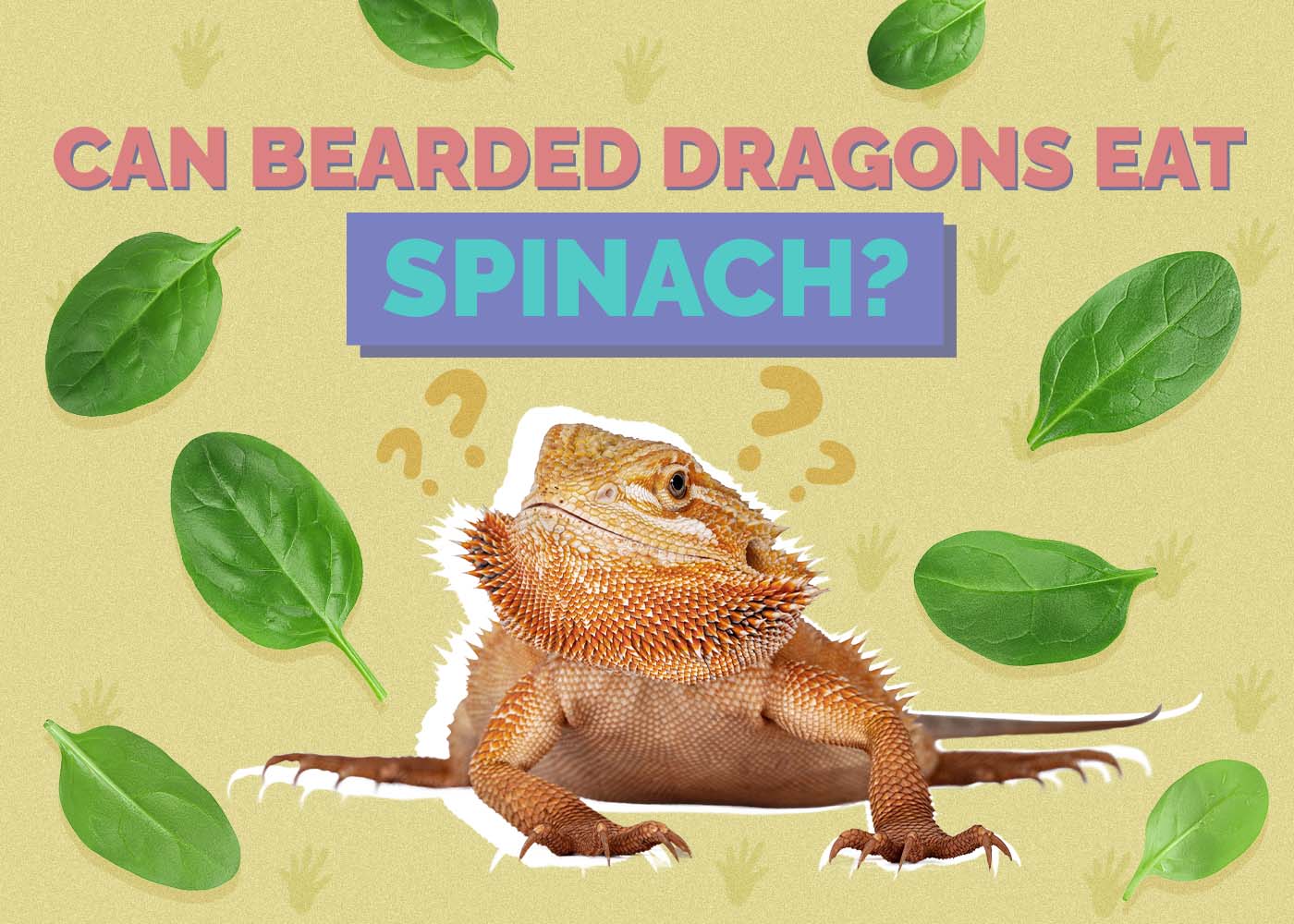
Here are some vegetables you should avoid due to high oxalate content:
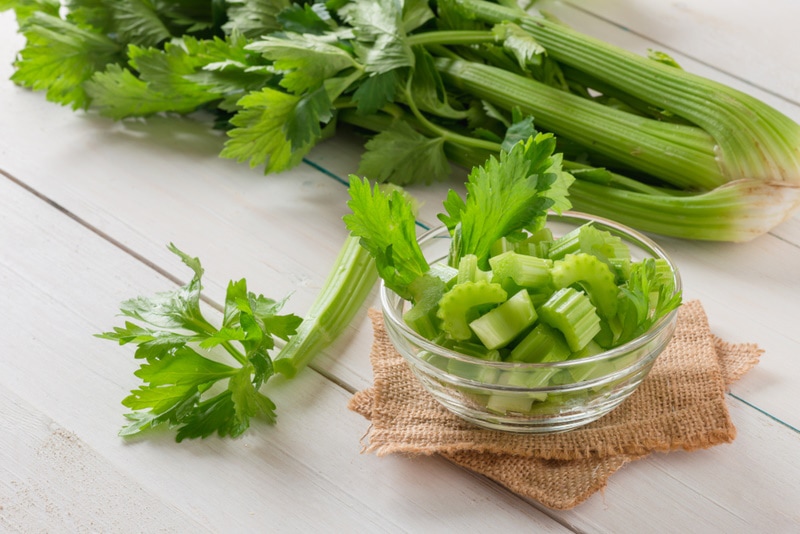
- Celery
- Spinach
- Swiss chard
- Beet Greens
These veggies should be avoided except for rare occasions. Also, never feed your beardie multiple types of high-oxalate vegetables at once. Instead, combine a tiny amount of beetroot or Swiss chard with low-oxalate vegetables such as collard greens and green beans.
Serving Your Bearded Dragon Vegetables
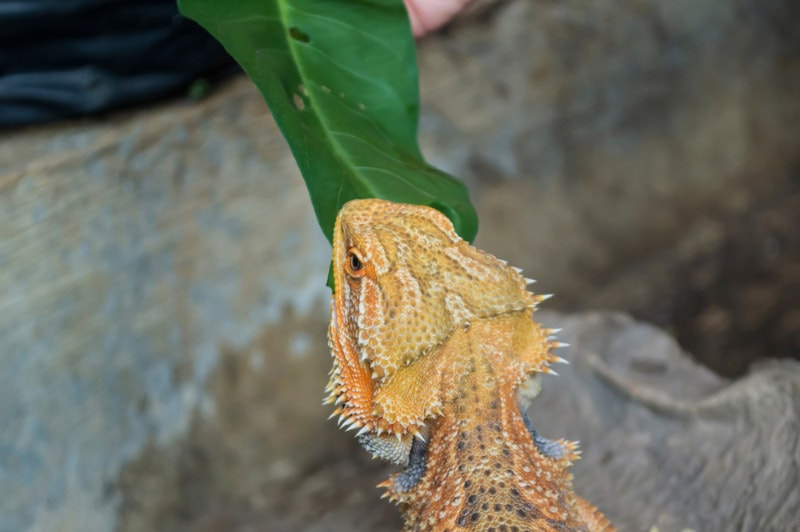
When you serve your bearded dragon any vegetable or fruit, there are some things that you want to do to prepare it. First, you should always make sure to thoroughly wash all raw veggies to remove any pesticides or chemicals from the surface.
Beardies can be especially susceptible to these components, and you need to reduce the exposure as much as possible. Next, cut it into friendly-sized pieces (smaller than the distance between the beardies eyes) to make each section edible and prevent choking.
Conclusion
Bearded dragons really shouldn’t eat beetroot regularly or in large amounts due to their high oxalate and inappropriate Ca:P ratio. There are a huge variety of vegetables and fruits that are much more nutritionally beneficial for your dragon. Speak to your vet about what you can and cannot give your beardie if you are unsure.
Remember to wash any and all veggies to prevent any transmission of pesticides or chemicals on the surface.
Related Read:
Get Hepper In Your Inbox


Pet care tips from our vets and experts, straight to your inbox.
You may opt-out at any time. View our Privacy Policy for more information.
Ashley Bates, a freelance writer with a passion for pets, is currently studying animal therapy. She is a mother to four children and 23 pets, both furry and feathery. Ashley actively volunteers at local shelters, advocates for animal welfare, and rescues animals in distress. Her mission is to promote awareness, education, and entertainment about pets to help prevent animal homelessness. She specializes in the care and well-being of dogs and cats.
Join the conversation
Ask a question, share your story, or send private feedback.