Hepper is reader-supported. When you buy via links on our site, we may earn an affiliate commission at no cost to you. Learn more.
Can Bearded Dragons Eat Shrimp? Vet Approved Facts & FAQ


In this article
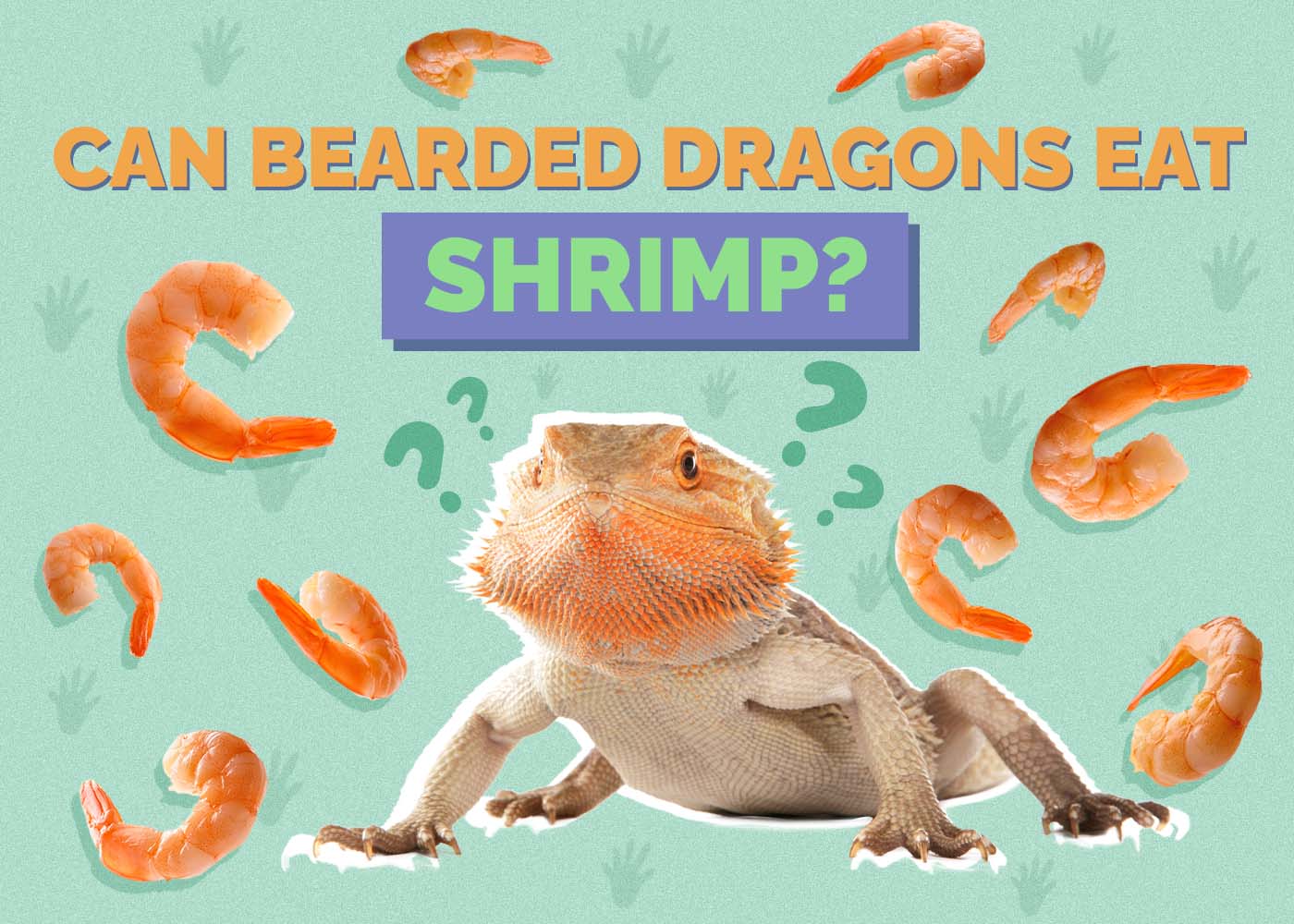
The world of bearded dragons is fascinating, particularly when it comes to their dietary needs. One question often pops up among bearded dragon owners: "Can bearded dragons eat shrimp?" The answer is a bit tricky since there are benefits and downsides of including shrimp in a bearded dragon's diet. This article will delve into bearded dragons' dietary habits, shrimp's nutritional value, and expert opinions on the subject.

Understanding a Bearded Dragon’s Diet
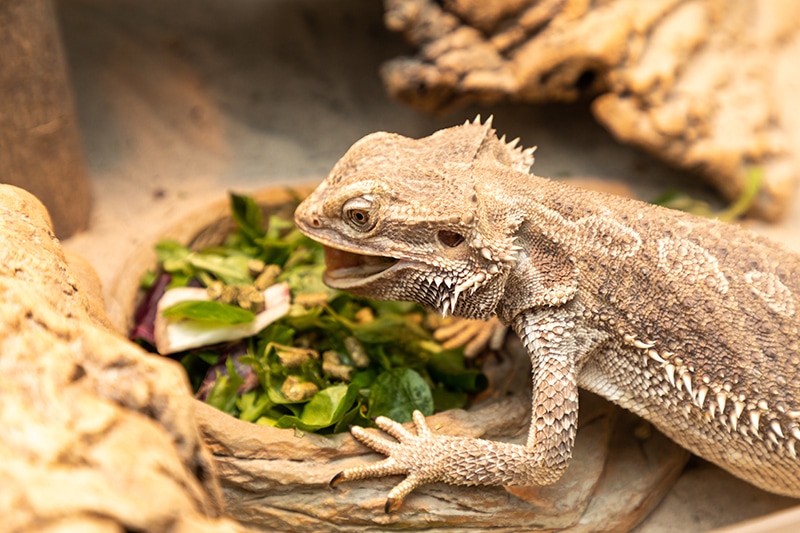
Bearded dragons are omnivores, meaning they eat a combination of plant and animal matter. In the wild, bearded dragons consume various insects, small rodents, fruits, and vegetables. A balanced diet is crucial for their health and wellbeing, and introducing new foods should always be done with caution.
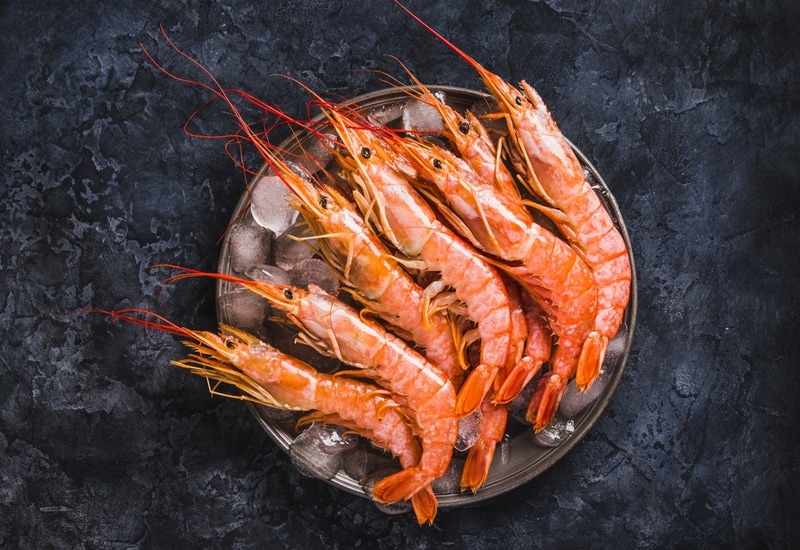
Shrimp is a nutritious food that's high in protein and contains several vitamins and minerals, including selenium, vitamin B12, and iron. These nutrients are essential for the overall health and growth of bearded dragons. However, the nutritional value alone doesn't determine whether it's safe for bearded dragons to eat shrimp.
Risks of Feeding Shrimp to Bearded Dragons
While shrimp does offer some nutritional benefits, such as protein, vitamins, and calcium, there are potential health hazards that pet owners should be aware of.
Bacteria and Parasites
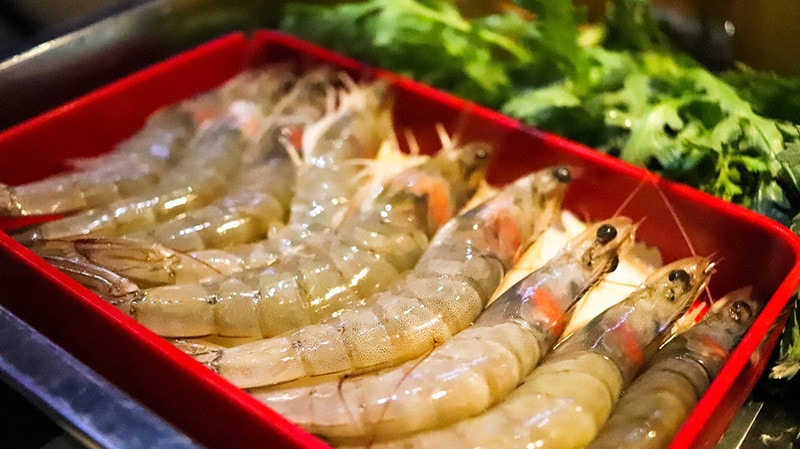
One significant risk is that shrimp can carry harmful bacteria, germs, or parasites, especially if served raw. This could lead to intestinal problems in bearded dragons. Therefore, it's recommended that shrimp should be cooked before feeding to reduce the risk of bacterial or parasitic infections.
Digestive Issues
Another concern is that bearded dragons may have trouble digesting the hard exoskeleton of shrimp. This could potentially lead to impaction, a serious condition where the digestive tract gets blocked.
Potential for Overconsumption of Protein
Shrimp is high in protein. While protein is an essential part of a bearded dragon's diet, consuming too much over time can lead to health issues such as diabetes, obesity, and liver disease. In severe cases, heart failure may occur.
Toxicity Concerns
Certain types of shrimp, such as those found in tropical environments, may be toxic to bearded dragons. It can also present other risks such as mercury poisoning. Therefore, it's crucial to ensure that any shrimp fed to bearded dragons is safe and suitable for their consumption.
Expert Opinions
The topic of feeding shrimp to bearded dragons often generates a diverse range of opinions among experts in reptile care. Veterinarians and reptile enthusiasts have debated the pros and cons of including shrimp in a bearded dragon's diet. A significant number of these experts advise against feeding bearded dragons shrimp entirely. They cite various potential risks associated with feeding shrimp to bearded dragons, such as the possibility of harmful bacteria or parasites that could adversely affect the health of the pet. Additionally, they highlight concerns about digestive issues, as bearded dragons might struggle to break down the hard exoskeleton of shrimp, potentially leading to serious conditions like impaction.
However, there is another school of thought among some experts who believe that shrimp can be included in a bearded dragon's diet, albeit in moderation. These proponents argue that shrimp, when properly prepared, can provide a source of protein and other nutrients beneficial to the health of the bearded dragon.
The key, they emphasize, is in the preparation. The shrimp must be cooked thoroughly to eliminate any harmful bacteria or parasites, and it should be served without any additives that could be harmful to the pet. They also underline the importance of portion control, cautioning that shrimp should only make up a small part of the bearded dragon's diet to prevent overconsumption of protein and other potential health issues.
The Debate: Raw vs Cooked Shrimp
The debate between feeding bearded dragons raw versus cooked shrimp is ongoing. Some argue that raw shrimp could carry harmful bacteria or parasites, making cooked shrimp the safer option. Others believe that cooking shrimp may reduce its nutritional value. If you decide to feed your bearded dragon cooked shrimp, it should be prepared without any salt, spices, or other additives.
Safe Feeding Guidelines
If you choose to feed your bearded dragon shrimp, it's important to do so safely. Shrimp should make up only a small part of your pet's diet and should never be the primary source of food. Always observe your bearded dragon closely after introducing any new food to their diet and consult your vet if you notice any changes in their behavior or health.
Potential Alternatives to Shrimp
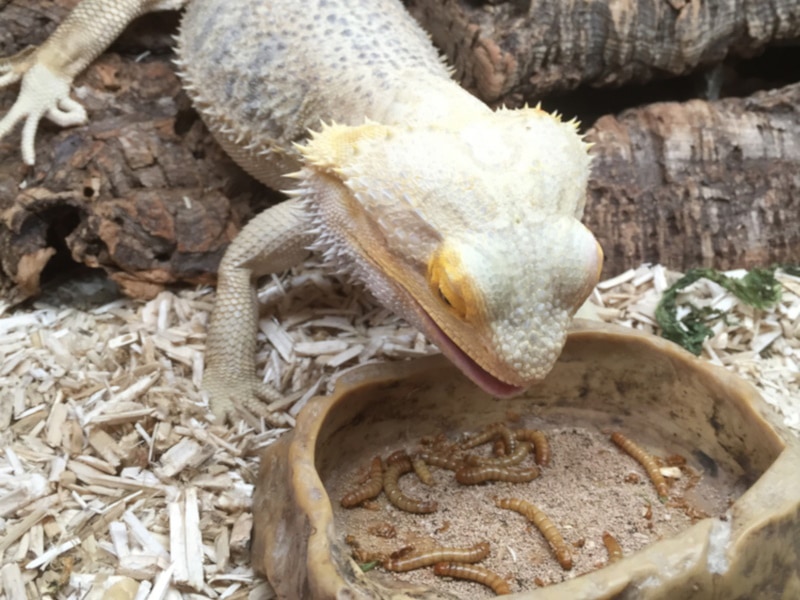
There are plenty of other food options that can provide similar nutritional benefits to shrimp. Crickets, mealworms, and vegetables like bell peppers and leafy greens are all excellent choices for bearded dragons and are typically easier for them to digest.
Signs Your Beardie Isn't Feeling Well
Bearded dragons are generally robust and healthy pets. However, like any animal, they can experience health problems. Knowing the signs that your bearded dragon isn't feeling well can help you catch potential issues early and seek veterinary care promptly.
Here are some indicators that your beardie might be under the weather.
Conclusion
Shrimp is yummy, and if you offer it to your beardie, there's a good chance they'll eat it, even if it may not be the best for them. While shrimp can provide certain nutritional benefits to bearded dragons, it's important to weigh these against the potential risks. Always consult with a vet or a pet care expert before introducing new foods into your bearded dragon's diet. Remember, a healthy diet is key to a happy and long-lived bearded dragon.
Related Reads:
Featured Image Credit By: Jumpstory
Get Hepper In Your Inbox


Pet care tips from our vets and experts, straight to your inbox.
You may opt-out at any time. View our Privacy Policy for more information.
Nicole is a lover of animals of all sizes but is especially fascinated with the feline variety. She’s the proud mom of Baby, a Burmese, and works every day so he can relax in the sunshine or by the fire. She’s always had a cat in her home and has spent countless days with others, observing behaviors and softening up even the grouchiest of the lot. Nicole wants to share her kitty expertise with you so you and your cat can live happy, healthy, and care-free.
Join the conversation
Ask a question, share your story, or send private feedback.