Hepper is reader-supported. When you buy via links on our site, we may earn an affiliate commission at no cost to you. Learn more.
Can Bearded Dragons Eat Dead Crickets? Vet Approved Facts & FAQ


In this article
When it comes to our beloved bearded dragons' nutrition, every detail matters. From the type of food they consume to the nutritional balance their diet provides, all play an essential role in keeping them healthy and active.
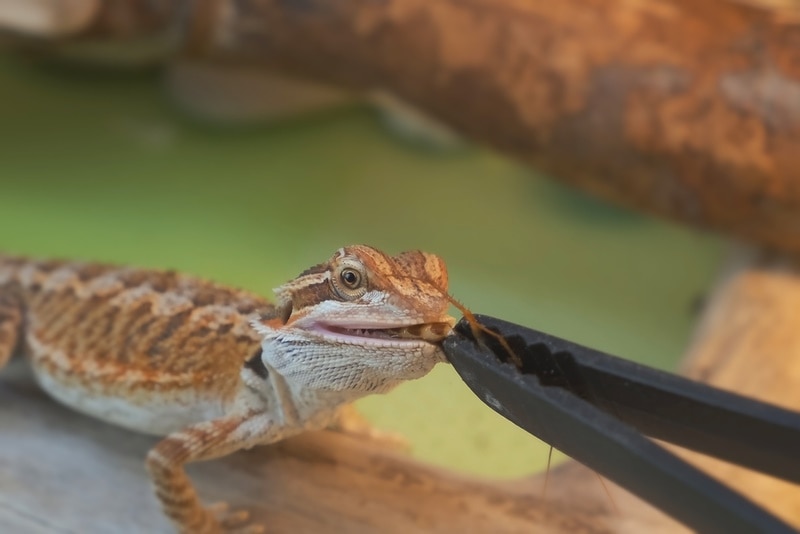
One of the questions that frequently surfaces among bearded dragon enthusiasts is: Can bearded dragons eat dead crickets? The answer is no. You should only ever offer live crickets to your beardie; dead crickets carry the risk of bacterial contamination and lack the nutrition found in their live counterparts. To further understand the reasons behind this and explore the fascinating world of the bearded dragon's diet, let's delve deeper into this subject.

Understanding Cricket Nutrition for Bearded Dragons
Crickets are one of the best foods for pet bearded dragons. They are rich in proteins that aid in growth and muscle development, contain valuable fiber for digestion, and provide essential minerals like calcium for bone health. Moreover, the action of hunting and eating live crickets stimulates a bearded dragon's instincts, enhancing their overall well-being. Live crickets, as opposed to dead ones, maintain their nutritional integrity, offering maximum benefit to your pet.
However, dead crickets, particularly those found already deceased, could be a breeding ground for harmful bacteria and parasites, potentially leading to infections and diseases in your bearded dragon. Not to mention, the nutritional value of a cricket rapidly diminishes after death. Therefore, it's always advisable to feed live or freshly killed crickets to ensure your bearded dragon receives the nutrients they require.
Bacteria in Dead Crickets
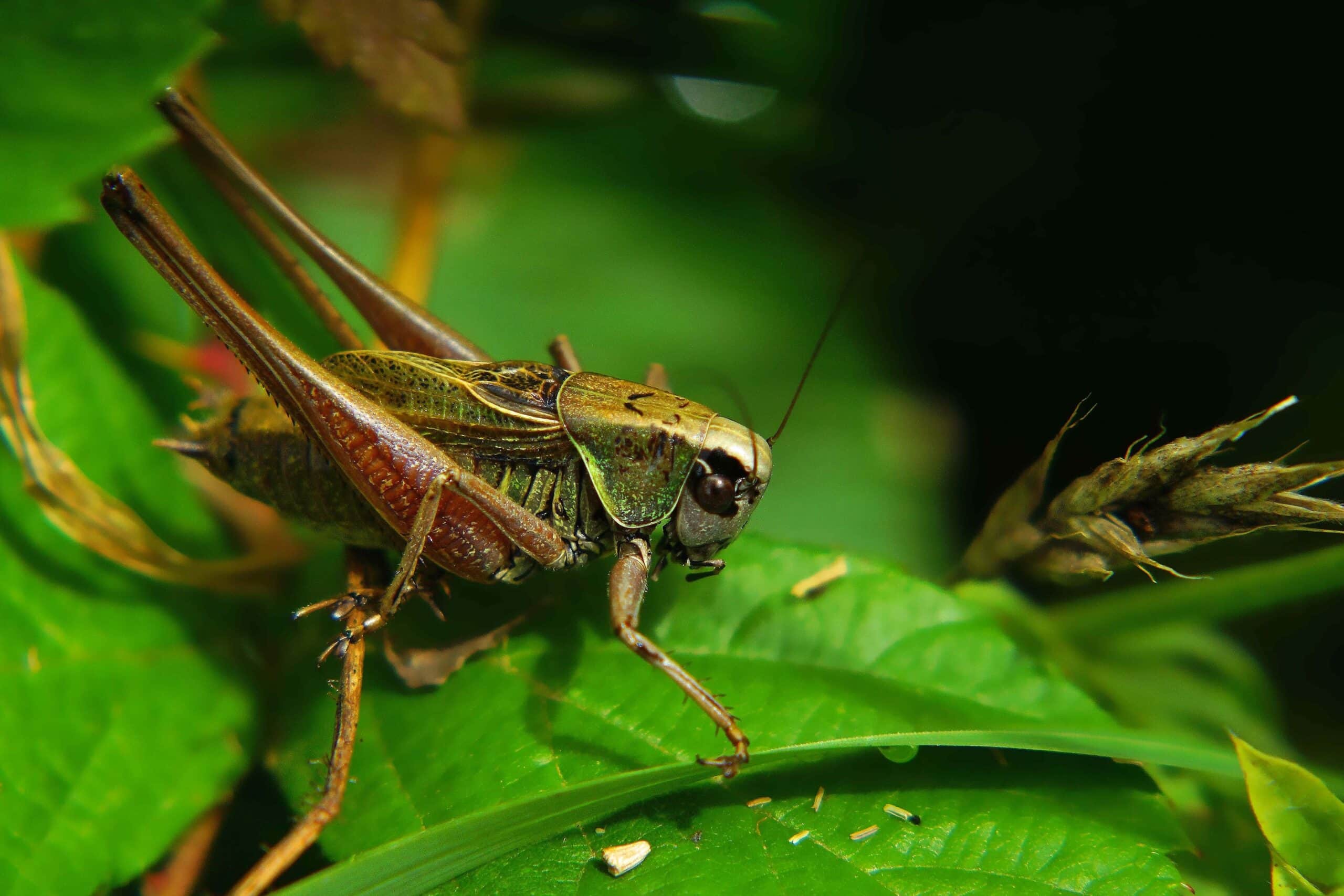
As soon as a cricket croaks, it quickly turns into a hotspot for bacteria like Salmonella, Listeria, and E. coli to multiply like crazy. All of these can really mess with the health of reptiles, bearded dragons included.
If your bearded dragon consumes food containing these bacteria, they can end up with nasty infections of the digestive tract. This illness in bearded dragons often shows up as vomiting, loose stools, lethargy, and inappetence. So, if you notice your beardie showing any of these symptoms, don't wait around, and get them to a vet straight away.
Nutrient Depletion: Health Concerns Over Time
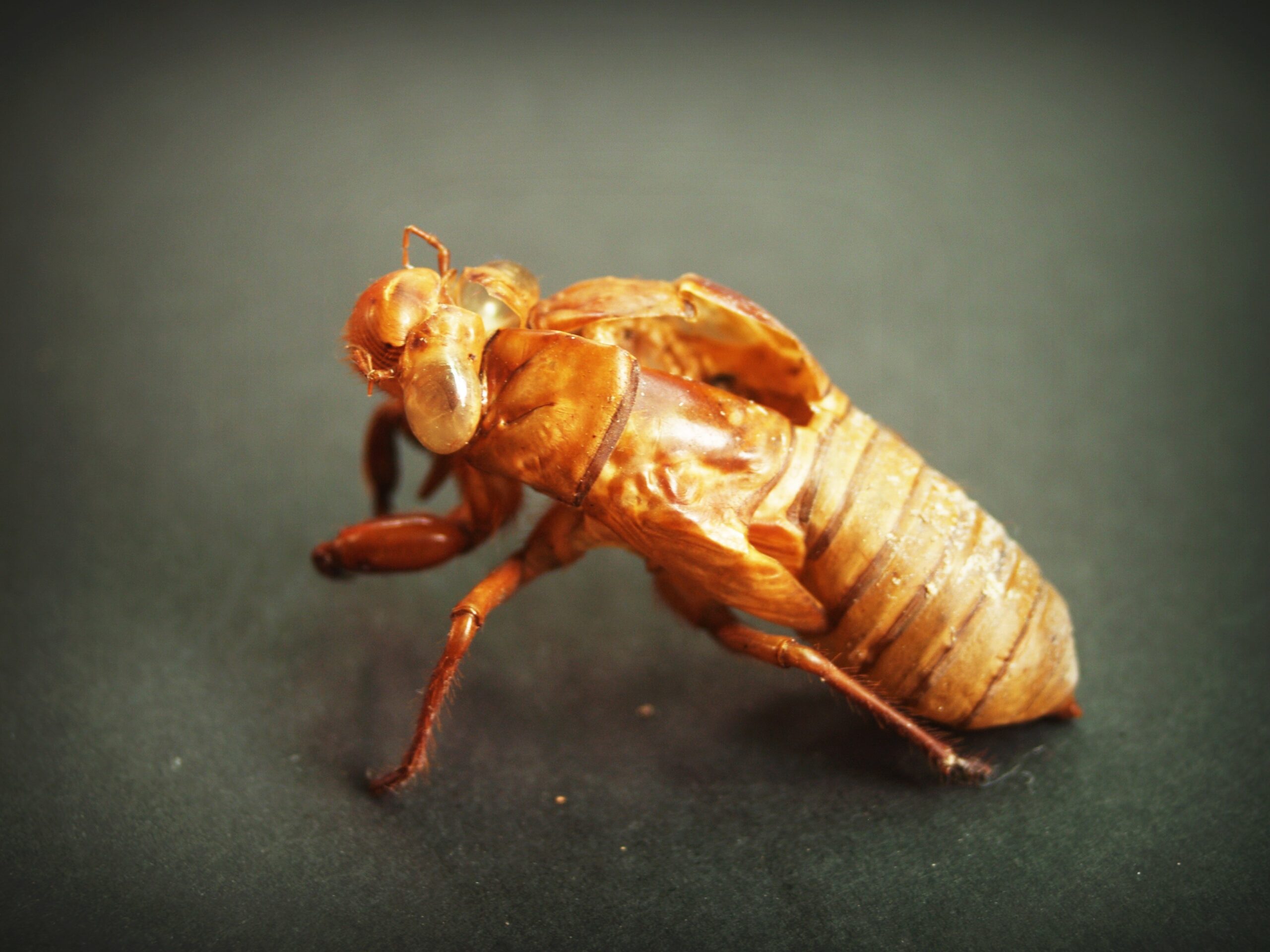
Another concern associated with feeding dead crickets to bearded dragons is the rapid depletion of nutritional value. A cricket's nutrients start degrading the moment it passes away. Dead crickets exhibit significantly lower levels of vital nutrients like proteins, fats, vitamins, and essential minerals compared to their live counterparts. These nutrients are crucial for the overall growth, muscle development, and immune health of your bearded dragon. Feeding them a diet deficient in these key nutrients can lead to weakening of muscles and bones, stunted growth, and susceptibility to various illnesses in your pet.
The Impact of Feeding Bearded Dragons Dead Crickets
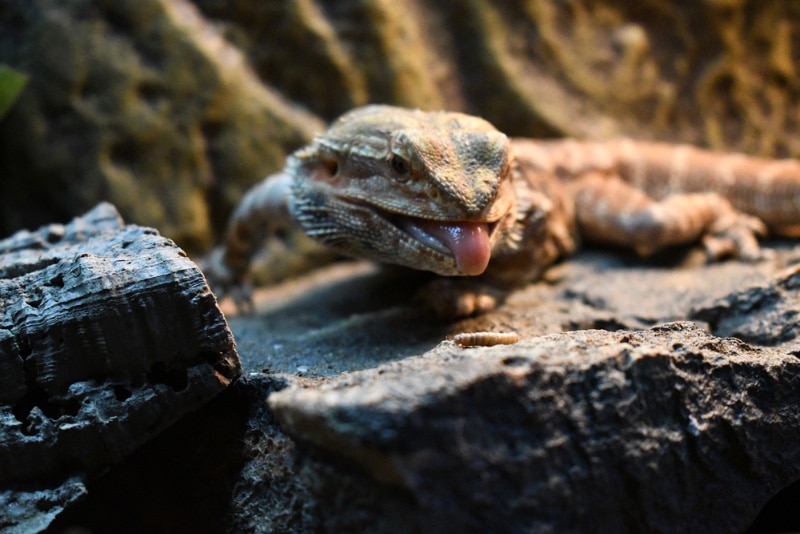
Let's say you've found out that your beardie has snacked on a dead cricket. Don’t panic, but keep an extra careful watch on your little friend for any unusual behavior or signs they're feeling under the weather. If they show any signs of illness, get them to the vet straight away.
Catching this kind of thing early on and getting it treated can make a world of difference, really boosting your dragon's chances and lowering the risk of any lingering health problems.
Alternatives to Crickets: Keeping Your Bearded Dragon's Diet Nutrient-Rich
With the risks of feeding dead crickets now clear, you might be wondering about the alternatives. Luckily, a bearded dragon's diet can be highly varied. Apart from live crickets, you can also offer mealworms, dubia roaches, and waxworms as excellent sources of proteins and fats.
Vegetables like kale, collard greens, and bell peppers also add vital nutrients and hydration to their diet. Remember to provide a balanced mix of insects and vegetables in your bearded dragon's diet—about 80% insects and 20% plant matter for juvenile beardies, shifting to 20% insects and 80% plant matter for adults.
Breeding Your Own Crickets
Breeding your crickets can be a cost-effective and convenient way to ensure your bearded dragon gets the freshest possible diet. Plus, you can make sure they’re being gut loaded with the most nutritious ingredients before feeding them to your beardie.
The process involves setting up a breeding tank with adequate heat, providing adult crickets with egg-laying substrate, and offering suitable food. A deeper exploration of cricket breeding can help you set up a sustainable food source for your bearded dragon at home.
Be warned: they are noisy and prone to escaping, so this is probably something you might want to set up in a shed or garage. However, given that buying live food for your bearded dragon can really add up, it might be worth the effort!
Buying Crickets: What to Keep in Mind
When purchasing crickets, look for reliable pet stores or online platforms. Ensure they guarantee live delivery and that the crickets are well-fed (gut-loaded) and disease-free. A cricket's nutritional value is only as good as the food it consumes, hence the importance of gut-loading—the process of feeding crickets nutritious food before they are themselves eaten. The nutritious food enhances the crickets' nutrient profile, making them an even healthier meal for your bearded dragon.
Can Baby Bearded Dragons Eat Crickets?
Baby bearded dragons can indeed eat crickets, but the size of the cricket matters. A good rule of thumb is to never feed your baby dragon any insect larger than the space between their eyes. Small crickets meet this requirement perfectly.
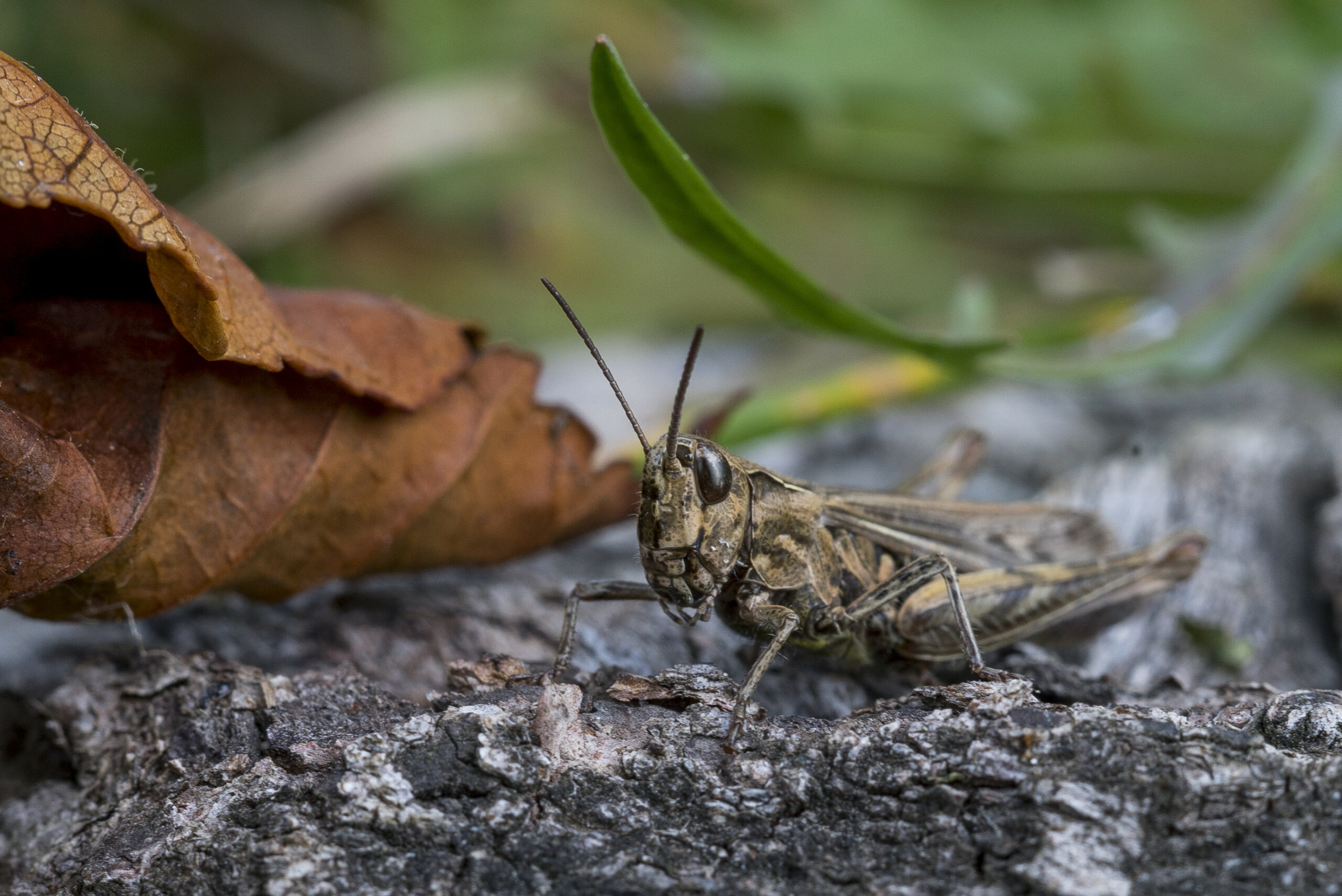
How Many Crickets Should Bearded Dragons Eat?
The number of crickets a bearded dragon should eat varies with age. A young, growing bearded dragon may eat up to 50 to 60 small crickets a day! Adults, on the other hand, due to their slower metabolism, may only eat five to 10 large crickets every other day. Remember to balance this with appropriate plant matter for a nutritionally balanced diet.
Conclusion
While crickets are an essential part of a bearded dragon's diet, dead crickets can pose significant health risks. By providing live crickets, along with a balanced diet of other proteins and vegetables, you ensure that your bearded dragon receives the nutrition they need. Coupling this with techniques like gut-loading and supplement dusting can make each meal a powerhouse of nutrition. And don’t forget the mental stimulation hunting live prey will offer your beardie, an often overlooked but essential part of keeping these animals as pets.
See Also:
Sources
Featured Image Credit: JumpStory
Get Hepper In Your Inbox


Pet care tips from our vets and experts, straight to your inbox.
You may opt-out at any time. View our Privacy Policy for more information.
Melody Russell is an experienced pet enthusiast with a background in the animal care industry. She has worked at a zoo, served as a dedicated pet sitter, and has a passion for breeding and raising leopard geckos. As a versatile freelance writer, she excels in various genres, crafting captivating stories, informative articles, and engaging social media content. You can find her cat page, TheCommonKitties_, on Instagram, where she shares the adorable antics of her beloved feline companions. With her practical expertise and creative flair, she is eager to contribute her skills in pet care and writing to make a positive impact on the lives of animals.
Join the conversation
Ask a question, share your story, or send private feedback.