Hepper blog

Search our database of over 9,984 posts with up-to-date information from our experts and veterinarians.

Hepper is reader-supported. When you buy via links on our site, we may earn an affiliate commission at no cost to you. Learn more.

Can Bearded Dragons Eat Slugs? Vet Approved Facts & Safety Guide

By Gregory Iacono · Reviewed & fact-checked by Dr. Karyn KanowskiVet Approved
Dr. Karyn Kanowski
Reviewed & Fact-Checked byDr. Karyn KanowskiVeterinarian
Karyn has lived in the UK for the past 10 years after moving from Queensland, Australia. In 2010, she graduated from The University of Queensland School of Veterinary Science, and also holds a Bachelor’s degree in Zoology. Karyn is passionate about using evidence, experience, and owner collaboration to provide the best solutions for pets, and believes in making reliable information about animal health accessible to all. She shares her home with 5 cats, 4 dogs, and 1 husband, and when she is not practising as a veterinary surgeon, she spends her time writing, gardening, and cleaning up pet hair!View authorThe information is current and up-to-date in accordance with the latest veterinarian research. Read about our vets
Share
Ask us a question in the comments
Can Bearded Dragons Eat Slugs

As you can probably guess, feeding a bearded dragon is significantly different from feeding dogs, cats, and other more traditional pets. Bearded dragons need live insects in their diet, including crickets, cockroaches, and mealworms. But what about slugs? Yes, bearded dragons can eat slugs, but they must be served with caution due to the health issues they can cause. We’ll discuss the best way to feed slugs to your bearded dragon and the nutritional benefits they provide.

Are Slugs a Good Food Choice for Bearded Dragons?

Although bearded dragons can eat slugs, there are several limitations to including them in your beardie’s diet.

Slugs Can Have Harmful Parasites and Bacteria

Unfortunately, slugs often carry parasites like lungworms and tapeworms, which are very harmful to bearded dragons. They also carry the salmonella bacteria, which is harmful to your pet and also to you as their caretaker.
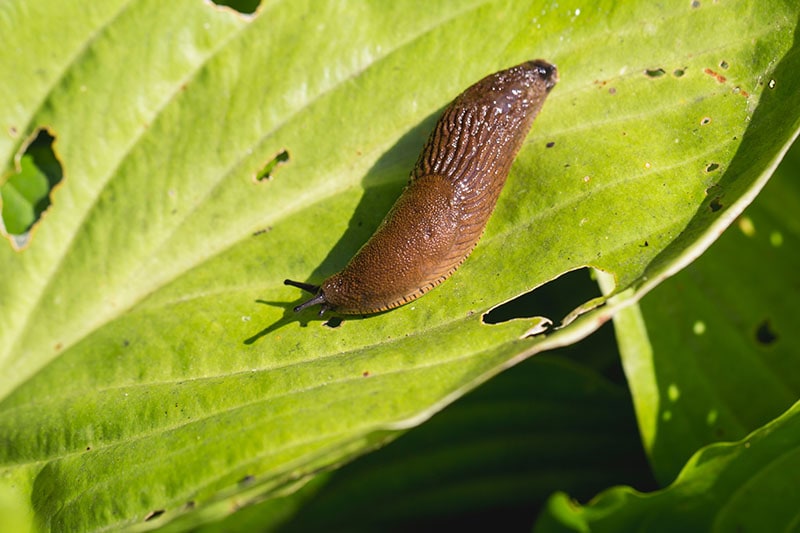
large red slug
Photo By: Marija Stepanovic, Shutterstock

Slugs Are Often Contaminated With Chemicals

Slugs from your yard or garden are often covered in chemicals like fertilizers, insecticides, and herbicides. It is also common for people to put down slug pellets. Not surprisingly, these chemicals can make your bearded dragon quite ill, so you should only ever feed them slugs from pet shops or reputable pet food suppliers.

The Slime on Slugs Can Be Difficult for Your Bearded Dragon to Digest

Bearded dragons have a relatively sensitive digestive system that can be upset by the slime on slugs. This can lead to health issues, including bloat, intestinal impaction (i.e., blockage), and severe discomfort for your pet. It also means that some bearded dragons just won’t be interested in eating them.

Slugs Are Nutritionally Imbalanced

While they provide some nutritional value, slugs have an imbalanced nutrient profile. For example, they have too much protein and moisture for most bearded dragons.

Because of this imbalance, an overreliance on slugs can cause nutritional deficiencies in your pet and lead to health issues, including metabolic bone disease (MBD), which can be deadly.

Do Slugs Provide Nutritional Value for Bearded Dragons?

Although they have several drawbacks, slugs have nutritional benefits and can be given to them occasionally.

Slugs Make Your Beardie Hunt Search For Their Food

In the wild, a bearded dragon has to go out and hunt for food, which is a skill they can lose in captivity. Giving them slugs can help prevent this by providing a hunting opportunity. Compared with some of the faster-moving prey, like Dubia roaches or crickets, slugs are more likely to lurk under foliage, meaning your beardie will need to do some searching for this high-protein snack.
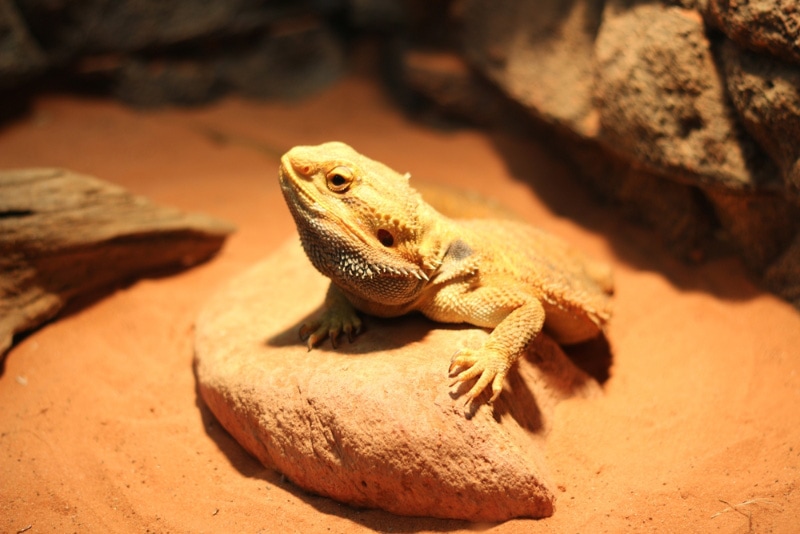
bearded dragon climbing on a rock
Photo By: glitz, Shutterstock

Slugs Are High in Protein

Bearded dragons, especially young ones, need a lot of protein to grow and mature. Slugs have a high level of protein which helps your beardie’s muscles grow big and strong.

Slugs Add Variety to Their Diet

A slug or two can be a nice treat if your bearded dragon is used to a diet of crickets, cockroaches, and other crunchy critters. They might also help improve your beardie’s appetite by igniting their passion for different foods.

How to Feed Slugs to Your Bearded Dragon

If you feed the occasional slug to your bearded dragon you can place one in their enclosure, tank, or terrarium and let your beardie eat it as they see fit. If your pet leaves any slug bits behind, remove them after they’ve finished eating. Also, ensure that any slugs you feed are smaller than the distance between your bearded dragon’s eyes.

If you want to feed the occasional slug to your dragon, follow the veterinarian-approved tips and advice below.

  • Give your bearded dragon slugs no bigger than the space between their eyes. Anything larger could cause choking and impaction problems.
  • Never feed slugs you find in and around your home. Only slugs raised to be food are acceptable.
  • Think of slugs as an occasional snack rather than a significant part of your bearded dragon’s diet.
  • Follow the supplier’s recommendations for cleaning slugs and preparing them for your bearded dragon.
  • If a slug is still in your beardie’s enclosure after 24 hours, remove it. It is likely that your beardie just isn’t interested.

For more tips and advice on looking after your beardie, check out How To Take Care of a Bearded Dragon.

Can Baby Bearded Dragons Eat Slugs?

You can serve slugs to juvenile bearded dragons, and they are a good protein boost for their rapid growth. However, most veterinarians do not recommend feeding them to baby dragons. Slugs aren’t toxic, per se, but pose several risks for baby dragons, including impaction, choking, and allergic reactions.
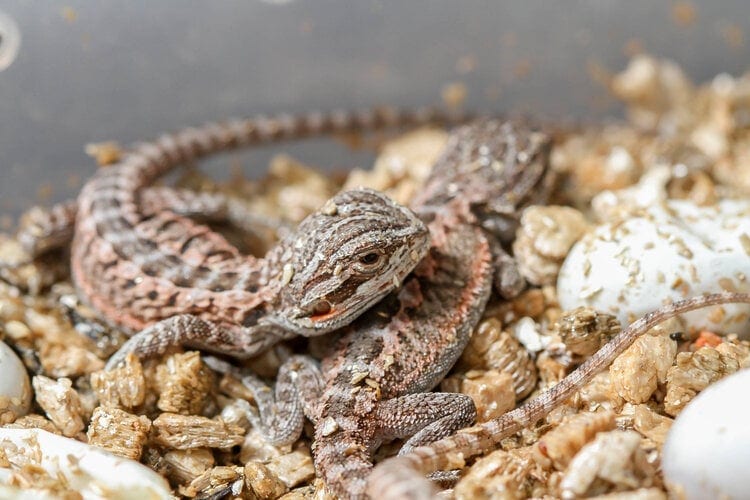
baby bearded dragons
Image Credit: blue dog studio, Shutterstock

Final Thoughts

Dietary variation is super important to providing bearded dragons with the right nutrients, as well as some enrichment. Although slugs aren’t toxic to bearded dragons, they aren’t an item to be included on their regular menu. Being quite high in protein, they can cause some nutritional imbalances and gastrointestinal upset if your beardie consumes too often or in too high a volume. They make a nice occasional snack, especially for growing juveniles, but some won’t like their slimy texture.

Furthermore, slugs from your garden or yard are very risky due to the possibility of bacteria, parasites, and chemicals and should never be fed to your bearded dragon.

If you would like to offer your beardie an occasional slug, it should be one you purchased from a reputable reptile food dealer.

See also:

Sources

Get Hepper In Your Inbox

Pet care tips from our vets and experts, straight to your inbox.

List

Select all that apply.

You may opt-out at any time. View our Privacy Policy for more information.

Gregory Iacono
Authored by

Gregory Iacono

Join the conversation

Ask a question, share your story, or send private feedback.
Rate this post
Required to post. Only our editors see your rating.
Who should see this?

A human reviews every comment before it appears. Your email is never published.

Picked to go with this article

Can Bearded Dragons Eat Snails? Vet-Approved Nutritional Facts & FAQ

Can Bearded Dragons Eat Snails? Vet-Approved Nutritional Facts & FAQ

As a bearded dragon owner, you know that your pet is an omnivore, so it needs to eat both veggies and animal protein (usually insects). In the wild, bearded dr…

Misty Layne
By Misty Layne ·
Can Bearded Dragons Eat Cockroaches? Vet Approved Facts & Safety Guide

Can Bearded Dragons Eat Cockroaches? Vet Approved Facts & Safety Guide

As the owner of a bearded dragon, one of your main tasks after creating a safe home for your pet is feeding the right food. Since these lovely lizards mainly e…

Gregory Iacono
By Gregory Iacono ·
What Do Bearded Dragons Eat as Pets? Vet Reviewed Diet

What Do Bearded Dragons Eat as Pets? Vet Reviewed Diet

Bearded Dragons are omnivorous, meaning they consume a mixture of animal protein and veggies. In the wild, the exact animals and veggies the Bearded Dragons wo…

Kristin Hitchcock
By Kristin Hitchcock ·
Can Bearded Dragons Eat Hornworms? Vet-Approved Nutrition Guidelines

Can Bearded Dragons Eat Hornworms? Vet-Approved Nutrition Guidelines

Bearded Dragons are great pets, but sometimes it’s hard to determine what you need to feed your bearded friend. If you’ve been wondering if they can eat hornwo…

Patricia Dickson
By Patricia Dickson ·

Keep reading

More stories you might like

Can Bearded Dragons Eat Beetles? Vet-Approved Feeding Facts

Bearded dragons are omnivores that as adults need a diet consisting primarily of vegetables with some insect protein. Most lizards that eat invertebrates will…

Chantelle Fowler
By Chantelle Fowler ·
Can Bearded Dragons Eat Beetles? Vet-Approved Feeding Facts

Can Bearded Dragons Eat Nightcrawlers? Vet-Reviewed Nutrition Facts & FAQ

At first glance, nightcrawlers look like they could be the perfect food for Bearded Dragons. They are large and fat and usually cheap. But can Bearded Dragons…

Grant Piper
By Grant Piper ·
Can Bearded Dragons Eat Nightcrawlers? Vet-Reviewed Nutrition Facts & FAQ

Can Bearded Dragons Eat Rolly Pollies? Vet-Approved Facts & Healthy Alternatives

Bearded dragons are omnivores, and fairly easy to please in the food department. They enjoy a wide range of vegetables and insects, but what about rolly pollie…

Kit Copson
By Kit Copson ·
Can Bearded Dragons Eat Rolly Pollies? Vet-Approved Facts & Healthy Alternatives

Can Bearded Dragons Eat Cucumbers? Vet-Verified Benefits & Dangers

When people talk about having pets in the home, cats and dogs are the instant thought. Not everyone is into cats and dogs or allowed these pets in their homes.…

Melissa Gunter
By Melissa Gunter ·
Can Bearded Dragons Eat Cucumbers? Vet-Verified Benefits & Dangers

Can Bearded Dragons Eat Eggs? Our Vet Approved Advice

Ah, the bearded dragon! These endearing creatures, with their spiky scales and distinct personalities, have captured the hearts of reptile enthusiasts worldwid…

Melody Russell
By Melody Russell ·
Can Bearded Dragons Eat Eggs? Our Vet Approved Advice

Can Bearded Dragons Eat Grass? Vet-Approved Facts, Diet, & Risks

Bearded dragons aren’t only exotic, they are also fun pets to have. If you have one of these reptiles, you know what we mean. One fun aspect of having a Beardi…

Melissa Gunter
By Melissa Gunter ·
Can Bearded Dragons Eat Grass? Vet-Approved Facts, Diet, & Risks

Can Bearded Dragons Eat Worms? Vet-Approved Facts & FAQ

As omnivores, bearded dragons need both plant and animal-based foods like insects. If you’re searching for the best source of protein for your dragon, you may…

Chantelle Fowler
By Chantelle Fowler ·
Can Bearded Dragons Eat Worms? Vet-Approved Facts & FAQ

Can Bearded Dragons Eat Turkey? Vet-Approved Dietary Facts

Bearded dragons are popular companions due to their docile nature and inquisitive nature. As omnivores, they require a diet consisting of both animal protein a…

Melody Russell
By Melody Russell ·
Can Bearded Dragons Eat Turkey? Vet-Approved Dietary Facts