Hepper is reader-supported. When you buy via links on our site, we may earn an affiliate commission at no cost to you. Learn more.
Can Bearded Dragons Eat Nightcrawlers? Vet-Reviewed Nutrition Facts & FAQ


In this article
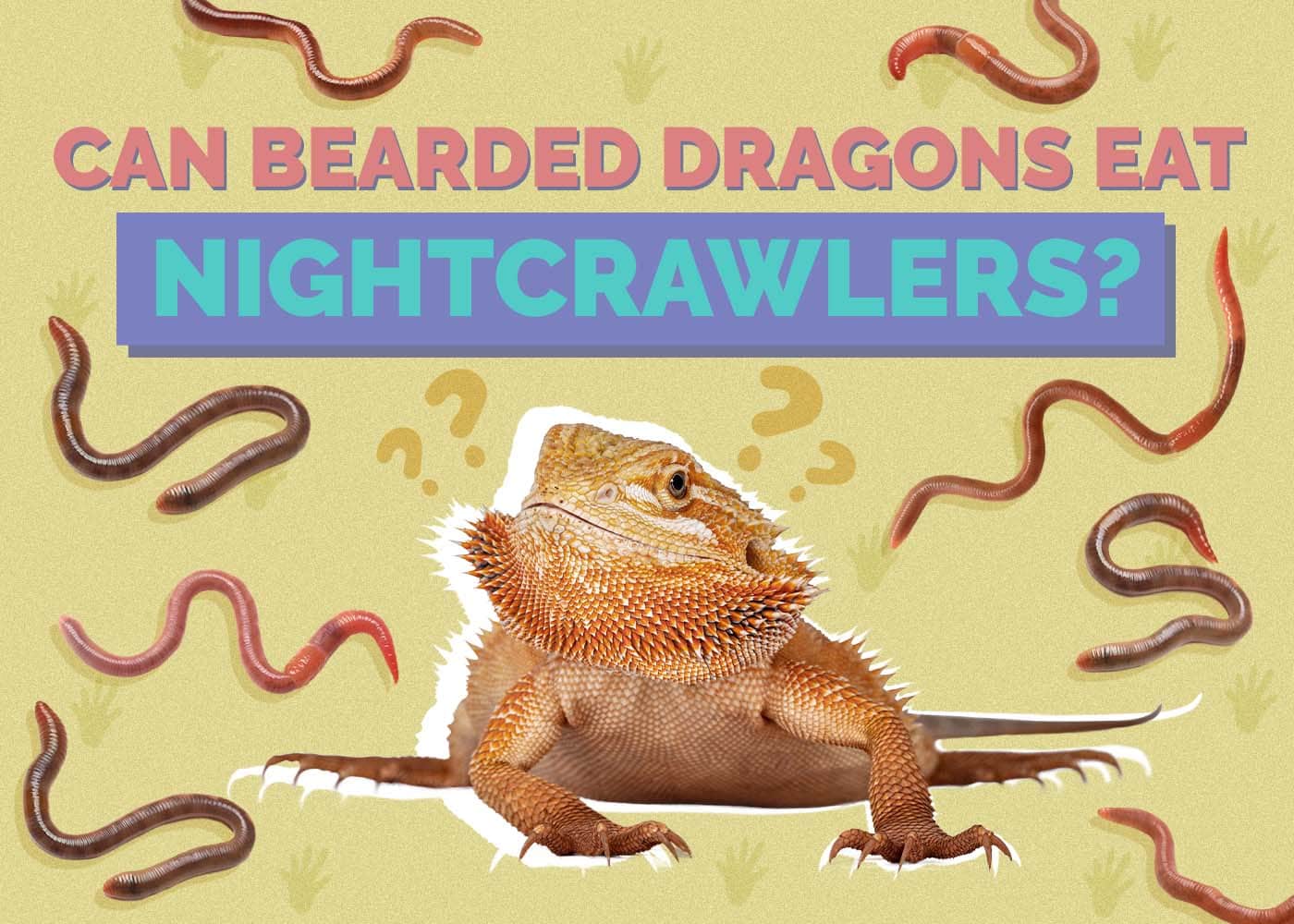
At first glance, nightcrawlers look like they could be the perfect food for Bearded Dragons. They are large and fat and usually cheap. But can Bearded Dragons eat nightcrawlers? What are nightcrawlers exactly? Are there better alternatives?
Yes, bearded dragons can eat nightcrawlers, but they should only be fed as an occasional treat. Nightcrawlers are high in fat and can cause health problems if fed too often. This guide will answer these questions in more detail so that you can get all of the information you need before you decide whether to try feeding your Bearded Dragon these juicy critters.

What Are Nightcrawlers?
Nightcrawler is the colloquial name for a large earthworm species that originated in Western Europe. Nightcrawlers are typically the species Lumbricus terrestris, but the term can refer to any large nocturnal earthworm. Nightcrawlers are often long, growing 7 to 10 inches in length, and appear reddish in color. Many places in the world cultivate and collect nightcrawlers for fishing bait, and they are most often found being sold in bait and tackle shops.
Bearded Dragons Can Eat Nightcrawlers
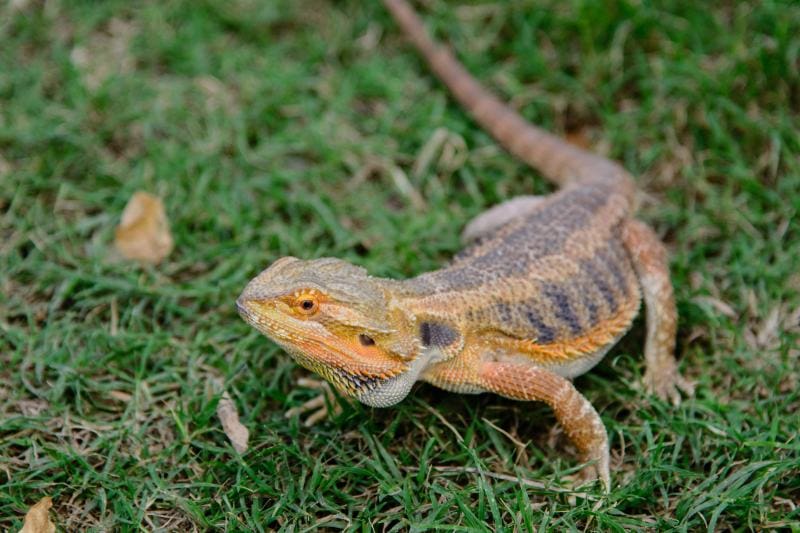
Bearded dragons can eat nightcrawlers. They are not dangerous or toxic to Bearded Dragons. In fact, Bearded Dragons can eat any member of the earthworm family. But that doesn’t mean that nightcrawlers do not come with some downsides and many times, Bearded Dragons will prefer alternative foods to nightcrawlers.
Nightcrawler Nutrition
Nightcrawlers are high in protein, and have a favorable calcium: phosphorus ratio. For reptiles, it is important that any foods regularly consumed have a higher calcium (Ca) content than that of phosphorus (P), ideally twice as much. The Ca:P ratio in nightcrawlers is 1.5 : 1, making it a good food for them to eat.
Do Bearded Dragons Like Nightcrawlers?
Not particularly. Interestingly enough, most Bearded Dragons will shun nightcrawlers, especially if they have alternative foods to eat nearby. Bearded dragons seem to not like the slimy and soft exteriors found on nightcrawlers. If given a choice between a mealworm, cricket, or nightcrawler, the nightcrawler will usually be chosen last.
Every animal is a little different, and you might get a beardie that loves earthworms, but that will not usually be the case. If you try to feed your Bearded Dragon a nightcrawler and it ignores it, it doesn’t mean there’s anything wrong, they probably just don’t like them!
Can You Feed Your Bearded Dragon Nightcrawlers You Find Outside?
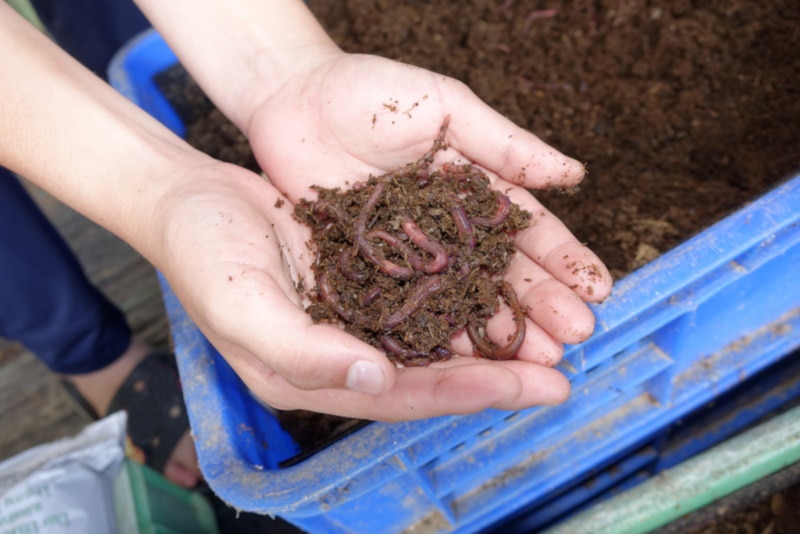
No. You should never feed your Bearded Dragon any worms (or bugs in general) that you find outside. Wild bugs can be hard to identify. Can you be positive that the worm you dug up is a safe nightcrawler? Worms can also absorb things from the local soil including contaminants and parasites that can be ingested by your Bearded Dragon.
You might think you are being clever, efficient, or thrifty by capturing your own bugs from outside to feed your pet lizard, but you are actually likely doing more harm than good.
Where to Get Safe Nightcrawlers for Your Bearded Dragon
If you want to feed your Bearded Dragon nightcrawlers, you should buy them from a pet shop. Do not buy nightcrawlers from a bait shop as they are usually sourced out of the local ground, which, as we discussed, is not always the best thing for your pet.
Only buy live food for your Bearded Dragon from a reputable pet shop that specializes in reptiles. This will ensure that you are getting quality worms that have not been exposed to any chemicals, pesticides, or parasites that could be lurking in the soil outside.
Benefits of Feeding Nightcrawlers to Your Bearded Dragon
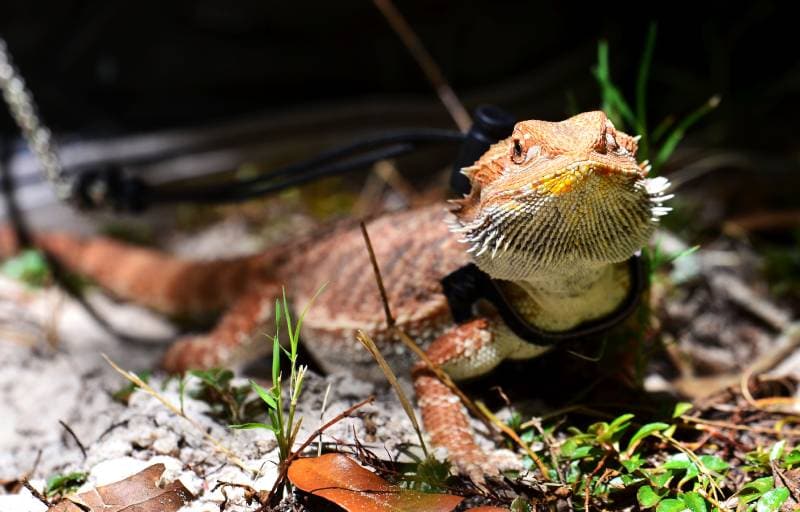
Nightcrawlers have some benefits for Bearded Dragons. They are packed with high levels of protein and calcium. These nutrients are important for fueling your dragon throughout the day. Nightcrawlers also contain a lot of moisture which is good for some lizards that do not like to drink water very much. Experts suggest rinsing any nightcrawler (or earthworm) before feeding them to your Bearded Dragon, even ones that you get from the pet store. This way, you ensure that there are no harmful or foreign particles stuck to the worm’s slimy exterior.
Downsides of Feeding Nightcrawlers to Your Bearded Dragon
Nightcrawlers have a few downsides. First, they tend to be very large. Sometimes, the largest nightcrawlers can be too big for your beardie. If the worm is too large and your pet tries to eat it in one shot, it can actually block your dragon up and cause digestive issues. This is particularly true of small or juvenile Bearded Dragons.
Another issue to look out for is parasitic contamination. Many earthworms can contain parasites that can transfer to your Bearded Dragon if you are not careful. Signs of parasitic infection include lethargy, changes to eating habits, and increased waste production or diarrhea.
Lastly, if you feed too many nightcrawlers to your Bearded Dragon, it can cause blockages or too much moisture, which can lead to diarrhea. They need to be fed in moderation.
Better Alternatives to Nightcrawlers
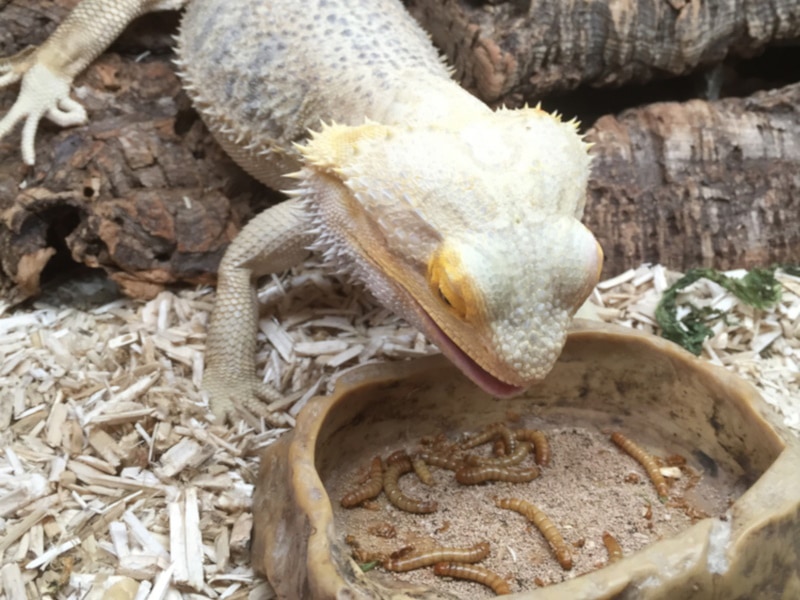
Nightcrawlers are not the ideal choice for Bearded Dragons. Other bugs, such as mealworms, roaches, and crickets, are much better alternatives. These bugs are crunchy, which many Bearded Dragons seem to prefer to the slimy exterior of the nightcrawler. They also have fewer risks, including less likelihood of spreading parasites to your dragon. They are also easier to find and easier to buy than nightcrawlers.
Final Thoughts
Bearded Dragons can eat nightcrawlers, but many of them won’t. There are better alternatives to nightcrawlers on the market that can be safely sourced for your Bearded Dragon. Nightcrawlers are a great source of water and certain nutrients. They can also be contaminated with chemicals if sourced from your garden or parasites, even if purchased from a pet shop. Some people swear by earthworms for their lizards, while other people caution you to avoid them. Hopefully, this information will help you decide if you want to put nightcrawlers on your Bearded Dragon’s menu.
Related Reads:
Featured Image Credit: Liz Weber, Shutterstock
Get Hepper In Your Inbox


Pet care tips from our vets and experts, straight to your inbox.
You may opt-out at any time. View our Privacy Policy for more information.
Grant is a freelance writer with years of experience writing about a diverse range of topics. His days are spent writing and caring for eight animals (two horses, two donkeys, two goats, and two dogs). In his free time he enjoys slowly carving out a quaint hobby farm from the Southern scrub. He currently lives in his native Florida with his wife and son.
Join the conversation
Ask a question, share your story, or send private feedback.