Hepper is reader-supported. When you buy via links on our site, we may earn an affiliate commission at no cost to you. Learn more.
Can Bearded Dragons Eat Sweet Peppers? Vet-Reviewed Nutritional Facts & FAQ


In this article
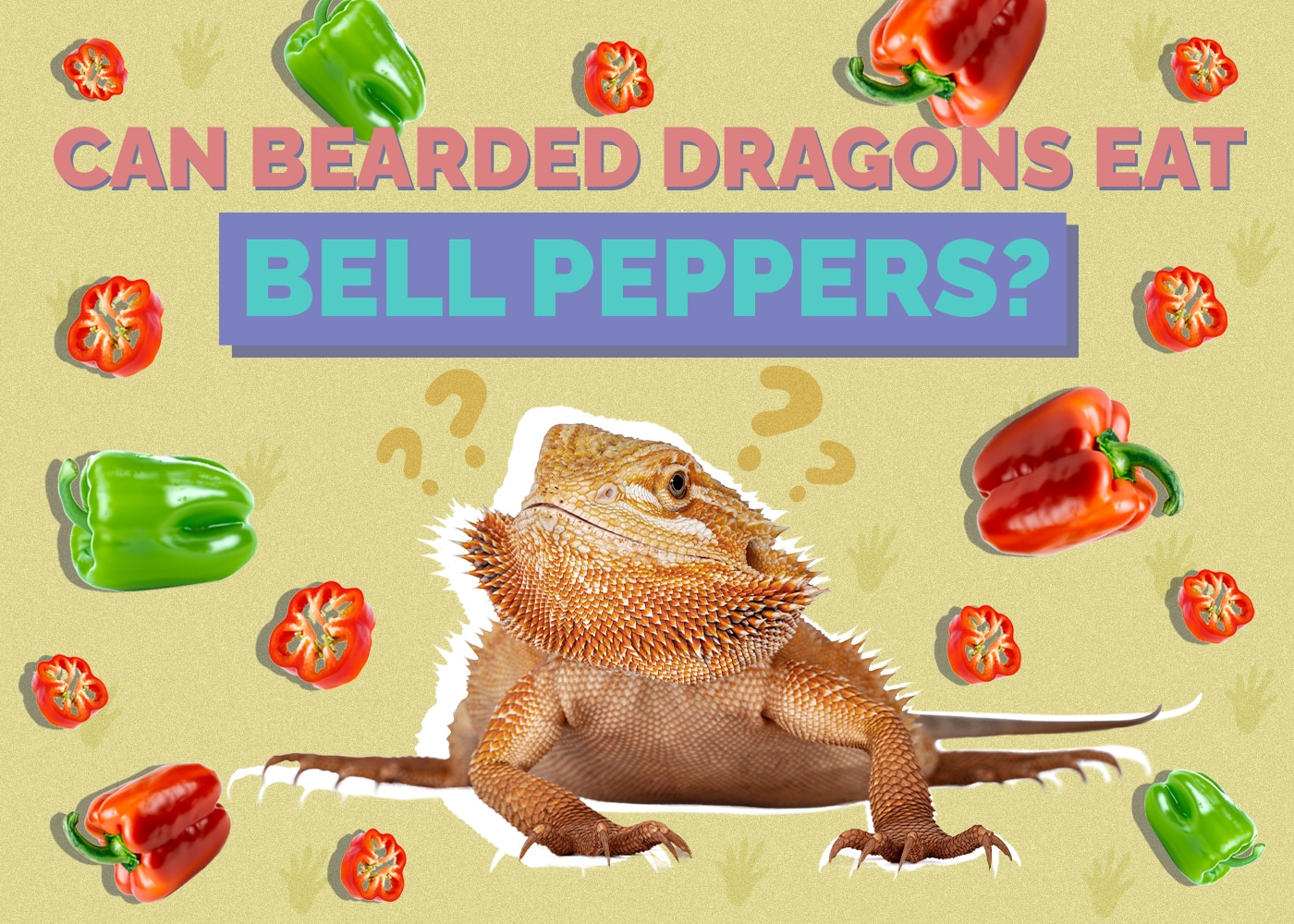
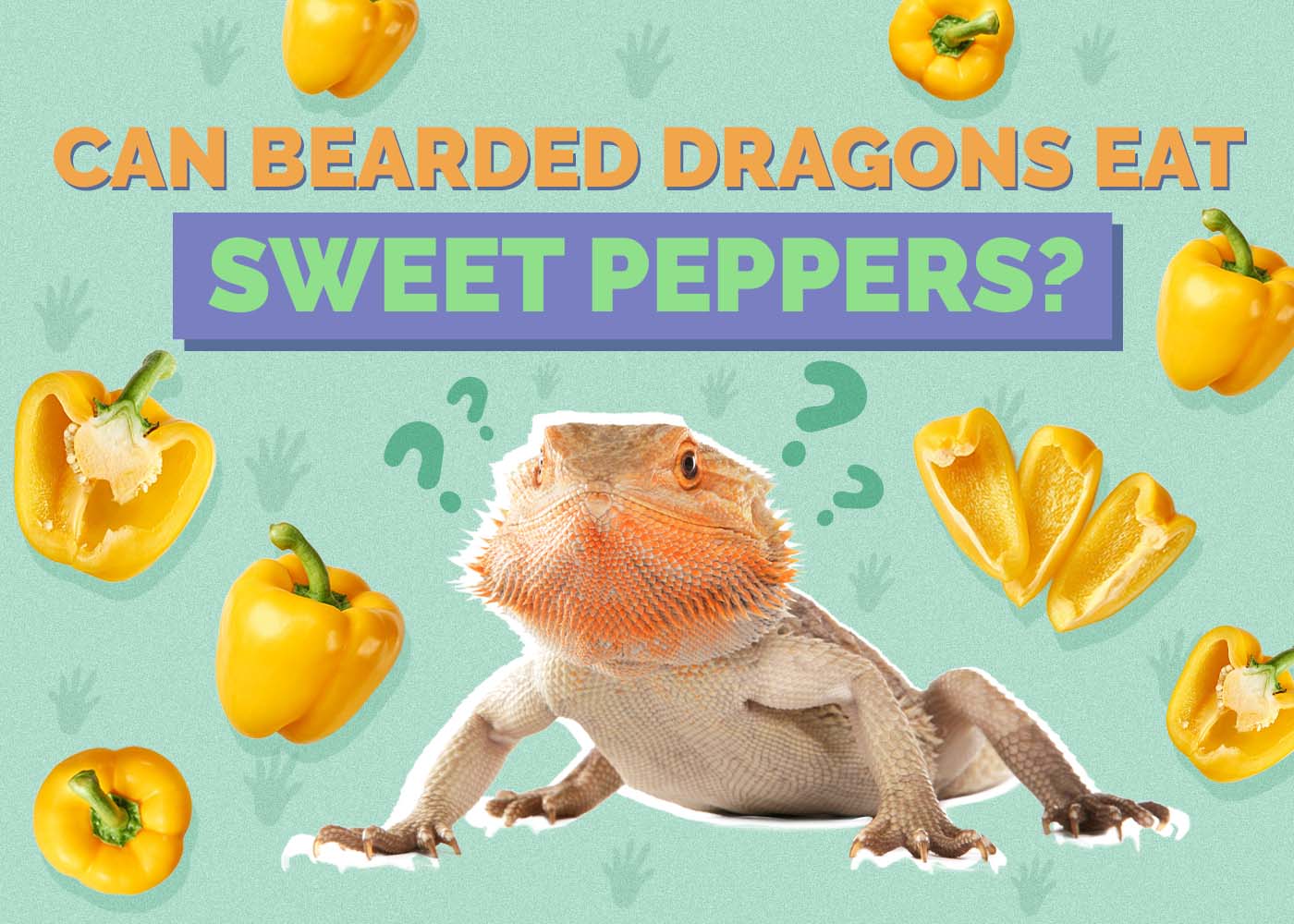
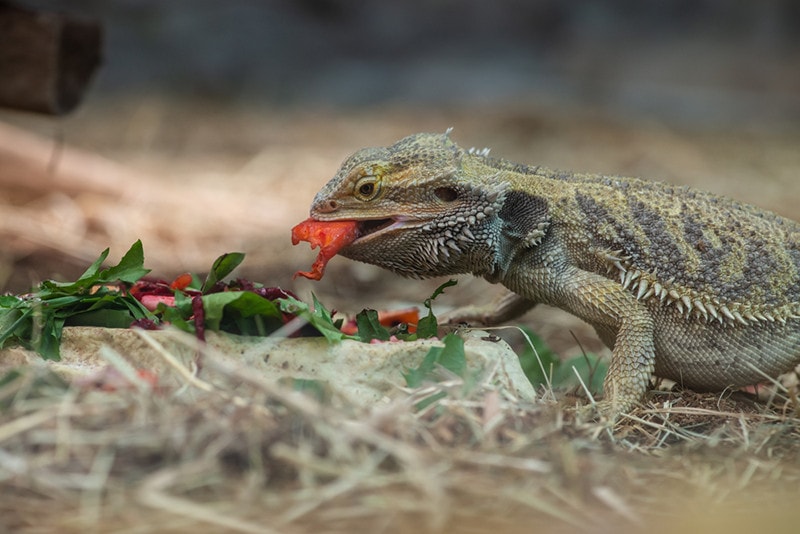
For the ardent reptile aficionados wondering if bearded dragons can eat sweet peppers, the answer is yes, but with a caveat. Bearded dragons, fondly known as beardies, can indeed consume sweet peppers, but the servings should be kept minimal. This tasty beardie treat is best offered maybe once or twice per month.
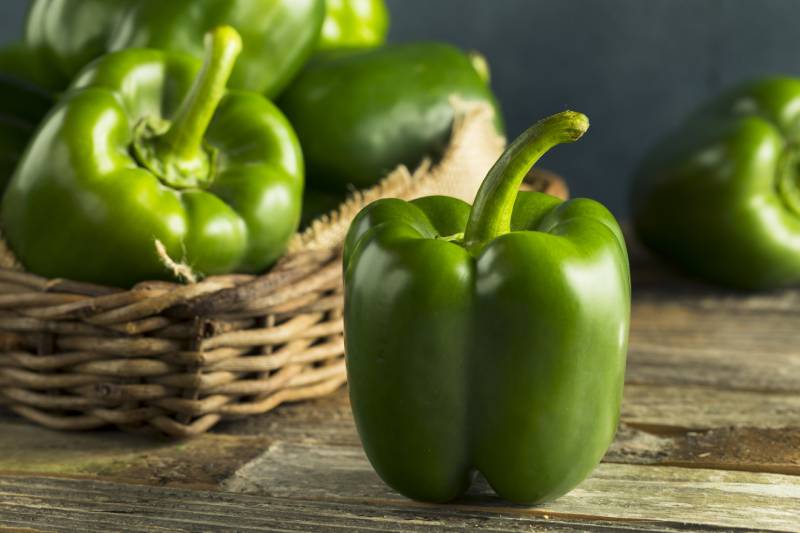
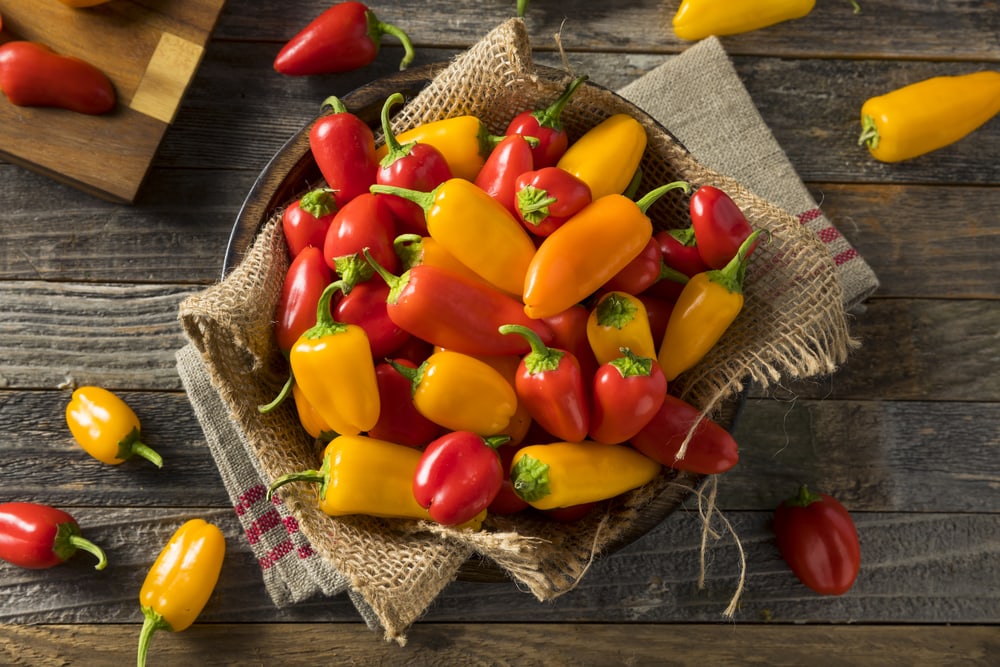
Sweet peppers, also referred to as bell peppers, carry a high concentration of oxalates 1, which can pose certain health risks if consumed excessively. Although all bell peppers are relatively safe for healthy beardies, green and yellow bell peppers are purportedly preferred over red ones for their nutritional profile.

Nutritional Composition of Bell Peppers
Understanding the nutritional profile of bell peppers helps in determining their suitability for your beardie's diet. Here is a snapshot of what 100 grams of raw green bell peppers contain:
| Calories: | 20 Cal |
| Water Content: | 93.89 grams |
| Carbohydrates: | 4.64 grams |
| Sugars: | 2.4 grams |
| Fat: | 0.17 grams |
| Proteins: | 0.86 grams |
| Calcium: | 10 milligrams |
| Phosphorus: | 20 milligrams |
| Sodium: | 3 milligrams |
| Vitamin A: | 370 International Units (IU) |
| Vitamin C: | 80.4 milligrams |
| Oxalates: | 117 milligrams |
A comparison of the nutritional values reveals that all bell peppers share a similar nutritional composition. However, red peppers significantly stand out due to their higher vitamin A content.
Focus Areas: Vitamin A and Oxalates
When feeding bell peppers to bearded dragons, two key nutrients to be mindful of are vitamin A and oxalates.
Vitamin A
Green and yellow bell peppers contain relatively safe levels of vitamin A (200–370 IU), while red bell peppers have a substantially higher content (3,131 IU). However, this should not cause undue concern unless you are supplementing your beardie's diet with vitamin A retinoids.
Most reptile supplements use beta-carotene, a natural form of vitamin A found in bell peppers. The body excretes any surplus beta-carotene through urine. Contrastingly, human supplements often contain retinoids, a synthetic form of vitamin A that the body has to absorb. This could lead to vitamin A toxicity if combined with high-vitamin-A foods like red bell peppers.
High Oxalates
Oxalates bind with calcium, hindering its absorption. Regularly feeding your beardie foods high in oxalates could potentially deplete their calcium levels. Given that 100 grams of bell peppers contain over 100 milligrams of oxalates, which is considered high, it's best to limit the pepper portion!
Understanding the Calcium-to-Phosphorus Ratio
Green and yellow bell peppers contain twice as much phosphorus as calcium, while red bell peppers contain three times more phosphorus than calcium. This is not ideal, as phosphorus impedes calcium absorption. One way to counterbalance this is to serve bell peppers alongside calcium-rich foods.
Serving Bell Peppers to Bearded Dragons
Preparing and serving bell peppers to bearded dragons is a straightforward process. Remember, due to their high phosphorus and oxalate content, bell peppers should be offered sparingly—once or twice per month, at most.
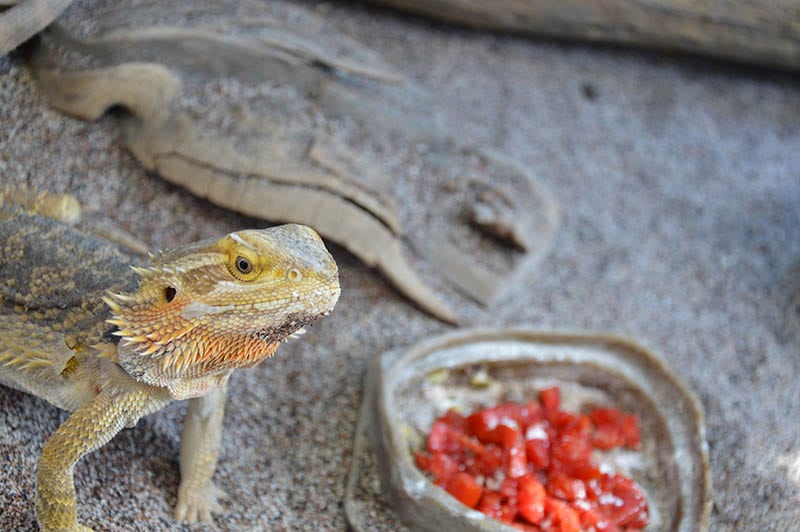
To prepare, remove the top and all seeds from the pepper. Cut it into rings; each ring from a medium-sized pepper weighs approximately 10 grams. Since high oxalate levels pose a concern, limit the serving to 10 grams, or one ring, per feed. Cut the ring into smaller strips, each no larger than the distance between your beardie's eyes. Mix these strips with other high-calcium foods and serve at room temperature to ensure a balanced meal.
Finale
In conclusion, sweet peppers can add a splash of color and variety to your bearded dragon's diet. They're safe to eat but should be given with extreme care, considering their high oxalate content and less-than-ideal calcium-to-phosphorus ratio. Always strive for a balanced diet to keep your scaly friend healthy and happy!
See Also:
Featured Image Credit: terekhov igor, Shutterstock
Get Hepper In Your Inbox


Pet care tips from our vets and experts, straight to your inbox.
You may opt-out at any time. View our Privacy Policy for more information.
Melody Russell is an experienced pet enthusiast with a background in the animal care industry. She has worked at a zoo, served as a dedicated pet sitter, and has a passion for breeding and raising leopard geckos. As a versatile freelance writer, she excels in various genres, crafting captivating stories, informative articles, and engaging social media content. You can find her cat page, TheCommonKitties_, on Instagram, where she shares the adorable antics of her beloved feline companions. With her practical expertise and creative flair, she is eager to contribute her skills in pet care and writing to make a positive impact on the lives of animals.
Join the conversation
Ask a question, share your story, or send private feedback.