Hepper is reader-supported. When you buy via links on our site, we may earn an affiliate commission at no cost to you. Learn more.
Can Cats Drink Pedialyte? Vet Approved Facts & FAQ


In this article
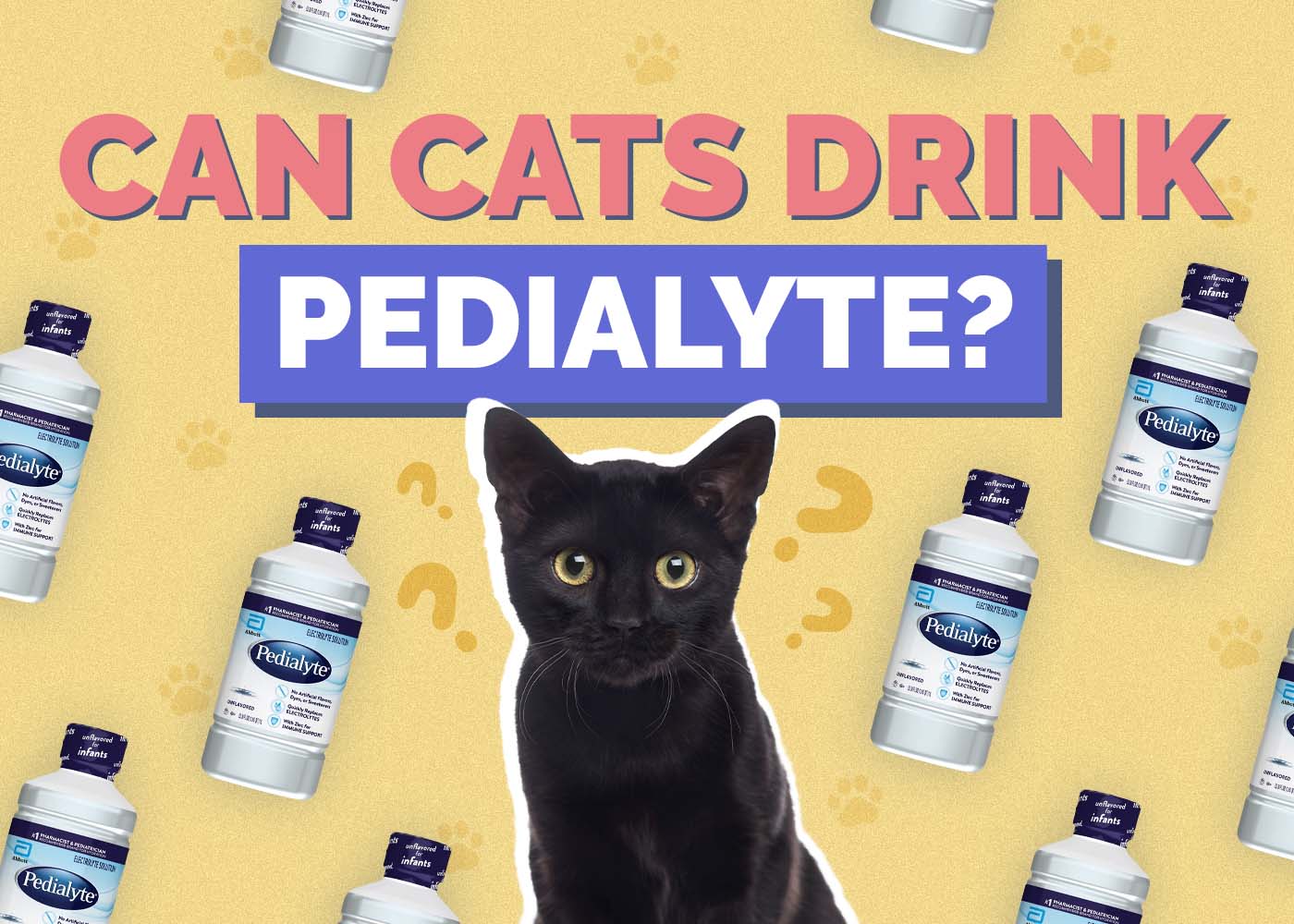
Pedialyte is a common remedy for dehydration—especially in young children—and is simply a solution of water mixed with vital electrolytes. This is perfectly safe and often beneficial for humans, but is it safe for cats?
In general, Pedialyte is perfectly safe for cats, but stick to the unflavored one. If you have a cat or kitten that is refusing to drink water due to illness, Pedialyte can be an effective way of providing them with the essential electrolytes that they may be lacking. It is important to remember, however, that Pedialyte was designed for use in humans, not cats, so there are vital factors to be aware of before giving it to your cat.
In this article, we look at the benefits and risks of giving Pedialyte to your cat, as well as when it is useful and tips on administering it. Let us dive in!

What is Pedialyte and How is it Used?
Pedialyte is the brand name of a common electrolyte solution marketed for children but is often given to adults too. It is used to replace fluids and minerals such as sodium and potassium that are lost during vomiting or diarrhea caused by illness, which can otherwise result in mild dehydration.
In a state of mild or even severe dehydration, the body needs more than just water and requires vital electrolytes and minerals too. Pedialyte or similar products can help speed the hydration process up significantly. It also helps the body absorb moisture more efficiently and prevent further dehydration. These electrolytes play an essential role in muscle and nerve function. When your cat is dehydrated, their body will go into survival mode and draw fluids out of their cells, resulting in a rapid loss of electrolytes that need to be replaced quickly.
Pedialyte is also a common alternative to sports drinks among athletes because it contains less sugar than popular sports drinks. It is most often used in an oral, liquid form but also comes in powdered varieties and many different flavors. When using it for your cat, you’ll want to use a form with no flavoring and no artificial sweeteners.
Dehydration In Cats
There are many reasons that your cat could become dehydrated, including serious illnesses like kidney disease or diabetes. Diabetes is especially problematic in cats and can easily cause dehydration, as high levels of glucose in their system can cause excess urination and dilute urine.
For mild cases of dehydration, Pedialyte can be a great home remedy and quickly help your cat or kitten replenish vital electrolytes, but in more severe cases, it’s definitely recommended to seek out a veterinarian.
Vomiting and diarrhea caused by illness can also cause dehydration, and Pedialyte may be sufficient to help restore their mineral balance. A high fever or hot weather can also cause mild dehydration, in which Pedialyte can also be of help.
Is My Cat Dehydrated?
Unfortunately, it can be difficult to diagnose dehydration in cats, but if they are vomiting or have diarrhea, they can benefit from small amounts of Pedialyte. A quick and simple test for dehydration is to grab your cat's neck skin between their shoulders and gently pull it up and then release it. Their skin should go back to normal quickly and easily, but if it doesn’t, they are likely mildly dehydrated. Also, check their gums, which should be moist to the touch and if pressed gently, should go back to their normal pink color immediately.
Other symptoms of dehydration include:
Is Pedialyte Safe for Cats?
In general, Pedialyte is perfectly safe for cats and can be a great help if they are dehydrated. However, there are various forms of Pedialyte available, and some are not suitable for animals. Unflavored, unsweetened Pedialyte is the best option, and you should avoid flavored varieties at all costs. Also, some Pedialyte comes formulated with added zinc, and while zinc is an essential mineral for a healthy cat, too much can be toxic. This is highly unlikely to be a problem with Pedialyte, but it’s important to be aware of it, nonetheless.
How To Administer Pedialyte
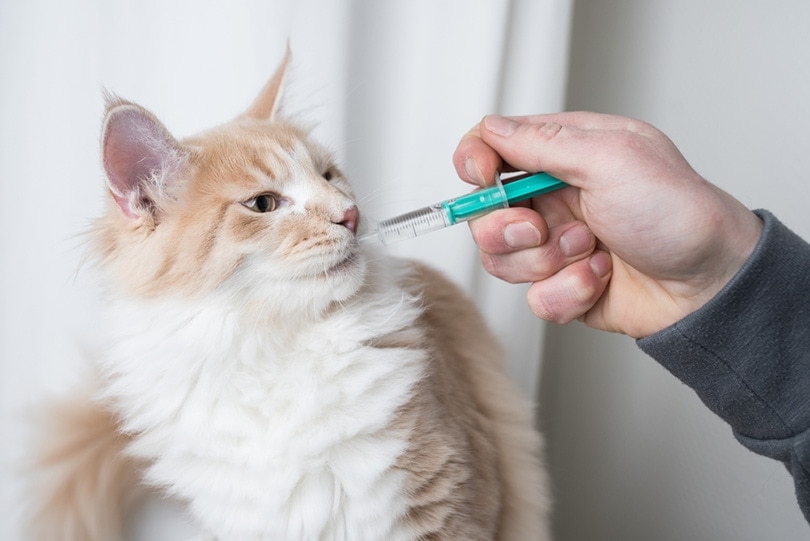
There is little risk of overdosing with Pedialyte, but a few drops every 10–20 minutes is enough. A small syringe is the easiest method, as you’ll then be sure that your cat is drinking it all. In general, around 3 milliliters per pound of body weight, up to three times per day, is a good rule of thumb. This doesn’t need to be given all in one dose, and it is probably more beneficial to give it out in smaller amounts every 10-20 minutes. You can also add Pedialyte to their food, but if they are sick, they will unlikely be eating, anyway.
Final Thoughts
Pedialyte is safe for cats and can be hugely beneficial in cases of mild dehydration. Pedialyte is non-toxic and will cause no harm to your feline, but you should avoid giving them flavored varieties and remember that moderation is key. Just to be safe, we advise administering Pedialyte only during times of mild dehydration, not on a regular basis. Also, remember that dehydration can be a serious issue, and you should always consult a vet to make sure your cat is not in any danger.
Looking for more information on what your cats can drink? Try our articles on:
Get Hepper In Your Inbox


Pet care tips from our vets and experts, straight to your inbox.
You may opt-out at any time. View our Privacy Policy for more information.
Nicole is a lover of animals of all sizes but is especially fascinated with the feline variety. She’s the proud mom of Baby, a Burmese, and works every day so he can relax in the sunshine or by the fire. She’s always had a cat in her home and has spent countless days with others, observing behaviors and softening up even the grouchiest of the lot. Nicole wants to share her kitty expertise with you so you and your cat can live happy, healthy, and care-free.
Join the conversation
Ask a question, share your story, or send private feedback.