Hepper is reader-supported. When you buy via links on our site, we may earn an affiliate commission at no cost to you. Learn more.
Can Cats Drink Wine? Our Vet Explains

In this article
Wine is an alcoholic drink that like beer or cider, should never be intentionally given to your pets. However, a curious dog or cat may get attracted by the smell and decide to have a taste or even two or three licks from your unattended glass. If this has happened to you, you may be wondering whether wine is safe for felines.
No, cats should not drink wine at all. It is toxic to them and its consumption can have several detrimental effects and even cause death. The effect that it has will depend on the amount that your cat drank, the alcohol content of that particular wine, and your individual cat’s size, weight, age, and health situation. Alcohol poisoning can occur when your cat drinks as little as a teaspoon, so it is something not to take lightly.
In this article, we’ll look at the effects that wine can have on your feline and the steps to take if they sneak a few sips from your glass. Let’s get started!

Is Wine Toxic for Cats?
Yes, alcohol is toxic to cats. They don’t metabolize it in the same way that we do, and it can cause severe neurological, digestive, and metabolic damage even in very small amounts. Care should be taken when your cat is around any alcoholic beverage since all of them are toxic to felines.
Signs of Wine Toxicity in Cats
The signs of wine toxicity in your cat depend on how much they drank, the alcohol content of the particular wine, and their unique metabolism. There is no safe dose of alcohol in pets, and any ingestion must be considered dangerous. Toxicity is normally seen within 30 minutes of ingestion but could be even faster.
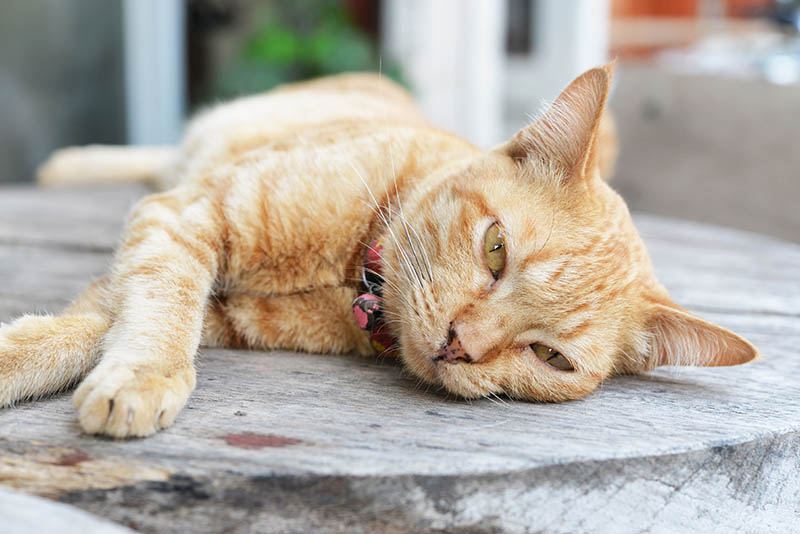
The signs may be worse depending on your cat and how much wine they ingested. Alcohol toxicity signs include:
These signs can present themselves as soon as 15 minutes after ingestion. If you suspect that your cat has had a few sips of your glass of evening wine or if they display any of these signs, take them to a vet immediately.
The severity of the signs will also depend on the strength of the wine, but even 1 teaspoon is enough to cause mild toxicity in cats, and 2 or 3 teaspoons can easily result in more serious side effects. Also, like humans, whether your cat has recently eaten will make a big difference in the severity of their signs, as an empty stomach is far more dangerous.
Treatment of Alcohol Toxicity in Cats
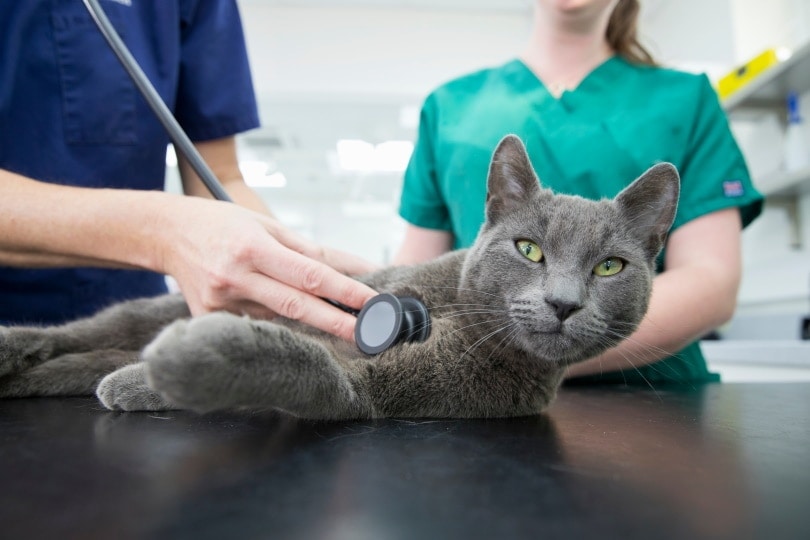
If you witness your cat licking up wine, you should get them away from the glass or bottle and contact your vet immediately. Your vet will assess your cat and decide if they need to be hospitalized to receive treatment and be monitored. Your cat will receive treatment depending on their toxicity signs. Your vet may administer intravenous fluids, anti-nausea medication, and oxygen if necessary, but it will largely depend on how much they consume.
What Is “Cat Wine?”
There is controversy over the new invention of cat and dog wine, and you might be wondering whether it’s safe for your feline. Cat wine is made in several different ways, but it’s typically made using catnip, with beet juice as the base, and it is alcohol-free. Although all the ingredients used in these wines are non-toxic, they often contain sugars from fruits, which are not ideal to give your cat regularly.
It is ultimately up to you whether you want to have your cat try one of these wines, but we advise sticking to clean, fresh water to quench their thirst.

Final Thoughts
Giving wine to your cat is not a good idea. Cats should never be offered wine or any alcoholic beverage because alcohol poisoning can result in death in severe cases. Luckily, most cats will simply not enjoy the smell or taste of wine and avoid drinking it, anyway, but if your feline shows any interest in your evening Merlot, it is vital to keep it out of their reach.
Now that you know about wine, check out if your cat can have Pedialyte or goat milk.
Featured Image Credit: Pixabay
Get Hepper In Your Inbox


Pet care tips from our vets and experts, straight to your inbox.
You may opt-out at any time. View our Privacy Policy for more information.
Marta has been a veterinarian for over sixteen years working across the UK and Spain and as a remote veterinary consultant. She has wide experience in small animal internal medicine and surgery with a soft spot for cats.
Her main fields of interest are ophthalmology and critical care medicine enjoying every single aspect of animal’s care, and she is a member of the Royal College of Veterinary Surgeons. Marta enjoys sharing the most helpful information with pet parents across the world about every aspect of their life with their beloved ones.
As one of our in-house veterinarians, Marta enjoys sharing the most helpful information with pet parents across the world about every aspect of their life with their beloved ones. She loves knowing that she can support our readers and communicate about any medical topic that might be relevant to your pet’s health and well-being.
Education
Marta graduated from Cardenal Herrera-CEU University in Valencia, Spain. She holds two Ophthalmology Certificates, GPCert Ophthal from ESVPS and UAB.
Experience
Marta has been a veterinarian for over sixteen years working across the UK and Spain and as a remote veterinary consultant. She has wide experience in small animal internal medicine and surgery with a soft spot for cats. Her main fields of interest are ophthalmology and critical care medicine enjoying every single aspect of animal’s care. Marta is a member of the Royal College of Veterinary Surgeons.
Join the conversation
Ask a question, share your story, or send private feedback.