Hepper is reader-supported. When you buy via links on our site, we may earn an affiliate commission at no cost to you. Learn more.
Can Cats Eat Graham Crackers? Vet Approved Facts & Tips


In this article
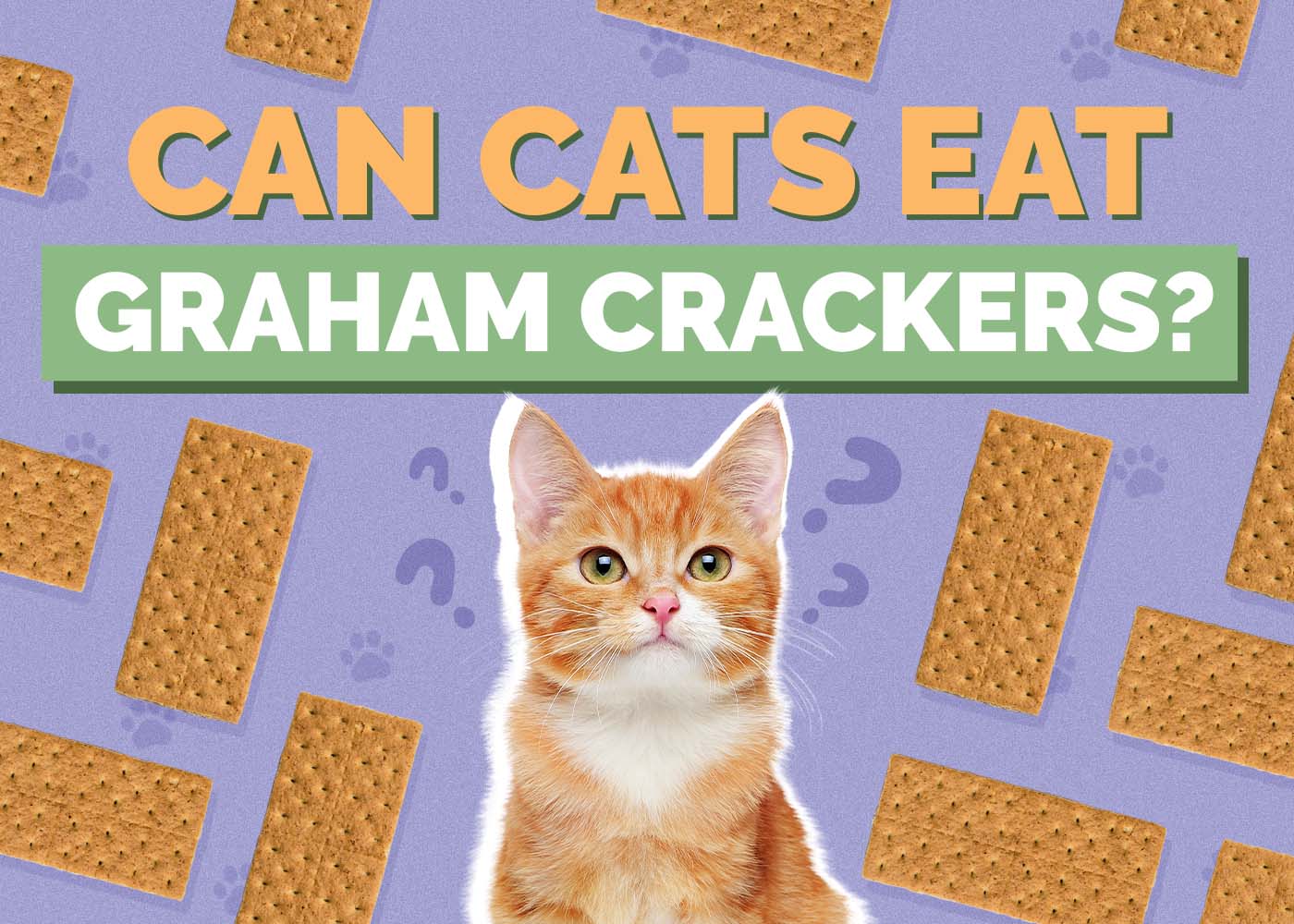
So, you’re sitting around eating a few graham crackers for a snack. Suddenly, you see your feline companion acting curious about what you’re eating. They stare at you intensely, asking with desire in their eyes for a little nibble, but should you let them eat a graham cracker? Can cats eat graham crackers safely? While graham crackers are non-toxic to cats, they shouldn’t eat more than a small piece of these sweet crackers. However, if you’re eating chocolate graham crackers, do not give any to your cat due to their toxicity.
Read on to learn more about graham crackers and if they serve nutritional benefits for your kitty.

What Are Graham Crackers Made Of?
Most graham crackers on the market are made in part from honey and cinnamon, and both are classified as non-toxic to cats according to the ASPCA, but they could pose a health risk if ingested in large amounts, including diarrhea and vomiting.
Typically, additional ingredients in graham crackers are enriched wheat flour, whole grain wheat flour, canola oil, sugar, baking soda, and salt. These crackers are sweet, and your cat may have no interest in trying one because cats cannot taste sweet. Cats are obligate carnivores, so if your cat shows interest in something sweet, it’s more likely that something else in the food is grabbing their attention, other than the sweet ingredients.
Does Honey Offer Nutritional Benefits to Cats?
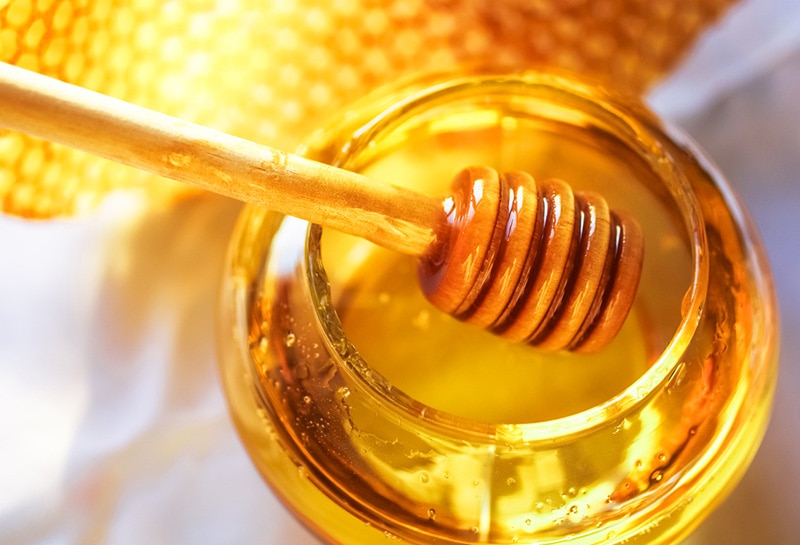
Honey is almost always an ingredient in graham crackers, and it’s not an ingredient cats should eat, even though it’s non-toxic. It’s fine if your cat has a lick of honey, or in this case, a little graham cracker from time to time, but too much honey can pose health problems for your cat. Raw honey is high in glucose and fructose, and a cat’s digestive system is not equipped to handle the sticky substance in any substantial quantities.
How Often Can I Give My Cat a Graham Cracker?
It’s safe to let your cat have about half of a graham cracker per week, as long as it’s not the chocolate kind, as chocolate is toxic to cats and should be avoided. Graham crackers do not offer nutritional benefits to your cat, and there is no reason to feed them too often due to the possibility of obesity or even developing diabetes. Graham crackers have lots of sugar and carb content, and neither offers nutritional value. Cats require a diet high in protein, moderate fat content, and low in carbs for optimum health.
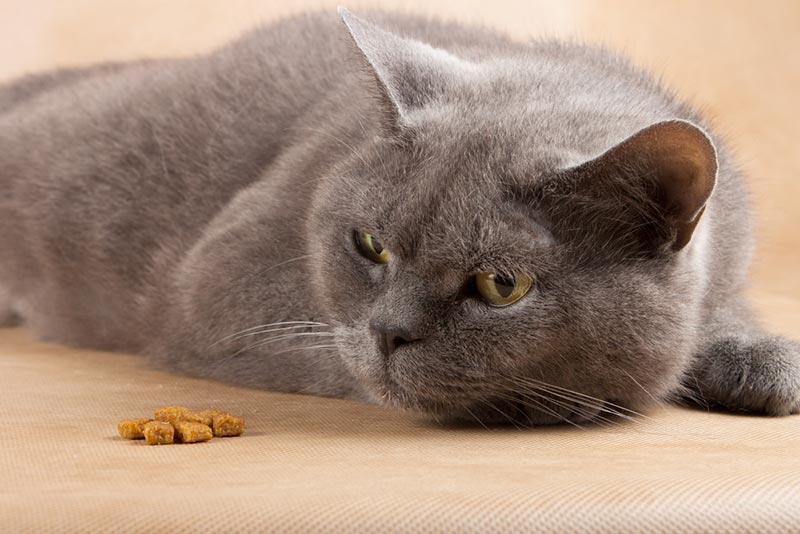
What Is an Ideal Diet for a Cat?
As mentioned, cats are obligate carnivores and require a protein-rich diet. When it comes to feeding your cat, it’s best to select high-quality cat food without artificial preservatives, flavors, or fillers. High-quality commercial cat food contains all the necessary daily nutrients and comes in both dry and wet forms. Discuss the ideal diet selection with your cat’s veterinarian, to ensure that the brands and type of food, as well as the feeding patterns, are appropriate for your cat.

Final Thoughts
If you have a cat interested in graham crackers, it’s OK to offer them a small bite as long as it is not the chocolate kind. Remember that chocolate is toxic to cats and should always be avoided. Most cats may not care for trying a graham cracker and should get their daily nutrition through their normal diet.
See also:
Sources
Featured Image Credit: Brent Hofacker, Shutterstock
Get Hepper In Your Inbox


Pet care tips from our vets and experts, straight to your inbox.
You may opt-out at any time. View our Privacy Policy for more information.
Rachel Giordano is a writer and musician out of Pensacola, Florida, living there with her partner and their two dogs, Aero, a Border Collie/Sheltie mix, and Sophie, a Boston Terrier. Rachel has a Bachelor of Arts degree in communication and enjoys writing about all types of animals. When Rachel’s not dedicating her time to writing about animals, she enjoys writing thriller/suspense novels. A writer by day and a musician by night, she's passionate about educating the public about the requirements and needs of all types of animals.
Join the conversation
Ask a question, share your story, or send private feedback.