Hepper is reader-supported. When you buy via links on our site, we may earn an affiliate commission at no cost to you. Learn more.
Can Cats Eat Roses? Important Care Facts


In this article
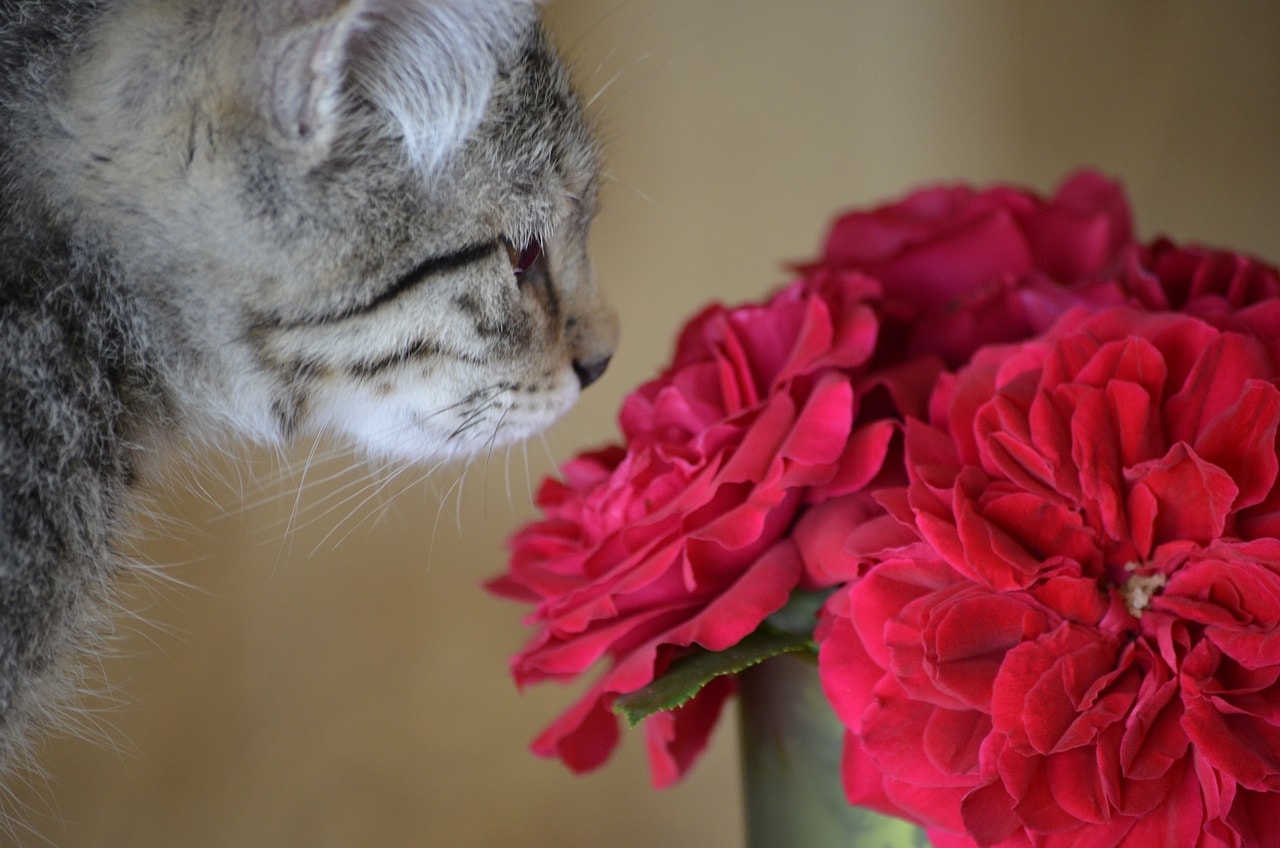
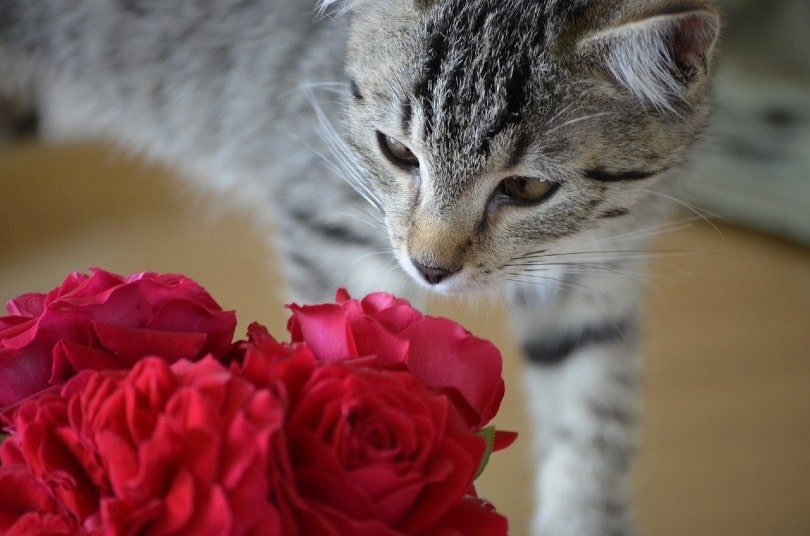
Cats are curious creatures with a nasty tendency to make a snack out of anything they can get their teeth on. The good news is that roses are not inherently toxic to cats. The stem, leaves, and petals are safe if your cat nibbles on them if the roses are dethorned.
However, just because roses are non-toxic doesn’t mean that cats should be eating them. They don’t provide any nutrition for cats and shouldn’t be a food source. Here’s a quick guide on what your cat can eat safely.

What Do Cats Eat?
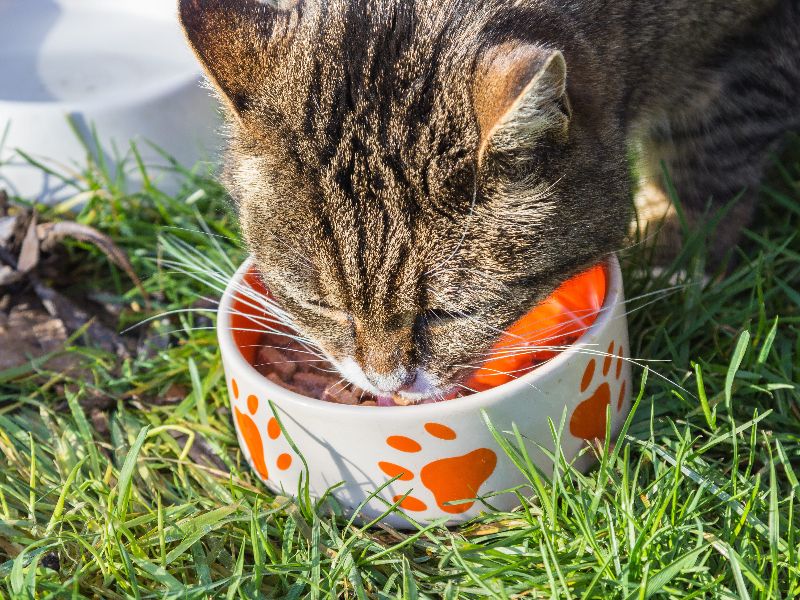
Cats are classified as obligate carnivores, sometimes called “hypercarnivores.” This means that their diet must consist mostly of animal-based proteins in order to survive and that their biological mechanisms are optimized to fully digest and derive nutrients from animal sources. Plant matter is not processed in the same way as we do. Generally speaking, it isn’t toxic to them, but they don’t derive the same nutritional value that omnivorous or herbivorous animals get.
Cats require a diet of at least 70% animal proteins to thrive. In the wild, cats hunt other animals and eat them. They rarely leave much of a carcass since they eat everything, including the bones and the stomach contents of their prey. This is where cats get the brunt of their nutrition, and their bodies are designed to break down animal proteins and turn them into the essential nutrients they need to function.
However, some plant material is healthy for cats to have. Animal proteins are a notoriously low source of fiber, something that plant material tends to be packed with. The extra roughage and fiber can be helpful if your cat has digestive issues or obstructions like hairballs.
Can Cats Eat Roses? Non-Toxic vs. Nutritious
Just because a food is non-toxic doesn’t mean it’s nutritious. While humans tend to eat a lot of food that can only very loosely be considered food, most other animals seek only to eat genuinely nutritious foods.
A substance being “non-toxic” means that its ingestion won’t cause poisonous effects. Certain toxic substances, colloquially known as poisons, can cause death in even small amounts. Something labeled “non-toxic,” such as markers, won’t cause toxicity if ingested accidentally. This doesn’t mean that it’s food.
Roses are non-toxic for cats, but they aren’t especially nutritious, so you shouldn’t let your cats snack on them instead of eating their regular foods.
How Do I Know What Plants Are Toxic for Cats?
The ASPCA has a comprehensive, though not exhaustive, list of plants that are toxic and non-toxic for cats, dogs, and horses. These lists include mildly toxic plants as well as those that are lethal.
If your cat has ingested an unknown plant, your best bet is to contact your veterinarian. They will be able to guide you on the proper steps to ensure that your cat comes out the other side as healthy as they started.

What Other Plants Are Safe for Cats?
The good news for any pet parent looking to beautify their homes is that roses are just one of many plants that are non-toxic and safe to have around your cats. Try out these non-toxic and even healthy plants if roses aren't enough!
1. Catnip
Indulging our cats in catnip is a national pastime for cat owners everywhere. While most cat owners are familiar with the dried herb you can buy in canisters at pet stores; cats can also eat catnip directly from the plant.
2. Cat Grass
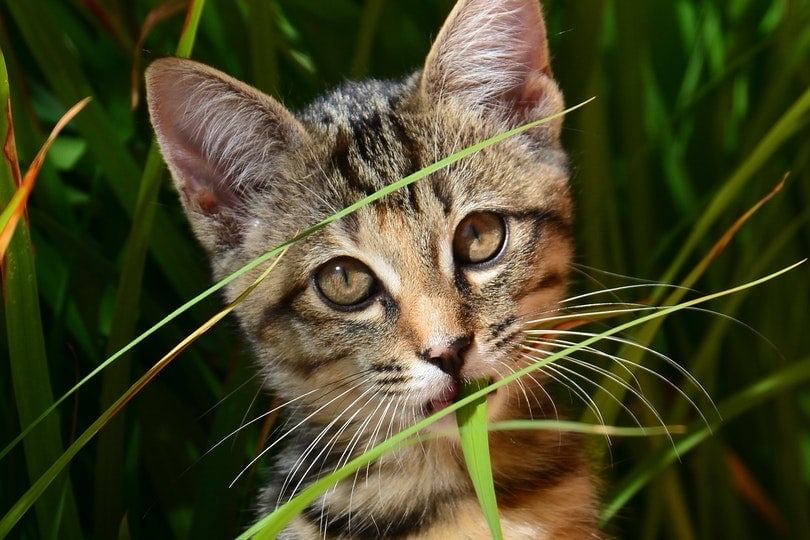
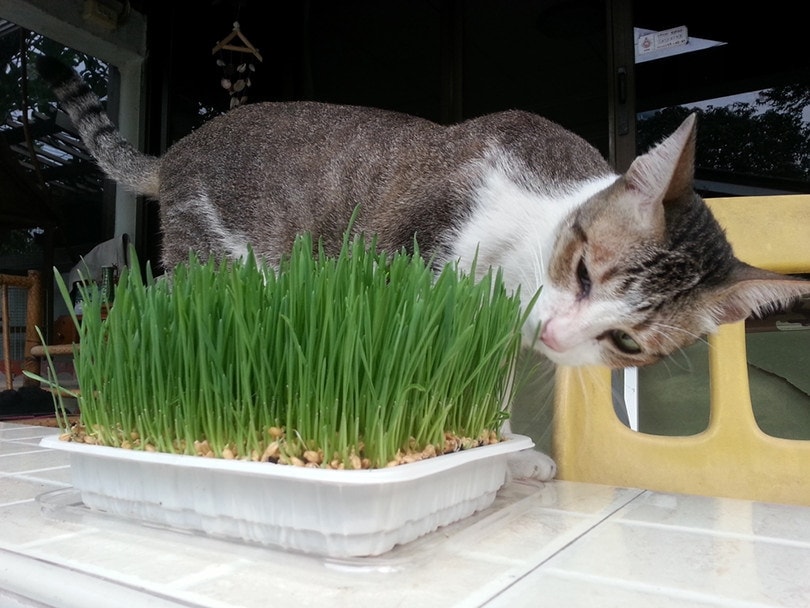
Cat grass has become a standard fixture in pet stores worldwide. Cat grass is a mixture of grass seeds, including barley and rye, that cat parents favor for the ease with which they can be grown.
Cat grass can provide a healthy snack with various nutritional benefits like fiber and roughage.
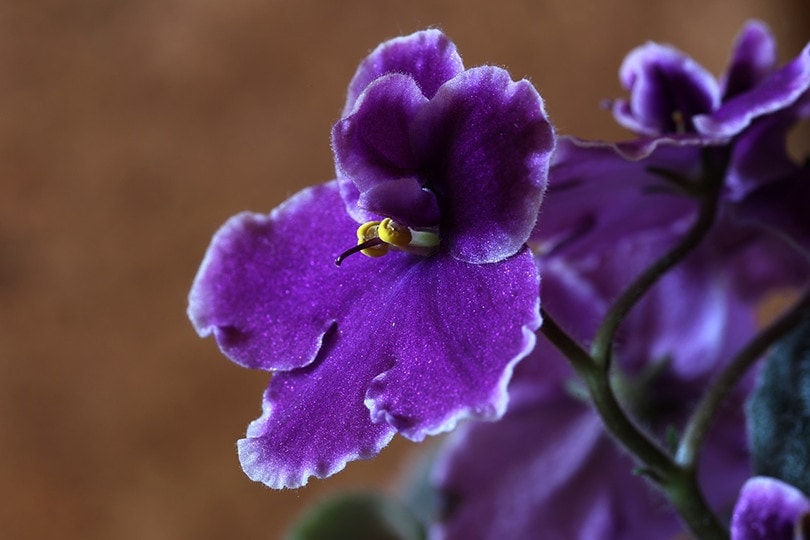
3. African Violet
These lovely plants can add a bit of color to any room, and they are non-toxic. Your furry feline can nibble at them safely. However, because of the small size of the African violet, your cat can knock them over easily, leaving a mess for you to clean up!
4. Spider Plant
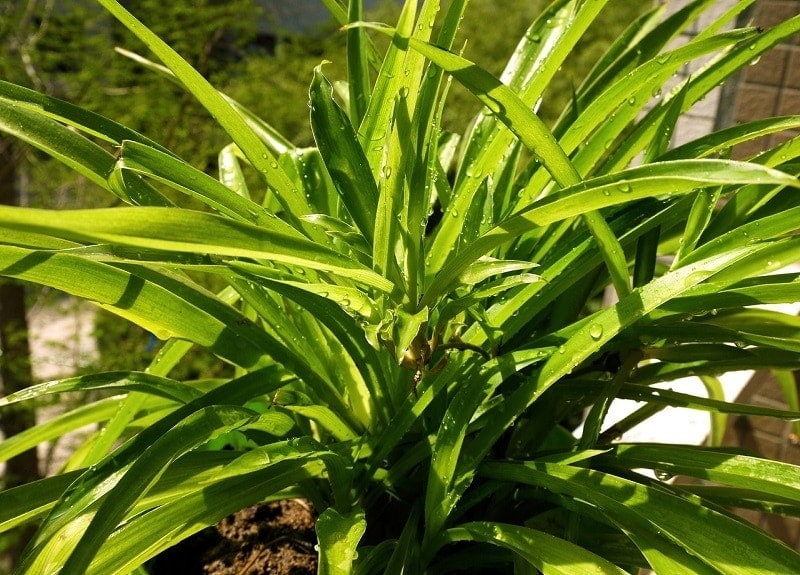
Spider plants are another great plant to get if you want to beautify your home with plants. Cats will love to bat the spider plant’s dangly leaves around, and it’s okay if the leaves find their way into your cat’s stomach. Spider plants are another plant that can make your cat’s stomach upset if they eat too much. So, keep an eye on what your cat is eating to ensure they don’t overindulge on your spider plants.
Final Thoughts
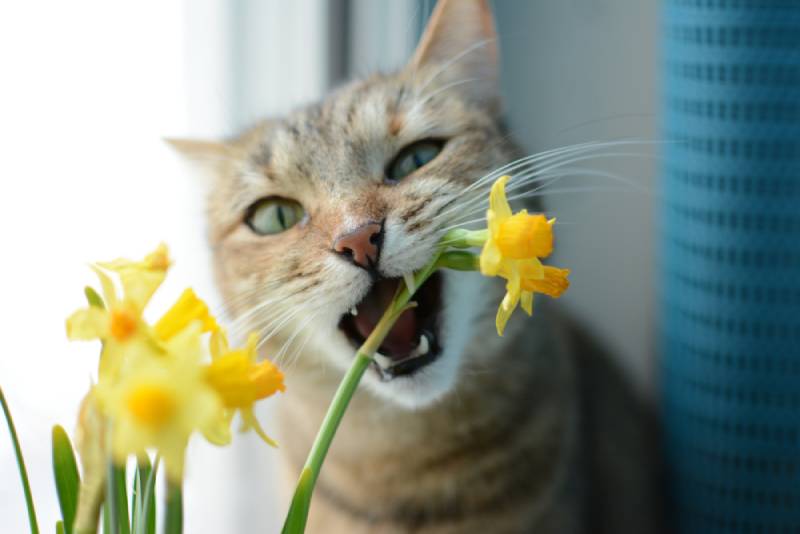
Even though they’re obligate carnivores, cats love to play with and snack on plants. Roses are non-toxic and safe for cats to nibble on them even if they aren’t nutritious.
There are plenty of plants that your cats can safely snack on if they have a desire to increase the roughage in their diets. Speak to your vet about your cat’s specific needs since there are many safe options that cats can consume and have potential health benefits for them!
Featured Image Credit: katrinzita84, Pixabay
Get Hepper In Your Inbox


Pet care tips from our vets and experts, straight to your inbox.
You may opt-out at any time. View our Privacy Policy for more information.
Luxifa is a freelance writer with a passion for animal science and technology. She loves to share the world of animal science with people to help them make informed decisions for themselves and their pets. Luxifa has worked in professional pet care for over six years and realised she could help change the world of pet care by bringing the information people needed to them in terms they could understand. Knowledge is power and she loves to help everyone become the most informed they can be.
Join the conversation
Ask a question, share your story, or send private feedback.