Hepper is reader-supported. When you buy via links on our site, we may earn an affiliate commission at no cost to you. Learn more.
Can Cats Eat Mums? Vet-Reviewed Facts & Safety Guide


In this article
Whether planted in your garden or cut in a vase on your kitchen counter, flowers are colorful, fragrant, and gorgeous mood-lifters. Unfortunately for cat owners, many of the most popular and common flower varieties aren't safe for our feline friends, given their tendency to munch on the blossoms.
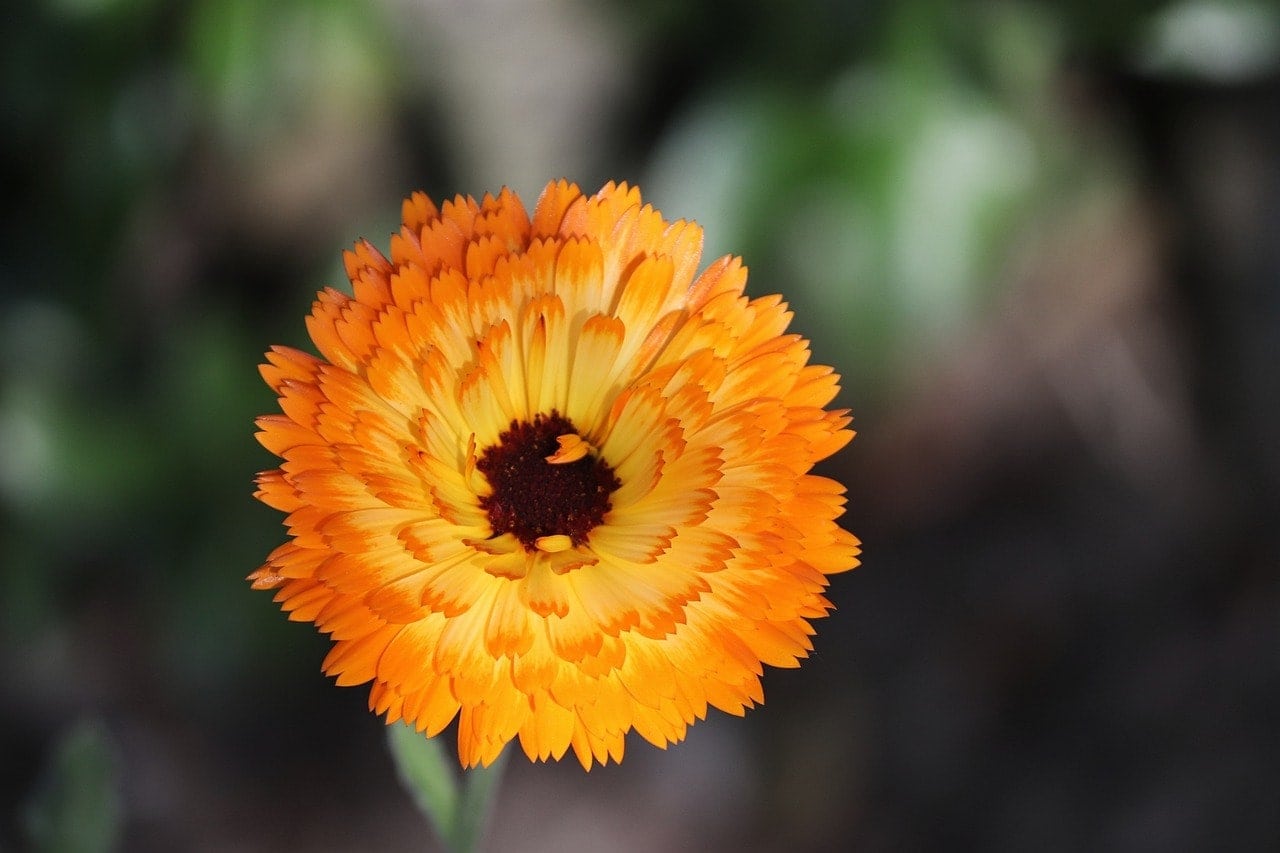
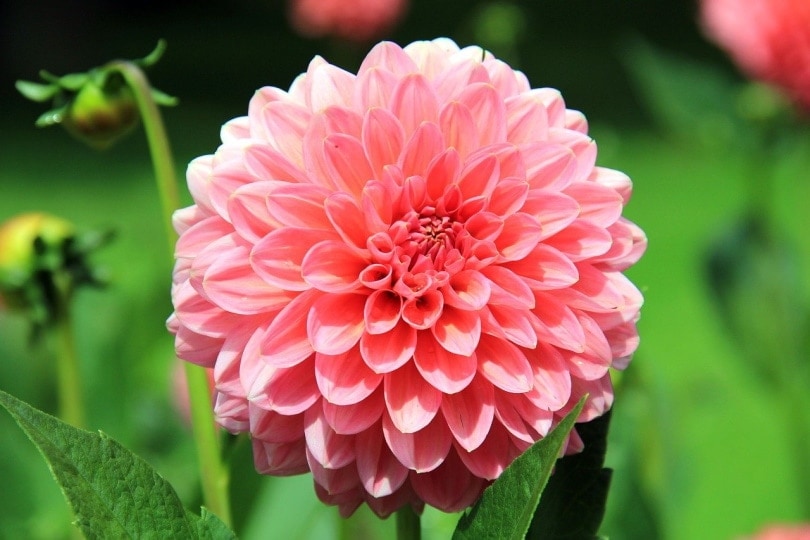
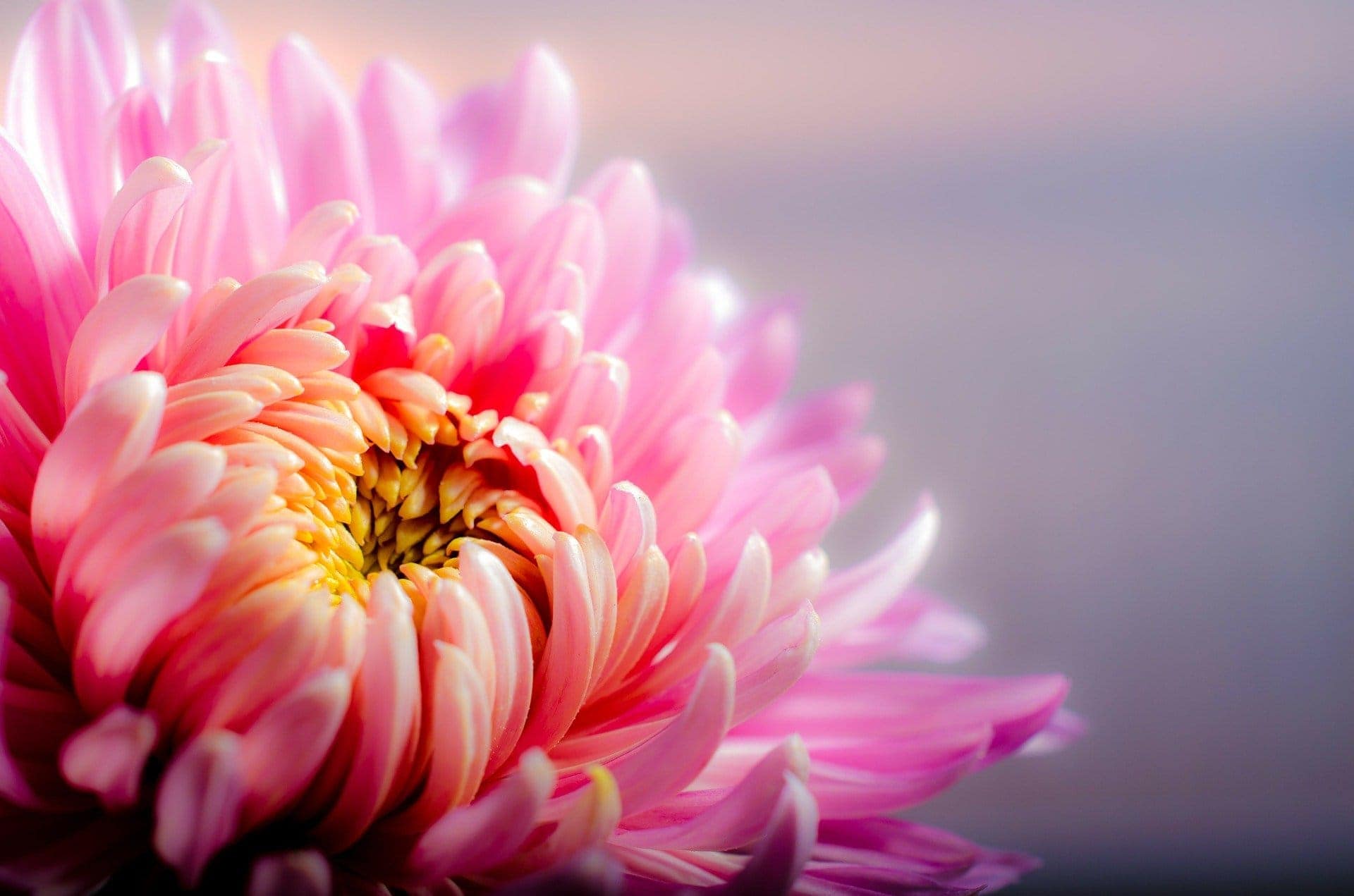
Mums, chrysanthemums, or chrysanths, are commonly found in fall floral arrangements and decor, making it possible your cat will encounter them at some point. But are mums poisonous to cats? Yes, mums are toxic if ingested and you should avoid growing or displaying these flowers if you have a cat.
In this article, we’ll talk more about why mums are toxic to cats and what symptoms you’ll see if your cat is affected. We’ll also suggest some safer flower choices to brighten up your home.

Mums and Cats: A Toxic Mix
The Chrysanthemum genus contains several species of perennial varieties. All of the plants in this family are dangerous to cats if eaten. For any toxic plant, all parts should be considered poisonous, though some may be more potent than others.
The primary toxic substances found in mums are sesquiterpene, lactones and pyrethrins, with some other irritants present as well. Lactones are an irritating chemical compound also found in several other types of flowers.
Pyrethrins are natural insecticides, found in many flea and tick prevention products for dogs. However, cats are extremely sensitive to pyrethrins because they're unable to break them down and eliminate them from their bodies as effectively as dogs.
Eating mums is just one way a cat could suffer pyrethrin poisoning, which can be fatal. Accidental pyrethrin poisoning sometimes occurs when owners accidentally use dog flea products on their cats or cats come into contact with a dog who's been treated with one of them.
Signs of Mum Toxicity
Mums are toxic not only to cats but to dogs and horses as well. Some cats are so sensitive to the substances found in mums that they show skin irritation just from making contact with the flower. Generally, cats are poisoned by chewing on or ingesting mums.
Here are some of the most common symptoms you may notice if your cat is suffering from mum toxicity:
Cats may begin showing symptoms soon after exposure to mums. If you see your cat munching on chrysanthemums or you notice these or other concerning signs, don’t hesitate to contact your veterinarian. Try to bring a sample of the mums your cat may have eaten with you to the vet to make it easier for them to know how to treat your kitty.
The earlier treatment can be started, the more successful it will likely be. There is no antidote for mum poisoning, so your vet may give your cat medications to help slow the poison absorbing into their body, such as activated charcoal. They may also offer supportive care such as intravenous fluids and anti-vomiting medication.
Keeping Your Cat Safe from Mums
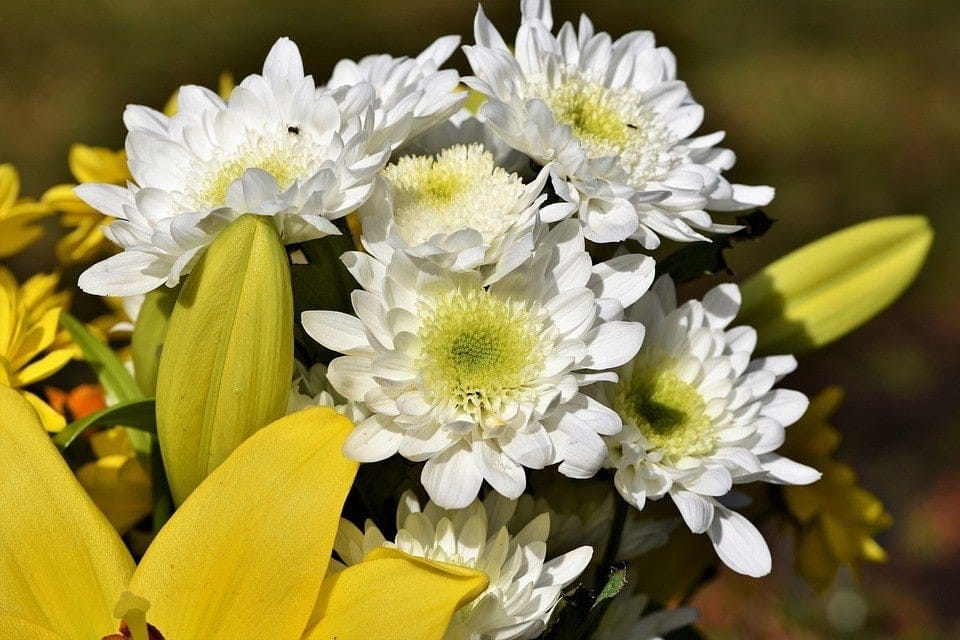
The easiest way to keep your cat from eating mums is not to allow them access to the flowers at all. Learn how to identify the different types of mums, including painted daisies, and double-check any gift bouquets before you bring them home to your cats. If your cat goes outdoors in your yard, avoid planting mums anywhere they have access to or carefully supervise your kitty.
If for whatever reason you need to keep mums in your home, keep the plants in a room or location away from your cat.
The safest option is to pick plants and flowers that are safe for your cat.
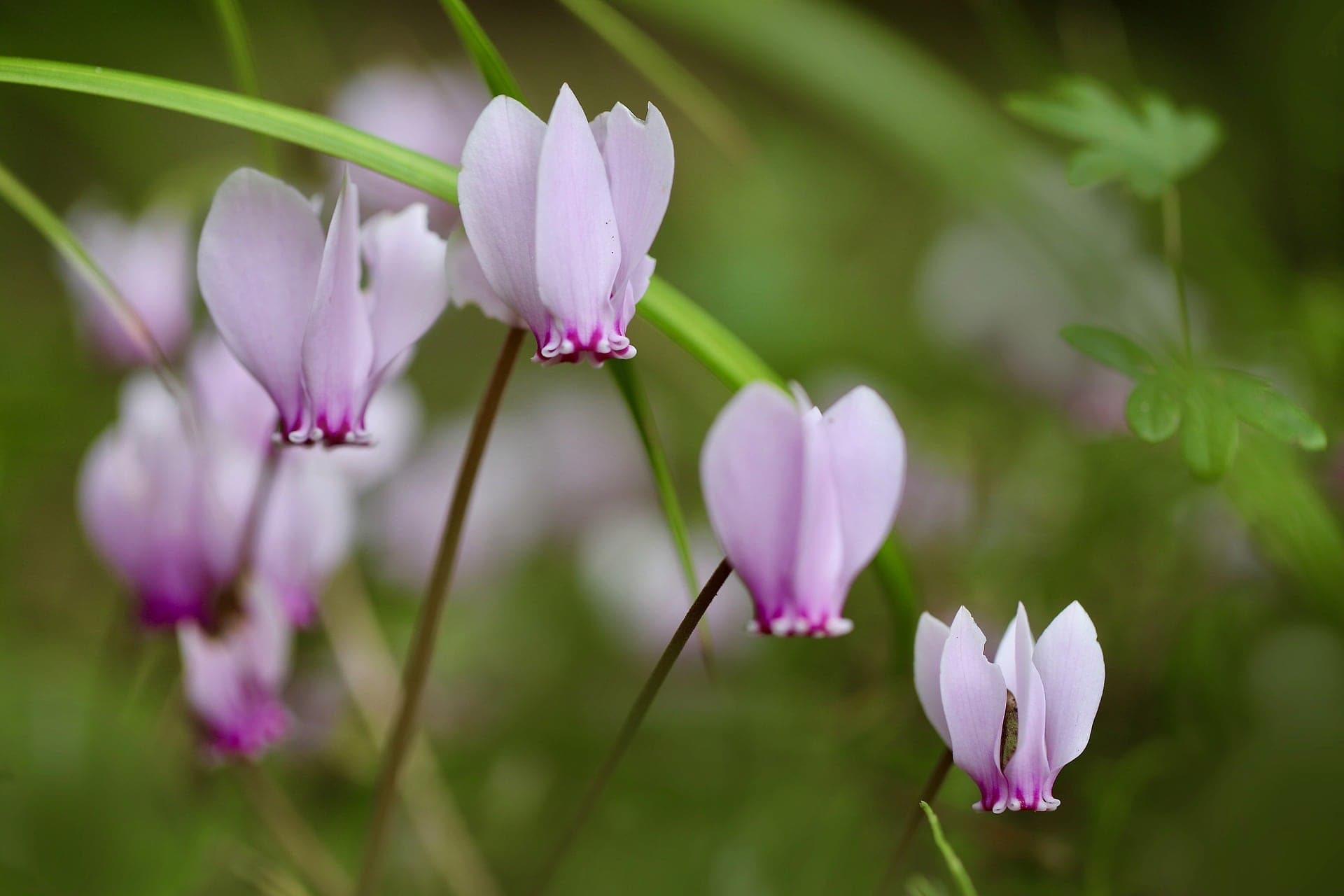
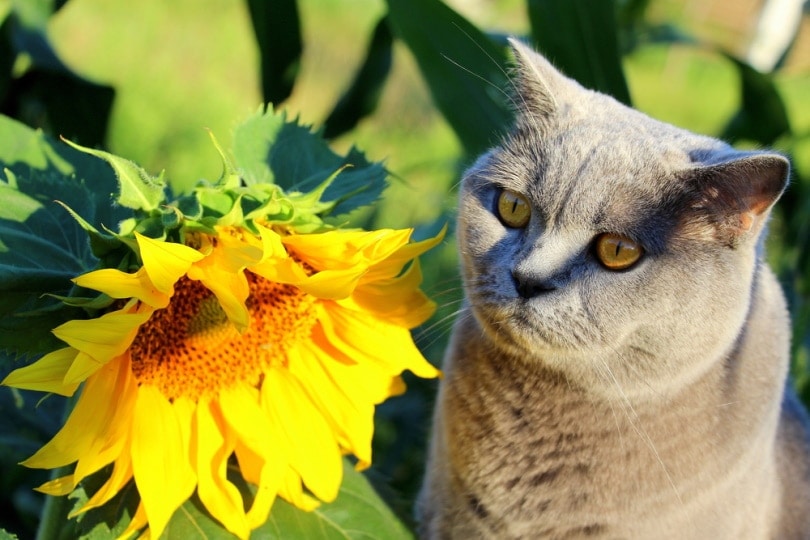
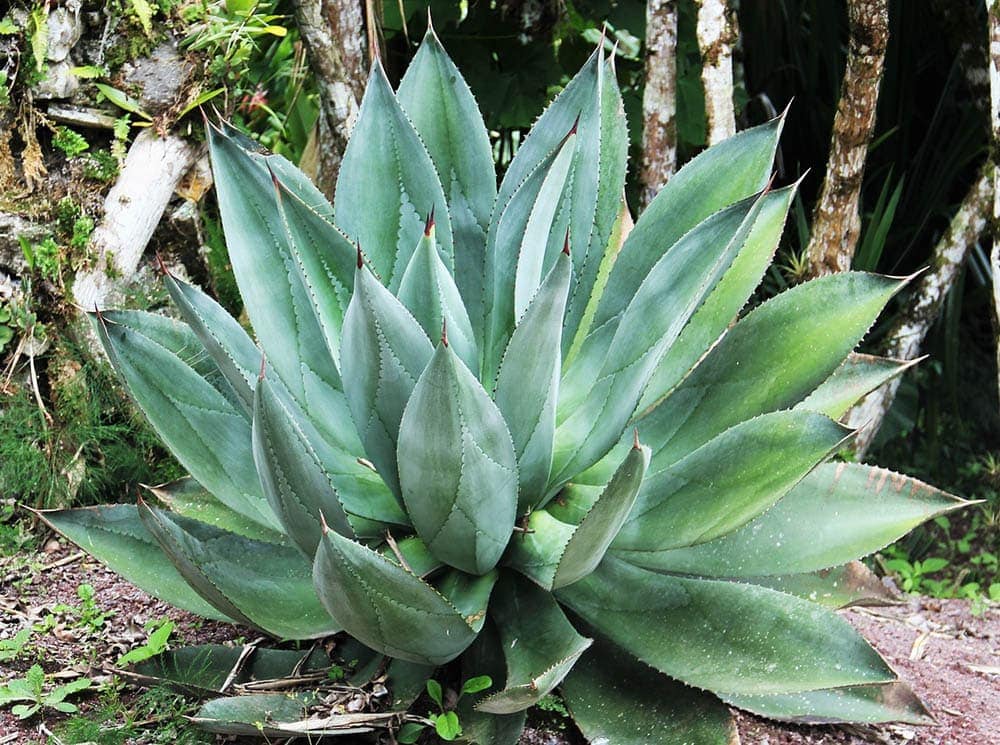
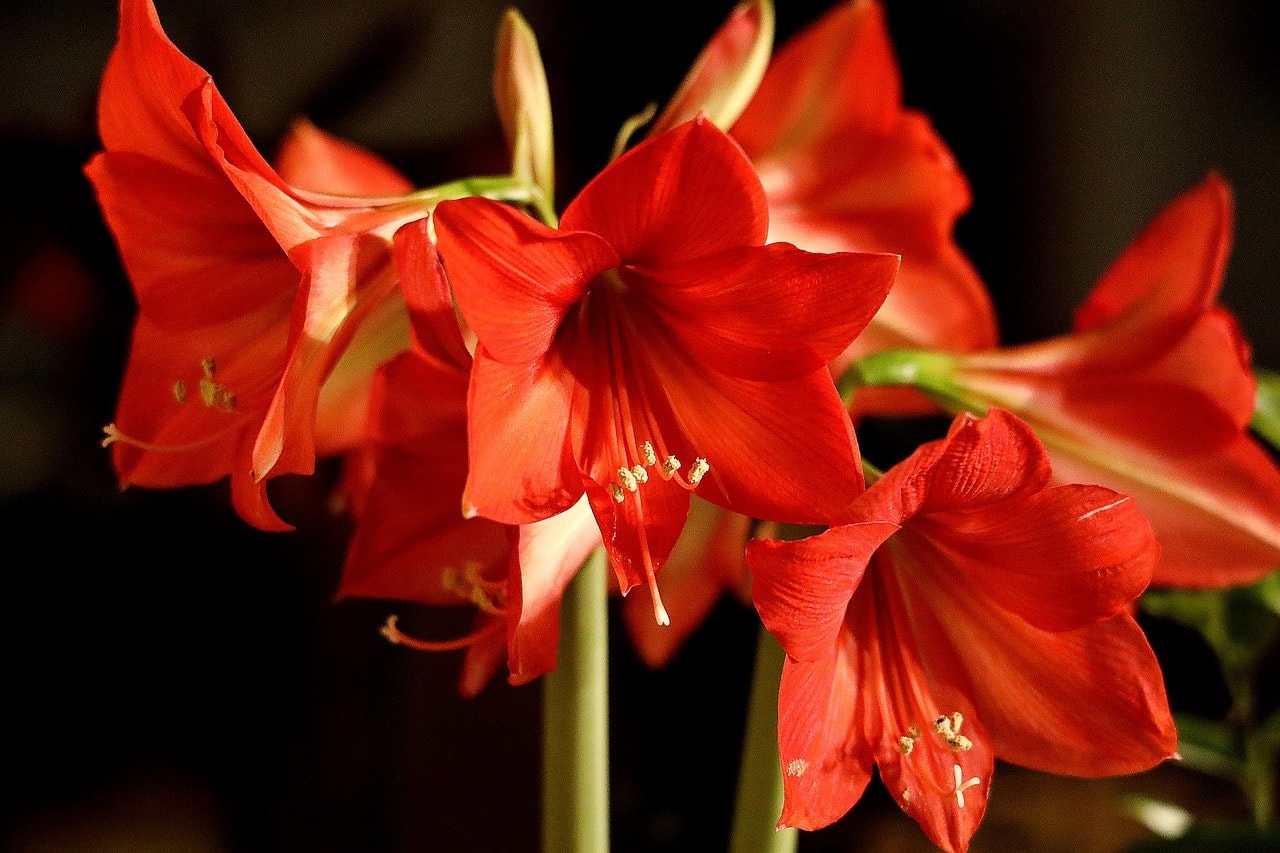
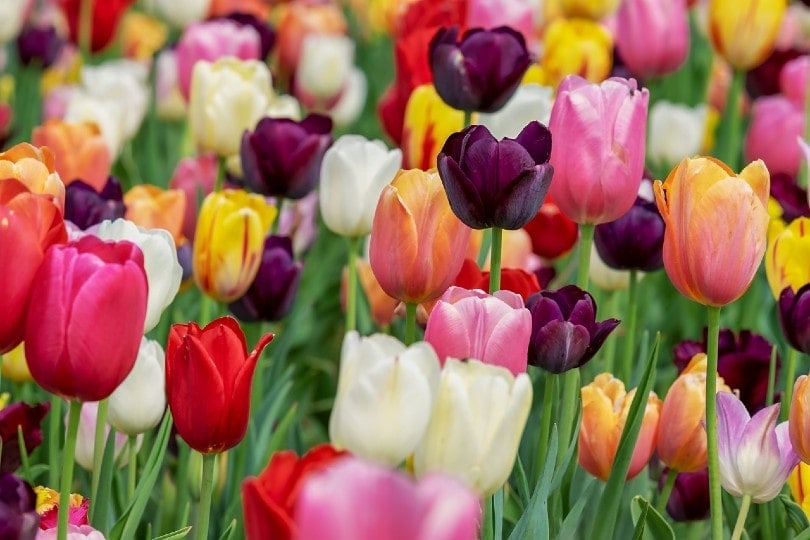
Here are a few colorful and fragrant choices for you to consider:
You’ll still need to supervise your cat around even safe plants because they could also be at risk from knocking over and breaking flower vases. Plant foods and fertilizers can also be toxic to cats. If you want to keep a plant that’s not only safe but attractive to your cat, consider planting catnip or cat grass.
In Conclusion
Keeping flowers and plants in your home is not only visually pleasing but can help purify the air and lift your mood. Owning both plants and cats isn’t mutually exclusive, but you will have to take more precautions to make sure your feline friend stays safe. Avoid mums if you have cats and find other non-toxic plant options to decorate your home. If you’re ever concerned about a plant or flower your cat is chewing on, contact your veterinarian or pet poison control.
Related Reads:
Featured Image Credit: Pixabay
Get Hepper In Your Inbox


Pet care tips from our vets and experts, straight to your inbox.
You may opt-out at any time. View our Privacy Policy for more information.
A lifelong lover of all creatures great and small, Elizabeth got her first cat at 5 years old and at 14, she started working for her local veterinarian. After spending more than 20 years working as a veterinary nurse, Elizabeth decided to step away to become a stay-at-home parent to her daughter. Now, she is excited to share her knowledge with our pet parents. Elizabeth lives in Iowa with her family, including her two fur kids, Linnard, a husky mix and Algernon, the worldʻs most patient cat. When not writing, she enjoys reading, watching soccer, and spending time outdoors with her family.
Join the conversation
Ask a question, share your story, or send private feedback.