Hepper is reader-supported. When you buy via links on our site, we may earn an affiliate commission at no cost to you. Learn more.
Can Cats Eat Guava? Vet-Approved Benefits, Risks & FAQ


In this article
If you enjoy a few slices of guava or a nice cup of fresh guava juice, you should know that guava is full of healthy nutrients! Since that’s the case, you might want to share some with your cat. But should you?
While guava isn’t toxic to cats and can be given in moderation, it’s not recommended because in the long run, cats simply don’t need fruit.
Let’s take a more in-depth look into the benefits of guava and how much is safe to give your cat.

A Little About Guava
Guava is a fairly common fruit grown in tropical and subtropical regions, including Mexico, northern South America, Central America, and the Caribbean.
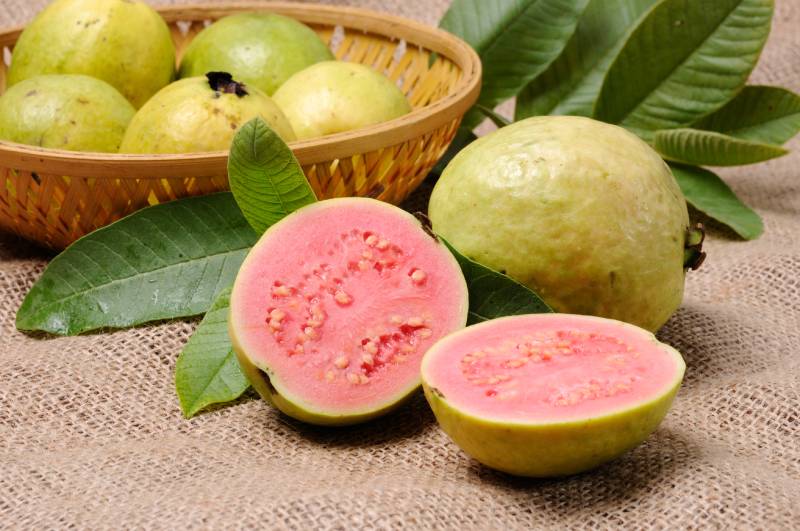
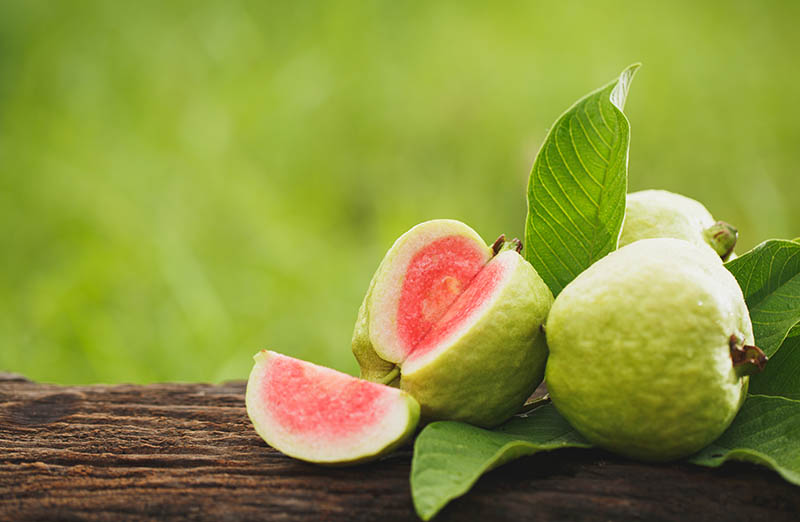
The most common guava type is in the Myrtle family that grows in a small tree, and the fruit is round or pear-shaped. It has yellow skin when ripe, and the flesh is pink, yellow, or white. It also contains many small, hard seeds. All parts of the fruit, including the seeds and rind, are edible for humans.
Guava has many health benefits for humans, including twice as much vitamin C as oranges, and is quite rich in antioxidants. It’s also an excellent source of potassium, calcium, iron, and vitamin A, and it’s known to help improve digestion. Many of its health benefits can also be acquired by drinking guava leaf tea. But it’s important to note, that many of these health benefits aren’t necessary for a cat that is eating a complete and balanced diet.

Can Cats Eat Guava?
Cats can technically eat guava, but it should only be in moderation. Cats are obligate carnivores, which means they must consume meat to acquire the proper nutrients that help them survive.
This also means a cat’s digestive system isn’t equipped to handle things like plants, fruits, and vegetables. They simply don’t derive enough nutrients from plant material, so at least 80% of their diet must be meat.
Cats should not be given guava bark root extract due to the possibility of toxicity.
Oxalates
Guava is not toxic for cats, so technically, they can eat it. But be aware that guava is high in oxalates, which can contribute to bladder stones if eaten long-term.
Guava Seeds
While guava seeds are edible and nutritious, they could pose a choking hazard for cats. Guava seeds are also hard to digest, which can lead to obstructions. Because of this, guava seeds should be removed before you give your cat any of the fruit.
Pectin
Guava contains a high concentration of naturally occurring pectin, which can cause constipation if your cat eats too much of it. Pectin is commonly used to help pets with diarrhea issues.
Fiber
Guava is full of healthy fiber, but too much can cause diarrhea.
Sugar
Half a cup of guava contains about 60 calories and 7.3 grams of sugar. Too much sugar can lead to problems like an upset stomach, which can include bloating, gas, vomiting, and diarrhea. Eating a lot of sugar long-term can also contribute to weight gain, obesity, and diabetes.
Additionally, cats with diabetes shouldn’t be given guava or any other fruit because of the sugar content.

Is Guava Good for My Cat?
Guava can have a few benefits for cats as long as they don’t have diabetes and your vet has permitted you to give it to them.
The iron in guava can help improve hemoglobin levels in the blood and regulate the body’s functions. Vitamin A is great for a cat’s night vision and skin and boosts the immune system.
Antioxidants can help fight health conditions and have been known to help fight cancer. The calcium in guava is good for the bones and teeth, and potassium can improve the muscles and nerves.
How Much Guava Should I Give My Cat?
Cats are quite finicky, and many will likely have no interest in guava. Also, cats can’t taste anything sweet because they lack the taste buds to do so. But if your cat seems interested in guava, only give them a tiny portion (remember to remove the seeds), no more than 1 inch. Any treats, including fruit, should only comprise about 2% of your cat’s diet. You can serve fresh or frozen fruit, but don’t mix it with their regular food.
Before you give guava to your cat, speak with your vet. They can advise you on giving new foods to your pet, which is essential if your cat has any health conditions.
The first time that you give your cat guava, start with a tiny piece, and keep an eye on them for the next 24 hours. If it causes any issues, you should not give any more guava to your cat. But if nothing happens, it can make a nice occasional treat (no more than three times a week).

Frequently Asked Questions
Can Cats Have Guava Leaves?
Guava leaves are not toxic, but they aren’t necessarily something that you should offer your cat. They contain tannins that make them bitter tasting, and they can potentially lead to stomach upset. You can choose to avoid it or try giving your cat a tiny piece to see what happens. But speak to your vet first.
Can Cats Have Guava Juice?
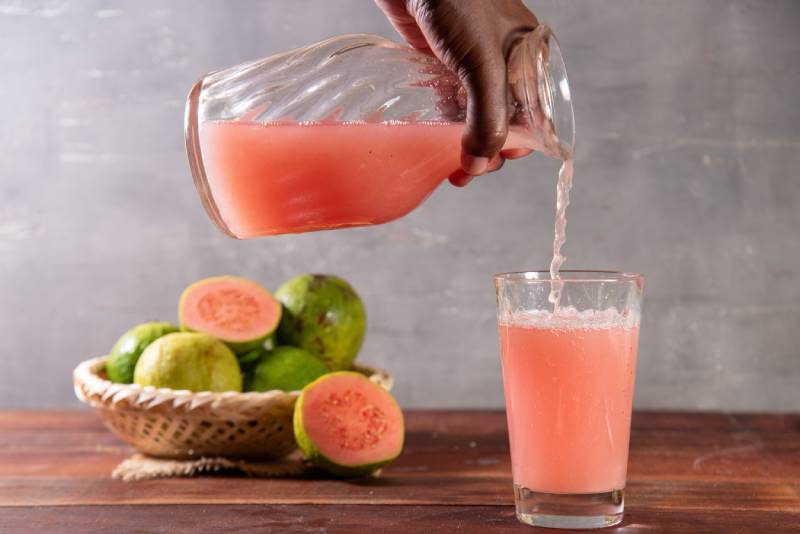
Homemade guava juice without anything added should be fine, but remember that it will be more concentrated, so only serve a little bit. Avoid anything store bought, as it will likely have added sugar, preservatives, and other chemicals.
What Other Fruits Can Cats Eat?
Safe fruits for cats include:
Are There Fruits That Are Toxic to Cats?
Grapes and raisins are at the top of the list of fruits that you shouldn’t give your cat. They can cause severe digestive issues and potentially lead to kidney failure.
Citrus fruits like limes, lemons, and oranges can cause digestive irritation, diarrhea, vomiting, or central nervous system depression.
Conclusion
Guava is a healthy fruit that is safe for most cats to eat, but you should check with your vet first. It’s always important to do this before adding something new to your cat’s diet, especially if they have any health issues.
If you want to add guava to your cat’s diet, only give them a tiny piece a few days a week. Ensure that there are no seeds and that the pieces are small enough that your cat won’t choke. Be aware that it’s likely that your cat won’t want it!
Sources
Featured Image Credit: Sivonei Pompeo, Shutterstock
Get Hepper In Your Inbox


Pet care tips from our vets and experts, straight to your inbox.
You may opt-out at any time. View our Privacy Policy for more information.
Kathryn was a librarian in a previous lifetime and is currently a writer about all things animals. When she was a child, she hoped to work in zoos or with wildlife in some way, thanks to her strong love for animals. Unfortunately, she's not strong in the sciences, so she fills her days with researching and writing about all kinds of animals and spends time playing with her adorable but terribly mischievous tabby cat, Bella. Kathryn is hoping to add to her family in the near future – maybe another cat and a dog.
Join the conversation
Ask a question, share your story, or send private feedback.