Hepper is reader-supported. When you buy via links on our site, we may earn an affiliate commission at no cost to you. Learn more.
Can Cats Eat Aloe? Vet-Reviewed Health & Safety Guide


In this article
If you're a new cat owner or even an experienced one, you might have a lot of questions about what kind of food your cat can eat. While most of us know cats are obligate carnivores1, a quick look at the ingredients in any brand of cat food will show you they can eat more than just meat. In fact, many cats enjoy eating plants, so many people wonder if it’s okay for them to eat aloe.
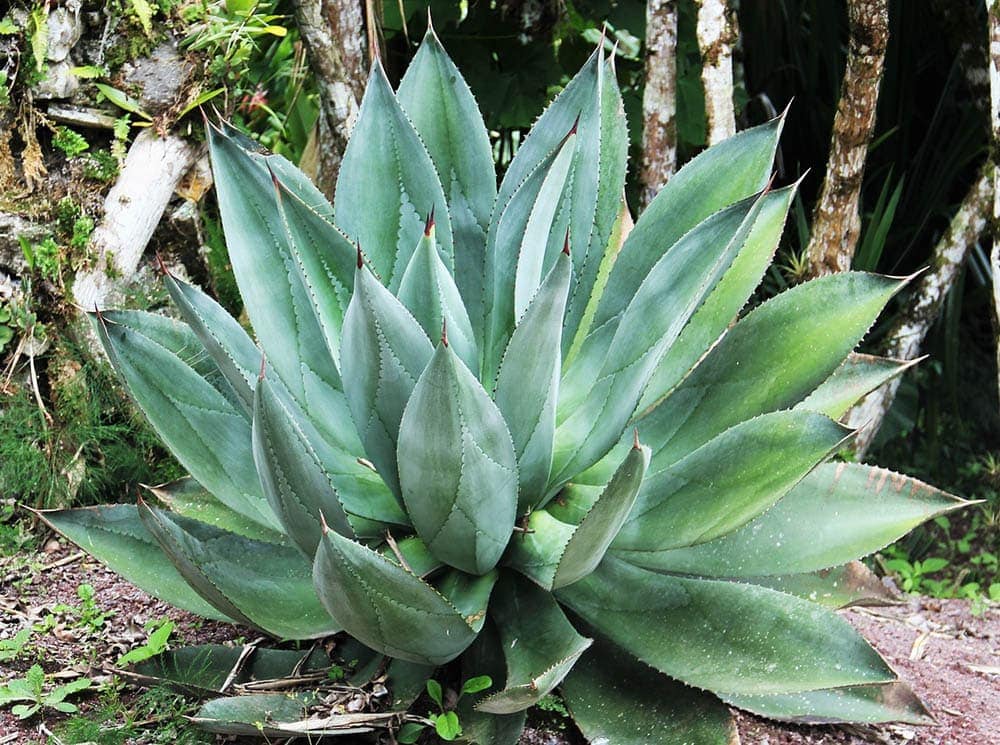
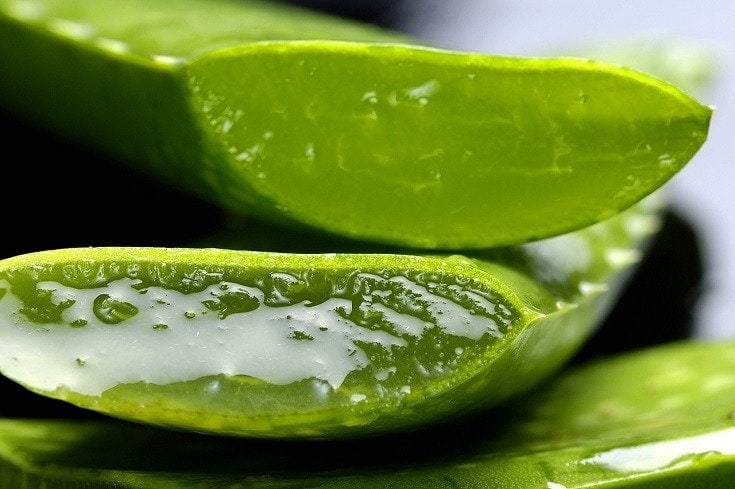
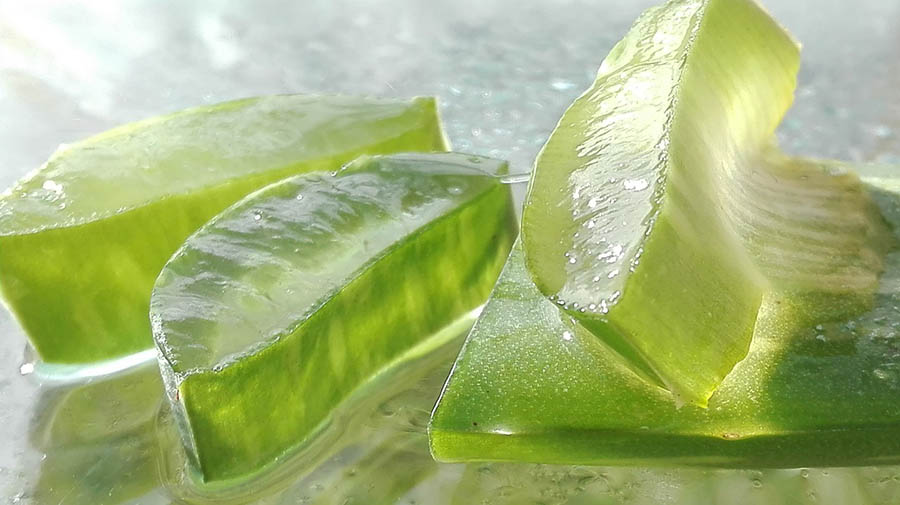
Unfortunately, the ASPCA lists aloe as toxic to cats. The reason aloe vera is on this list is that the green cuticle (rind) and the outer pulp (latex layer) of the plant contain saponins and anthraquinones, both of which are toxic compounds. However, the clear gel inside the plant is listed as edible and there are several benefits to using the gel topically. In this article, we will discuss the benefits of using aloe vera gel topically for some issues your cat might be experiencing. Keep reading while we discuss the pros and cons of using this miracle plant on your cat.

Is Aloe Bad for My Cat?
Cats like to chew on or eat certain plants, especially ones you have around your home. So you’ll need to keep any plants, particularly aloe, away from your pet. Even a small amount of aloe latex can cause gastrointestinal problems, vomiting, diarrhea, lethargy and extreme discomfort2. Most cats won’t like the taste of aloe and will stop eating it, but you’ll need to take it to the vet if the cat eats too much.
Is Aloe Good for My Cat?
Dandruff
If your cat suffers from dandruff, aloe can help reduce the number of flakes that you see. It has ingredients that help moisturize the skin and provide a protective barrier that will help keep it hydrated. Since the main cause of dandruff is dry skin, aloe can help reduce it on your cat and might even eliminate it.
Dander
Besides helping your cat with dandruff, it can also help reduce the dander released by your cat into your home. The moisturized skin will be far less itchy, resulting in less scratching and less shedding, which is the main cause of dander. Properly hydrated skin may also help your cat feel more comfortable, especially during the winter when radiators and other heaters tend to pull moisture out of the air, which can dry out the skin.
Mild Skin Abrasions
Cats can get into a lot of mischief, and they’re prone to scratches and bruises, especially if they’re outside cats. However, applying a small amount of aloe to the abrasion can help it heal faster by moisturizing the skin and providing a protective barrier. Aloe also contains mucilage, an important healing agent that helps speed recovery from cuts and burns.
Minor Burns
Another thing aloe does well is help soothe and heal minor burns, largely due to its mucilage. Most cats don’t like to be cold, and they could get too close to heaters and other warm spaces. Doing this might cause minor burns, especially if you have a hairless breed like the Sphinx or the Peterbald that spend a lot of time looking for heat. Applying a small amount of aloe gel to the burn can help it heal faster and make your cat feel better.

What Plants Can My Cat Eat?
Catnip
Catnip has a euphoric effect on many of them, causing many people to call it cat marijuana. You can purchase catnip in many grocery stores. Many brands offer ground-up and fresh catnip, so you can sprinkle it around your home or purchase toys that have it to make it more exciting for the cat. The best way to provide catnip to your pet is to grow it naturally in your garden and feed it to them fresh for the best flavor and highest potency.
Cat Grass
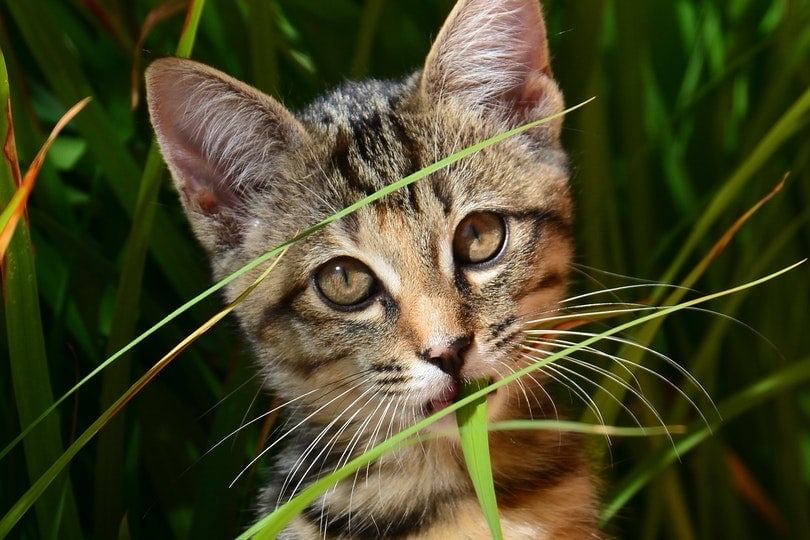
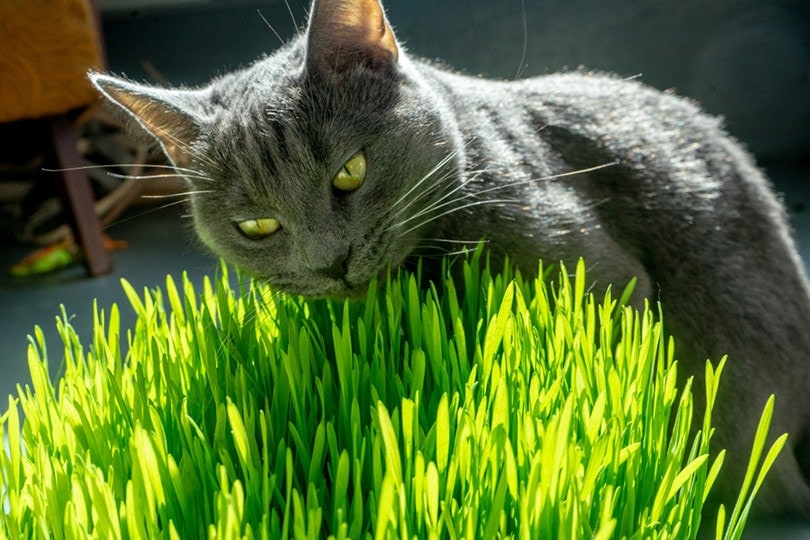
Cat grass is another popular cat food, and many varieties are available. Cat grass does not have euphoric properties; however, it can help with digestion and many cats enjoy eating it. While you might be able to find it in a grocery store, it’s much better to grow cat grass yourself. The grass will stay fresher and the cats can eat it right from the garden, and the pulling action will help clean their teeth.
Summary
While some parts of the aloe are toxic to cats, there are still many benefits to having it in your home as long as your cat can’t reach it. It can help reduce dander and make your cat more comfortable with minor cuts and burns while helping them to heal faster. Even healthy cats can benefit from aloe gel as it can moisturize skin, causing less itching and shedding.
We hope you have enjoyed this short guide and finally answers you need. Please share your comments about learning why cats cannot eat aloe on Facebook and Twitter.
Featured Image Credit to: Pixabay
Get Hepper In Your Inbox


Pet care tips from our vets and experts, straight to your inbox.
You may opt-out at any time. View our Privacy Policy for more information.
Ed Malaker is a veteran writer who has contributed to a wide range of blogs that cover pets, tools, guitars, fitness, and computer programming. When he’s not writing, Ed is usually performing DIY projects around the house or working in the garden. He’s also a musician and spends a lot of time helping people fix their guitars and composing music for independent films.
Join the conversation
Ask a question, share your story, or send private feedback.