Hepper is reader-supported. When you buy via links on our site, we may earn an affiliate commission at no cost to you. Learn more.
Can Cats Eat Tangerines? Vet-Verified Facts & Safety Guide


In this article
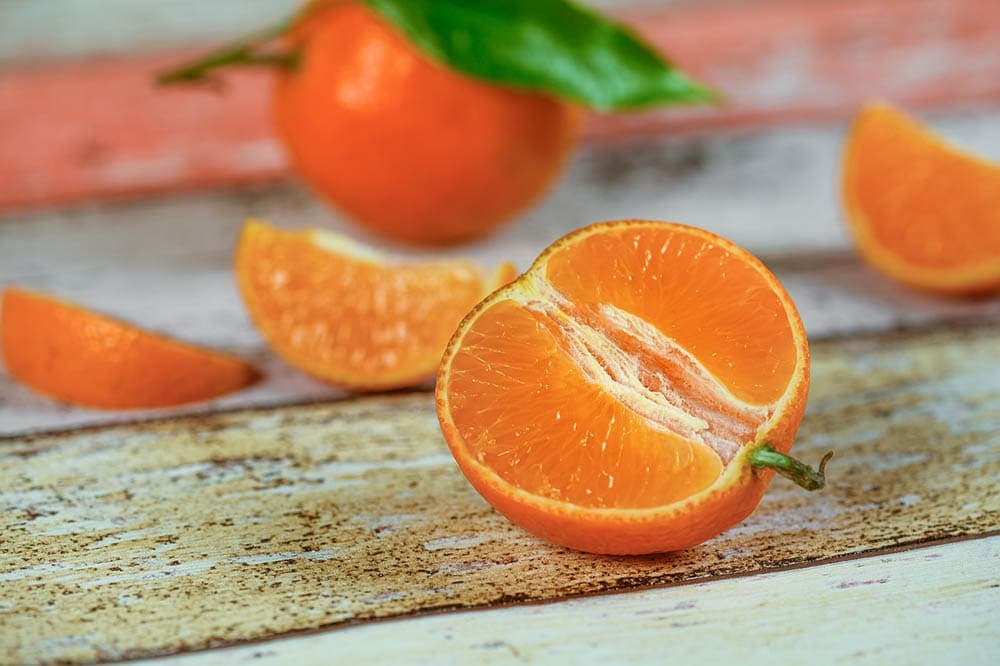
Tangerines are a tasty fruit that hails from the mandarin orange family, and they get their name from Tangier, Morocco, which is their place of origin. Part of the citrus family, this fruit offers an abundance of health benefits, such as vitamin C and vitamin A. This fruit promotes eye, heart, and skin health, and is also a good source of dietary fiber.
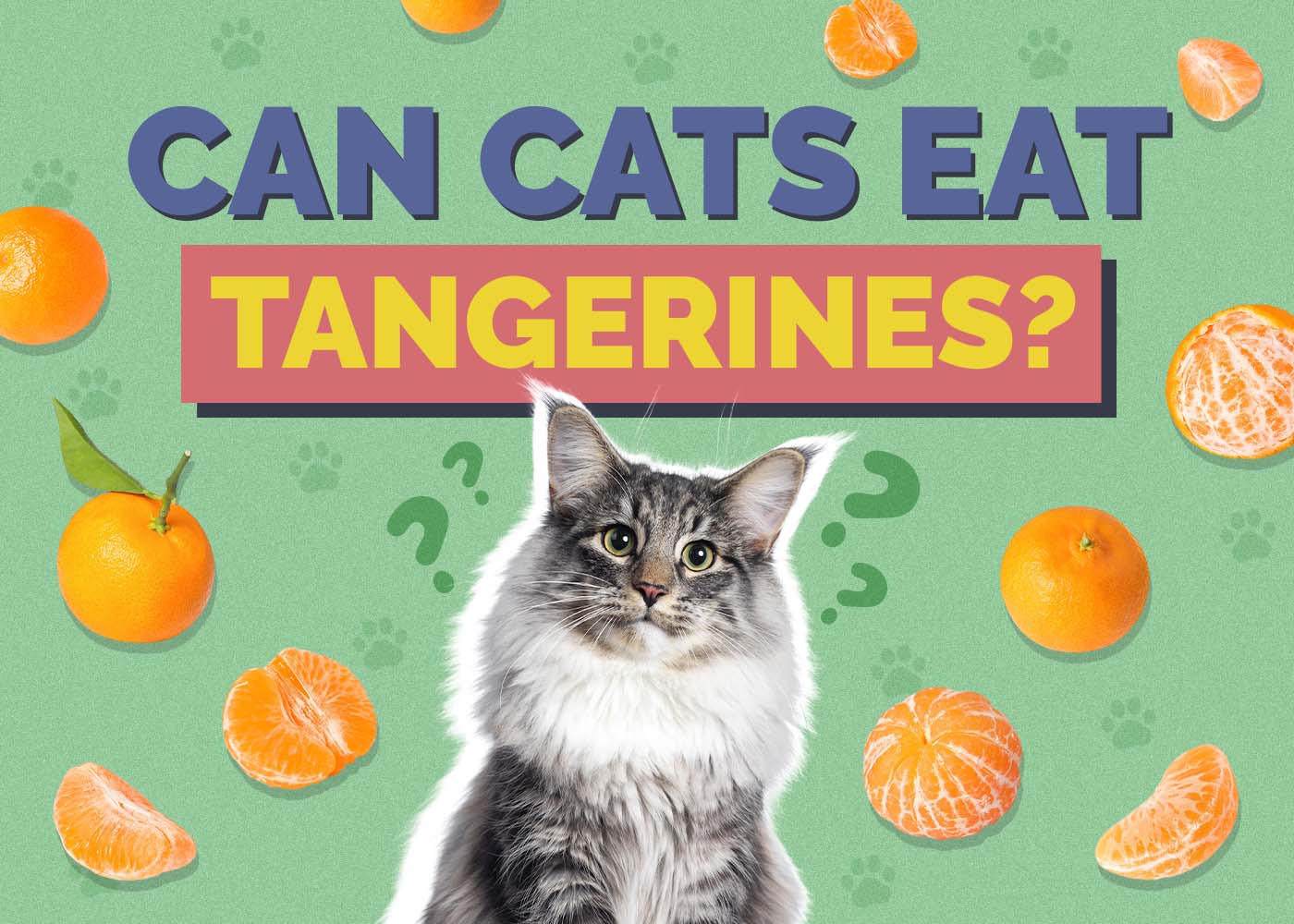
When we eat something that promotes such health benefits, like tangerines, it seems fitting to provide such a nutritional treat to our feline furbabies. After all, we want the best for our kitties. But can cats eat tangerines? Sadly, no, they cannot as they are toxic to cats. In this article, we’ll explore why you should avoid giving this fruit to your feline companion.

Can Cats Eat Tangerines?
Even though tangerines are a tasty and refreshing fruit that offers health benefits, you should avoid feeding them to your cat. Cats should not eat citrus fruits, and tangerines are among that class of fruits.
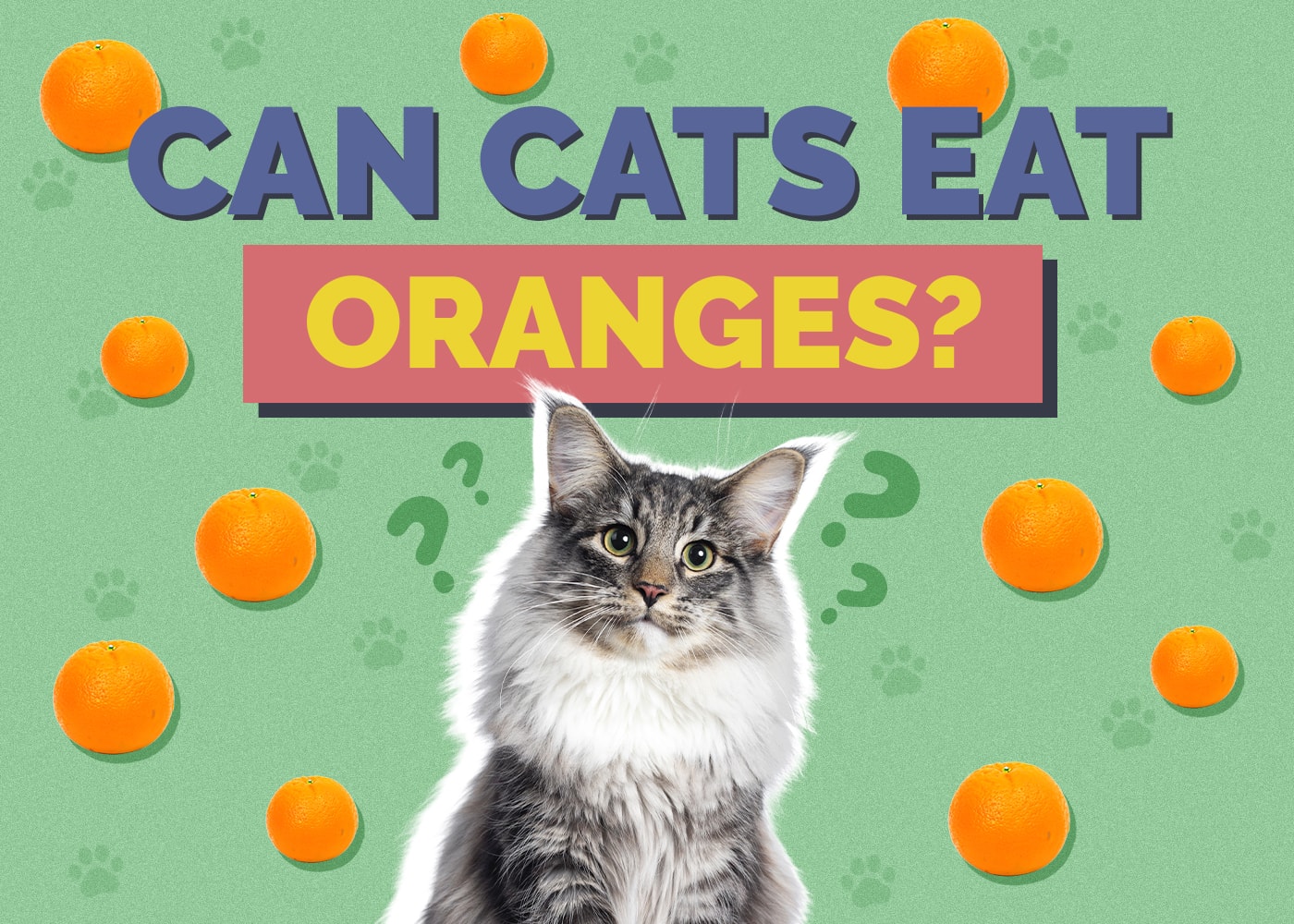
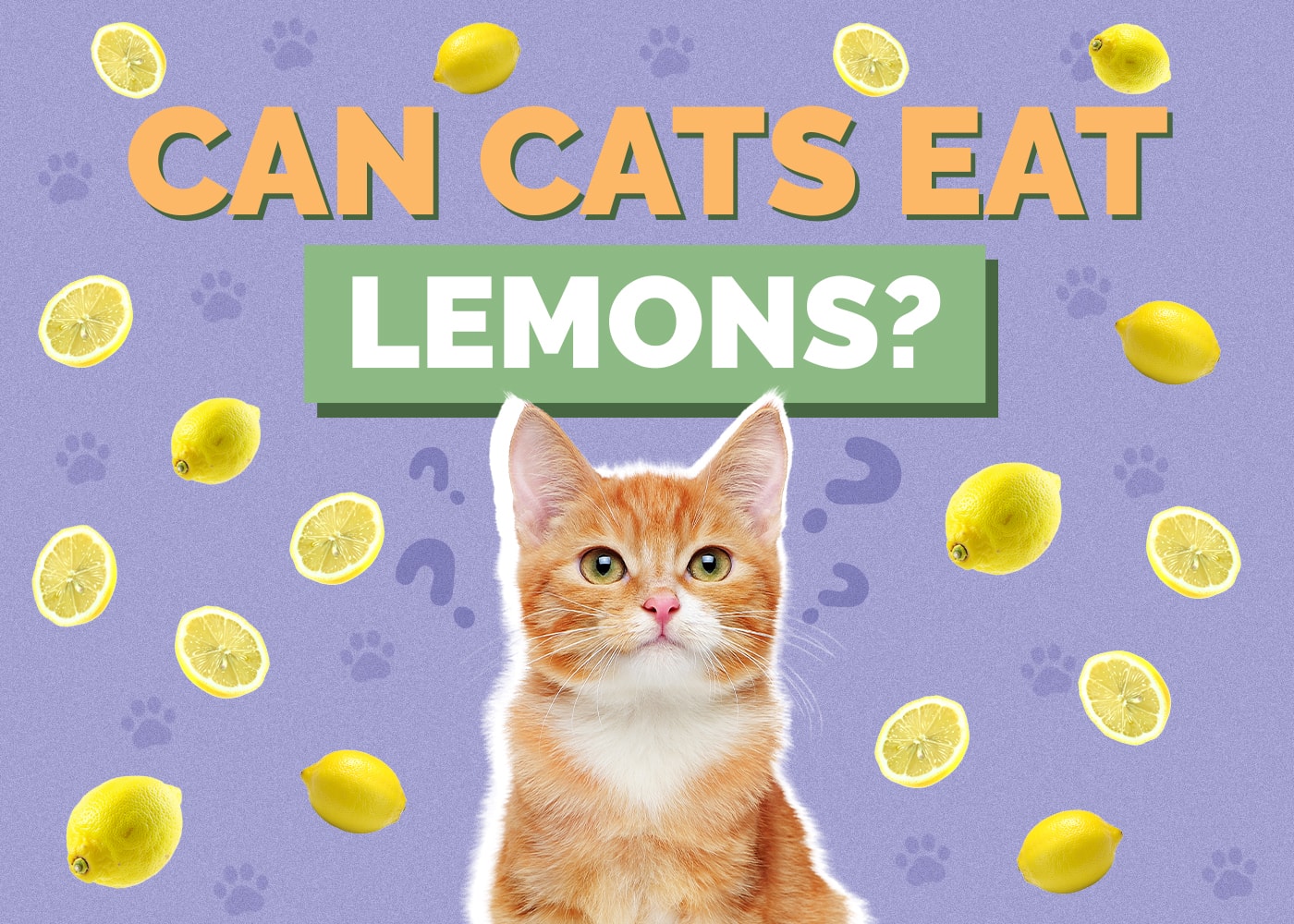
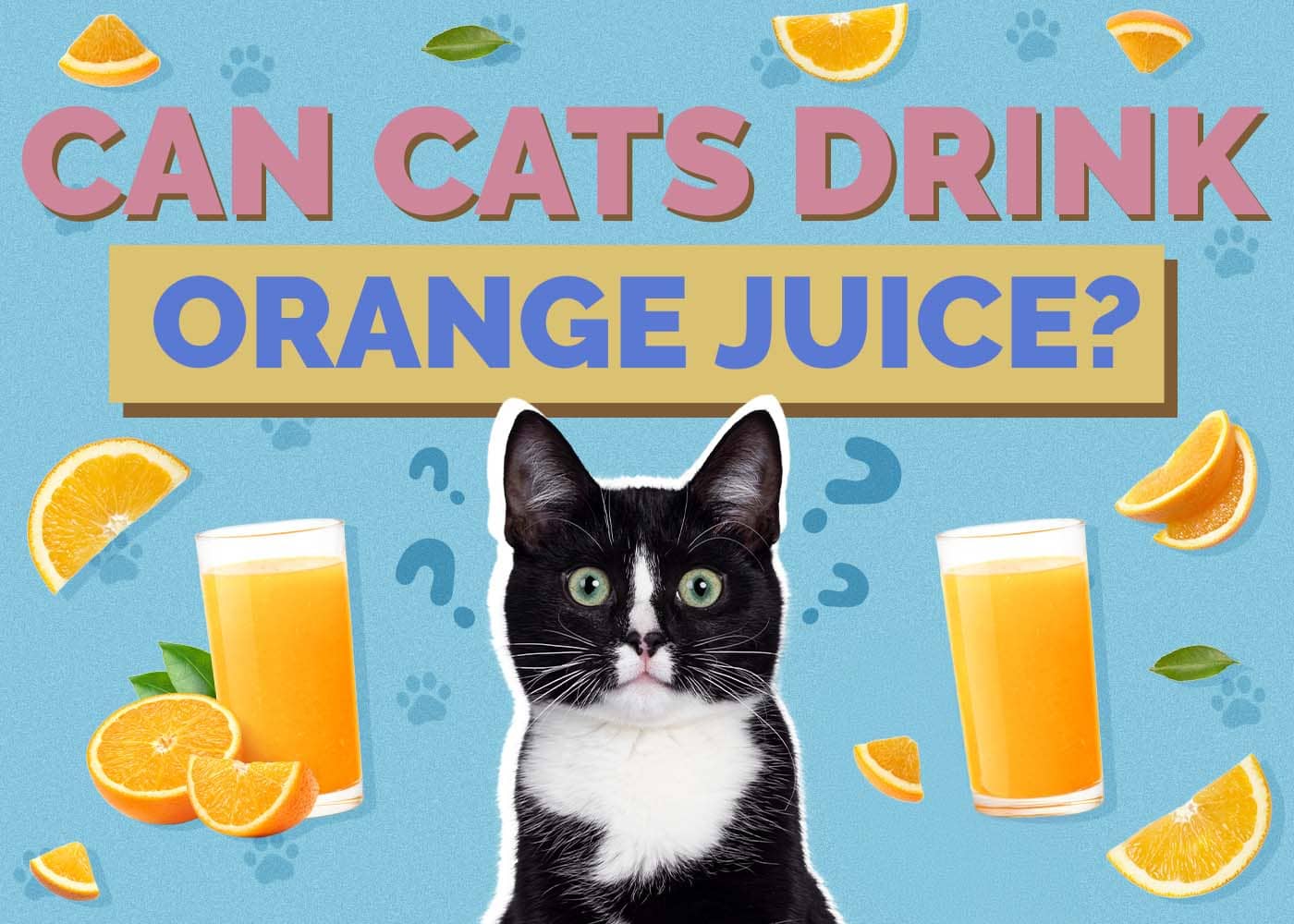
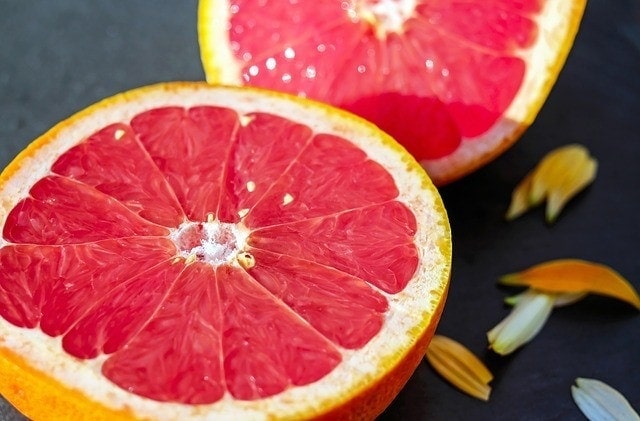
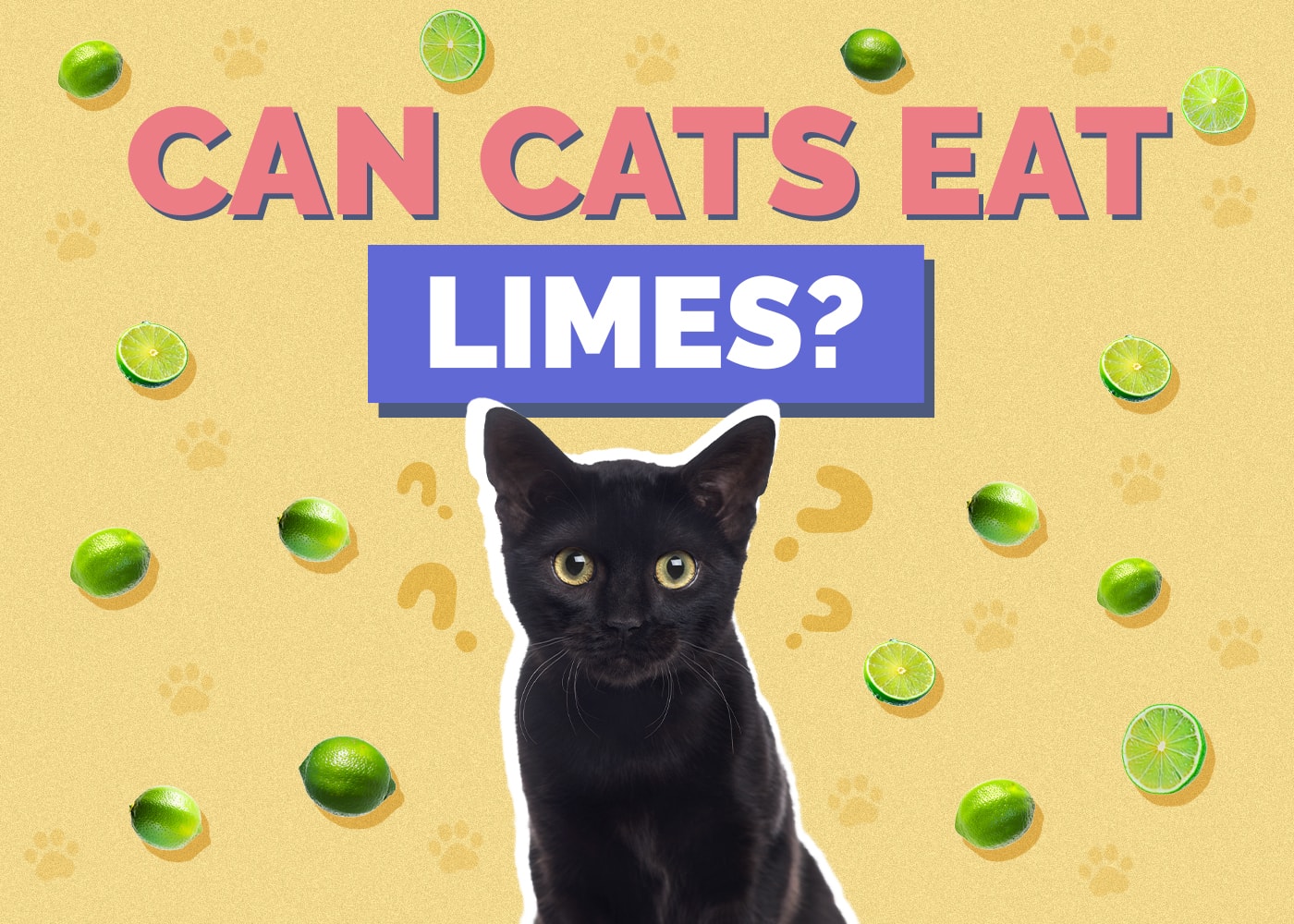
Citrus fruits, such as oranges, lemons, lime, and grapefruit, are toxic to cats due to the essential oils and psoralens they contain, which can cause citrus poisoning. Psoralens also make the skin sensitive to light, and if consumed, your cat can develop gastrointestinal disorders, such as vomiting, diarrhea, and muscle weakness.
It’s also important to avoid letting your cat rub against any citrus fruits because an allergic reaction can occur, and as a result, your cat can develop dermatitis. If your cat is a counter surfer, it’s best to keep citrus fruits out of reach.
Are Cats Scared of Tangerines?
Most cats don’t like the smell of citrus fruits, and that includes tangerines. The odds are that even if you try to give your cat a nibble of the fruit, it won’t want anything to do with it. Tangerines have even been used to deter cats from destroying Christmas trees or protecting their gardens, and some people put a barrier shield of tangerines around whatever it is they want to protect.
To be safe, make sure your cat indeed hates the smell of tangerines and that you’re confident it won’t eat the fruit before trying this as a method of protecting your Christmas tree or garden.
What Fruits Can Cats Eat?
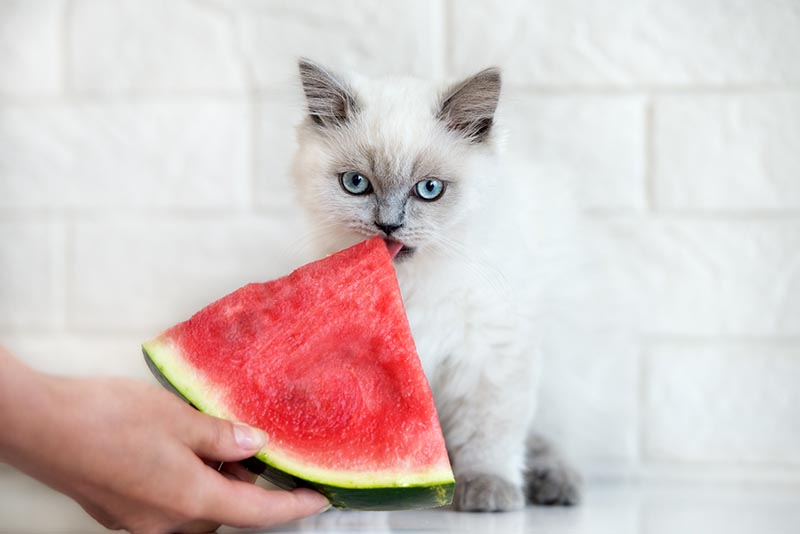
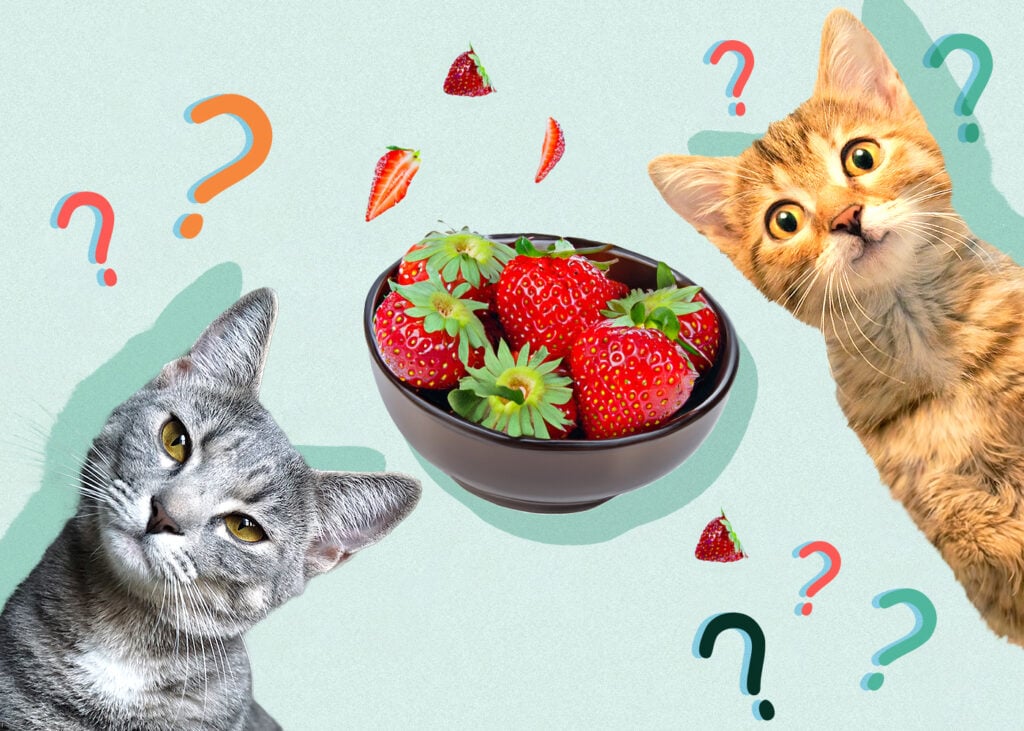
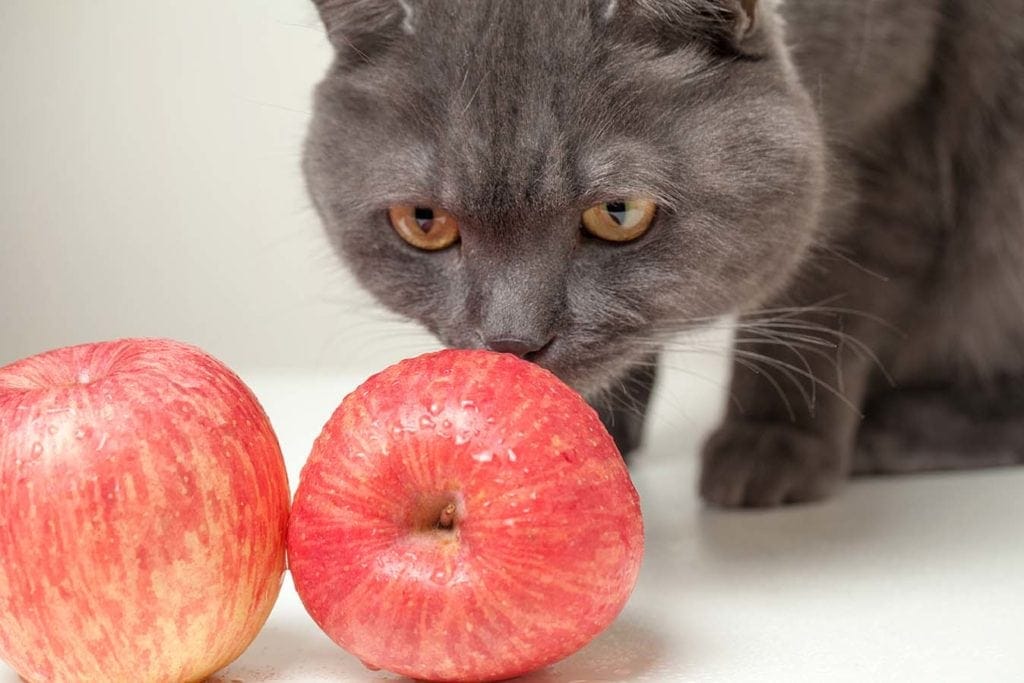
While cats cannot eat citrus fruits, there are other fruits that are safe. Cats are obligate carnivores, which means they only need meat in their diets to be healthy. They don’t need fruits and vegetables, but the occasional fruit or vegetable is okay, as long as it’s safe and given in moderation.
We recommend picking fruits low in sugar; however, determine that the fruit is non-toxic first. Remember to avoid lemons, lime, oranges, and grapefruit.
Let’s take a peek below.
What Fruits Should I Avoid Giving My Cat?
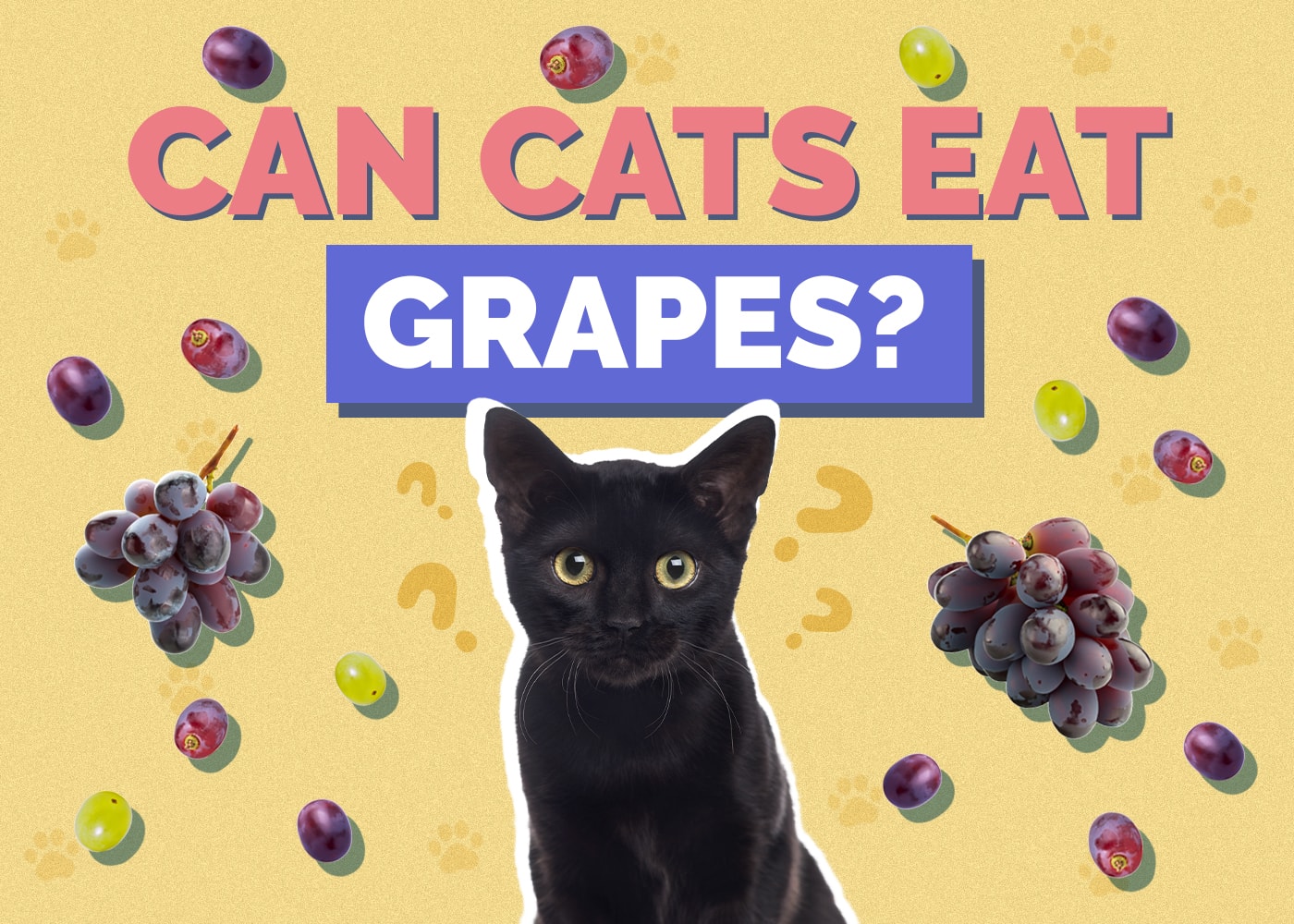
We’ve determined that citrus fruits are off-limits for your feline friend due to their toxicity, but what about other fruits? It turns out that grapes and raisins are toxic to cats and can cause kidney failure if consumed. If your cat digests either of these toxic fruits, contact your veterinarian immediately for treatment.
Do Cats Enjoy Fruit?
Most fruits are sweet, which means your cat will probably show no interest. Why, you ask? The reason is cats cannot taste sweetness because their tongues do not contain the receptors needed to taste sweet. A study confirmed this lack of sweet detectors, so if your cat turns its nose up at a fruit, it’s not because your cat is being picky, but rather your cat cannot detect its sweetness.
Can Cats Eat Fruit Snacks?
Avoid giving fruit snacks because they are high in sugar. These snacks are manufactured from juice concentrates and contain unhealthy ingredients, such as high fructose corn syrup and artificial flavors. Fruit snacks are unhealthy for humans, and that goes for your kitty, too.
Now that you know what you can safely feed your cat, it’s just as important to find a bowl that supports their health and well-being. With whisker-friendly bowls and a wide tray to catch any spills, our Hepper NomNom Cat Bowl is our favorite option.

- NO MESS - The 360° tray on this cat food and water bowl set has a raised design to catch and contain stray crumbs and drips. Protect your indoors and floors from wet and messy meals!
- WHISKER FRIENDLY - Shallow and wide metal containers with flat bottoms ensure your kitty can enjoy mealtime free from whisker fatigue!
- CHEW-SAFE MATERIALS - Kittens and cats love chewing on silicone and soft rubber - but it's a choking hazard. Our cat feeding station materials are anti-chew for a 100% safe feeding frenzy!
Final Thoughts
While we’ve determined what fruits are safe and to avoid tangerines, it’s essential to know that even though certain fruits are safe, they should only be given in moderation because they are high in sugar. Too much fruit can still cause gastrointestinal problems for your cat, so it's best to stick to a well-balanced diet from high-quality cat food.
If you do decide to give your cat the occasional special fruit treat, make sure the fruit makes up only 2% of your cat’s diet. As a rule, though, it's best only to give the occasional fruit maybe a couple of times a week.
Related Read:
Featured Image Credit: kinkates, Pixabay
Get Hepper In Your Inbox


Pet care tips from our vets and experts, straight to your inbox.
You may opt-out at any time. View our Privacy Policy for more information.
Rachel Giordano is a writer and musician out of Pensacola, Florida, living there with her partner and their two dogs, Aero, a Border Collie/Sheltie mix, and Sophie, a Boston Terrier. Rachel has a Bachelor of Arts degree in communication and enjoys writing about all types of animals. When Rachel’s not dedicating her time to writing about animals, she enjoys writing thriller/suspense novels. A writer by day and a musician by night, she's passionate about educating the public about the requirements and needs of all types of animals.
Join the conversation
Ask a question, share your story, or send private feedback.