Hepper is reader-supported. When you buy via links on our site, we may earn an affiliate commission at no cost to you. Learn more.
Can Cats Eat Tapioca? Vet-Reviewed Facts & Safety Guide


In this article
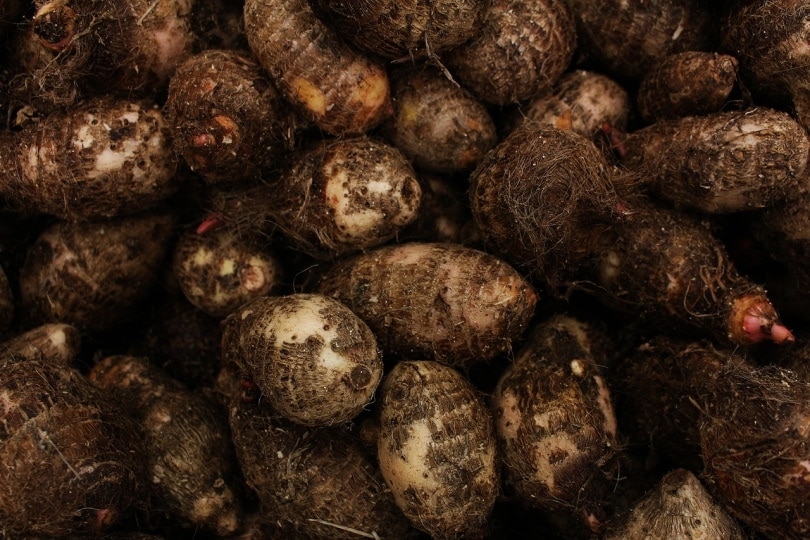
Cats are curious animals with eyes bigger than their stomachs. Cats are known for going nuts when you open any food, but is it okay for us to feed it to them? Tapioca is safe for cats, but you’ll want to avoid feeding them too much of it, as it isn’t nutritionally dense for them!
The honest answer to “can cats eat tapioca” is actually “why are you asking?” The answer will vary based on the exact nature of the inquiry. We’ll cover a few different variations of the question below.

Will My Cat Die If They Eat Tapioca?
No. Your cat is not in danger if you find them face first in your cup of tapioca pudding. A bigger worry of your cat eating tapioca isn’t the pearls themselves. A common and trendy drink, Boba tea, uses tapioca pearls to add an extra dimension to the tea. Tea is very dangerous for cats since it’s naturally caffeinated, and caffeine is extremely dangerous.
On the other hand, tapioca pudding contains an absurd amount of sugar, which is terrible for cats. It also is made with milk products, which cats are intolerant to.
In both cases, you are going to be far more worried about your cat consuming the thing that the tapioca pearls are in than the tapioca pearls themselves.
Now, this doesn’t mean that tapioca is healthy for cats. If they’re consuming any tapioca at all, they should be consuming very little of it. It’s also made of starch, sugar, and carbohydrates, which is horrendous nutrition for any creature, let alone an obligate carnivore.
Cat Nutrition Made Simple
Cats are obligate carnivores. Obligate carnivores—sometimes referred to as hypercarnivores—eat a diet of at least 70% animal proteins in the wild. Commercially available cat food for cats under human care needs to be at least 26% proteins for adults and 30% for kittens. These are the minimal percentages (on a dry-matter basis) to keep them healthy. Also, while not officially recognized, cat diets should ideally have a carbohydrate content of less than 25%.
Carbohydrates are a good form of fast energy for people and can even be healthy for cats on a small scale. However, they’re not nutritionally dense for these true carnivores, and they don’t derive the same amount of nutrients that people or dogs would.
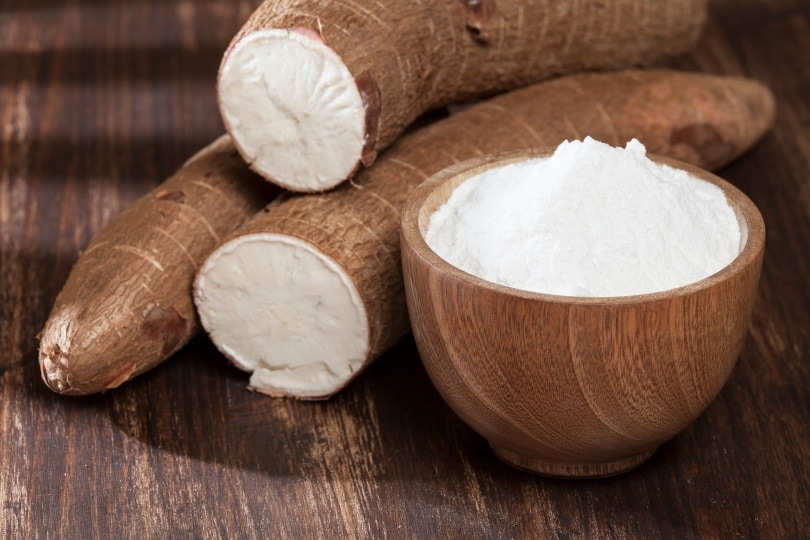
Tapioca starch has become a common ingredient in grain-free cat foods, particularly wet foods. It’s typically used as a texturizer and thickening ingredient. The starch is also used as a binding ingredient for kibble.

Tapioca Starch: The Good, the Bad, and the Ugly
Since tapioca starch isn’t unsafe for cats, it’s becoming a popular option for pet food brands to use in their kibble recipes. Tapioca starch is also an essential ingredient for grain-free and limited-ingredient foods!
We mentioned earlier that tapioca absorbs many liquids, which is why this novel starch alternative can have different purposes in the pet food industry. Not only does it help to texturize wet foods, but it also serves as a binding agent to convert dry foods into dense kibble.
The Good
Tapioca starch is grain and gluten free. So, any cats or pet parents who have sensitivities or allergies to gluten, which, by the way, is very rare, will be glad to know that it won’t cause them any harm. Tapioca is also an excellent binding agent that allows for foods to stick together more easily into the kibble form that we all know. It can also be used to texturize and thicken wet cat foods.
The Bad
Tapioca starch is still a starch. The carbohydrate content of tapioca starch is very high and can be just as bad as regular wheat flours when used in high concentrations.
The Ugly
There’s nothing really ugly about tapioca starch besides its high carbohydrate content. Since tapioca can absorb liquids in high quantities, tapioca starch can potentially cause constipation. We usually soak it in fluid-dense surroundings like tea or pudding when we eat tapioca. If your cat were to overeat dry tapioca starch, they could become sick, but you shouldn’t have any problems with that in commercial cat foods.
However, if you cook with tapioca starch and you’re here because you found your cat covered in the stuff, you might want to get them some liquid, dense foods, like canned wet food, to balance everything out.
Can I Feed My Cat Tapioca Pearls?
No. Tapioca pearls aren’t inherently toxic, so your cat won’t die if they get into them. However, the black pearls we all associate with pudding and tea are high in sugars and made with artificial syrups that improve their taste. Even though they aren’t toxic, you shouldn’t make a habit of feeding your cat tapioca pearls.
You definitely shouldn’t feed your cat tapioca pudding or boba tea, since the milk in the pudding and the caffeine in the tea can be very dangerous for cats.
Now that you know what you can safely feed your cat, it’s just as important to find a bowl that supports their health and well-being. With whisker-friendly bowls and a wide tray to catch any spills, our Hepper NomNom Cat Bowl is our favorite option.

- NO MESS - The 360° tray on this cat food and water bowl set has a raised design to catch and contain stray crumbs and drips. Protect your indoors and floors from wet and messy meals!
- WHISKER FRIENDLY - Shallow and wide metal containers with flat bottoms ensure your kitty can enjoy mealtime free from whisker fatigue!
- CHEW-SAFE MATERIALS - Kittens and cats love chewing on silicone and soft rubber - but it's a choking hazard. Our cat feeding station materials are anti-chew for a 100% safe feeding frenzy!
Final Thoughts
Curiosity can kill a cat. However, tapioca isn’t something that will kill your furred companion if they get into it. While tapioca is safe and non-toxic for cats, you should exercise caution when giving it to your cat. Most of the things we serve tapioca with are harmful at best to cats. The only time that your cat should be ingesting any tapioca is if it’s a part of designated cat food, and even then, we urge you to double-check that the carbohydrate content isn't too high for a cat.
Learn more about what your cat can and can't eat:
Get Hepper In Your Inbox


Pet care tips from our vets and experts, straight to your inbox.
You may opt-out at any time. View our Privacy Policy for more information.
Luxifa is a freelance writer with a passion for animal science and technology. She loves to share the world of animal science with people to help them make informed decisions for themselves and their pets. Luxifa has worked in professional pet care for over six years and realised she could help change the world of pet care by bringing the information people needed to them in terms they could understand. Knowledge is power and she loves to help everyone become the most informed they can be.
Join the conversation
Ask a question, share your story, or send private feedback.