Hepper is reader-supported. When you buy via links on our site, we may earn an affiliate commission at no cost to you. Learn more.
3 Most Common Cat Allergies & Their Signs: Vet-Approved Facts


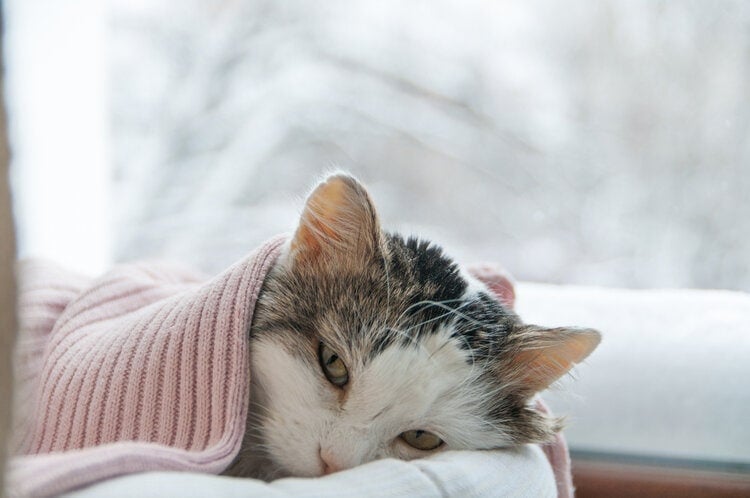
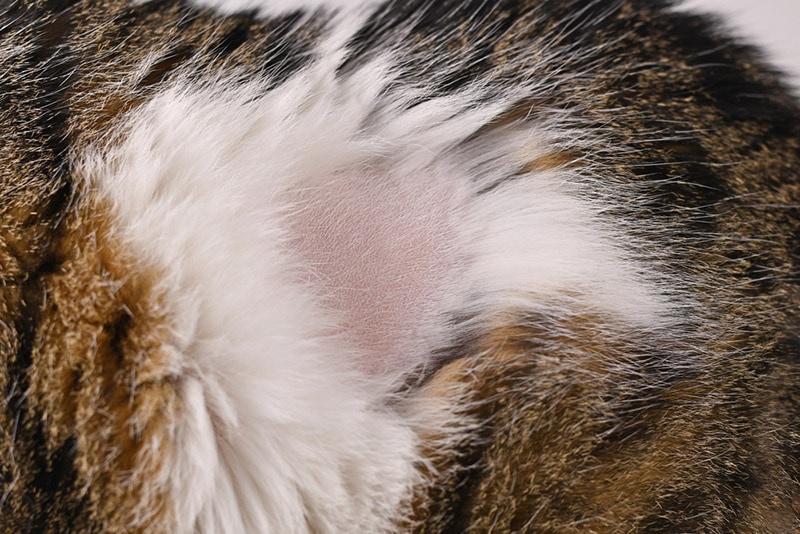
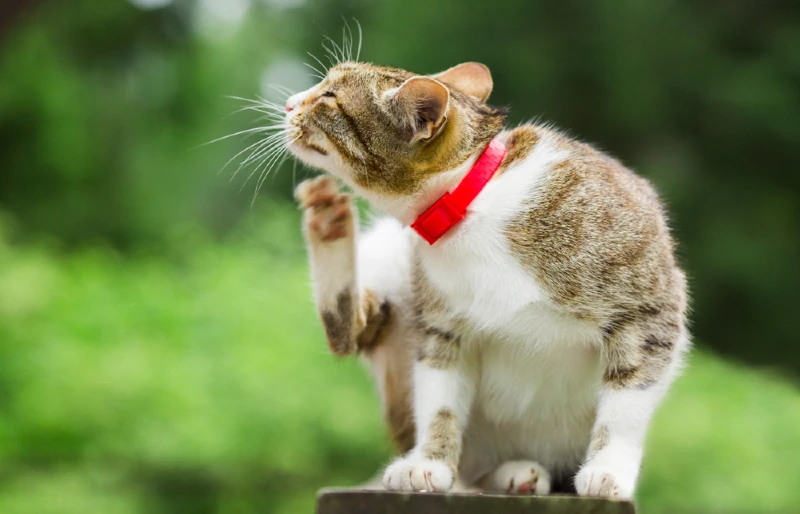
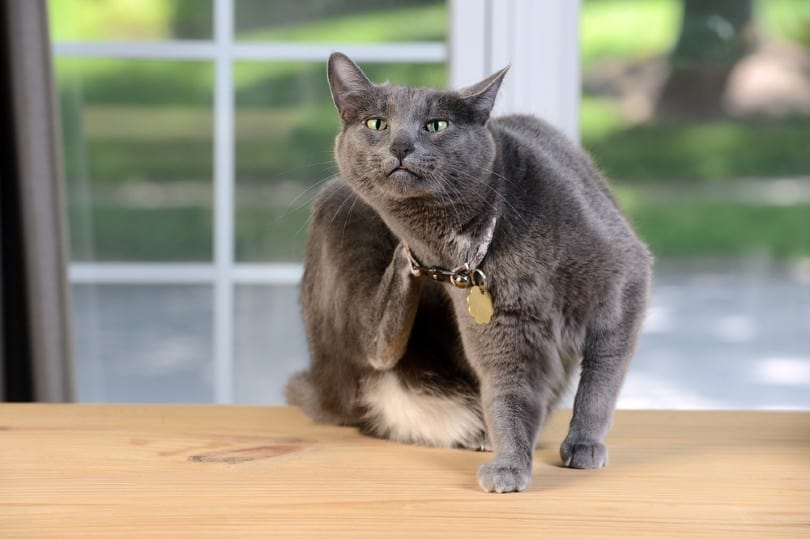
All cats scratch and bite their skin. However, itching, biting, redness, hair loss, and excessive or continual licking can be signs of allergies. As with humans, allergies in cats can be caused by a wide variety of agents. The three most common allergies in cats are either the environment, flea saliva, or food. Understanding the different types of allergies in cats can help you seek prompt veterinary care and provide relief to your pet.

What Is an Allergen?
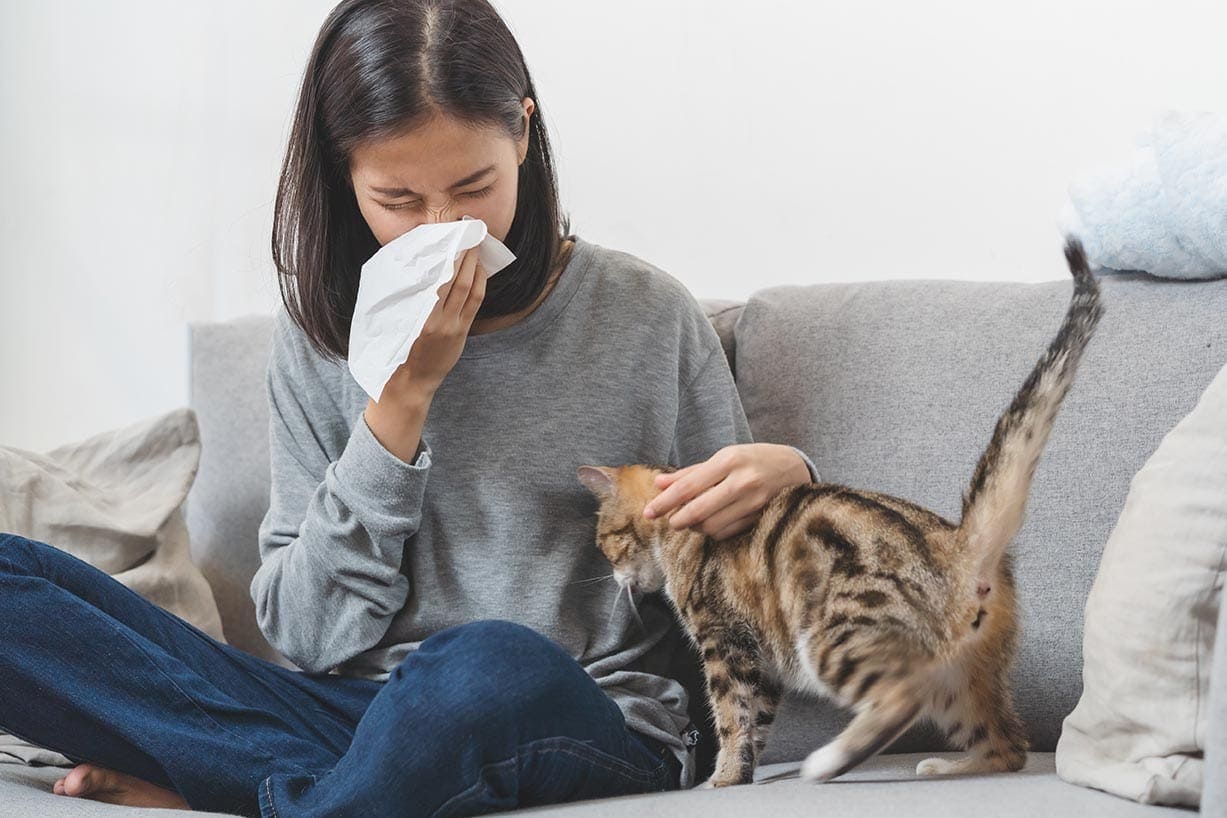
An allergen is a substance or microorganism that causes an allergic reaction (e.g., dust, pollen, mold, certain foods, etc.). The allergen causes histamine to be released into the bloodstream, resulting in irritation of the airways, the skin, or the eyes, which is manifested as sneezing, incessant scratching, and runny eyes.
Do Cats Have Allergies?
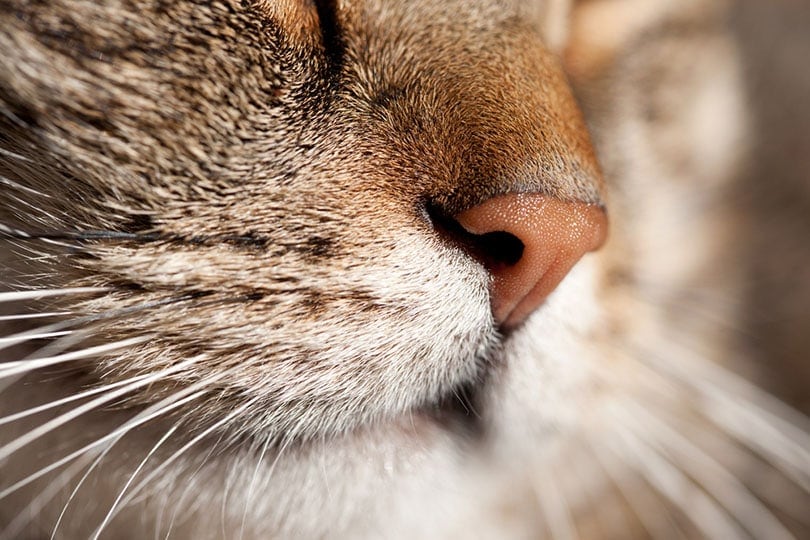
Just like humans, our four-legged friends are indeed prone to allergies. As you now know, the most common allergies in cats are the environment, flea saliva, or food.
Whether environmental or dietary, allergies in cats are caused by the same factors as in humans; there is undoubtedly a genetic predisposition and environmental factors.
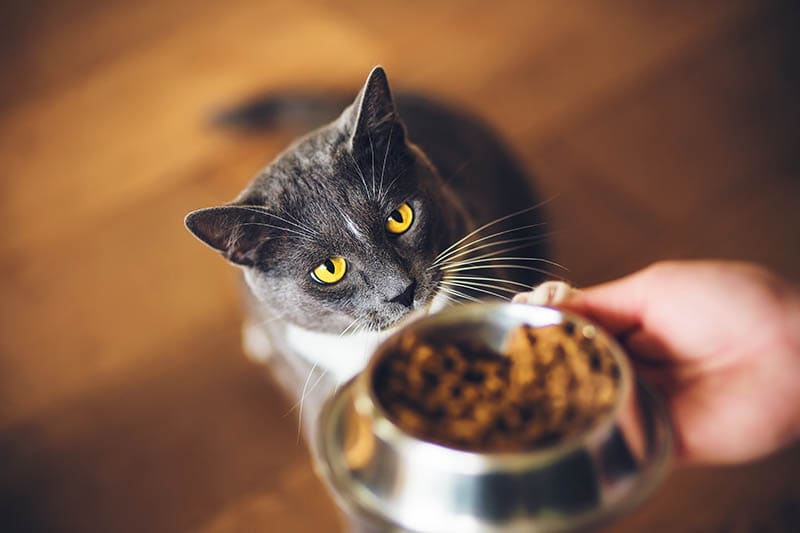
Note: Cats are not allergic to beef, per se, but can develop an allergy to what they will eat more often in large quantities. So, the more beef they eat, the more likely they are to become allergic to it.
What Are the Signs of Allergic Reactions in Cats?
Allergies are a common cause of skin problems in cats. Skin diseases (also called allergy dermatitis) occur when the immune system overreacts to a particular substance (the allergen), which leads to signs such as redness, swelling, itchiness, fever, or pain.
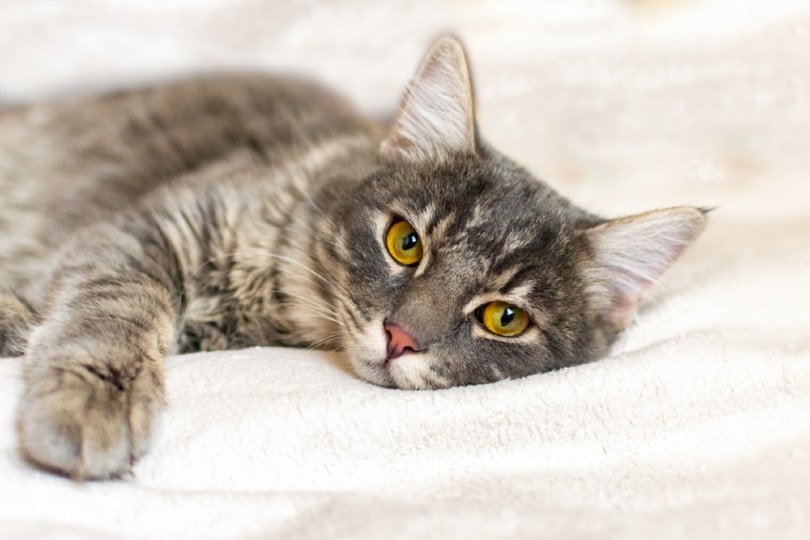
The most common substances responsible for skin allergies in cats are:
The most common signs of allergies in cats are:
Diagnosis can be difficult because there are many possible causes of dermatitis. Therefore, your veterinarian will rely on your cat's medical history, the type and frequency of itching episodes, and the elimination of other potential causes to identify the cause of the skin allergy.
Suppose the suspected cause of the skin allergy is inhaling particles (such as pollen, mites, and mold). In that case, your veterinarian performs a test by injecting a small amount of the allergen into your cat's skin to identify the origin of the allergy.
How to Diagnose an Allergy in Your Cat
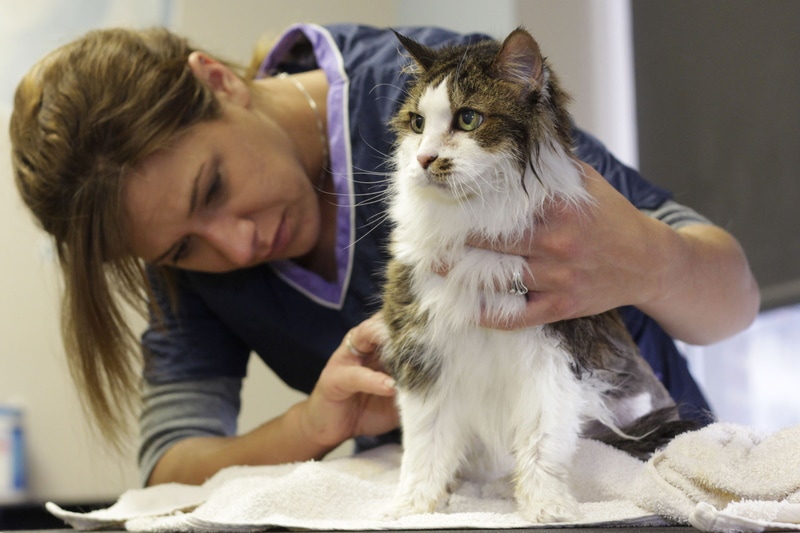
If your cat is showing signs of an allergy, you should see your vet. By a diagnosis of elimination, they will be able to evaluate where the allergy comes from and thus prevent the signs. To determine potential allergens, they will ask you questions about your pet's history. If, for example, you protect your cat with an antiparasitic throughout the year, it is very unlikely to be flea allergy dermatitis.
On the other hand, if the cat is often affected by seasonal allergies, it is probably a sign of allergies to pollen.
The purpose of the specialist examination is to determine the cause of the allergy using specific tests. A food allergy, for example, can be detected with an elimination diet, an immediate and long-term change in diet. If the cat's signs improve, a positive result can be assumed. However, to confirm the food source of the allergy, you can feed the cat with its old food. If the cat shows clinical signs again, the food origin of the allergy is very likely.
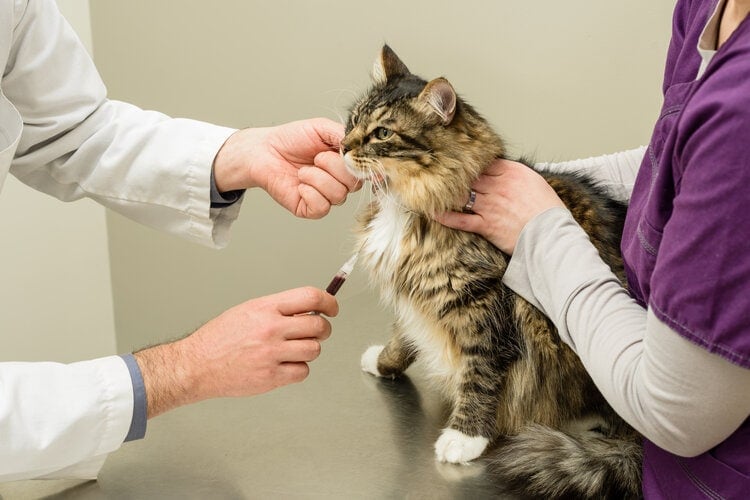
If the elimination diagnosis cannot detect the allergens, the veterinarian may use more specific tests, such as the skin test or blood test. These can detect very specific allergens, but the results are unfortunately not always reliable.
How to Treat Allergies in Cats
Treatment for an allergy in cats depends on the cause and the extent of the signs.
The following treatments may be necessary to improve the quality of life or even the likelihood of survival of the cat with allergies:
Your veterinarian will be able to advise you on the appropriate treatment to give your feline.
Final Thoughts
The good news is that although allergies may not go away completely, they can be treated successfully. Identifying the allergen remains the key to success in combating them, thus providing a better quality of life for your beloved kitty.
See also:
Featured Image Credit: Germanova Antonina, Shutterstock
Get Hepper In Your Inbox


Pet care tips from our vets and experts, straight to your inbox.
You may opt-out at any time. View our Privacy Policy for more information.
Genevieve, a biologist and science writer, who harbors a profound affection for capuchin monkeys, pumas, and kangaroos. This passion has led her to travel extensively, volunteering and working at wildlife rehabilitation centers in Bolivia, Guatemala, Canada, and Australia. Now residing in Argentina as a Canadian expat, Genevieve enjoys the view of horses and cows greeting her from the vast plains outside her home office window. She proudly cares for three rescued dogs—Lemmy, Nala, and Pochi—and a playful kitten named Furiosa. Sharing her extensive knowledge and love for animals brings her immense joy and fulfillment.
Join the conversation
Ask a question, share your story, or send private feedback.