Hepper is reader-supported. When you buy via links on our site, we may earn an affiliate commission at no cost to you. Learn more.
Can Cats Eat Turmeric? Vet-Verified Facts & Safety Guide


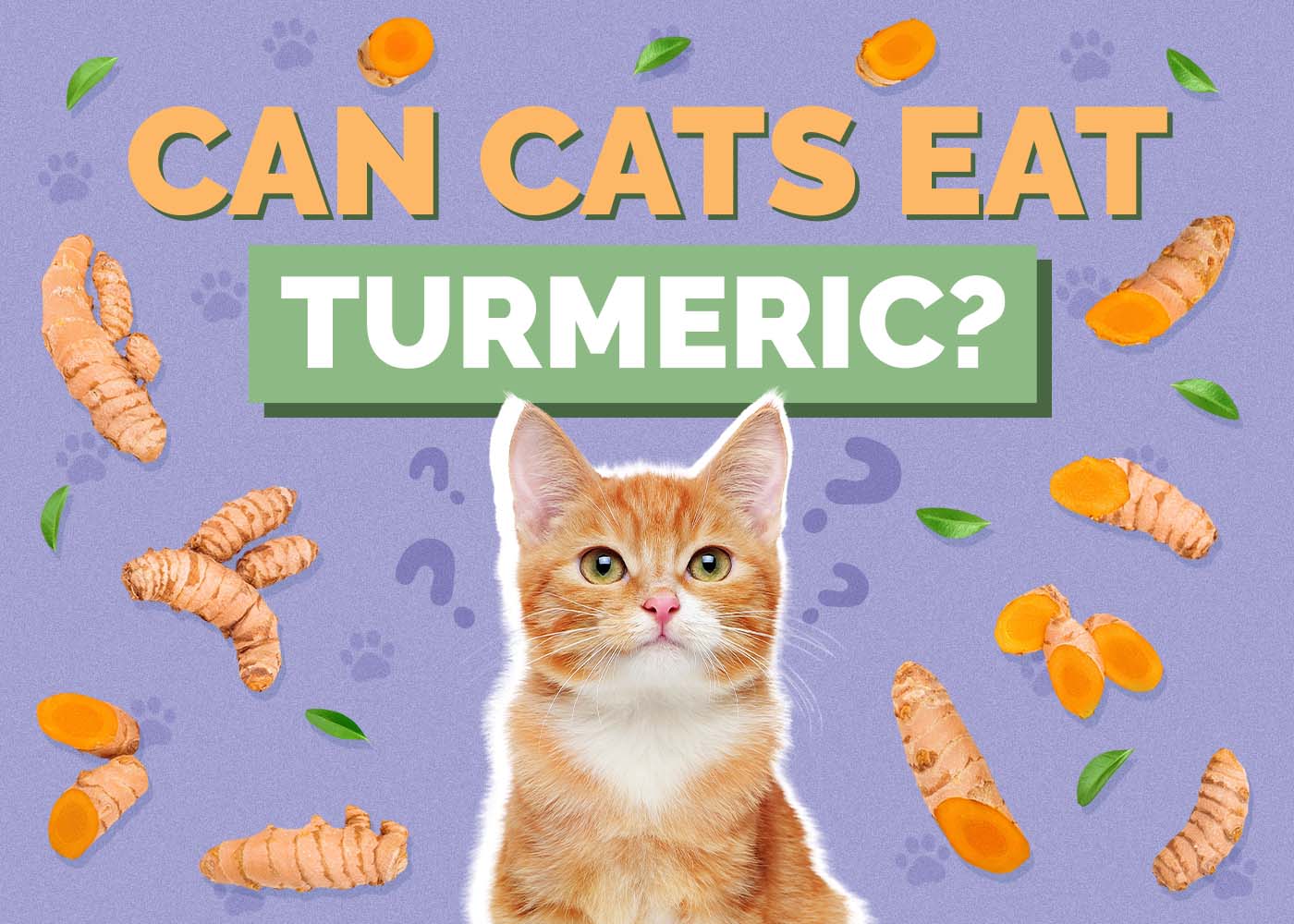
We all know turmeric and its use in cuisine, particularly as one of the major ingredients in curry powder. You may also know that it has a number of health benefits, so perhaps you’re wondering if you can give turmeric to your cat. Is turmeric safe for your cat?
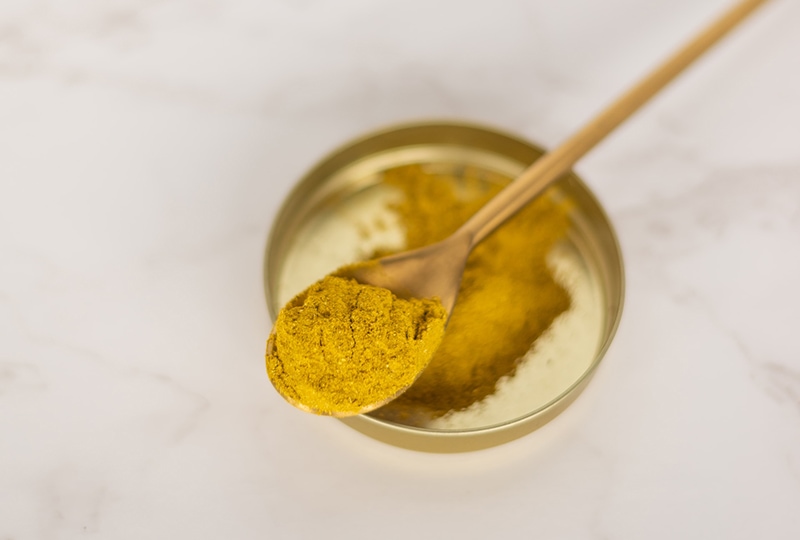
Absolutely! Turmeric is good for cats, but only as long as you give your cat pure powdered turmeric that is medicinal. This means high-quality turmeric only and not anything that you would typically find in a grocery store.
Here, we discuss how turmeric benefits cats and the best way to give it to them. We’ll also go over a few of the negatives, such as any possible side effects and when it isn’t a good idea to give turmeric to your cat.

All About Turmeric
Turmeric has its origins in India, nearly 4,000 years ago. It was used as a spice, and it has been used medicinally and as an effective dye. Turmeric is technically a root, and it belongs to the ginger family.
Probably the most important compound in turmeric is curcumin, which is what gives it medicinal properties.
The health benefits of turmeric may include:
- Has high anti-inflammatory and antioxidant properties
- Helps protect against degenerative processes in the brain, including Alzheimer’s
- Lowers the risk of heart disease
- Aids in preventing and possibly treating cancer
- Is effective in treating arthritis
- Helps treat depression
- Promotes longevity
Turmeric also makes our curries taste (and look) amazing!

What’s the Best Way to Give Turmeric to a Cat?
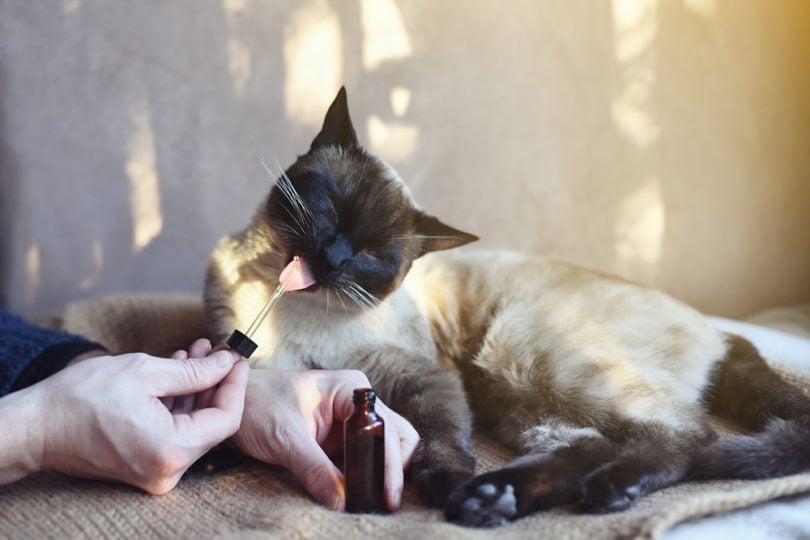
First of all, you could aim for turmeric made specifically for cats. This way, you know that it's safe and should have higher-quality medicinal ingredients. If you do opt for turmeric like this one, follow the instructions on how much is the right amount to give your cat.
If it's a capsule, you can open it up and either sprinkle the turmeric on the food or your cat's paws so it gets licked off.
Potential Issues of Feeding Turmeric to Cats
First, there have been no scientific studies on the effects of turmeric on cats. Only a few studies have been completed on humans, so we can only assume that our cats might similarly benefit from turmeric. Most of the discussions on the health benefits for cats are purely anecdotal and come from cat owners rather than scientific testing.
Turmeric is a natural blood thinner that can work well for blood clots, but if your cat has any kind of blood disorder or is already on a blood-thinning medication, turmeric should be avoided. If your cat is already on any kind of medication, you should speak to your vet before adding turmeric to your cat’s diet. You’ll want to ensure that it won’t react with their meds.
Yet another possibility is constipation. This isn’t a typical side effect, but if your cat already struggles with constipation, turmeric might exacerbate it.
You might find a recipe for a turmeric paste that includes coconut oil and black pepper. Be careful about giving your cat turmeric with added ingredients, particularly if your cat has any liver, kidney, or digestion issues, as they might not be able to tolerate those ingredients.
You should also be sure to read through the ingredients for any turmeric that you purchase, as it shouldn’t contain any added colors, preservatives, or elements that could end up making your cat sick or worse.
Finally, keep in mind that if your cat has white fur, you’ll be essentially dying your cat yellow if you put any turmeric on their coat, whether you’re putting it on white paws to be licked off or placing it on a wound to speed up healing. This won’t necessarily hurt your cat, but it can take a few months to fade.
Now that you know what you can safely feed your cat, it’s just as important to find a bowl that supports their health and well-being. With whisker-friendly bowls and a wide tray to catch any spills, our Hepper NomNom Cat Bowl is our favorite option.

- NO MESS - The 360° tray on this cat food and water bowl set has a raised design to catch and contain stray crumbs and drips. Protect your indoors and floors from wet and messy meals!
- WHISKER FRIENDLY - Shallow and wide metal containers with flat bottoms ensure your kitty can enjoy mealtime free from whisker fatigue!
- CHEW-SAFE MATERIALS - Kittens and cats love chewing on silicone and soft rubber - but it's a choking hazard. Our cat feeding station materials are anti-chew for a 100% safe feeding frenzy!
Conclusion
The final verdict is that for the most part, turmeric is safe for most cats and can provide numerous health benefits. (As long as you don’t feel the need for scientific studies to back up this claim, but the proof is in the pudding, as they say.)
However, keep in mind that if your cat has been diagnosed with a serious illness or disease, like cancer, you can’t avoid the necessary medications and treatments and expect your cat to beat cancer with only the use of turmeric.
If you’re considering adding turmeric to your cat’s diet as a supplement due to any of these health issues, do speak to your vet first. If your vet okays your using turmeric as an additional method for helping your cat, then by all means, go for it!
While turmeric can prove helpful for things like arthritis or other conditions dealing with pain and inflammation, it is not a magical cure-all. So, approach it with professional veterinary advice and a little caution, and try not to bring your high expectations into the mix, and just maybe, your cat might feel a little better thanks to turmeric.
See also:
Featured Image Credit: stevepb, Pixabay
Get Hepper In Your Inbox


Pet care tips from our vets and experts, straight to your inbox.
You may opt-out at any time. View our Privacy Policy for more information.
Kathryn was a librarian in a previous lifetime and is currently a writer about all things animals. When she was a child, she hoped to work in zoos or with wildlife in some way, thanks to her strong love for animals. Unfortunately, she's not strong in the sciences, so she fills her days with researching and writing about all kinds of animals and spends time playing with her adorable but terribly mischievous tabby cat, Bella. Kathryn is hoping to add to her family in the near future – maybe another cat and a dog.
Join the conversation
Ask a question, share your story, or send private feedback.