Hepper is reader-supported. When you buy via links on our site, we may earn an affiliate commission at no cost to you. Learn more.
Can Dogs Drink Beer? Vet Approved Risks, Facts & Safety Guide


In this article
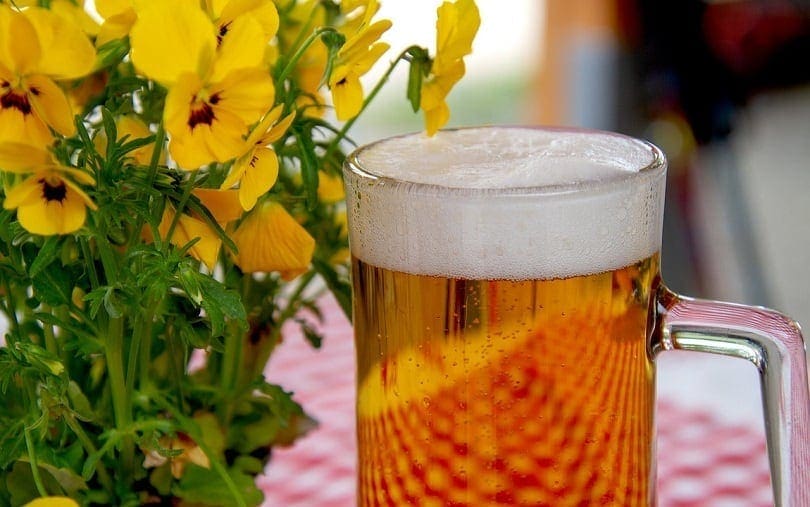
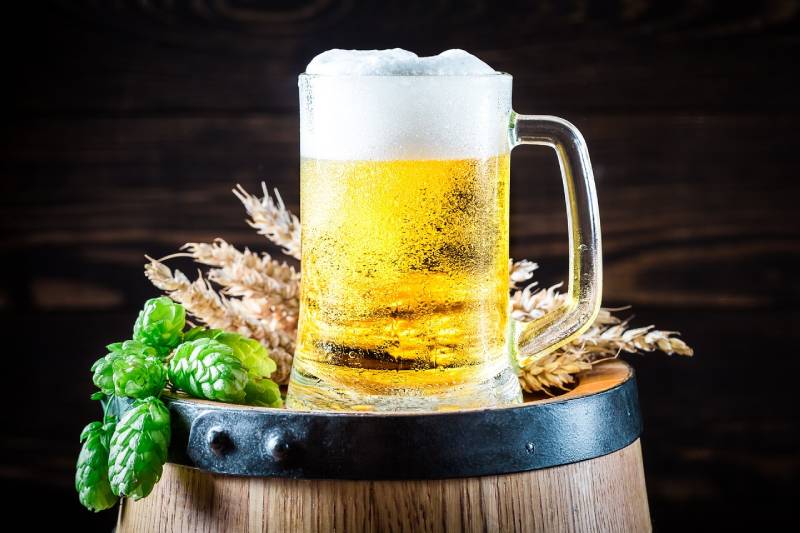
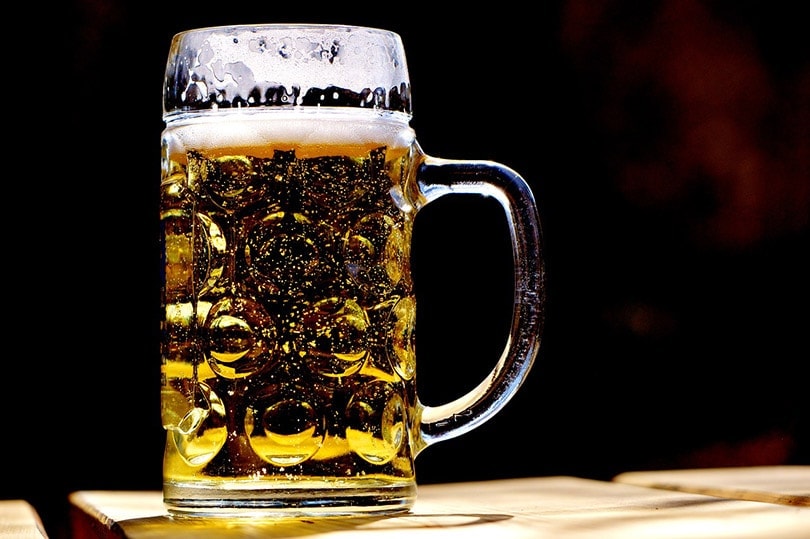
It is always nice to crack open a cold one at the end of a long day, but as you kick back and relax you may have those irresistible puppy eyes staring right into your soul, seeming to beg you for a sip. While it’s always nice to share an ice-cold beer in the company of a close friend, you should never offer any beer to your dog as it is toxic.
We all want what is best for our four-legged family members, which means making sure we don’t give them anything that could put their health and safety at risk. Keep reading to learn more about why beer is a big no no in the canine world.

Why Dogs Should Never Drink Beer
There’s no way around it, beer is bad for dogs. Beer contains alcohol, which is toxic, and consumption can easily lead to alcohol toxicity1. This can happen even if only a small amount has been consumed and while this is especially true for small dogs, it can be dangerous regardless of the dog’s size.
Some dogs may be enticed by beer and may even go out of their way to try and drink it. In severe cases alcohol toxicity can lead to organ failure and death, so there is no circumstance where it is okay to allow your dog to drink beer or any other type of alcoholic beverage.
Signs of Alcohol Toxicity in Dogs
In mild to moderate cases of alcohol toxicity, dogs respond similarly to humans. Thankfully, in many cases, the effects are mild, and dogs will fully recover, but that doesn’t mean you should underestimate the potential dangers of alcohol toxicity.
Do not hesitate to call your veterinarian, local emergency clinic, or the Pet Poison Helpline if you have any concerns and to see if treatment may be necessary if your dog has consumed alcohol. Signs of toxicity will often come on quickly, within 20 to 30 minutes after consumption.
If your dog has gotten into beer or any other alcoholic food or beverage, keep an eye out for the following clinical signs:
- Depression or lethargy
- Lack of coordination, stumbling
- Drooling
- Vomiting and diarrhea
- Weakness
- Hypoglycemia (low blood sugar)
- Hypotension (low blood pressure)
- Hypothermia (low body temperature)
Signs of Severe Alcohol Toxicity
- Decreased respiratory rate
- Tremors
- Seizures
- Collapse
- Death
Treatment and Prognosis of Alcohol Toxicity
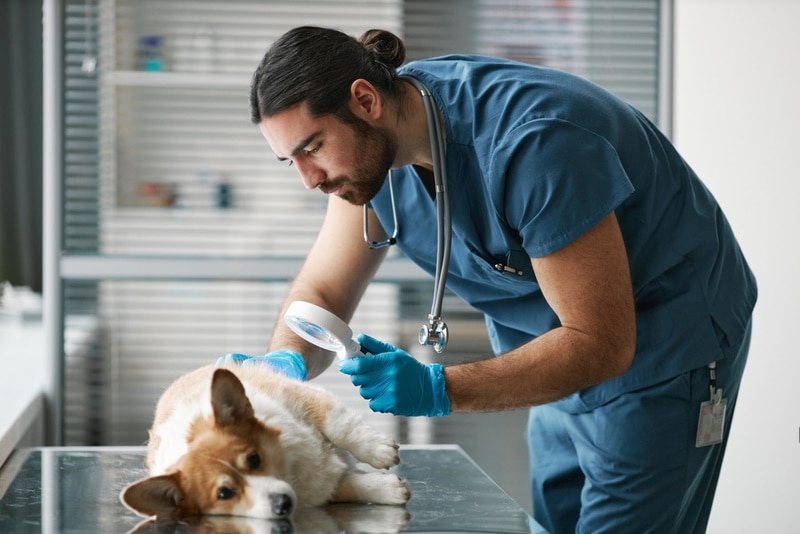
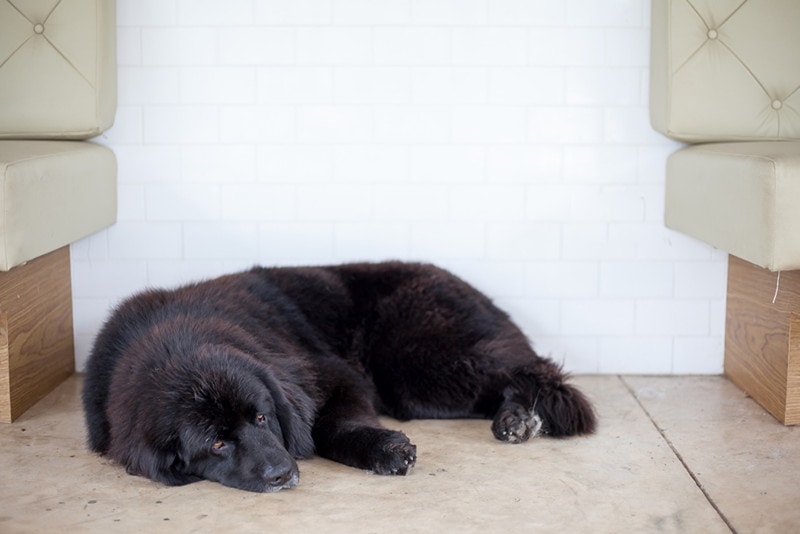
Early treatment of a toxic dose of alcohol is key to the best prognosis, especially if the dog has not yet begun showing clinical signs of toxicity. Your vet may induce vomiting to rid their body of the toxins.
There is no specific treatment for alcohol poisoning and medications are often used to offset the serious side effects. This may include IV fluids, IV dextrose to correct the low blood sugar, anti-nausea medication, and providing warmth to combat low body temperature.
Hospitalization may be required to monitor the dog to ensure they are on the road to recovery. The prognosis for alcohol toxicity is often good with prompt veterinary care and a full recovery is expected within 24 to 36 hours following treatment.

Tips for Keeping Your Dog Safe
Keeping our beloved pups safe is one of our top priorities. To do so, here are some tips for keeping your dog safe from toxic substances within the comfort of your own home.
Know What Household Items Are Toxic
Pet owners should always understand what items pose a potential danger to their pets, that way they can do their best to ensure their health and safety. Pets falling ill to toxic household items is a very common emergency seen in veterinary clinics.
There are many foods and beverages that are safe for people but pose a severe threat to our four-legged family members. You also must consider other household items that are toxic for both pets and people that we already know to keep out of.
Here’s a list of the most common household toxins for dogs:
Keep Things Organized and Put Away
There’s no getting around having some sort of toxic substance in your house that could be dangerous for your dog, so the key to keeping them safe is putting things away. Make sure you have a safe, secure place in your home to store any toxic household cleaners or other items.
As far as food and drinks are concerned, make sure you keep them safely in the cupboards, pantry, or refrigerator and never leave food or beverages unattended.
This can be difficult to do but considering that dogs will sometimes take matters into their own hands and commit thievery, it’s important to be mindful of what you have out and always put it away safely.
Also, having a securely locked garbage can is ideal. Dogs love stealing from the trash and since it will be full of various things that could make them sick, having a locking lid is a must.
Never Leave Your Dog Unsupervised Around Known Toxins
Regardless of whether you are drinking a beer or any other alcoholic drink, or even if you are eating food that is toxic to your dog, you should make sure you never leave your pup unsupervised around anything that could potentially cause them harm.
Contact Your Veterinarian with Any Concerns
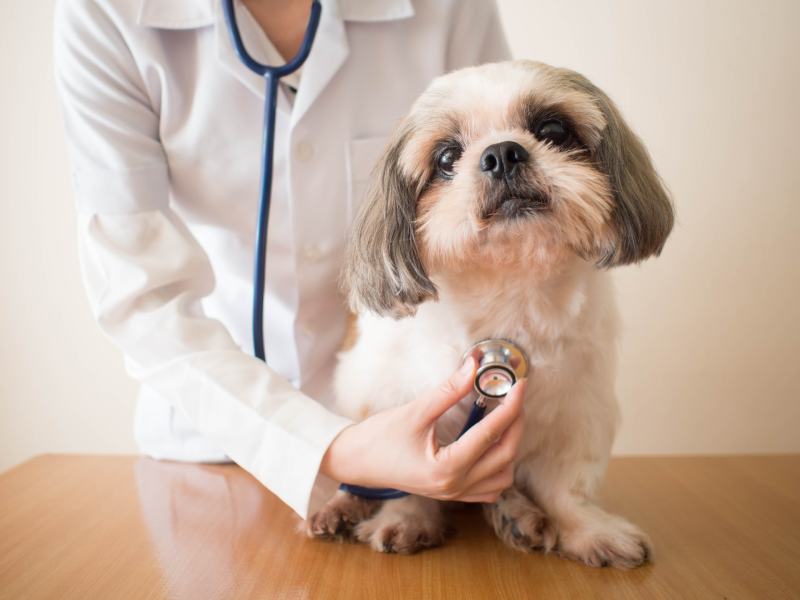
Accidents happen and even the most careful dog owners are subject to those awful situations where their dog has gotten into something they shouldn’t. The best thing you can do in this case is to have your veterinarian’s contact information close by and reach out anytime there are concerns over something they’ve drank or eaten. If it’s after hours, call your local emergency clinic or the Pet Poison Helpline for assistance.

Conclusion
Dogs cannot drink beer because alcohol is toxic and can be very dangerous even in small amounts. Thankfully, with prompt treatment, toxic doses of alcohol often have excellent prognosis. While you may not always have control over what your dog consumes, you should never allow them access to beer or any other toxic food or drink. Always put safety measures in place within the home and call your veterinarian if you ever have any concerns about your dog’s health.
Sources
Featured Image Credit: Caravel-Productions, Pixabay
Get Hepper In Your Inbox


Pet care tips from our vets and experts, straight to your inbox.
You may opt-out at any time. View our Privacy Policy for more information.
Lindsay is a wife, mother, nature enthusiast, animal lover, and business major. She was born and raised in the United States and now lives in Tulsa, Oklahoma. She shares her home with a German Shepherd, several snakes, tarantulas, and a couple of rescue cats.
Lindsay and her husband enjoy traveling the US with their children and photographing wildlife. Lindsey is passionate about proper animal care and education around it!
Join the conversation
Ask a question, share your story, or send private feedback.