Hepper is reader-supported. When you buy via links on our site, we may earn an affiliate commission at no cost to you. Learn more.
Can Dogs Eat Acai Berries? Vet Reviewed Risks & Tips



In this article
As a pet parent, it is important to provide your fur babies with foods that give them balanced nutrition and help them lead healthy lives. There are always new superfoods or fads taking over the Internet that claim to help with these goals. For dog owners, it’s only natural to wonder if these superfoods are not only healthy for us, but also good for our pets. One of the most popular superfoods currently being talked about is acai berries. It’s easy to find information about the benefits of acai berries for us humans. But what about our dogs? Can dogs eat acai berries and how healthy are they?
While acai berries are very beneficial for humans, answering whether your dog can enjoy these berries isn’t as straightforward as you may hope. There is mixed information out there, but it’s generally not a good idea for your dog to eat acai berries, as they contain theobromine which is the same compound found in chocolate that makes it bad for dogs.1 However, if your dog accidentally ate a couple of acai berries, it is unlikely to cause harm.

A Bit About Acai Berries
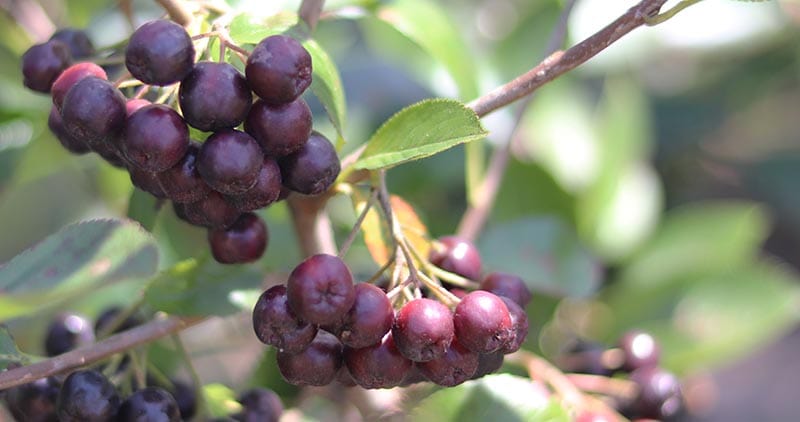
An acai berry is a reddish-purple fruit that is roughly an inch long. This tasty berry comes from the acai palm tree. These trees are native to Central and South America. The berries are quite tasty but there is so much more to them than that. The reason these berries are considered a superfood is the antioxidants and other beneficial nutrients they contain. It is even debated that acai berries have more beneficial antioxidants than other popular fruits like strawberries, cranberries, and blueberries. Whether this is true or not, the antioxidants, omega-3 fatty acids, calcium, and anthocyanins inside are great for humans but may not be so great for our dogs.
The Dangers of Giving Your Dog Acai Berries
While acai berries provide lots of health benefits, there are dangers you should be aware of for dogs. This is why you should always discuss any addition to your dog’s diet with your veterinarian before you make big changes.
Theobromine
Theobromine is the ingredient in chocolate that is so dangerous for our dogs. It is also the biggest source of concern when it comes to acai berries since they also contain this dangerous ingredient. Theobromine can be beneficial to humans, but unfortunately, dogs cannot metabolize it. Now, there isn’t as much theobromine in acai berries as there is in chocolate. This is why you shouldn’t worry too much if your dog sneaks a bite of one. But be extremely cautious about the number of acai berries your dog eats. Too many could lead to theobromine poisoning.
Here are signs that your dog ate too much acai berries and may have theobromine poisoning:
If your dog experiences any of these signs of theobromine poisoning after ingesting acai berries, immediately contact your veterinarian for treatment. Quick action is your dog’s best chance in this situation.

Ficin/Ficusin
Even if the theobromine found in acai berries doesn’t bother your dog, it’s still not a good idea to let your dog eat them because acai berries contain compounds known as ficin and ficusin. These compounds are also found in fig trees and ficuses, which dogs also shouldn’t eat. Ficin and ficusin are also known allergens. If your dog eats acai berries, carefully monitor them for any signs of allergic reactions in addition to signs of theobromine poisoning.
Should I Give My Dog Acai Berries?
While acai berries offer health benefits, there are also dangers involved when it comes to your dog. Reach out to your veterinarian if you have any concerns about your dog eating acai berries. They can discuss acai berries and their dangers, and even suggest how much is safe for your dog. The bottom line is that these berries should not be given to your dog daily or made part of their routine diet. But if they sneak one or two, they’re likely to be okay. If anything unusual or concerning happens after your dog eats acai berries, immediately reach out for medical assistance.

Final Thoughts
When it comes to acai berries, answers aren’t straightforward. They contain theobromine, so there are dangers dog owners should know. But, they generally contain less theobromine than chocolate so aren’t likely to cause much harm unless your dog eats a lot of them. As always, if you see anything concerning after your dog eats acai berries, contact your veterinarian immediately for assistance.
See also:
Can Dogs Eat Berries? Vet-Reviewed Nutrition Facts & Safety Guide
Can Dogs Eat Boysenberries? Vet-Reviewed Facts & Health Concerns
Featured Image Credit: New Africa, Shutterstock
Get Hepper In Your Inbox


Pet care tips from our vets and experts, straight to your inbox.
You may opt-out at any time. View our Privacy Policy for more information.
Melissa was born and raised in the mountains of East Tennessee where she spent her time writing in an old notebook and playing outside with her pets. As an avid animal lover, she has brought many into her home over the years. Currently, she is the mom of 5 fur babies. Her 2 cats, Princess and Pepper are total opposites who demand attention. Her dogs Jazzy, Whitey, and Demon are full of spunk and keep the entire family on their toes.
Beyond life as an animal mom, Melissa is a dedicated wife and mother to 2 children. Writing in her old notebook led her down the path of becoming not only a freelance writer but a published Indie author under the pen name, Rena Marin.
Join the conversation
Ask a question, share your story, or send private feedback.