Hepper is reader-supported. When you buy via links on our site, we may earn an affiliate commission at no cost to you. Learn more.
Can Dogs Eat Berries? Vet-Reviewed Nutrition Facts & Safety Guide



In this article
Your furry friends are more than just pets; they are part of the family, so their nutrition and health should be a top priority. As pet parents, it is normal to ask, “Can my dog eat this?” Today, we’ll delve into the world of berries. Some are perfectly fine for dogs to consume, while others should be avoided. To ensure your pup stays healthy and happy, it’s important to know the difference.
Let’s delve into the world of berries. Some are perfectly fine for dogs to consume, while others should be avoided. To ensure your pup stays healthy and happy, it’s important to know the difference.
Therefore, we will be covering common berries that your dog may come into contact with over their lifetime. Whether in the home or in the wild, these are the berries you need to know about.

The 4 Berries Dogs Can Safely Consume
Let’s start with berries that are safe for dogs to eat. These berries are more likely to be found in your home, although it’s certainly possible to run into some of them during walks and hikes.
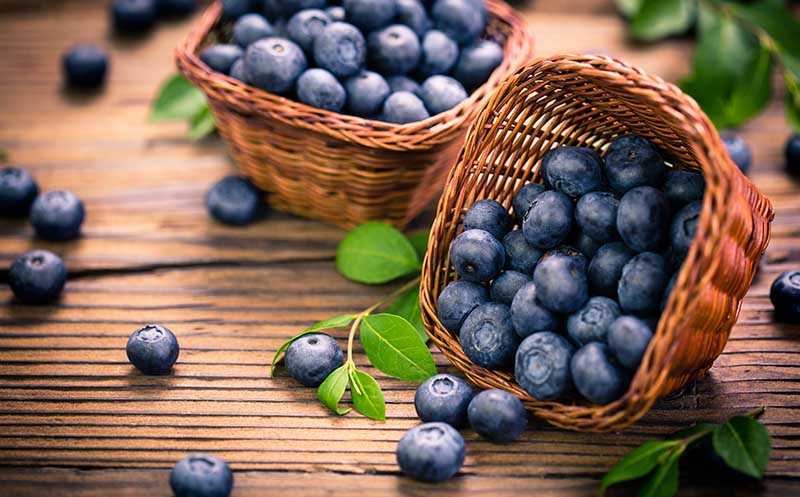
1. Blueberries
As natural superfoods high in antioxidants, blueberries are excellent treats for dogs. They are low in calories and rich in anthocyanins and vitamins, which contribute to your pup’s overall health. Moreover, they are small and soft, so there’s no choking hazard. However, like all things, they should be given in moderation.
2. Strawberries
Strawberries are safe for dogs to consume. They contain enzymes that can aid in your dog’s digestion. They are also a source of antioxidants, such as phytochemicals, anthocyanins, and ellagitannins, along with various other healthy nutrients that can enhance your dog’s nutrition and overall health. We recommend removing any leaves and stems before giving strawberries to your dog, and be sure to only offer them in moderation to prevent an upset stomach.
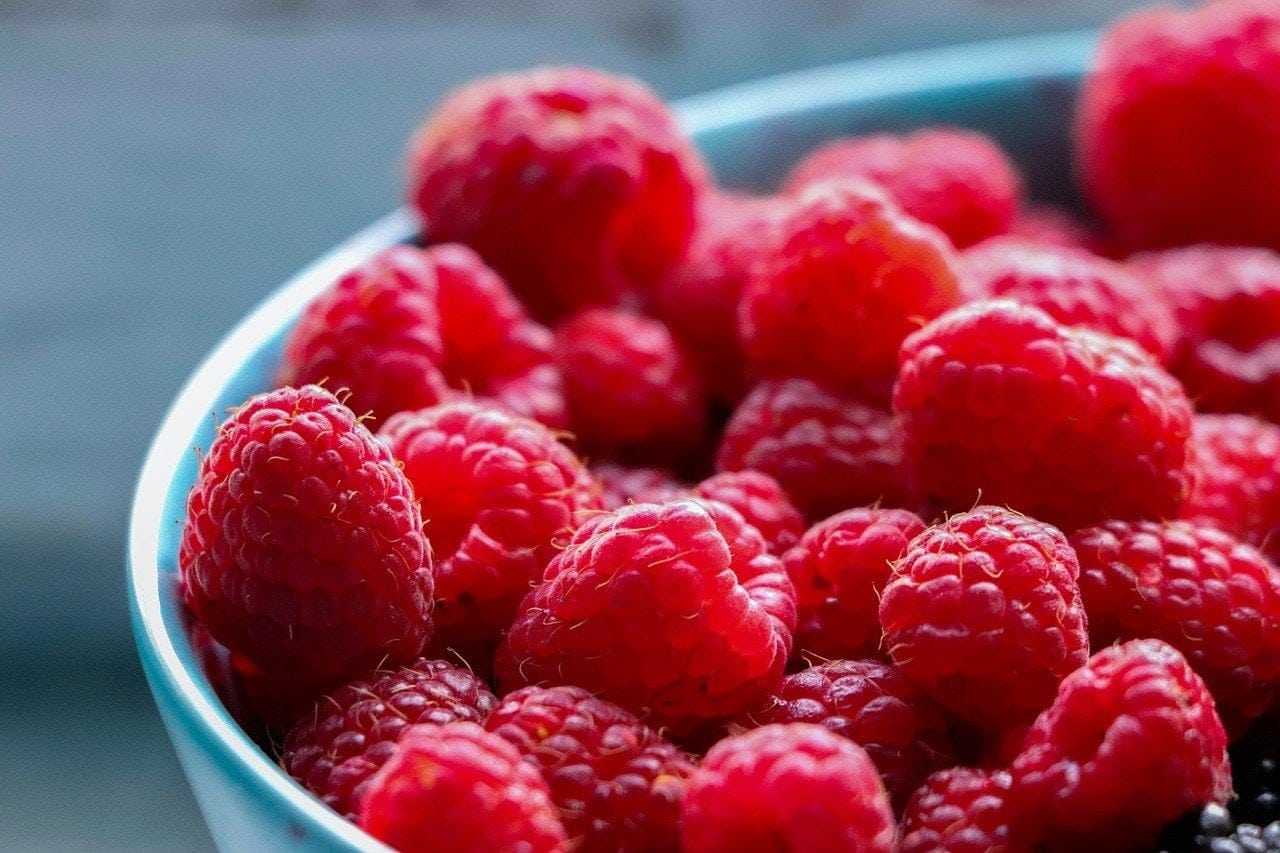
3. Raspberries
Raspberries can be enjoyable treats for your furry friend. They’re low in sugar and high in fiber, vitamins, and antioxidants. However, they contain small amounts of xylitol, a substance harmful to dogs in large quantities, so keep the portion size small (a handful is typically fine for large dogs, less for small breeds). They would need to consume several cups before signs of xylitol toxicity are observed.
4. Blackberries
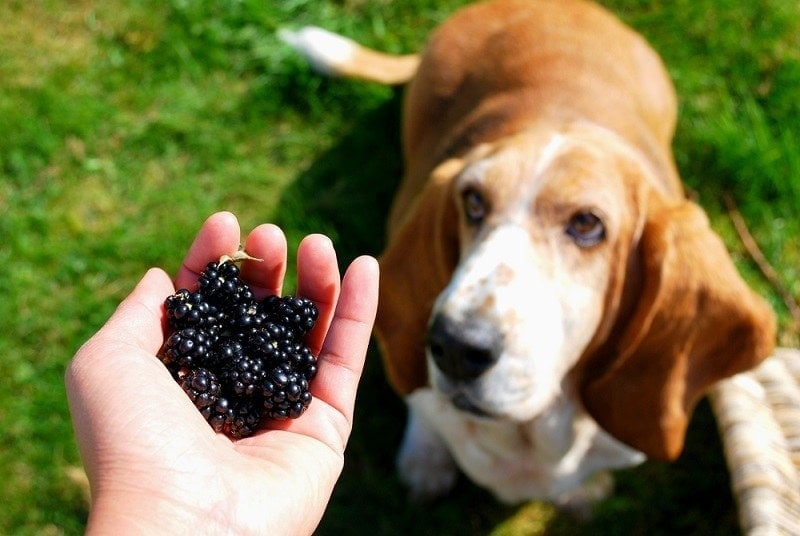
>Blackberries are dog-safe berries. They are full of vitamins and antioxidants and provide a healthy dose of fiber. Blackberries can support the immune system and promote healthy skin and coat. Portion control is essential, and the berries should be fresh and thoroughly cleaned.

The 9 Berries Dogs Should Avoid
Now it's time for the not-so-good or downright bad berries of the bunch. These are the ones you need to avoid—here’s why.
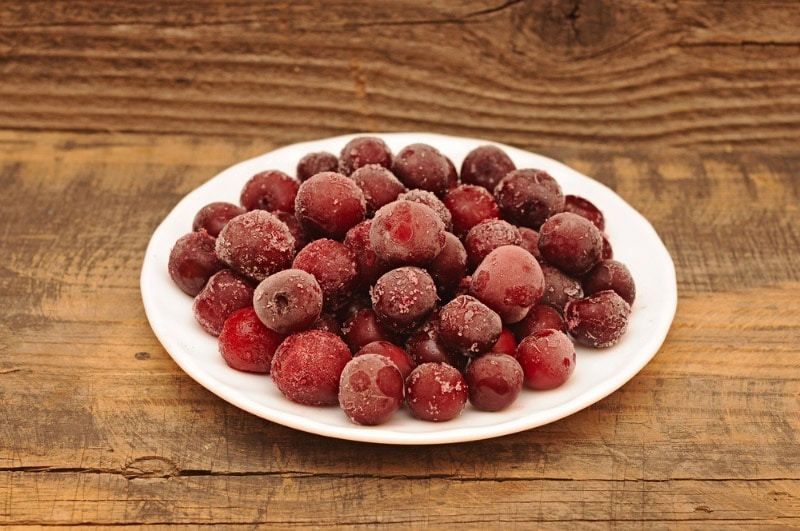
1. Cherries
Cherries are fruits to keep away from dogs. The pit, stem, and leaves of cherries contain cyanide, which is toxic to dogs. While the cherry pulp isn’t toxic, it’s not worth the risk if they accidentally ingest the pit, which also presents a choking hazard.
2. Juniper Berries
Often used in cooking and to flavor gin, juniper berries might cause an upset stomach in dogs. They should be kept out of your dog’s reach.
3. Mistletoe Berries
While mistletoe is a staple of holiday decorations, its berries can cause severe discomfort in dogs. Signs may include gastrointestinal irritation, low blood pressure, slowed heart rate, ataxia, and even death in large quantities. Though toxicity is uncommon, keep these holiday decorations well out of your pet’s reach.

4. Salmonberries
Salmonberries are typically not recommended for dogs, as they can cause upset stomachs. While not typically lethal, it’s best to err on the side of caution and keep your dog away from these berries.
5. Holly Berries
Holly berries contain toxic saponins, which can be problematic to dogs. Consumption can result in signs like vomiting, diarrhea, loss of appetite, and decreased activity.

6. Baneberries
Baneberries are highly toxic, and even small amounts can be dangerous to dogs. They can cause a burning sensation in the mouth, nausea, and vomiting, and in severe cases, they can cause kidney damage. The toxins compounds that they contain include protoanemonin, glycosides, and essential oils.
7. Pokeberries
Baneberries are highly toxic, and even small amounts can be dangerous to dogs. They can cause a burning sensation in the mouth, nausea, and vomiting, and in severe cases, they can cause kidney damage. The toxins compounds that they contain include protoanemonin, glycosides, and essential oils.
8. Dogwood Berries
While dogwood berries are not lethal, they can cause an upset stomach if eaten in large quantities. The large seeds may also cause choking or gastrointestinal obstruction. Stick to the safe list when it comes to treating your dog to berries.
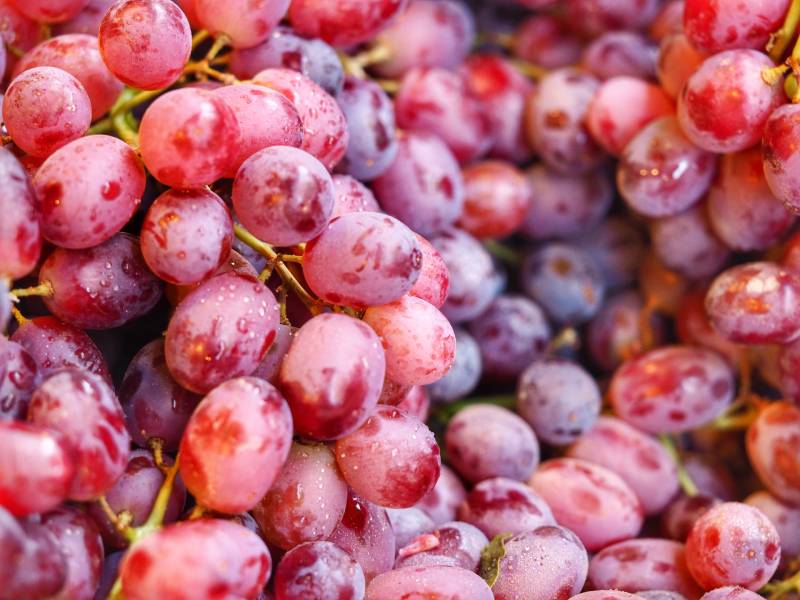
9. Grapes & Raisins (Currants)
While not technically berries, grapes, raisins, and currants are often mistaken as such and are worth mentioning. All of these can be extremely toxic to dogs, leading to acute kidney failure, even in small quantities. Therefore, they should always be kept out of reach from your pet.

Can Dogs Eat Wild Berries?
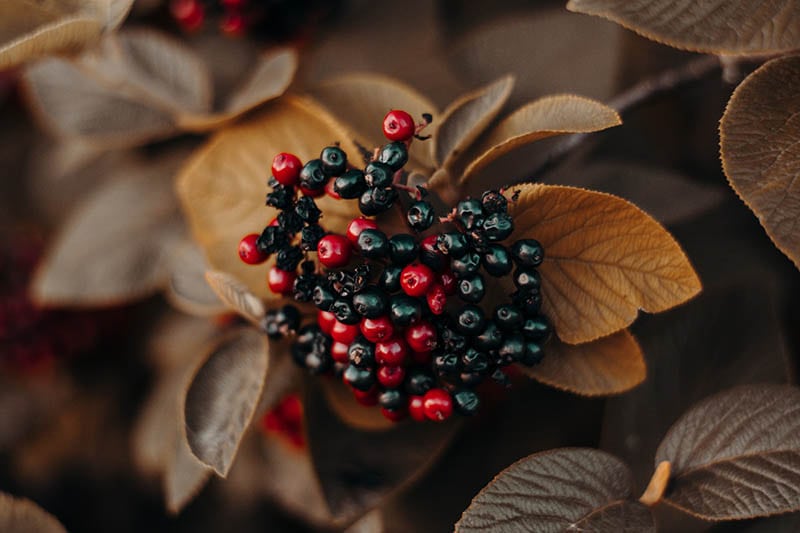
There’s a variety of wild berries out there, and it’s not always easy to identify which are safe for dogs and which are not. As a rule of thumb, avoid letting your dog snack on wild berries unless you can positively identify them as a safe variety. Certain types of wild berries, like nightshade, can be toxic to dogs.
Are Berries Beneficial to Dogs?
Absolutely! Berries that are safe for dogs can be beneficial for several reasons. They are usually low in calories and high in antioxidants, vitamins, and fiber. Antioxidants can help reduce inflammation and boost the immune system. Vitamins and fiber support overall health and digestion.
However, while berries can supplement a dog’s diet, they shouldn’t constitute the primary food source. Rather, they are best served as treats and should make up no more than 10% of your dog’s daily caloric intake.
How to Feed Berries to Dogs
When giving your berries to your dog, always ensure they are fresh and thoroughly washed to remove any pesticides or chemicals that could be harmful. Large berries, like strawberries, can be cut into smaller pieces to reduce choking hazards.
Always introduce a new food to your dog’s diet gradually. Start with a small number of berries, and monitor your pet for any signs of an upset stomach or allergic reactions. If no issues occur, you can gradually increase the quantity, but always in moderation.
Signs of Berry Toxicity in Dogs
In the unfortunate event that your dog has consumed berries that are bad for them, it’s crucial to recognize the signs of potential toxicity. Each type of berry can produce different signs, but general signs to look out for include:
- Vomiting or diarrhea
- Loss of appetite
- Weakness or lethargy
- Difficulty breathing
- Abnormal behavior, such as restlessness or aggression
- Increased heart rate
- Excessive drooling
- Tremors or seizures
If your dog shows any of these signs after eating berries, seek veterinary attention immediately. Berry toxicity can be serious, and swift action is often key to a positive outcome!
What to Do if Your Dog Eats Toxic Berries
If you suspect your dog has eaten toxic berries, follow these steps:
Remember, when it comes to your dog’s health, it’s always better to err on the side of caution. If you’re ever unsure whether a berry is safe for your dog, play it safe and simply avoid it altogether.
Conclusion
Berries can be healthy and tasty treats for your dog, offering a plethora of vitamins, fiber, and antioxidants. But as a pet parent, it’s imperative to know which berries are safe for consumption and which are not.
Always remember that moderation is key, and when in doubt, consult with a veterinarian to ensure the safety and health of your pet. By following this guide, you’ll be able to provide your canine companion with a delightful berry treat that also packs a nutritious punch!
Sources
Featured Image Credit: Annemarie Grudën, Unsplash
Get Hepper In Your Inbox


Pet care tips from our vets and experts, straight to your inbox.
You may opt-out at any time. View our Privacy Policy for more information.
Nicole is a lover of animals of all sizes but is especially fascinated with the feline variety. She’s the proud mom of Baby, a Burmese, and works every day so he can relax in the sunshine or by the fire. She’s always had a cat in her home and has spent countless days with others, observing behaviors and softening up even the grouchiest of the lot. Nicole wants to share her kitty expertise with you so you and your cat can live happy, healthy, and care-free.
Join the conversation
Ask a question, share your story, or send private feedback.