Hepper is reader-supported. When you buy via links on our site, we may earn an affiliate commission at no cost to you. Learn more.
Can Dogs Eat Boysenberries? Vet Reviewed Facts & Health Concerns



In this article
If you have a furry companion at home, you may be curious if they can eat some of the same foods you enjoy. It is always better to be safe than sorry, especially when it comes to your pet's health. So, before you offer your pup scrumptious summer snacks, like boysenberries, it is vital to know whether these are safe for them to eat.
Boysenberries can be okay for our dogs in small portions but read on below to find out more.

What Are Boysenberries?
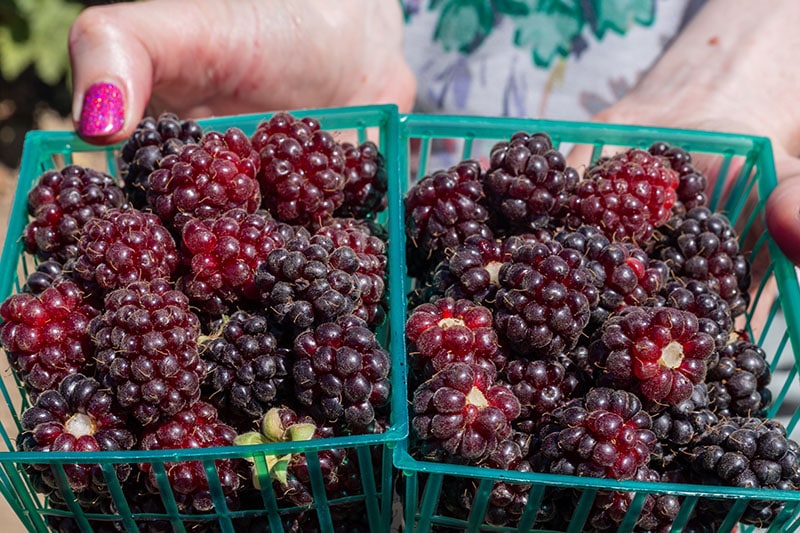
The boysenberry is a type of blackberry that is large and dark reddish black in color. It has a unique sweet and tangy flavor that makes it a popular choice for use in pies and cobblers, preserving, and canning. Although its exact origins are uncertain, it is believed to be a cross between a blackberry and a loganberry, or a red raspberry, or possibly both. This fruit is primarily grown in New Zealand and the United States, particularly in the Pacific Coast regions from southern California to Oregon.
The boysenberry was first cultivated in the early 1920s by Rudolph Boysen, a horticulturist from Anaheim, California. He later transferred his findings to farmer Walter Knott to develop commercially. Though its short shelf life contributed to the decline in commercial popularity, this fruit remains a favorite among home gardeners and can be found at farmers’ markets when in season.
Can Dogs Eat Boysenberries?
Dogs can safely consume boysenberries without experiencing any harmful effects. These berries offer a plethora of essential nutrients, including vitamin K, potassium, iron, manganese, and calcium, which all support your dog's overall health. In addition, boysenberries are an excellent source of dietary fiber, which can help regulate their digestive system.
Moreover, the vitamin C in these berries may boost your furry friend's immune system.. Boysenberry seeds are also safe for dogs to eat, so there is no need to worry about choking. However, it is crucial to note that excessive consumption of boysenberries can result in diarrhea or stomach upset, so it is best to serve this fruit in moderation.

Other Berries Your Dog Can Eat
Besides boysenberries, there are several other berries and fruits your dog can safely eat—always in moderation, of course.
Strawberries
Your furry friend can enjoy the goodness of strawberries without any worries, as they make for a healthy and delicious snack. These sweet treats are packed with antioxidants that help protect the body against damage from free radicals. Moreover, strawberries are a fantastic source of vitamin C and fiber, which are essential for maintaining good digestive health.
Blueberries
Your furry companion can have some blueberries occasionally too. This fruit offers many health benefits to humans, similar to strawberries. This fruit makes a delicious and healthy treat. Plus, they're low in calories and sugar, so you can feel good about sharing a bite with your pup.
Blackberries
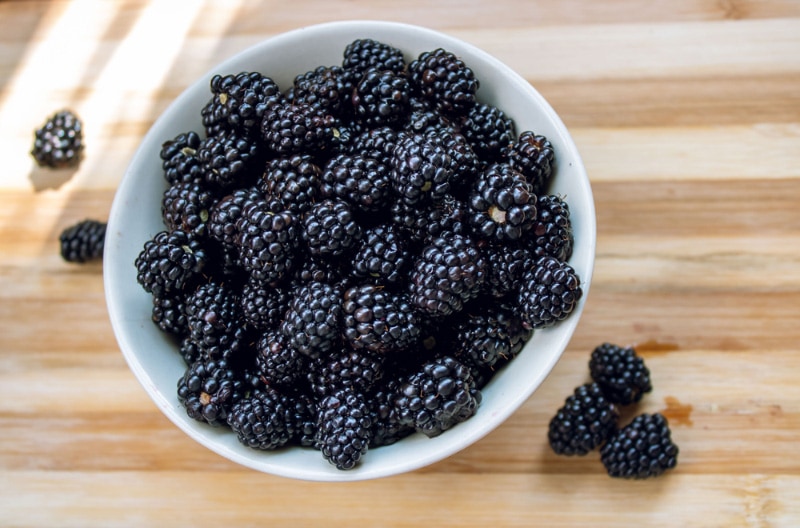
These low-sugar berries are juicy and loaded with nutrition. They contain high levels of anthocyanins, a powerful antioxidant that can be found in blue, purple, and red foods. Blackberries are also a fantastic source of fiber that can help keep your dog's digestive system running smoothly. And let's not forget the vitamins: these fruits are full of vitamins K, C, E, B, and A.
Raspberries
Raspberries are a good food source for promoting digestive health due to their high dietary fiber content, as well as their abundance of B complex vitamins, vitamins C and K, and essential minerals like folic acid, potassium, iron, copper, manganese, and magnesium. However, it's also worth mentioning that raspberries contain some levels of xylitol, which can harm dogs and even lead to severe conditions like hypoglycemia and liver disease. However, as long as raspberries are fed to dogs in moderation, the xylitol levels are generally not significant enough to cause any damage.
Unsafe Berries for Dogs
You need to be careful when giving your pet berries as a treat. While some berries may be safe, others can be harmful due to pits or toxins. If you suspect your animal has consumed something that makes them unwell, it's best to contact your veterinarian immediately. They can provide guidance and treatment to ensure your furry friend is healthy and happy.

Grapes
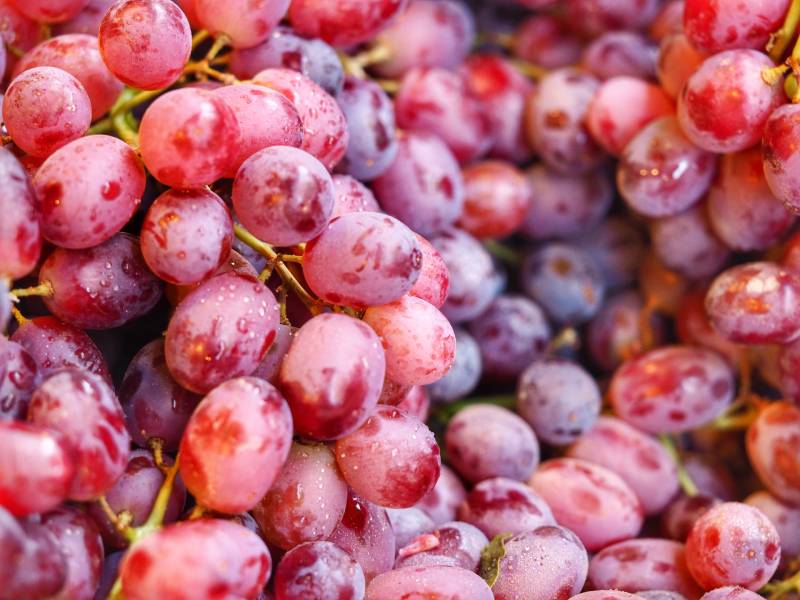
You must never give your dog grapes! Grapes and raisins, which are just dried grapes, can be extremely harmful to them. Grapes can lead to severe reactions, such as kidney failure, which can even be fatal. Although the exact reason why grapes are toxic to dogs is still unknown, it's best to err on the side of caution and avoid feeding them to your furry friend.
Wild Berries
It's essential to be cautious when letting your dog eat berries found in nature. While many types of berries are safe and healthy for humans to consume, not all of them are suitable for dogs. Some wild berries may contain toxins, pits, or other substances that could potentially harm your furry companion. For this reason, it's best to avoid letting your dog eat berries such as holly, mistletoe, and salmonberries, which can pose a risk to their health.
How Many Boysenberries Should I Feed My Dog?
When providing berries to your dog, take their size into account. Only a few berries should be given for a small toy breed, whereas a giant breed, such as a Great Dane or Bernese Mountain Dog, might tolerate a handful. Wash the fruit beforehand to remove any dirt or pesticides, even if it was freshly picked from your yard. Frozen berries should be avoided since they often contain added sugar or xylitol. Depending on your dog's size and preference, you can feed them whole, diced, mashed, or pureed berries.
Conclusion
As a dog owner, you'll be thrilled to know that you can treat your beloved furry friend to a sweet and healthy snack with boysenberries. Not only are they safe for your pup to munch on, but they're also low in calories and sugar. Your dog will definitely appreciate these juicy treats every now and then.
And if you want more options, you can also give them strawberries, blueberries, and raspberries; they're all safe and yummy. So, why not spoil your pup with some nutritious and tasty berries?
Featured Image Credit: Vezzani Photography, Shutterstock
Get Hepper In Your Inbox


Pet care tips from our vets and experts, straight to your inbox.
You may opt-out at any time. View our Privacy Policy for more information.
Hanh is a freelance writer living in Vietnam. She has a big love for working online and writing about animals, especially dogs. She finds happiness in helping pet parents across the globe have a fulfilling life with their pets by sharing her knowledge and that of other experts. When not writing, she enjoys traveling and experiencing different cultures.
Join the conversation
Ask a question, share your story, or send private feedback.