Hepper is reader-supported. When you buy via links on our site, we may earn an affiliate commission at no cost to you. Learn more.
Can Dogs Eat Altoids? Vet-Reviewed Health Concerns


In this article
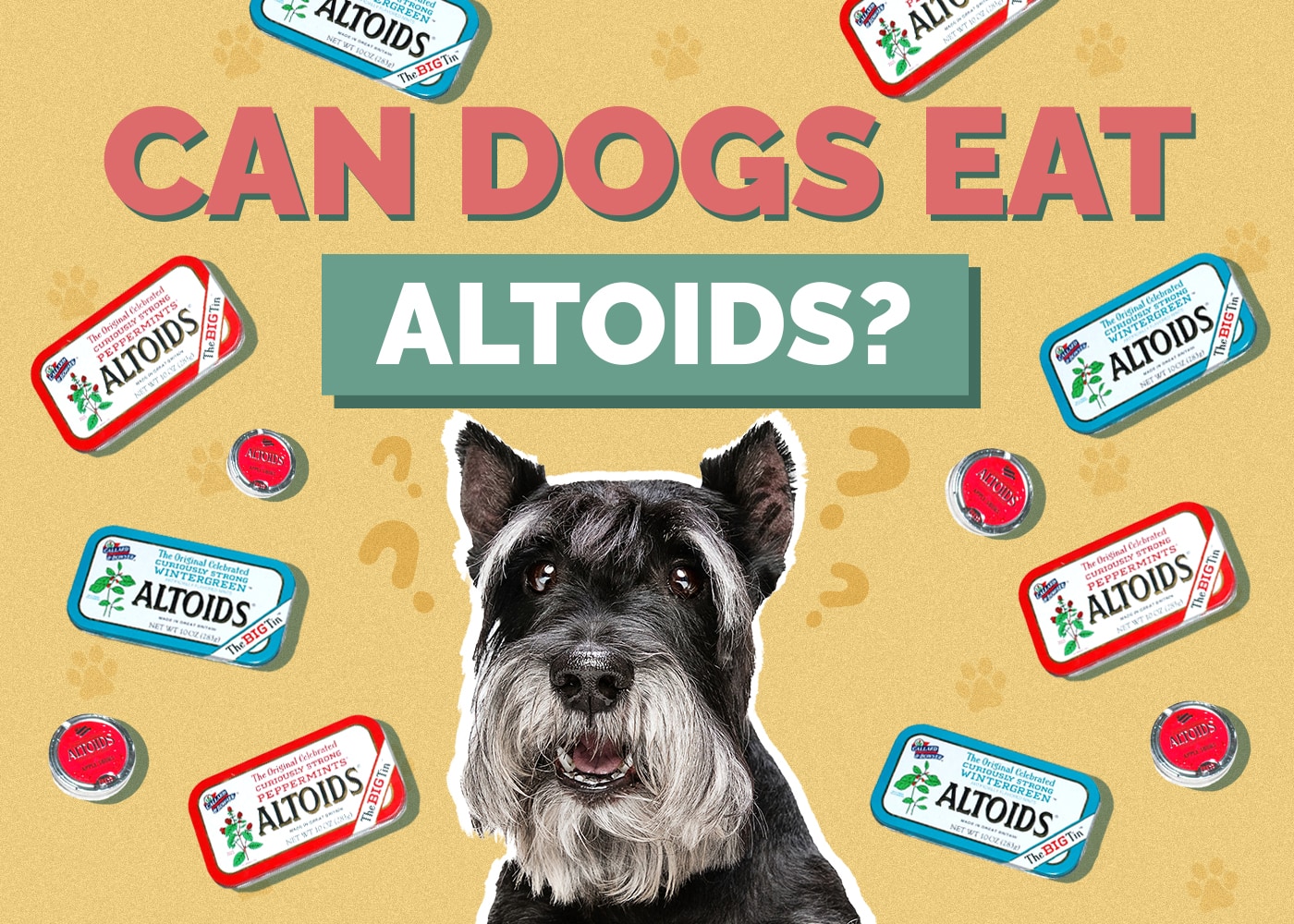
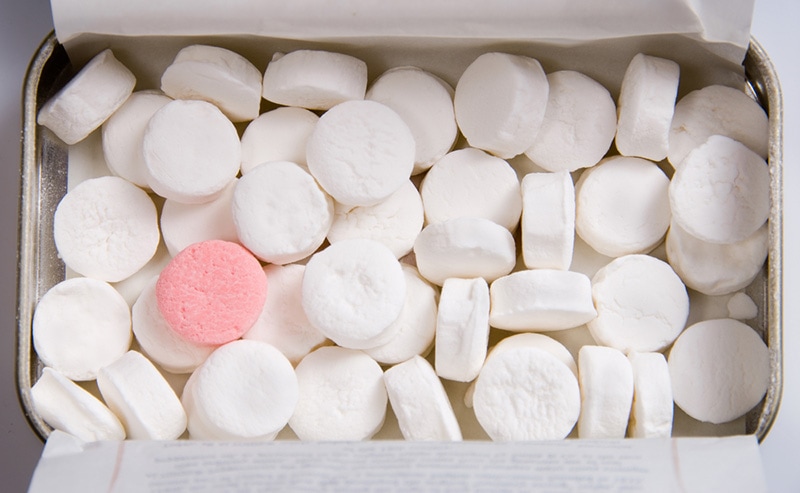
Altoids, the “curiously strong mints,” as the company likes to say, have been around since 1918, which speaks volumes for their popularity. In fact, roughly 6.32 million Americans consume five or more packs or tins per month, according to data from 2020.1 People like fresh breath and, let’s be honest, who hasn’t thought about popping a mint in our dog’s breath at one time or another?
Although Altoids aren’t toxic, they are basically just sugar and flavoring, so are not a good option for your dog, but if they pick one up off the floor, you don’t need to worry. If you want to do something about your best pal’s doggy breath, there are a few things to think about first.
Let’s take a closer look at Altoids and ways to keep your dog’s breath (maybe not minty) fresh.

Ingredients in Altoids
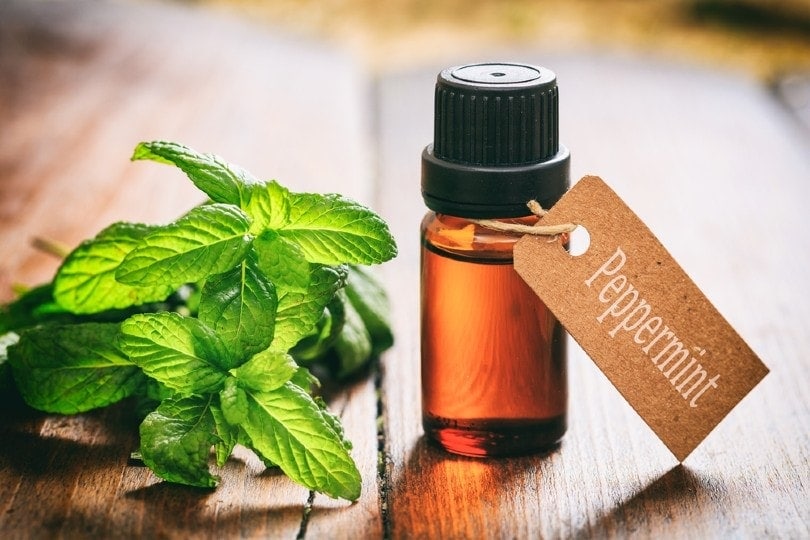
The primary flavors in Altoids are peppermint, wintergreen, spearmint, cinnamon, and strawberry. If your dog were to eat one or two mints, there is no cause for alarm. If they ate an entire pack, the level of concern will depend on the flavor. All but the peppermint variety contain natural and artificial flavors which, although not healthy, are not harmful. The peppermint flavored Altoid contains oil of peppermint, which, in concentrated form, can be toxic to dogs.
As Paracelsus, the father of toxicology, reminds us, “The dose makes the poison.”
In this case, it’s the peppermint oil. It can be toxic even for humans to consume at too high a concentration. While Altoids may be “curiously strong”, the amount isn’t sufficient to harm you if you eat one or two at a time. However, mints can be toxic to dogs, cats, and horses if consumed in sufficient quantities. Signs of poisoning include the following:
- Drooling
- Lethargy
- Redness and irritation
- Pawing at their mouth
Consumption of too many peppermint Altoids can cause nausea, vomiting, and GI distress. Remember that dogs aren’t little people. They have vastly different digestive systems and biology. They may have difficulty tolerating foods that people can eat. However, there are a few more chapters to this story.
Toxicity of the Other Ingredients in Altoids
Altoids are a global product, and thus, the labeling will vary. However, the ingredient lists are generally short, with few surprises. The ingredients of the Classic Peppermint are:
- Sugar
- Gum Arabic
- Natural flavors (including oil of peppermint)
- Gelatin
The other red flag on this round-up is sugar; its place at the top indicates that it’s the primary ingredient. The mints are essentially flavored sugar, which is just as detrimental to health for dogs as it is for people. As tasty as they may seem to us, Altoids have no nutritional value, so there really isn’t any justification to give them to your dog.
Artificial Sweeteners
Sometimes artificial sweeteners are used in place of sugar in certain Altoid products because they still deliver the same sweetness sensation. The manufacturer uses sorbitol and sucralose instead of sugar for those mints.
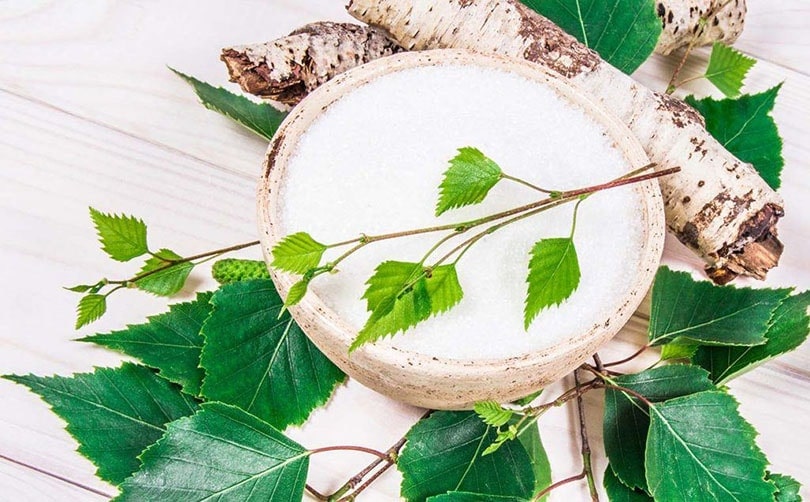
Neither is toxic to dogs, although the former can cause GI distress in large doses. You may recognize sucralose by its marketing name, Stevia. It is also harmless to dogs, cats, and horses. You may wonder about another alternative, albeit natural, sweetener called xylitol. It is a sugar alcohol. Unlike the others we’ve listed, it is highly toxic to pets.
Our research found that Altoids do not use xylitol in their products. However, the company also suggests checking the label for the most accurate ingredient list for the mints you have on hand.
The 4 Tips for Treating Dog’s Bad Breath
We know that sucking on an Altoid is out of the question; for one, they’re not good for your dog, and secondly, they’d spend about half a second in their mouths before finding themselves in the stomach! If doggy breath is becoming an issue, here are a few tips to help:
1. Book a check up with the vet
there are lots of different reasons your dog’s breath might be particularly bad, from dental disease, digestion problems or kidney disease. Bad breath should not be ignored, especially if it has noticeably changed in a short period of time.
2. Check your dog’s teeth
it sounds obvious, but it is an often missed area at home. We might see our dog’s front teeth, but how often do you get a proper look at those molars? These are the teeth that are mostly likely to be infected and cause foul breath. As long as you can do it safely, try to regularly look at your dog's teeth so you can spot any problems before they get worse.
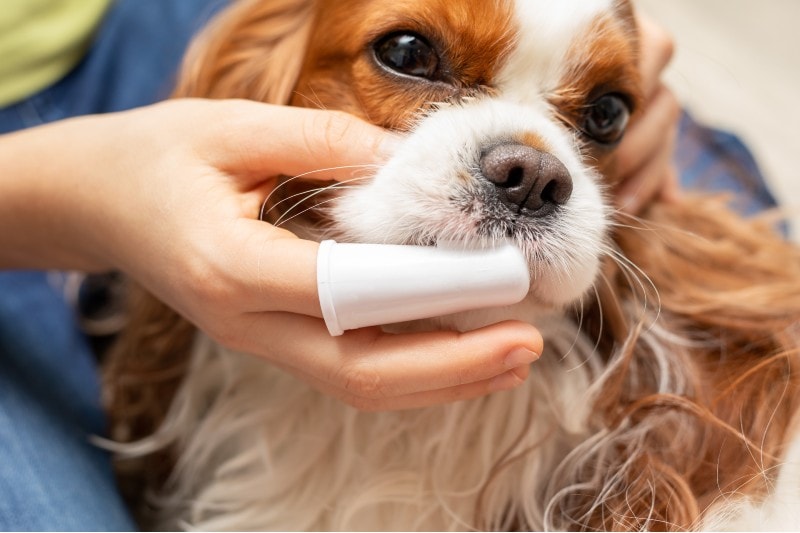
3. Clean your dog’s teeth
this might sound like a daunting task, but it doesn’t have to be. The best way is to start when they are puppies, making it a really positive experience, using soft finger brushes and tasty dog toothpaste (not human toothpaste).
4. Give them something to chew
Provide your dog with foods, treats, supplements, and toys they can chew. Be careful of treats that disappear in one or two bites - they are just added calories that won’t do anything for your dog’s teeth!
Final Thoughts
Altoids might be a favorite candy, but they’re not a suitable treat for your dog. While they aren’t highly toxic, they can still cause stomach upset and GI distress. The sugar content is also problematic, particularly for overweight or diabetic pets. Many healthier treats are available that make better choices. We suggest keeping the mints for yourself when you want fresh breath, and if you are worried about your dog’s breath, start by booking an appointment with your veterinarian.
Sources
Featured Photo Credit: Keith Bell,Shutterstock
Get Hepper In Your Inbox


Pet care tips from our vets and experts, straight to your inbox.
You may opt-out at any time. View our Privacy Policy for more information.
Chris is an experienced pet writer specializing in science topics, with a particular passion for health and the environment. She has been a writer for over 15 years and lives with her husband and three cats in Michigan.
Beyond writing about cats and dogs, Chris loves to learn about wine. She has WSET 1 and 2 certifications and is currently pursuing her Certified Wine Specialist Award (CSW).
Join the conversation
Ask a question, share your story, or send private feedback.