Hepper is reader-supported. When you buy via links on our site, we may earn an affiliate commission at no cost to you. Learn more.
How to Clean a Dog’s Teeth in 4 Vet-Approved Steps



In this article
As with humans, dental hygiene is important for our pets. Even though dental cavities are rare in dogs, they will still benefit from having their teeth brushed daily. Indeed, one of the diseases most frequently encountered during a veterinary health examination is periodontal disease. Research has shown at least 80% of dogs have periodontal disease by age 3. Although it can affect dogs to varying degrees, the occurrence of this disease can be minimized through daily dental care.
Cleaning your dog's teeth doesn't have to be a horrible chore. You can even make it a pleasant experience by following a few simple steps.

Before You Start
Here are the essential tools that you will need to clean your dog's teeth:
Above all, do not use your toothpaste to clean your pet's teeth! Human toothpaste may contain ingredients that are dangerous to dogs, including Xylitol. This sweetener, which is also found in chewing gum, can cause liver damage and dangerously low blood sugar in dogs.
Instead, follow the recommendations for dental health products for dogs approved by the Veterinary Oral Health Council:
Chew treats:
Toothbrush and toothpaste kit:
Now that you've gathered safe and effective dental products for your dog, follow these steps to familiarize your pooch with teeth cleaning.

The 4 Steps for Cleaning Your Dog's Teeth
1. Get Your Dog Used to Having Their Teeth and Gums Touched
It is advisable to gradually introduce your dog to their teeth and gums being handled before introducing them to the toothbrush. This process is called desensitization.
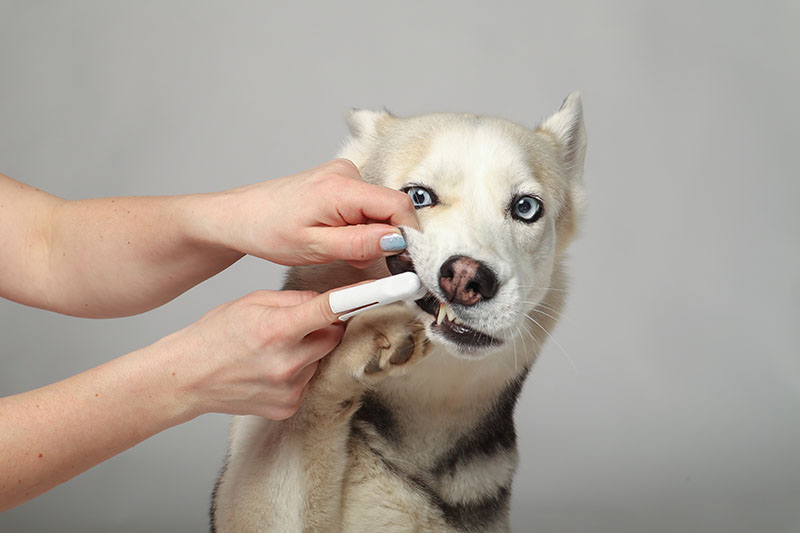
- Begin by gently touching your dog's teeth and gums. You can put a little chicken- or beef-flavored dog toothpaste on your finger to make it easier.
- Use a dog dental wipe, such as a Vet's Best Dental Care Finger Wipe. These finger wipes are effective in removing plaque and tartar and freshening your pooch's breath.
- If your dog tolerates it, move the finger wipe in a circular motion over their teeth.
- Be gentle and patient; there is no point in rushing your dog, especially if it is the first time that you are handling their teeth and gums.
- Repeat these steps until your dog gets used to this process.
Each step should be introduced one at a time and stopping while your dog is still comfortable with what you are doing. It may take several weeks to introduce brushing to your dog.
However, be aware that the desensitization process is generally faster and more effective in young puppies. You can still do this in an older dog, but if your pet shows signs of aggression and tries to bite you, it's best to discuss their dental care with a veterinarian.
2. Introducing the Toothbrush to Your Dog
Once your dog is used to handling their gums and teeth, you can familiarize them with the toothbrush and toothpaste. The important thing here is to proceed gently and patiently so your dog does not create a negative association with these new tools.
- Show the toothbrush to your dog. Drop toothpaste on it, and let your pup sniff and lick it.
- Gently touch your dog's teeth with the toothbrush.
- Proceed slowly until they are comfortable with the toothbrush.
- Praise your dog warmly if they behave well. If they are agitated, stop and then start again later.
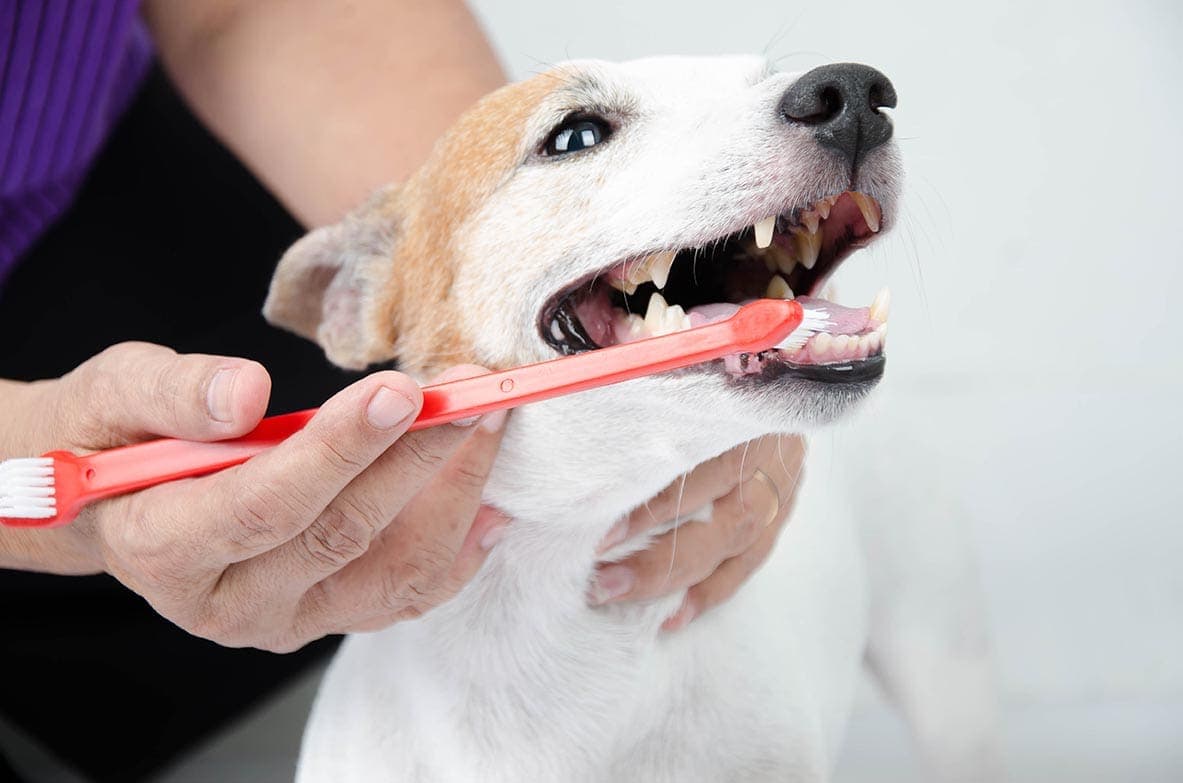
3. Brush Your Dog's Teeth
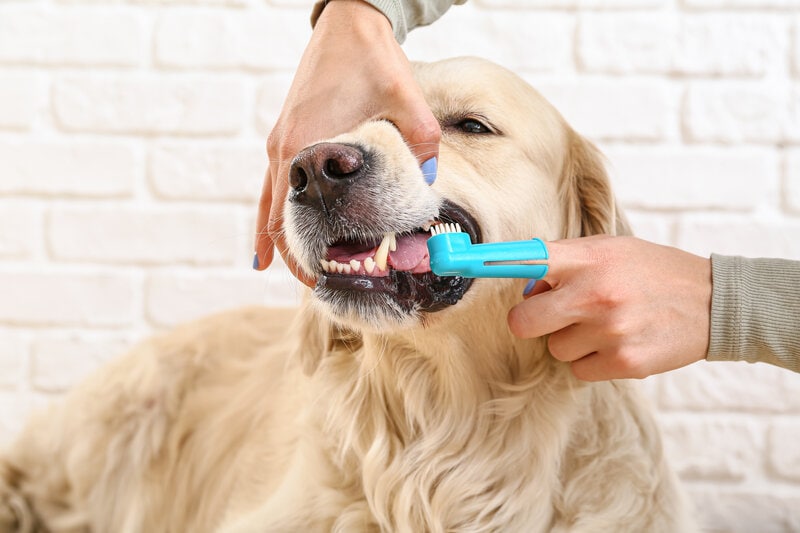
When your dog is comfortable with the toothbrush, you can proceed to deep cleaning their teeth.
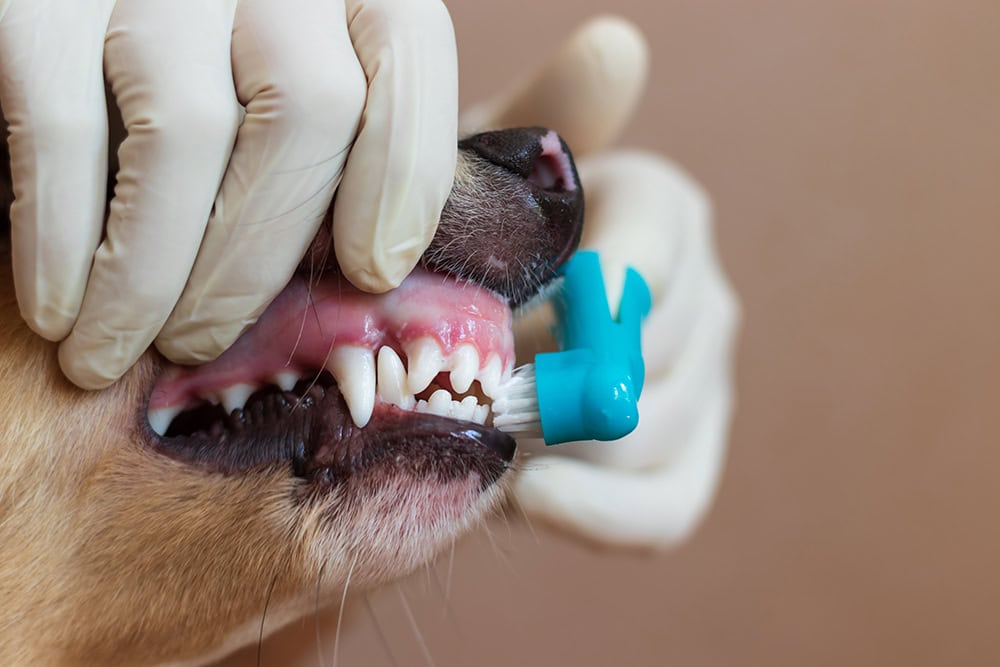
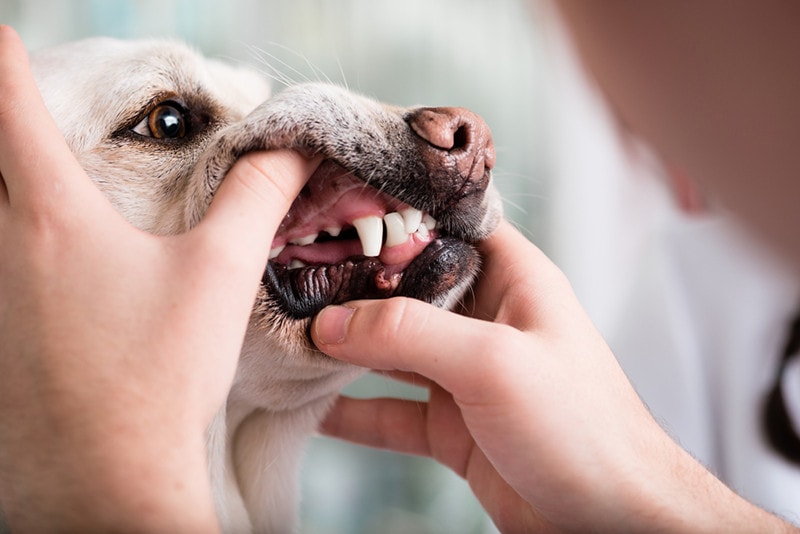
- Start with the back teeth on each side by slightly lifting the lips on the cheek side, not trying to open the mouth.
- Apply the toothbrush to your dog's teeth at a 45-degree angle.
- Brush the outer surfaces of the teeth first, with the inner face being cleaned naturally by the movements of the tongue.
- Do not press too hard so as not to irritate the gums.
- Reward your dog with praise and petting.
You should brush your dog's teeth every day or every other day to reduce plaque buildup and tartar formation.
4. Talk to Your Veterinarian About Other Dental Care Options
What can you do for those doggies for which teeth brushing is not possible? There are other dental care options (dental diets, rinses, chews, water additives, etc.), but these are less effective than brushing. Rely on the expertise of your veterinarian to identify the most appropriate products for your companion's condition.

What Is Periodontal Disease in Dogs?
Periodontal disease is the result of an infection and an inflammatory reaction following the accumulation of plaque in your pet's mouth. Plaque is a soft, invisible material that builds upon the teeth. It is a mixture of residues and bacteria that are naturally found in the mouth. This plaque will first create inflammation of the gums (gingivitis) and then affect the bone and the attachment of the tooth (periodontium), hence the name periodontal disease.
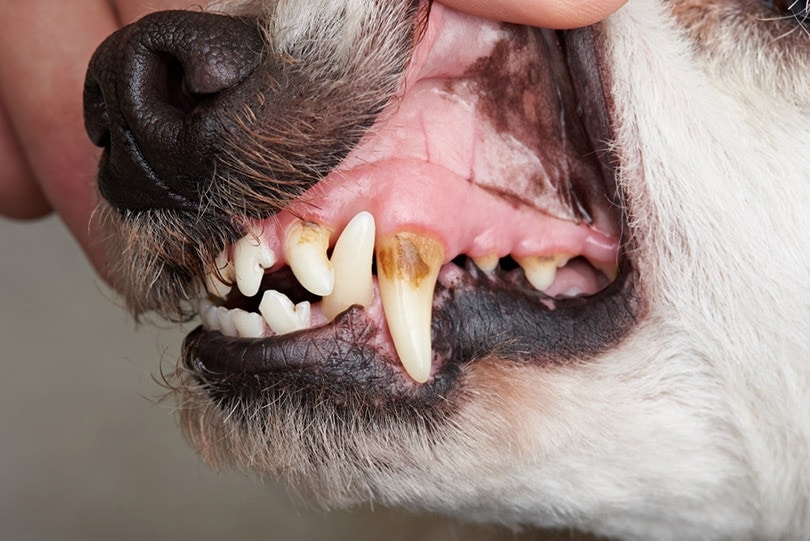
When plaque is not treated quickly, it hardens and mineralizes into tartar. This is differentiated by its darker color that's easily visible during the examination of the mouth. Tartar is hard and firmly attached to the tooth.
There is more and more evidence that periodontal disease can have an impact on the general health of your four-legged friend. Indeed, their immune system is constantly solicited to control the bacteria of the dental plaque. These bacteria can eventually circulate in the blood to affect the dog's entire body, including the kidneys and heart.
How to Recognize Dental Disease in Your Dog
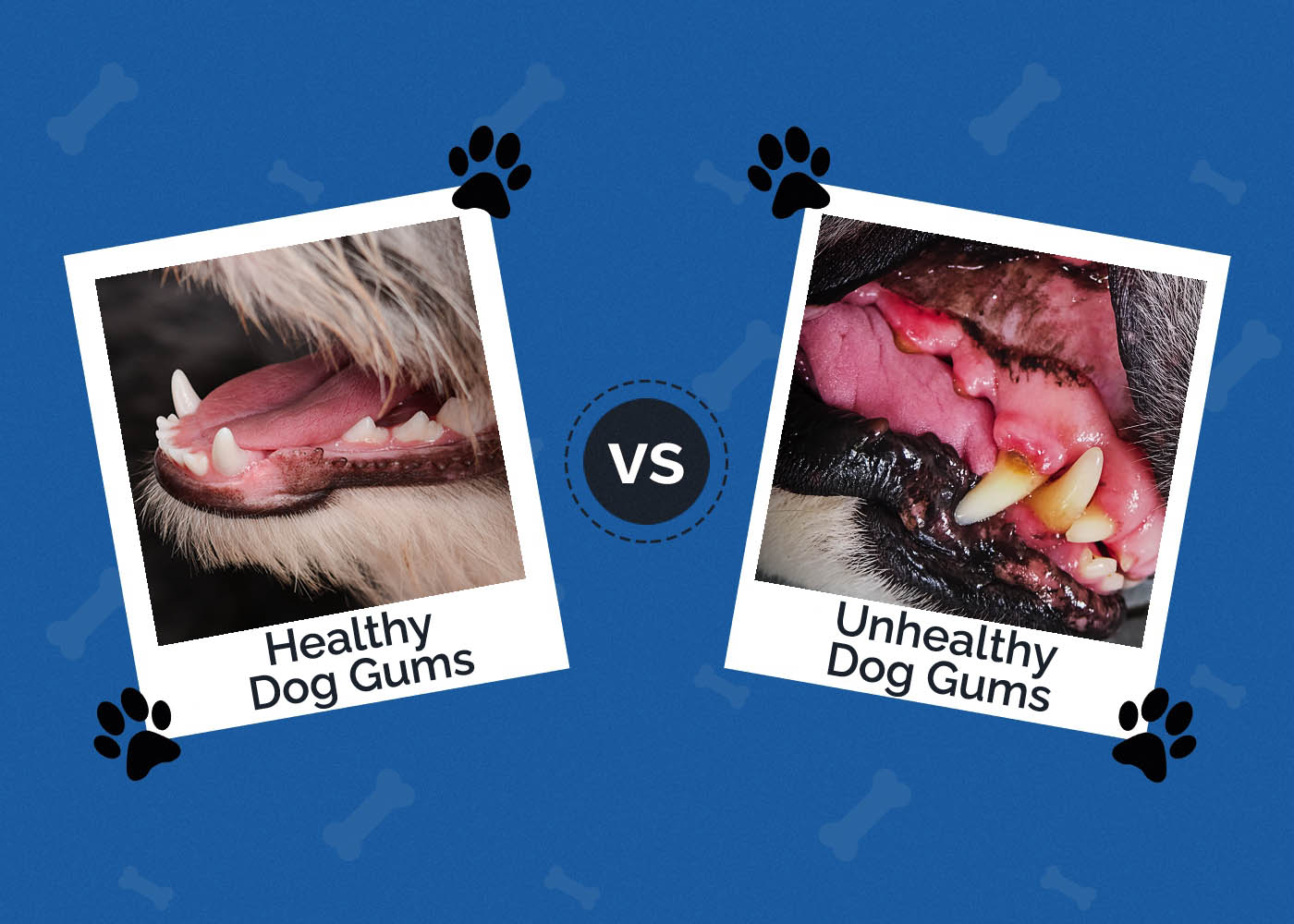
According to the American Veterinary Medical Association, more than 80% of dogs show signs of canine periodontal disease by the age of 3. But the onset of periodontal disease is slow and silent. It begins with the appearance of gingivitis, which leads to red gums that bleed easily. Gradually, the teeth can loosen.
You may also notice more mobile teeth, gum recession, or the loss of one or more teeth. You may also notice bad breath as your dog will emphasize their discomfort and pain with behavioral changes, such as loss of appetite or refusing to have their teeth touched.
Since animals have a great talent for hiding their signs of discomfort, you must team up with your veterinarian to detect and treat illness quickly!

Final Thoughts
Cleaning your beloved pooch's teeth should be part of their daily care routine. But if you've never done it, this process might seem a bit overwhelming at first. By following a few simple steps and getting dental care products recommended by professionals like the Veterinary Oral Health Council, brushing your dog's teeth shouldn't be a hassle.
See also:
Featured Image Credit: Lucia Romero, Shutterstock
Get Hepper In Your Inbox


Pet care tips from our vets and experts, straight to your inbox.
You may opt-out at any time. View our Privacy Policy for more information.
Genevieve, a biologist and science writer, who harbors a profound affection for capuchin monkeys, pumas, and kangaroos. This passion has led her to travel extensively, volunteering and working at wildlife rehabilitation centers in Bolivia, Guatemala, Canada, and Australia. Now residing in Argentina as a Canadian expat, Genevieve enjoys the view of horses and cows greeting her from the vast plains outside her home office window. She proudly cares for three rescued dogs—Lemmy, Nala, and Pochi—and a playful kitten named Furiosa. Sharing her extensive knowledge and love for animals brings her immense joy and fulfillment.
Join the conversation
Ask a question, share your story, or send private feedback.