Hepper is reader-supported. When you buy via links on our site, we may earn an affiliate commission at no cost to you. Learn more.
Can Dogs Eat Spearmint? Vet-Verified Benefits, Concerns, & FAQ


In this article
Spearmint is a type of mint belonging to the Lamiaceae family in the Mentha spicata genus. Spearmint has many health benefits for humans and leaves a fresh, minty taste in your mouth. You may wonder if dogs can eat it, especially if they have stinky breath.
The short answer is yes, but before you give your dog spearmint, there are a few health factors to consider. Let’s dissect this topic further to ensure your dog’s safety.

The Mint Family
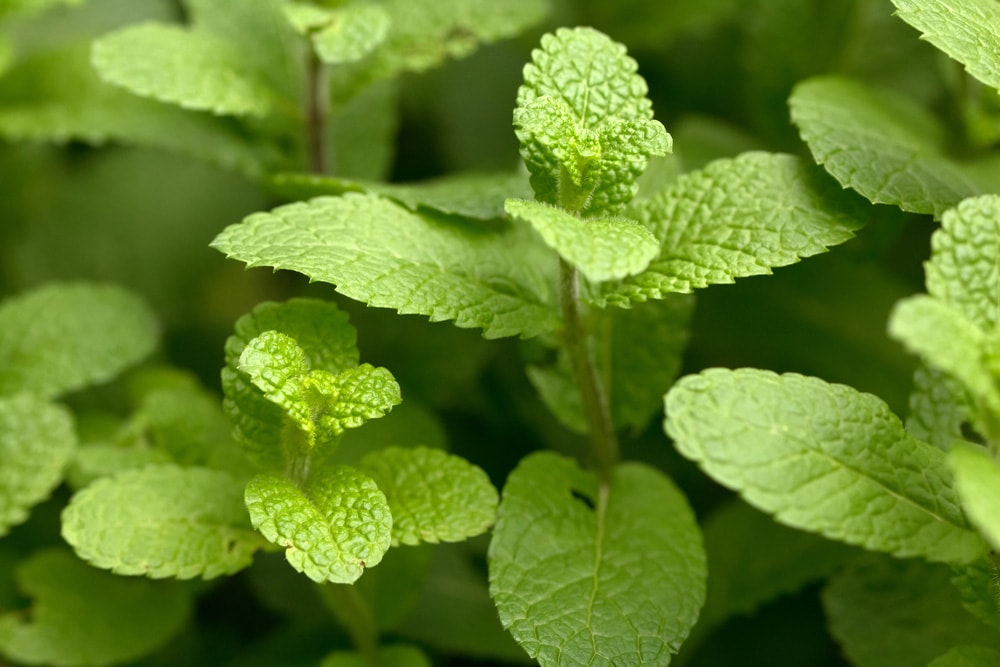
“Mint” is an umbrella term for the Mentha family that includes spearmint, peppermint, pineapple mint, apple mint, and more. Most mints are safe and non-toxic to dogs, including spearmint. Spearmint can be used to freshen a dog’s breath and even help repel fleas.
What Are the Health Benefits of Spearmint for Dogs?
As we know, spearmint can help freshen a dog’s stinky breath. It can be found in water additives for dogs for this purpose. Growing spearmint in your garden can help repel fleas, and it won’t irritate your dog’s skin if he brushes up against spearmint or other safe mints. Let’s look at other health benefits of spearmint for your dog.
Rich in Antioxidants
Antioxidants help protect against damage to the body caused by free radicals in humans, which can cause cancer, and they can provide the same benefits for your dog. They may also help protect your dog against cell oxidation.
Spearmint Has Many Nutrients
Spearmint contains vitamins A and C, both of which support healthy bones and vision. It is also mineral-rich with calcium, copper, iron, magnesium, and zinc.
May Help with Digestion
Spearmint is a natural source of dietary fiber, which can help promote healthy digestion and ease upset tummies, such as vomiting and diarrhea.
May Relieve Allergies
Mint contains rosmarinic acid and menthol, which have been known to alleviate seasonal allergies and serve as a natural decongestant.
How Much Spearmint Can I Give My Dog?
An overindulgence of spearmint may have a negative effect if consumed in large quantities, such as vomiting and diarrhea. The best way to feed your dog spearmint is to sprinkle a little dried spearmint leaves into his food a few times a week. One leaf chopped up into small pieces should suffice.
Hazards of Spearmint
The only safe way to give your dog spearmint is to sprinkle a few pieces of dried leaves into his food. Spearmint is found in many products made for humans that you must avoid giving your dog due to other harmful ingredients mixed with them. For example, avoid giving your dog human toothpaste, breath mints, or any commercial product containing spearmint that is intended for human consumption.
Xylitol is a particularly toxic substance for dogs, even in small amounts. Xylitol can be found in many human food products, even peanut butter. All dog owners know how much dogs love peanut butter, but you must ensure any peanut butter you give is free from this toxic ingredient.
A Note About Essential Oils
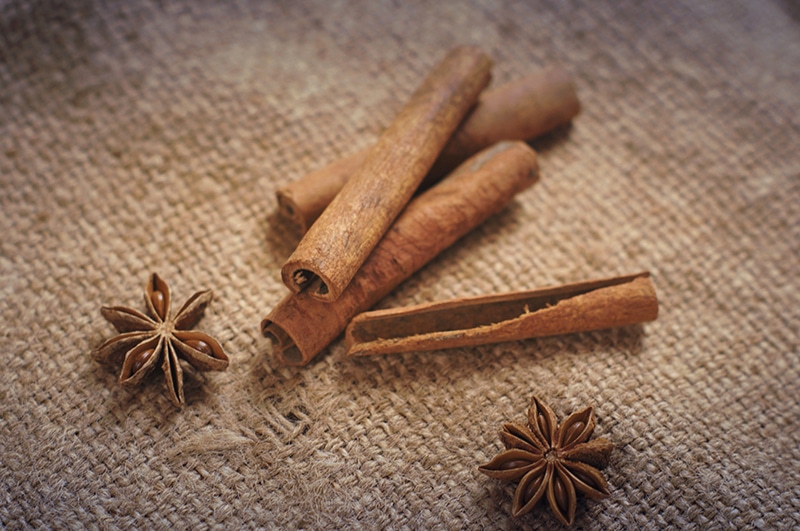
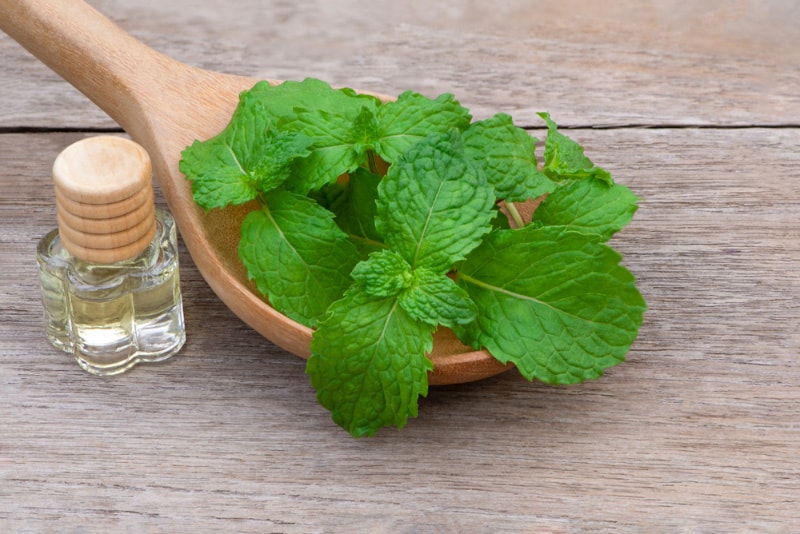
The American Kennel Club (AKC) warns against the dangers of using essential oils around your dog. Many essential oils used in diffusers are toxic to dogs, including peppermint, cinnamon, citrus, pennyroyal, sweet birch, pine, tea tree, wintergreen, and ylang-ylang. These oils are toxic, whether spread on the skin or ingested, so it’s best to avoid using essential oil diffusers in your home when you have a dog.
Pennyroyal: A Toxic Mint
Pennyroyal is a toxic mint you must avoid giving your dog under any circumstance. Pennyroyal (Mentha pulegium) is part of the mint family but is tremendously toxic to dogs. This toxic mint can be found throughout the US. Many people use it in their gardens as an insect repellent. It has green leaves with purple flowers, which is a good way to tell it apart from other mint plants.
Pennyroyal contains a chemical called pulegone that can cause liver damage in dogs if ingested and, worse, liver failure if consumed in large amounts. Be on the lookout for this ingredient in flea powders, essential oils, and deodorizing sprays. If exposed to your dog’s skin, it can cause pennyroyal poisoning. Since some of these products have this ingredient, we advise you to consult your veterinarian before applying these products to your dog’s skin and coat.
Signs of pennyroyal poisoning in dogs are:
Tips for a Healthy Diet
Dogs require a complete and balanced diet with all necessary nutrients, such as protein, fats, carbs, vitamins, minerals, antioxidants, and water. Feeding a high-quality dog food with high-quality protein as the first ingredient is ideal. The dog food should be age and breed-appropriate (small, medium, large, and giant breeds), and always provide fresh water 24/7.
Limit treats to 10% of your dog’s daily calorie intake, and avoid potentially harmful human foods, especially those with xylitol.
Final Thoughts
Spearmint is a safe mint to let your dog enjoy. It provides health benefits and is easy to feed; just sprinkle a few bits of dried leaves into your dog’s food a few times a week. Watch out for any adverse effects, such as vomiting and diarrhea, and ensure you don’t exceed the recommended amount.
See also:
Sources
https://www.webmd.com/vitamins/ai/ingredientmono-845/spearmint
https://www.thefarmersdog.com/digest/superfoods-kitchen-mint-dogs/
https://www.akc.org/expert-advice/health/are-essential-oils-safe-for-dogs/
https://vcahospitals.com/know-your-pet/xylitol-toxicity-in-dogs
https://www.petmd.com/dog/conditions/poisoning-toxicity/c_dg_pennyroyal_oil_poisoning
Get Hepper In Your Inbox


Pet care tips from our vets and experts, straight to your inbox.
You may opt-out at any time. View our Privacy Policy for more information.
Rachel Giordano is a writer and musician out of Pensacola, Florida, living there with her partner and their two dogs, Aero, a Border Collie/Sheltie mix, and Sophie, a Boston Terrier. Rachel has a Bachelor of Arts degree in communication and enjoys writing about all types of animals. When Rachel’s not dedicating her time to writing about animals, she enjoys writing thriller/suspense novels. A writer by day and a musician by night, she's passionate about educating the public about the requirements and needs of all types of animals.
Join the conversation
Ask a question, share your story, or send private feedback.