Hepper is reader-supported. When you buy via links on our site, we may earn an affiliate commission at no cost to you. Learn more.
Can Dogs Eat Cardamom? Vet Reviewed Facts & FAQ



In this article
Cardamom is a spice found in cupboards and pantries around the world. It's a common spice used in Asian cooking and has been used for centuries in herbal medicines. Dogs can eat cardamom since it's safe and non-toxic. However, before offering your pup a dash of spice, be aware that cardamom is unsafe for pregnant dogs and can cause a miscarriage.

What Is Cardamom?
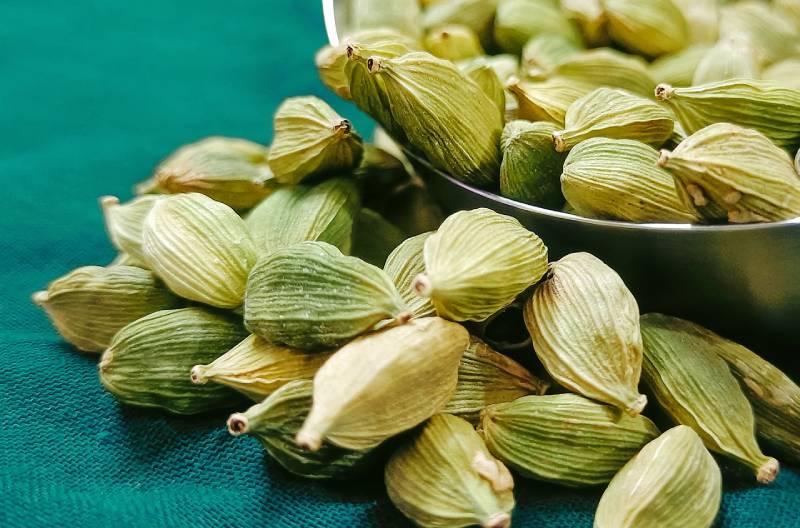
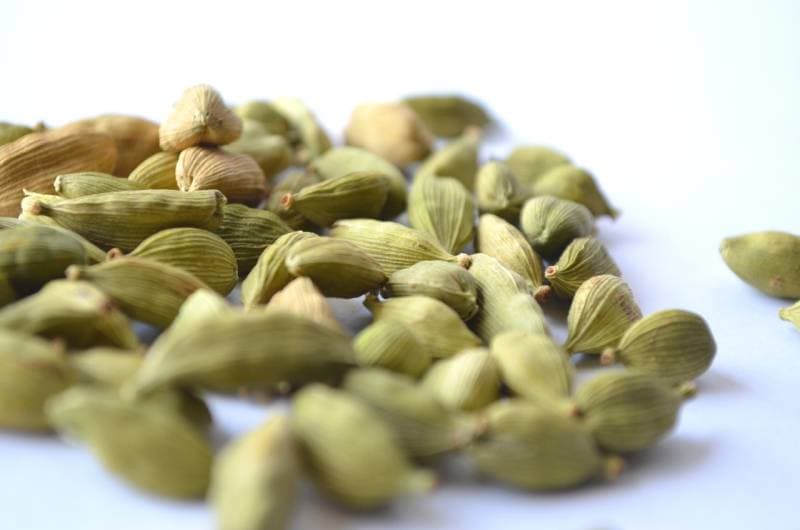
Cardamom is an aromatic spice taken from the Elettaria cardamom plant. Its seed pods are processed, dried, and usually sold whole. This spice is native to southern India and cultivated in Guatemala, Sri Lanka, Indonesia, and India. Alongside the pods, cardamom can be found as dried seeds, pre-ground cardamom spice powder, herbal supplements, and essential oils. This ancient spice has been used for medicinal purposes for a long time and was even referenced in ancient Sanskrit texts!
Will Cardamom Harm My Dog?
Small amounts of cardamom given to healthy, non-pregnant dogs won't cause any harm. Giving your dog cardamom has some health benefits, but care should be taken not to give your dog too much.
Cardamom is highly aromatic; it gives off a warm, slightly pungent, and highly aromatic flavor and smell. Because of this, some dogs might not want to eat it! Remember that their sense of smell is much better than ours, so any scent we find fragrant will be greatly amplified for our dogs. You can mix it in with your dog’s usual food.
However, if given in higher amounts, cardamom can have a laxative effect, so be cautious if your dog has a sensitive stomach. Be sure never to give your dog any foods that contain toxic ingredients, even if they primarily include cardamom. For example, spice mixes might contain harmful ingredients such as chili or nutmeg, so always check before serving them to your pup. Very rarely, a dog can have an allergic reaction to cardamom, in which case you should stop offering it to your pooch and contact your vet for advice straight away.
Pregnant Dogs
Pregnant dogs should not be given cardamom. While it may not do them any harm, in people, there is a possible risk of miscarriage in early pregnancy associated with eating large amounts of cardamom.1 There is currently no available evidence to support this claim for dogs, but to be safe, we recommend never giving it to pregnant dogs.
Dogs on Medication
It's important to speak to your vet before supplementing your dog's diet with anything. Cardamom is usually a very safe spice, particularly in smaller amounts. However, there have been concerns about cardamom increasing some medications' effects and dulling others' effects. Cardamom has a slight blood thinning effect (if taken at high doses), so dogs on blood thinning medication shouldn't be given it. Cardamom has also been shown to decrease the effectiveness of some antibiotics, so dogs taking them should also not be given cardamom.2
The spice could affect other medications or medical conditions, so check that it'll be safe for your dog with their veterinarian before giving them any cardamom.

Is Cardamom Healthy? Is It Beneficial?
Cardamom is a healthy spice to consume and has some health benefits. Studies in human medicine show its health benefits, but none so far have been conducted on canines. Cardamom also contains some vitamins and minerals that are beneficial to dogs.
Cardamom has been shown to lower blood pressure and improve antioxidant status in diabetic people in a study conducted in 2020.3 Antioxidants are compounds that neutralize harmful molecules called free radicals that can damage our cells, leading to a number of illnesses. However, we don't know if the beneficial effects of cardamom would be the same in dogs or non-diabetic people. Cardamom can also help relieve symptoms of digestive discomfort such as bloating, nausea, and indigestion. This is because it can help speed up digestive transit. However, cardamom can also disrupt your dog’s stomach and cause diarrhea if eaten in excessive amounts; it's often used in people as a home remedy for constipation.
Cardamom is rich in compounds that may fight inflammation. Inflammation occurs when your body is exposed to foreign substances or when it’s falsely stimulated by its own immune system. Acute inflammation is necessary and beneficial in many cases, but long-term inflammation can lead to chronic diseases. Antioxidants, found in abundance in cardamom, protect cells from damage and stop inflammation from occurring, but further studies are required to confirm these benefits in both people and dogs.
There have been studies on the phytochemicals in cardamom that can potentially help fight cancer. Cardamonin, the specific component of interest, is what the study found could help combat some of the most aggressive forms of cancer (such as triple-negative breast cancer) in humans.4 However, more studies must be done to evaluate its effectiveness in canines.
Cardamom can also help to fight the bacteria naturally found in your dog's mouth, keeping their breath fresh.
The most researched property of cardamom is its possible ability to heal stomach ulcers. In one study, rats were fed extracts of cardamom, turmeric, and sembung leaf in hot water before being exposed to high doses of aspirin to induce stomach ulcers. These rats developed fewer ulcers compared to rats that only received aspirin. A similar study in rats found that cardamom extract alone could completely prevent or reduce the size of gastric ulcers by at least 50%. Unfortunately, there are no studies at present that have researched the effects of cardamom in people and dogs with stomach ulcers.
How Can I Give My Dog Cardamom?
Cardamom has a very strong smell, so your dog may not want to take it directly! Some dogs will be willing to take some off of a spoon, but mixing it with other healthy (and tasty) ingredients can help it go down better. For example, mixing a small amount into hot water and adding a few drops to your dog's food can make the cardamom more appetizing.
You don't need to use very much cardamom, and only a small amount should be given. The amount you give should also correspond to the size of your dog; the smaller the dog, the smaller the pinch of cardamom!

Are There Other Spices I Can Give My Dog?
Alongside cardamom, a few spices commonly found in health food stores and local superstores may have some health benefits for you and your dog. If you want to give your dog any of these spices and herbs, check if it's okay with your veterinarian first.
Cinnamon

Cinnamon is a spice often used in sweet dishes and commonly associated with pumpkins and the crispness of fall. Cinnamon is very aromatic and can be toxic to dogs in large amounts. Only a very tiny amount is considered safe for dogs and this is dependent on their size (always give even smaller amounts if your dog is a small or miniature breed).
Cinnamon has anti-inflammatory properties and can help regulate blood sugar. Pets can be exposed to cinnamon by chewing on the tree (which is sometimes kept as an indoor ornamental), being fed human food seasoned with the spice or cinnamon sticks left in cider cups, eating the spice directly, or consuming the essential oil being used for cooking or aromatherapy.
It takes a large amount of ingested cinnamon powder to cause problems in our pets (greater than 1 teaspoon of powder for most pets) but only a small amount of the essential oil. Large overdoses of the powder or even just exposure in case of the essential oil can lead to low blood sugar, liver disease, vomiting, diarrhea, and changes in heart rate.
Some dogs who are ingesting the powdered spice directly can inhale the spice. This is very irritating to the lungs and can cause coughing, choking, difficulty breathing, and bronchospasms. So make sure you only give a very small amount of the powder to your dog, and it’s best to completely avoid the essential oils. If you think your dog has come into contact with cinnamon essential oils or a larger amount of cinnamon powder, contact your vet immediately.
Cilantro

Cilantro, also known as coriander, is a mild herb typically found fresh or dried. Cilantro is usually well-tolerated by dogs and contains antioxidants. It is a great source of calcium, as well as magnesium, which can help your dog’s structural bone health. Cilantro also contains vitamin K, which supports skin and fur health. The vitamin A in cilantro is beneficial to your dog’s eye health, and the vitamin C can support the immune system.
There are not enough of these vitamins and minerals in cilantro to make it the main source of nutrients for your dog’s daily requirements. However, it can certainly add to the beneficial ingredients your pup is already taking through his usual food. Cilantro is also good for freshening the breath!
When feeding cilantro to your dog, you’ll want to only use the leaves and avoid the stems as they are difficult to digest and may lead to an upset stomach in some dogs when eaten.
Ginger

Only a small amount of ginger is safe for dogs, but it effectively reduces nausea (particularly car sickness) and has anti-inflammatory properties. Ginger contains antioxidants, which protect against cell damage. It can also help with cognitive support in older, confused dogs suffering from dementia.
All forms of ginger are safe for dogs, including fresh, powdered, and even ginger juice. It comes in the form of a powder, tablet, liquid tincture, capsule, and fresh root. If you’re using fresh ginger, peel it thoroughly and finely mince it. Then sprinkle it over your dog’s food. Ginger should only be given to dogs in moderation, as large amounts can cause gas, diarrhea, stomach pain, and nausea. Allergic reactions are possible upon skin contact and may include skin redness, itchiness, or hives.
Avoid giving ginger to dogs that have bleeding disorders, are awaiting surgery, or are taking Non-Steroidal Anti-Inflammatory Drugs (NSAIDs), because ginger acts as a blood thinner.
Ginger can also lower blood pressure and blood sugar, so consult your veterinarian if your dog has diabetes or heart disease. Some vets advise avoiding ginger in pregnant and nursing dogs because its safety has not been established.
Turmeric
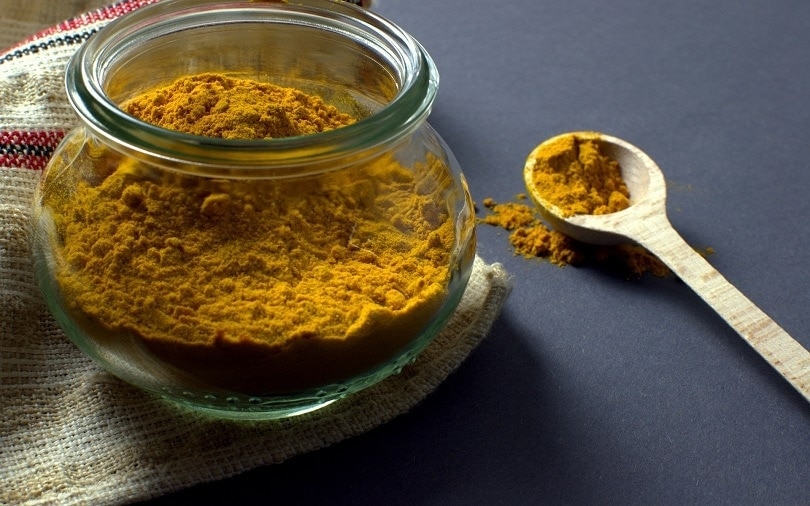
The active ingredient in turmeric is curcumin. Turmeric is a pungent and flavorful spice, and some dogs will turn their noses up at it. However, the anti-inflammatory and antioxidant properties of turmeric are well documented (even in dogs), so much so that it's even added to some joint care medicines as it acts as pain relief.
Turmeric also has antimicrobial and blood-thinning properties, so avoid giving it to dogs on blood-thinning medication. It comes in the form of extracts, powders, liquids, capsules, and chews.
Before supplementing your dog with turmeric, it’s best to consult with your vet. The recommended dose of turmeric for dogs is between 1/8 to 1/4 teaspoon per 10 pounds of body weight. The exact amount will depend on the dog’s exact weight and health condition. It also depends on the supplement type – always follow the instructions on the back of the product.
The side effects of turmeric for dogs include allergic reactions, upset stomach, constipation, vomiting, and diarrhea, but these issues are rare and do not typically occur when using turmeric in the right doses. However, long-term use of high amounts of turmeric in dogs can lead to gallbladder and liver issues.

Help! My Dog Ate Lots of Cardamom!
If your dog ingests a large portion of cardamom, it is best to take them to the vet to get examined. It is unlikely they've eaten a significant amount of cardamom as it is a very pungent spice, but make a note of everything that looks opened or spilled and get them a check-up to be sure.
A large portion of cardamom might give them an upset stomach, but it is not toxic. If your dog is pregnant, immediately take them to the vet and explain what has happened, including how much cardamom your dog could have eaten.
Final Thoughts
Cardamom is safe for dogs to eat in small amounts as long as they get the okay from their vet. Cardamom is not recommended for pregnant dogs because it has been associated with miscarriages in humans. Cardamom has been studied for its effects on human cancers, and the results are promising. It has several other health benefits, including antioxidant and anti-inflammatory action, and can help digestion and possibly with stomach ulcer treatment. If you wish to give your dog cardamom, speak to your veterinarian about possible drug interactions and dosages.
Sources
https://www.webmd.com/vitamins/ai/ingredientmono-614/cardamom
https://articles.hepper.com/dog-ate-chili-spicy-food-vet-answer/
https://www.sciencedirect.com/science/article/abs/pii/S0024320520303398
https://www.medicalnewstoday.com/articles/326532#nutritional-value
https://www.masterclass.com/articles/is-turmeric-good-for-dogs
https://www.akc.org/expert-advice/nutrition/can-dogs-eat-cilantro/
https://www.aspca.org/pet-care/animal-poison-control/toxic-and-non-toxic-plants/cilantro
https://www.7hillsvet.com/services/cats/blog/6-spices-warm-your-pets-winter
https://www.healthline.com/nutrition/cardamom-benefits#TOC_TITLE_HDR_4
Get Hepper In Your Inbox


Pet care tips from our vets and experts, straight to your inbox.
You may opt-out at any time. View our Privacy Policy for more information.
Beth is a mom to two babies: one with four legs, and one with two. Beth has years of practical experience as a veterinary care assistant, working in both the operating room and in consult, expanding her knowledge to gain certification in her favorite subject: feline behavior and well-being! When she's not writing about her favorite topics (cats, dogs, and creature comforts), she's looking after her two-year-old daughter and her energetic eight-year-old Nebelung, Kiba. When she gets a moment's respite, Beth loves to read fiction books. Horror is her number one genre, with fantasy and rich history being her second option.
Join the conversation
Ask a question, share your story, or send private feedback.