Hepper is reader-supported. When you buy via links on our site, we may earn an affiliate commission at no cost to you. Learn more.
Can Dogs Eat Cassava? Vet Approved Facts & Nutrition Guide


In this article
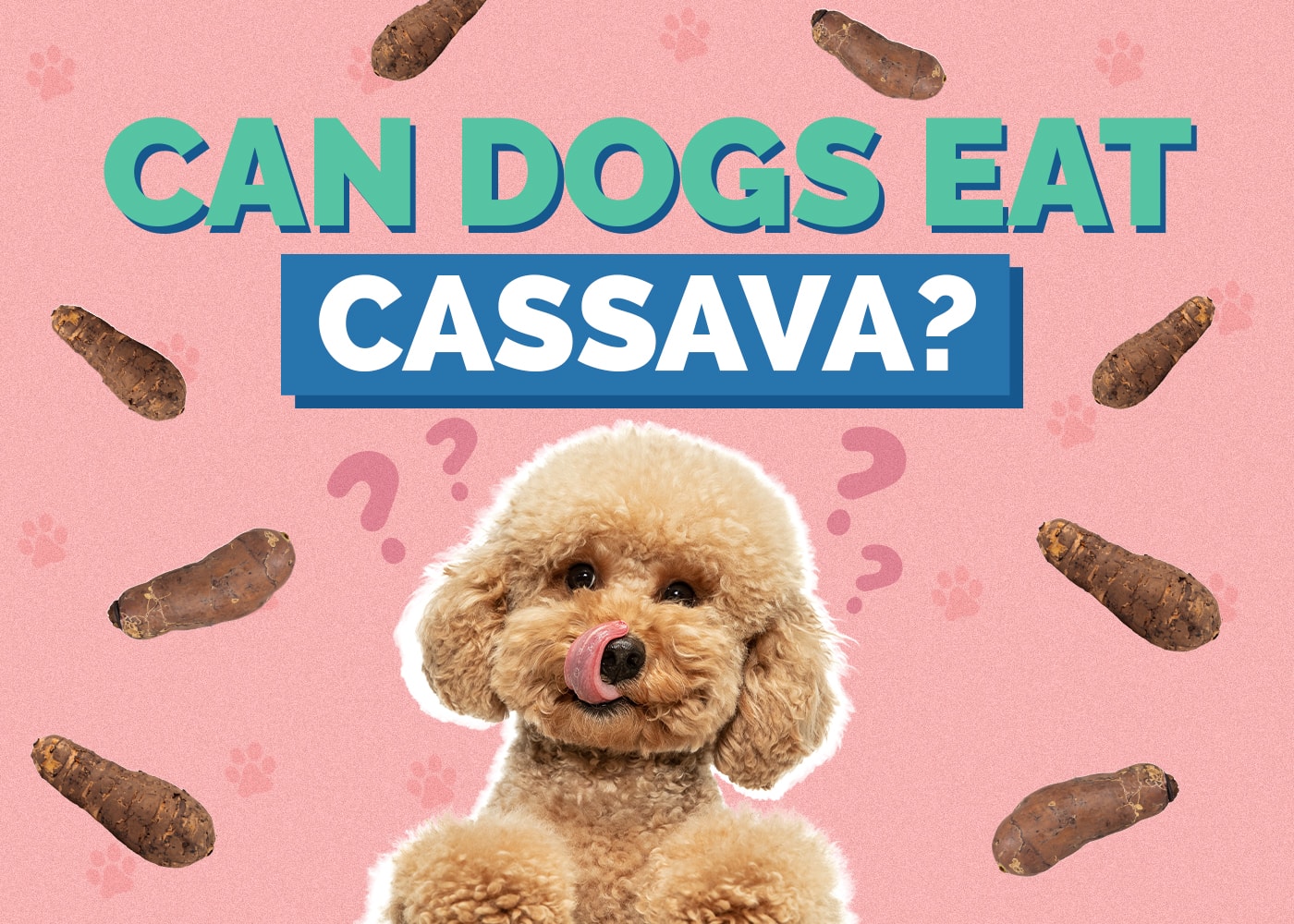
You could be wondering if dogs can eat cassava for a few reasons—either you’re thinking of adding this to your dog's diet, or your dog accidentally ate something. Or maybe you even see it as an ingredient in your dog's food and wonder what nutrition it offers.
So you'll be pleased to know that when it comes to cassava, it is safe for your pet to eat. However, that's the short answer. Let's break down what cassava does for your dogs and how much you need to portion if you choose to offer it. Also, never feed your dog raw cassava because of the dangers.

What Is Cassava?
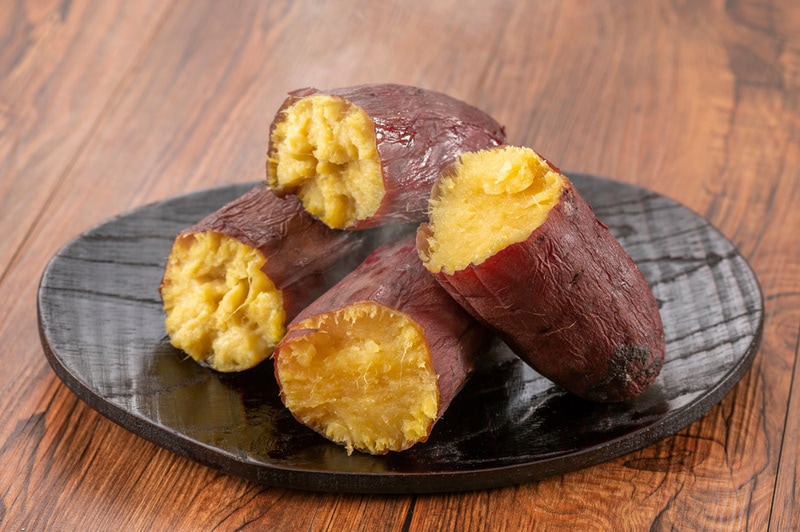
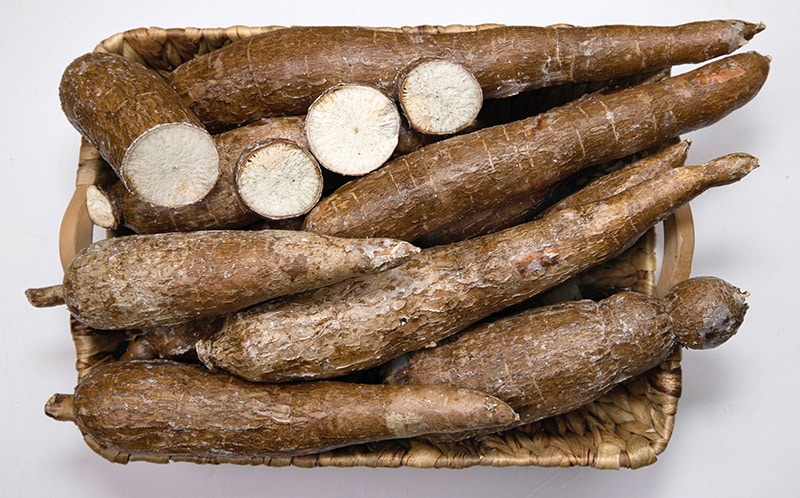
Cassava, or yucca, is a native South American plant closely related to sweet potatoes. This starchy root vegetable provides a good source of carbohydrates and calories and has a rather nutty flavor.
Today, we enjoy fresh, dehydrated, and flour-based cassava. Some dog foods might contain cassava as a starch base to provide appropriate carbohydrates in your pup's diet.

Cassava Nutrition Facts
| Calories | 328 |
| Total Fat | 6 g |
| Sodium | 29 mg |
| Potassium | 558 mg |
| Total Carbohydrates | 78 g |
| Dietary Fiber: 3.7 g | |
| Sugar: 3.5 g | |
| Protein | 8 g |
| Vitamin C | 70% |
| Iron | 3% |
| Vitamin B6 | 10% |
| Magnesium | 10% |
| Magnesium | 3% |

Cassava Health Benefits
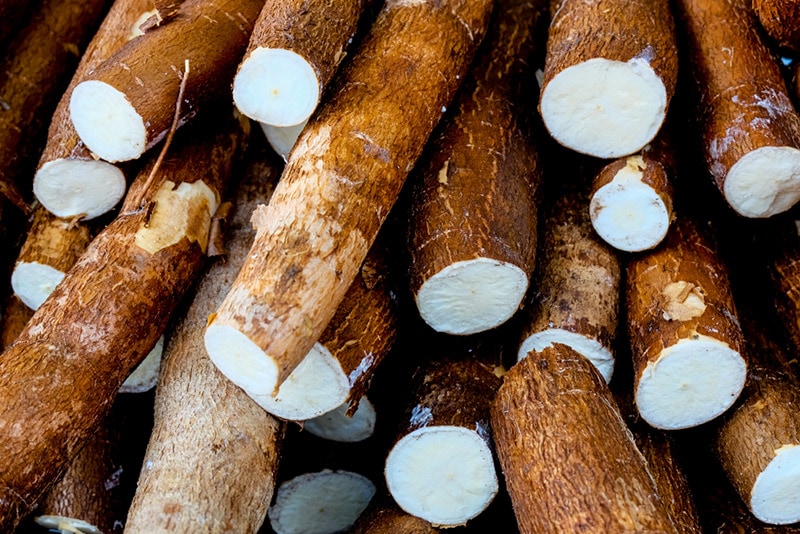
Cassava has several health benefits, which can increase or decrease depending on how it is prepared. Here are a few to mention.
Supports Healthy Weight
Even though large quantities of cassava can contribute to unwanted weight gain, the proper measurements can actually support a healthy weight. So this plant works well in dog foods designed for dogs counting calories.
Promotes Good Gut Bacteria
Studies have shown that fiber in the cassava plant decreases harmful bacteria and promotes the growth of healthy bacteria in the gut. This makes it suitable for grain-sensitive dogs that need a little boost in their digestive tract nutrition.
Fights Inflammation
Cassava contains an anti-inflammatory chemical property called indolepropionic acid. This anti-inflammatory helps reduce the risks of diabetes, obesity, and heart disease.
Boosts Energy
Cassava is known for its energy-giving properties. It has a high-calorie content, containing 50% or more calories than other root vegetables.
Improves Blood Sugar Levels
Cassava has been proven to support low blood sugar levels and control appetite. This ingredient might be an extra beneficial thing to add to your dog's diet if they suffer from issues like diabetes.
Promotes Healthy Skin and Coat
Not only does vitamin C improve immunity, but it also boosts the synthesis of collagen in the body. Therefore, cassava can contribute to healthy skin and coat in dogs.
Cassava Concerns
While cooked cassava is completely non-toxic, it should not be your dog's primary food source. Here are some things to watch for with cassava so you know the frequency and amount to feed them.
High in Calories
Because cassava is a starchy, carb-filled veggie, it's very high in calories. In moderation, it can make a great carbohydrate source, but in excess, it can cause unnecessary weight gain, which can later contribute to other negatives.
Not Suitable to Eat Raw
Eating cassava raw is just not worth it for people or pets! Cassava contains cyanogenic glycosides, which result in cyanide poisoning if poorly prepared. You must adequately detoxify cassava by soaking, drying, and scraping the outside before your dog can eat it—and the same goes for humans!
Processed Cassava Can Lower Nutrient Intake
If cassava is heavily processed, it can decrease nutrient intake. It's best to offer freshly cooked or properly prepared cassava.

How to Serve Cassava
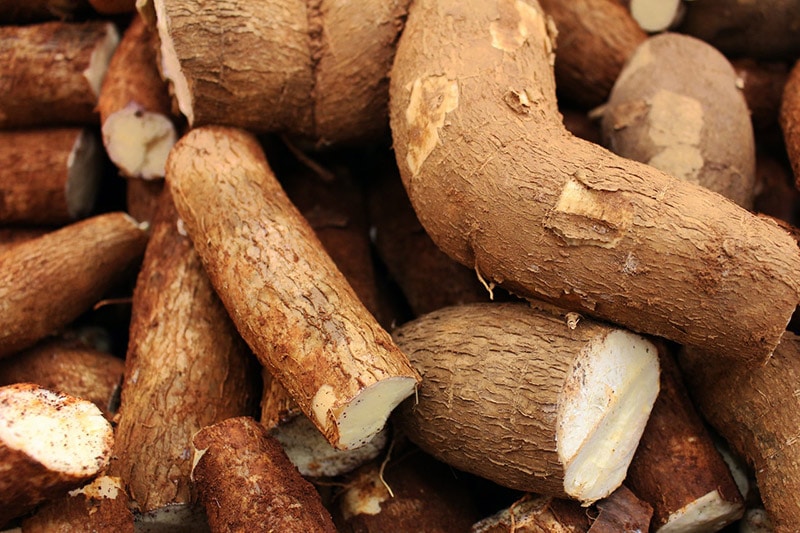
If you have raw cassava, you must detoxify the entire vegetable before serving it. Cook or dehydrate the cassava entirely before offering it to your dog. You should avoid processed cassava chips, offering only freshly prepared portions.
Often, if you're working with cassava flour, this is an additive and a broader recipe rather than a standalone snack. If you have cassava flour, you will want to prepare it completely before serving, which involves light cooking and combining it with other ingredients.
Cassava in Dog Food
Cassava is sometimes used in homemade and commercial dog food diets. So if you are exploring the different ingredients listed in either of those dog food options, you might want a background on why it's used and all of its benefits.
Cassava root flour is completely safe for dogs to eat, and it's often the ingredient you see that contains this root vegetable. This is the ingredient that many commercial dog food companies use to make tapioca. Cassava root or tapioca are often found in grain-free diets to replace potentially irritating fillers.

Conclusion
Now you know that cassava is perfectly fine for your dog if it is prepared correctly, eliminating potential toxins that could harm your buddy. Cassava is a possible ingredient in homemade or commercial grain-free dog food diets to replace a gluten-based carb source. So, if you want to feed your dog cassava, be sure to do so responsibly and portion the amount to avoid overfeeding.
Sources
Featured Image Credit: E Dewi Ambarwati, Shutterstock
Get Hepper In Your Inbox


Pet care tips from our vets and experts, straight to your inbox.
You may opt-out at any time. View our Privacy Policy for more information.
Ashley Bates, a freelance writer with a passion for pets, is currently studying animal therapy. She is a mother to four children and 23 pets, both furry and feathery. Ashley actively volunteers at local shelters, advocates for animal welfare, and rescues animals in distress. Her mission is to promote awareness, education, and entertainment about pets to help prevent animal homelessness. She specializes in the care and well-being of dogs and cats.
Join the conversation
Ask a question, share your story, or send private feedback.