Hepper is reader-supported. When you buy via links on our site, we may earn an affiliate commission at no cost to you. Learn more.
Can Dogs Eat Kohlrabi? Vet Approved Facts & FAQ


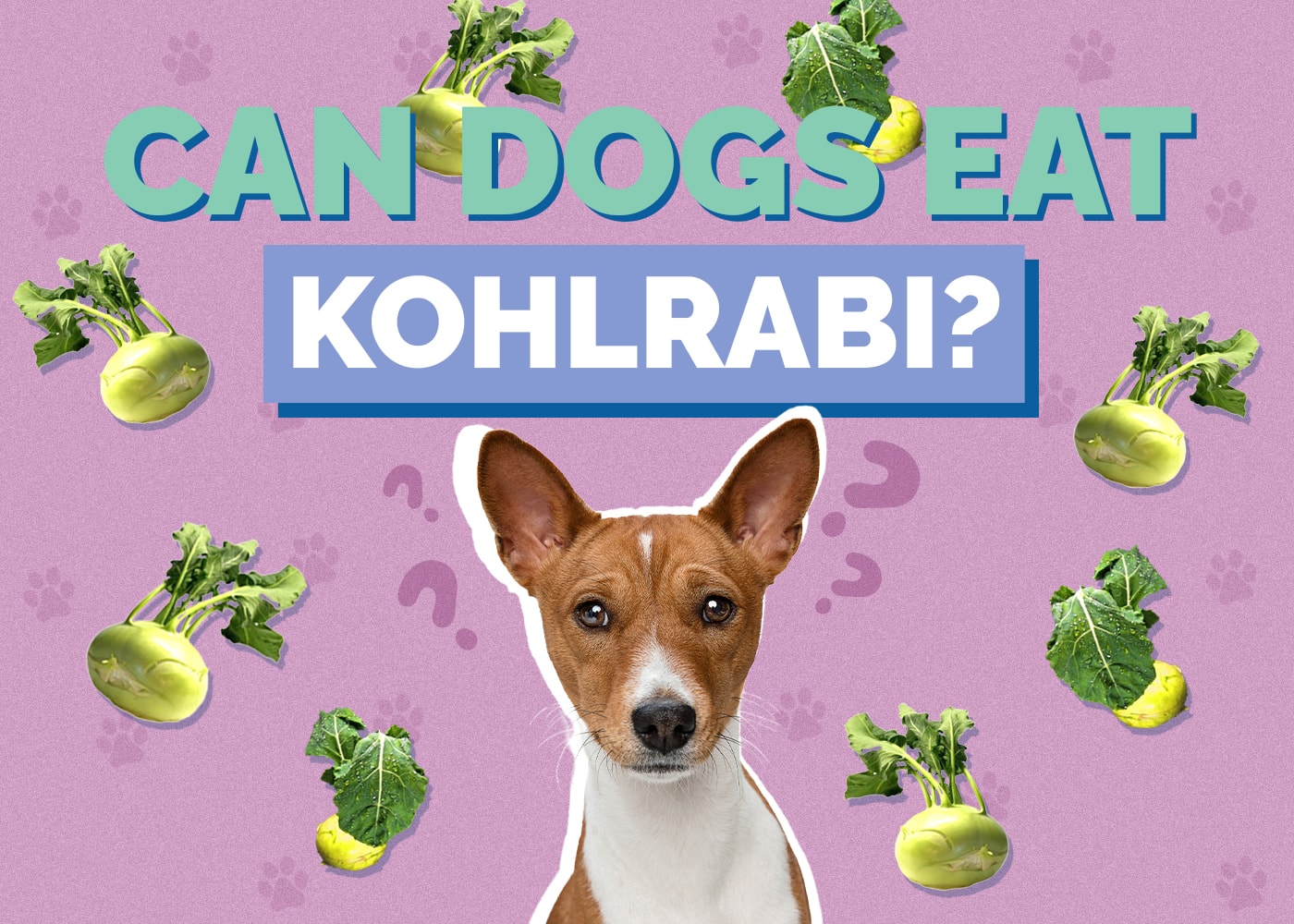
Kohlrabi or German turnip is a type of cruciferous vegetable that can be used in salads, roasted vegetable bowls, and various tasty recipes. It is usually seasoned and cooked with various sauces used to make it tastier for human consumption. Even though kohlrabi itself is safe for dogs to eat, the spices and oils used to enhance the kohlrabi's flavor are not.
So, how safe is kohlrabi for dogs to eat and does this vegetable offer any nutritional benefits for your dog? We’ll answer all your questions below.

Is Kohlrabi Safe For Dogs To Eat?
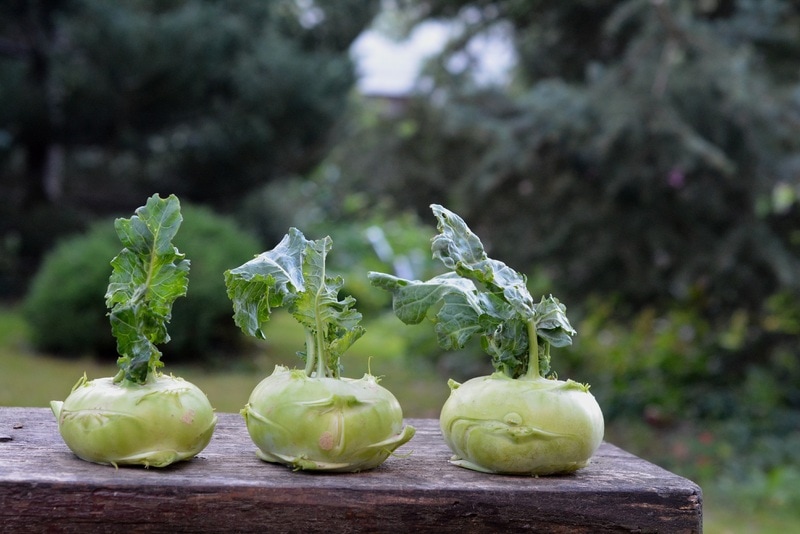
Yes, it is safe for your dog to eat small amounts of kohlrabi. Both red and green kohlrabi are safe for dogs to eat, including the bulb, stems, and leafy parts of the vegetable. This vegetable should only be offered occasionally to your dog as a healthy snack.
The bulb of kohlrabi has a crunchy taste similar to the stems of broccoli, with a mildly sweetish-peppery flavor that some dogs might turn up their nose to. The taste can be quite bland and unappealing for certain dogs, especially if your dog is not already fond of other similar vegetables like broccoli and collard greens.
As with most foods, there are pros and cons to feeding this vegetable to your dog, and while it contains a variety of nutrients that make it healthy, certain compounds naturally present in the vegetable might make you reconsider if it is worth feeding to your dog.
What To Know Before Feeding Kohlrabi to Dogs
Before deciding whether kohlrabi is truly safe and beneficial to your dog, here are some things to consider.
Kohlrabi is not considered toxic to dogs, but as a cruciferous vegetable, feeding too much can lead to gastrointestinal upset in dogs. The high amount of fiber present in kohlrabi (especially the leafy part) can be difficult for dogs to digest at first, so introducing it gradually to your dog is important. A dog with an upset stomach can have a range of unpleasant symptoms such as diarrhea, constipation, gas, and bloating.
Raw kohlrabi contains goitrogens, which may cause thyroid gland problems. These compounds are generally at low levels in kohlrabi and are destroyed by heat, so are removed when it is cooked.
Another minor concern is the oxalic acid that is found in kohlrabi. Oxalates may bind minerals such as calcium and limit it is absorption. However, this is usually only a concern when a large quantity of kohlrabi is fed or if it is consumed raw by your dog.
Boiling and steaming kohlrabi can help reduce the goitrogen and oxalates, which is another reason why thoroughly cooking kohlrabi before feeding it to your dog is the better option than feeding it raw.
Lastly, the psoralens in the skin of kohlrabi can make your dog’s skin sensitive to ultraviolet lighting, like the UVA rays from the sun. These are a type of compound that is considered a “natural toxin” and found in some fruits and vegetables. These psoralens can be irritating to your dog’s skin and increase your dog’s risk of dermatitis. Limiting the amount of kohlrabi you feed to your dog can prevent this from becoming a concern. If your dog already has skin issues, it is best to avoid feeding kohlrabi to your dog.
How Healthy Is Kohlrabi for Dogs?
When it comes to understanding how food can be beneficial to dogs, it's a good idea to consider the nutrients the food contains. This allows you to see how it can benefit your canine companion, and what each vitamin or mineral has to offer your dogs in terms of nutrition.
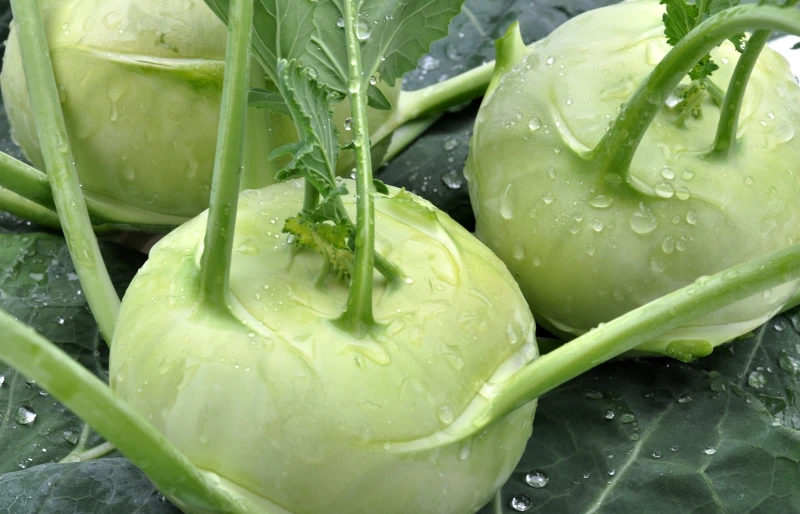
Like most coniferous vegetables, kohlrabi is high in antioxidants and is a good source of both soluble and insoluble fiber. This vegetable also contains a variety of vitamins and minerals, including, vitamins C and B6, potassium, and beta-carotene.
Now, soluble fiber is a type of digestible fiber that is broken down in the water, whereas insoluble fibers maintain their structure and help with the intestinal transit time by bulking up the food. The fiber in general is great for supporting a dog’s gastrointestinal function and gut health.
Although dogs can make their own vitamin C, some dogs may benefit from the additional vitamin C in their diet. Kohlrabi is rich in vitamin B6, which plays a role in red blood cell production, and hormone regulation in dogs. The beta-carotene in kohlrabi is a type of antioxidant that helps keep a dog’s immune system strong. It can be described as a precursor of vitamin A, and it is great at fighting off free radicals.
Furthermore, kohlrabi is high in antioxidants and fiber, low in fat, and only contains natural sugars, making it a healthy food for your dog in moderation. However, your dog should already be getting most of these nutrients that you can find in kohlrabi from their balanced, staple diet.
Preparing & Feeding Kohlrabi to Dogs
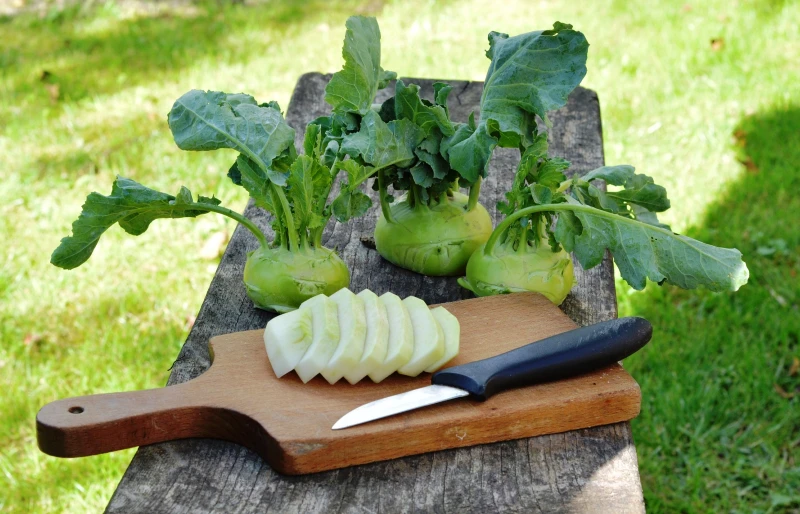
When feeding kohlrabi to your dog, make sure that it is cooked and softened beforehand. For kohlrabi to be safe for dogs, it should be fed without seasonings, oils, sauces, and other unidentifiable ingredients.
Tips for preparing kohlrabi for dogs:
You can feed kohlrabi in moderation and small amounts appropriate for your dog’s size and weight. If you are unsure about whether you should feed kohlrabi to your dog due to health problems as well as the amount of kohlrabi you should feed to your dog, consult with your dog’s veterinarian first.

In Conclusion
When fed in appropriate amounts and occasionally, kohlrabi can be safe for most dogs. The taste of kohlrabi can be discouraging for some dogs to eat, so it might not appeal to picky eaters. While kohlrabi contains trace minerals and vitamins and is rich in antioxidants that have benefits, certain compounds in kohlrabi like psoralens, goitrogens, and oxalates can negatively affect your dog.
As with most foods that are new to your dog, you should introduce kohlrabi with the guidance of a veterinarian and in small amounts to see how it will affect them.
See Also:
Sources
Featuring Fiber: Understanding Types of Fiber and Clinical Uses | Today's Veterinary Practice
Nutrition - General Feeding Guidelines for Dogs | VCA Animal Hospitals
Photosensitization in Animals - Integumentary System - Merck Veterinary Manual
https://www.merckvetmanual.com/endocrine-system/the-thyroid-gland/goiter-in-animals
https://vetchiropractor.com/beta-carotene-boosting-dogs-immune-system/
Featured Image Credit: pilipphoto, Shutterstock
Get Hepper In Your Inbox


Pet care tips from our vets and experts, straight to your inbox.
You may opt-out at any time. View our Privacy Policy for more information.
Sarah is residing in South Africa with her partner and pets. She currently is interested in veterinary science and ichthyology, which she wants to study alongside her main passion: pet content writing. Sarah has over 60 fish including goldfish, tropicals, shrimp, and snails. She also keeps hamsters and a tarantula and wishes to provide quality content for readers and allow others to learn from her knowledge and experience. Sarah has much experience in all aspects of pet care, and providing the world with knowledge on ethical pet ownership is her lifelong dream.
Join the conversation
Ask a question, share your story, or send private feedback.