Hepper is reader-supported. When you buy via links on our site, we may earn an affiliate commission at no cost to you. Learn more.
Can Dogs Eat Yucca? Vet-Approved Facts & Alternatives


In this article
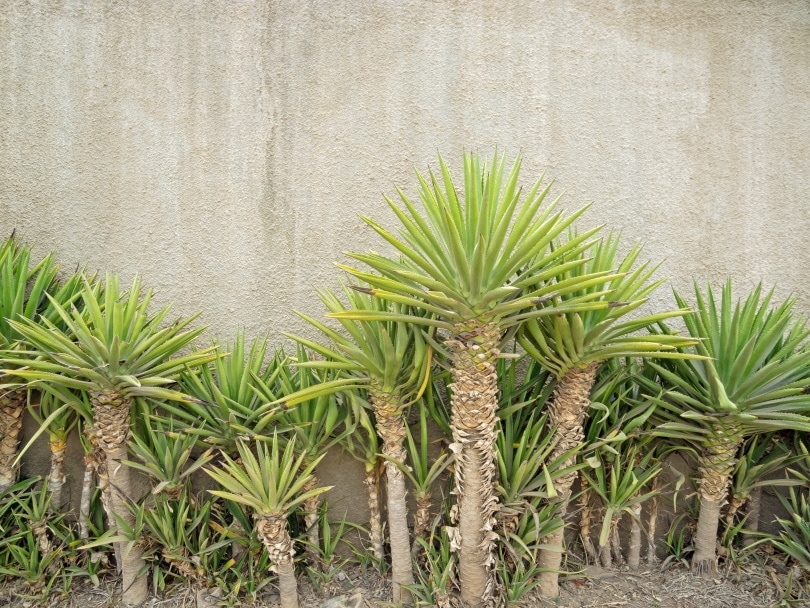
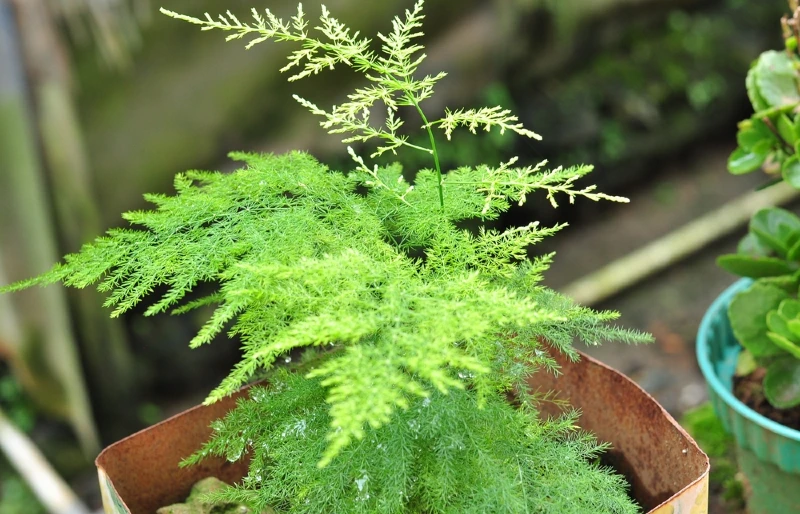
Yucca plants are typically grown as ornamental plants in gardens, but they are also known to have numerous health benefits, including use as a supplement for your dog if it suffers from arthritis. While this may appear to be a great natural alternative for your dog, is it safe? It's best to keep your dog away from yucca since it is considered highly toxic by the American Society for the Prevention of Cruelty of Animals (ASPCA) and may cause serious health problems1.
Before giving your dog a yucca supplement, there are essential factors to consider, so let’s look at this plant to understand its benefits and drawbacks.

Can Dogs Eat Yucca?
In high amounts, raw yucca has a high toxicity level for dogs, so it is best to keep your beloved pet away from it at all costs, especially because all parts of the plant are toxic. Yucca contains steroidal saponins that protect it from fungi and insects, and these saponins can lead to poisoning and be fatal in extreme cases.
Yucca is even listed as a toxic substance for dogs by the ASPCA. If you live in an area where a lot of yucca plants are cultivated, or if you have it growing in your garden, you should remove it and keep a close eye on your dog to prevent it from consuming the toxic species.
If yucca has so many health benefits, what makes it toxic to dogs? Raw yucca contains cyanide, which is lethal, and a large dose can be fatal for a dog. Although cooked yucca doesn’t contain cyanide, it still contains saponins, so it's still best to keep cooked yucca away from your dog and resist sharing your yucca fries from your plate.
You may have heard of some yucca extract being used in health supplements to help with joint pain, which may leave you confused and wondering if it is actually safe.

How Healthy Is Yucca?
Dogs in raw form cannot ingest Yucca because it is highly toxic. However, it does have some health benefits when processed into a medicine specifically for dogs. The yucca plant is packed with minerals and vitamins. Herbalists extract these minerals and vitamins by drying and grinding the plant, which can be used to make tea. It can help with arthritis, dysplasia, skin allergies, and digestive problems. Yucca is an excellent natural steroid with no side effects when used correctly.
However, all of these benefits are only for humans. We can cook and eat yucca without taking any risks. Surprisingly, some pet food companies include a trace of yucca schidigera in their recipes. It is used to reduce the odor of the dog's feces by preventing the production of hydrogen sulfide and ammonia. Nonetheless, the yucca is thoroughly processed and used in very small quantities. There are a lot of pet food manufacturers who don’t use it because of the risks associated with this plant.
You should only use yucca specially processed for dogs and not attempt to make your own, as you may easily exceed the dose, which may become lethal. The danger of using supplements containing yucca is the potential for overdose. As with any addition to your pet’s diet, check with your veterinarian before giving your pet a yucca formula.

Signs of Yucca Poisoning
If your dog eats a large portion of raw yucca, some tell-tale signs will alert you and prompt you to get your dog to the vet asap.
While the most common signs are lethargy and digestive issues, other signs may include:
If your dog shows any signs and you suspect it has ingested raw yucca, try to stay calm and get it to the vet as soon as possible. The longer you wait, the more damage the toxin can cause. In most cases, the veterinarian will induce vomiting to remove any undigested yucca. Following that, your dog will likely be given an IV to replenish what may have been lost. A urinalysis and blood count may be performed depending on the amount your dog consumed, and if there is any chance that a part of the plant got stuck in the throat, an endoscopy may be performed.
Some dogs may be put on an antibiotic or other medication, especially if it has kidney or liver disease.

Healthy Diet Tips for Arthritis and Dysplasia
While yucca grown fresh from the ground is the most dangerous, you may be understandably hesitant to give your dog supplements with yucca extract. Fortunately, there are plenty of natural alternatives you can give to your dog.
Good quality meat like chicken and beef is naturally high in iron, and kale and spinach are high in vitamin C. Vitamin C is great for rebuilding connective tissues damaged by dysplasia. Ginger can also be given to dogs in small quantities to help treat joint pain, arthritis, and dysplasia. It has amazing anti-inflammatory properties and contains antioxidants.
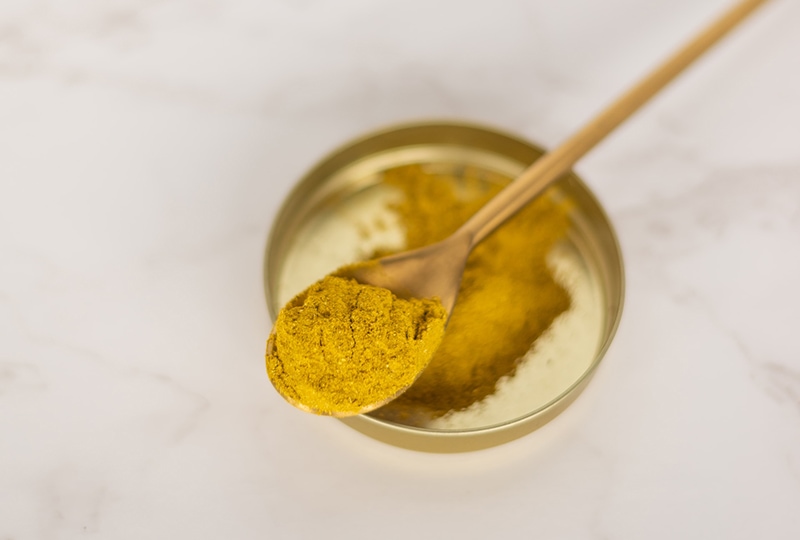
Tumeric is another anti-inflammatory you can give to your dog and is the most well-known and widely used medicinal herb for treating joint pain and inflammation. There are also plenty of vegetables you can give to your dog as part of their diet that are healthy and safe.
Your dog can have vegetables such as:
All stems, seeds, pits, cores, and leaves should first be removed. The vegetables should be washed well and cut into small pieces. Always consult your veterinarian before introducing new foods to your dog. What’s good for one dog may not be suitable for another. All treats, including vegetables, should be given to your dog in moderation and should account for no more than 10% of your dog's total diet.

Conclusion
While yucca supplements may alleviate joint pain, digestive issues, and skin conditions in your dog, raw and cooked yucca is entirely unsafe. Yucca is named a toxic substance by the ASPCA and can cause health problems in even small amounts. Raw yucca contains the highest amount of toxin, so if it is in your garden, you should remove it immediately. There are healthy and safe alternatives you can give to your dog to help with joint pain and arthritis, but remember that your veterinarian always knows best.
See also:
Get Hepper In Your Inbox


Pet care tips from our vets and experts, straight to your inbox.
You may opt-out at any time. View our Privacy Policy for more information.
Nicole is a lover of animals of all sizes but is especially fascinated with the feline variety. She’s the proud mom of Baby, a Burmese, and works every day so he can relax in the sunshine or by the fire. She’s always had a cat in her home and has spent countless days with others, observing behaviors and softening up even the grouchiest of the lot. Nicole wants to share her kitty expertise with you so you and your cat can live happy, healthy, and care-free.
Join the conversation
Ask a question, share your story, or send private feedback.