Hepper is reader-supported. When you buy via links on our site, we may earn an affiliate commission at no cost to you. Learn more.
Can Dogs Eat Pine Cones? Health Concerns Reviewed


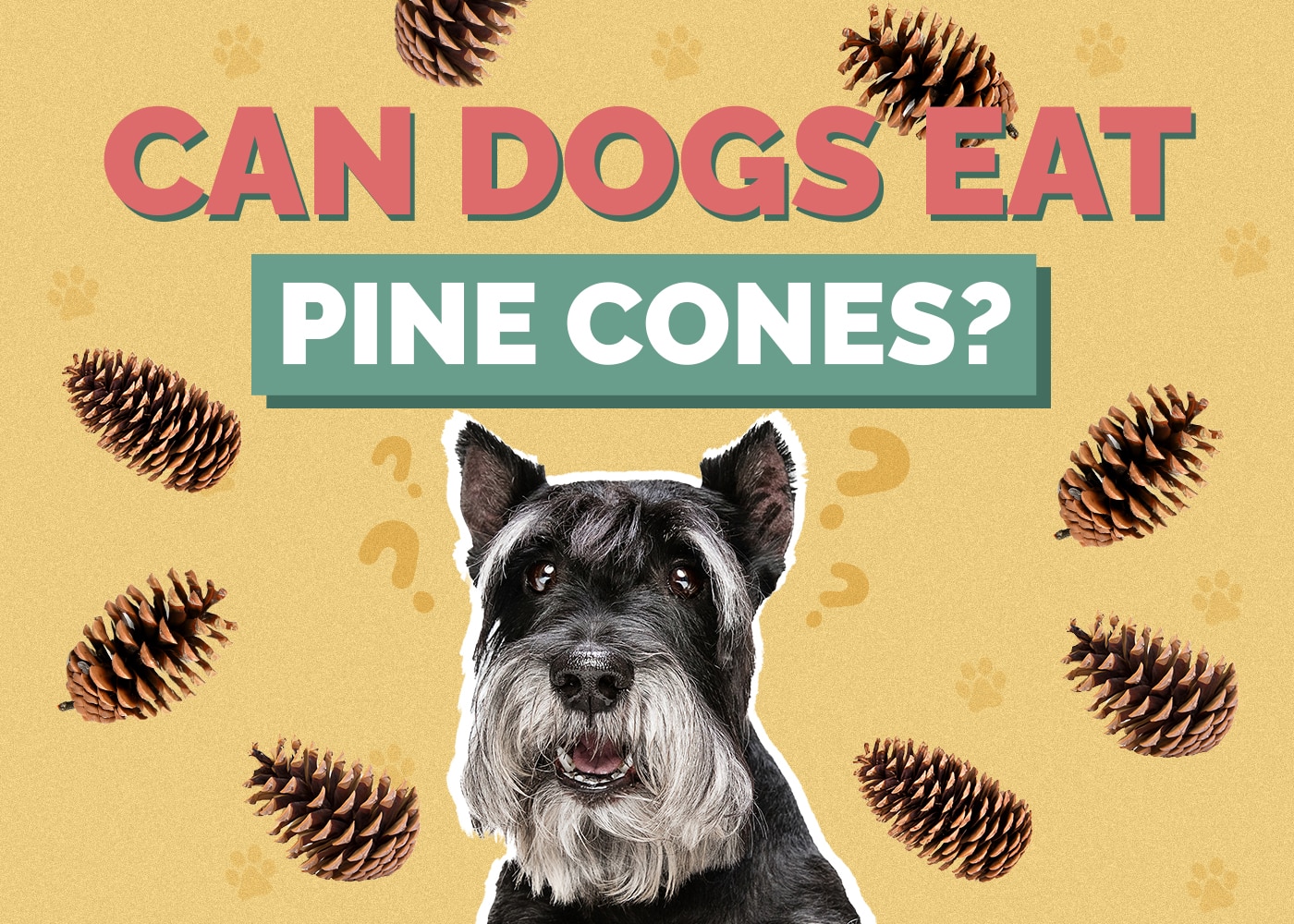
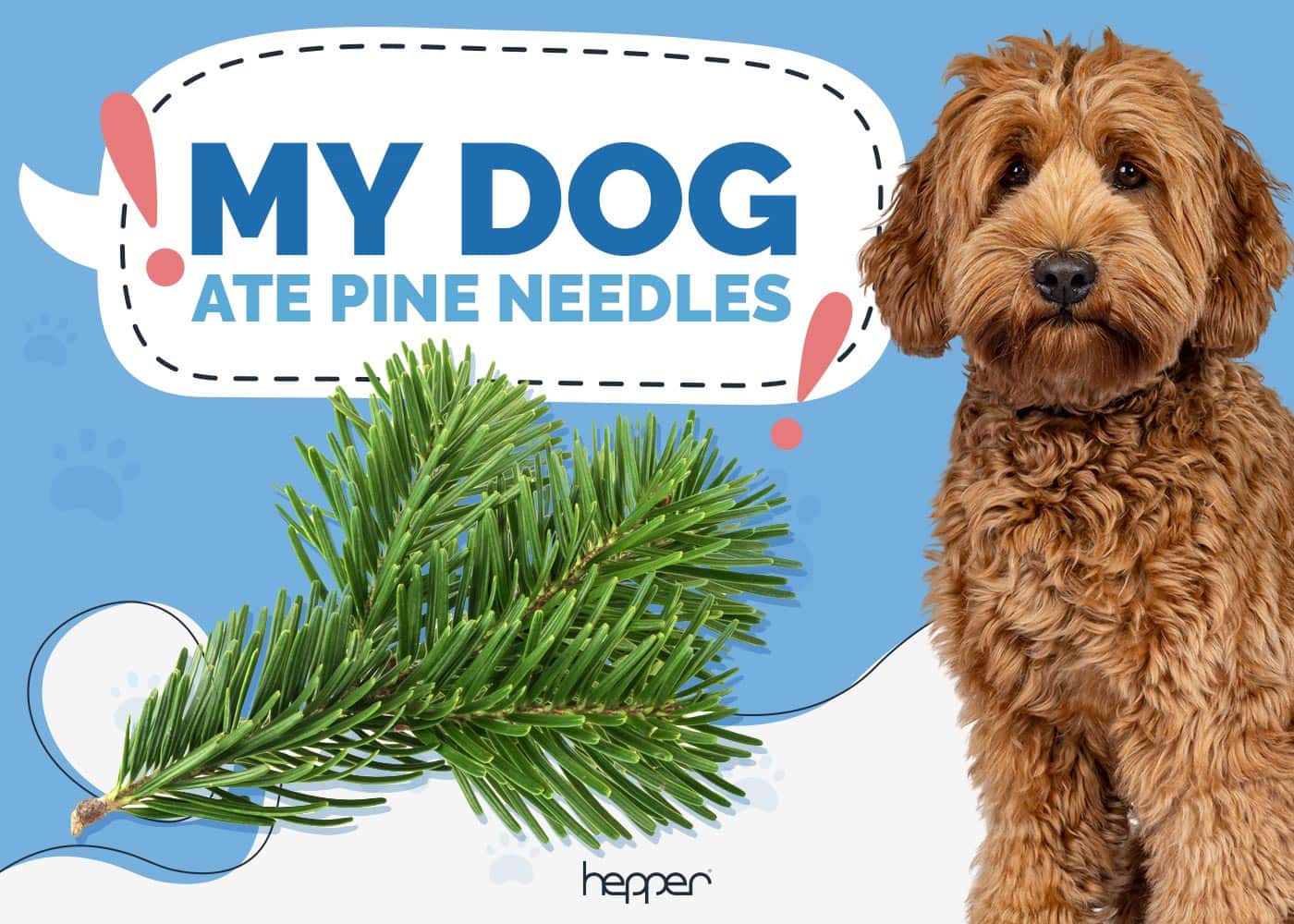
The weird things our dogs seem to fancy eating sometimes can be something of a surprise. As dog parents ourselves, we’ve witnessed our dogs attempt to hoover up some pretty bizarre stuff while out walking. The park is simply full of interesting bits and bobs that some dogs will completely ignore while others go in for a nibble—including pine cones. To cut a long story short, dogs should not eat pine cones.
In this post, we’ll explore more about dogs eating pine cones, as well as some of the other most common things your dog may attempt to munch on while out in the park or forest and if they pose any threat to your dog’s health.

Are Pine Cones Safe for Dogs?
First, the good news is that pine cones are not toxic to dogs. Now, for the not-so-good news: pine cones can still cause gastrointestinal upset and even damage to your dog’s stomach in severe cases. If we consider the size and texture of pine cones, they certainly have the potential to cause an intestinal blockage, which can occur in the stomach or intestines.
Moreover, these large, tough, and spiky seed-bearers present a choking hazard. There’s also the risk of inflammation in your dog’s throat, which can be caused by swallowing foreign objects.
So, though pine cones aren’t poisonous to dogs, they can still cause some serious issues—some of which require surgery to sort out—and dogs should therefore not be allowed to eat them under any circumstances.
My Dog Ate a Pine Cone, What Should I Do?

Even if your dog seems fine, it’s best to contact your vet for advice if you’ve spotted your dog chomping on a pine cone just because of the potential risks described above. Safe is always better than sorry and, if you’ve been worrying, you’ll likely feel a bit better knowing your vet is aware of the situation.
If possible, let your vet know how much of the pine cone your dog has eaten (or how much you think they might have eaten) to help them offer you the best advice. Your vet may ask you to bring your dog in for a checkup and/or monitor them over a period of time for any unusual symptoms.
Symptoms to keep an eye out for include vomiting, appetite loss, drooling, lethargy, diarrhea, reluctance to be touched on the abdomen due to pain, bloating, excessive thirst, constipation, and restless behavior.
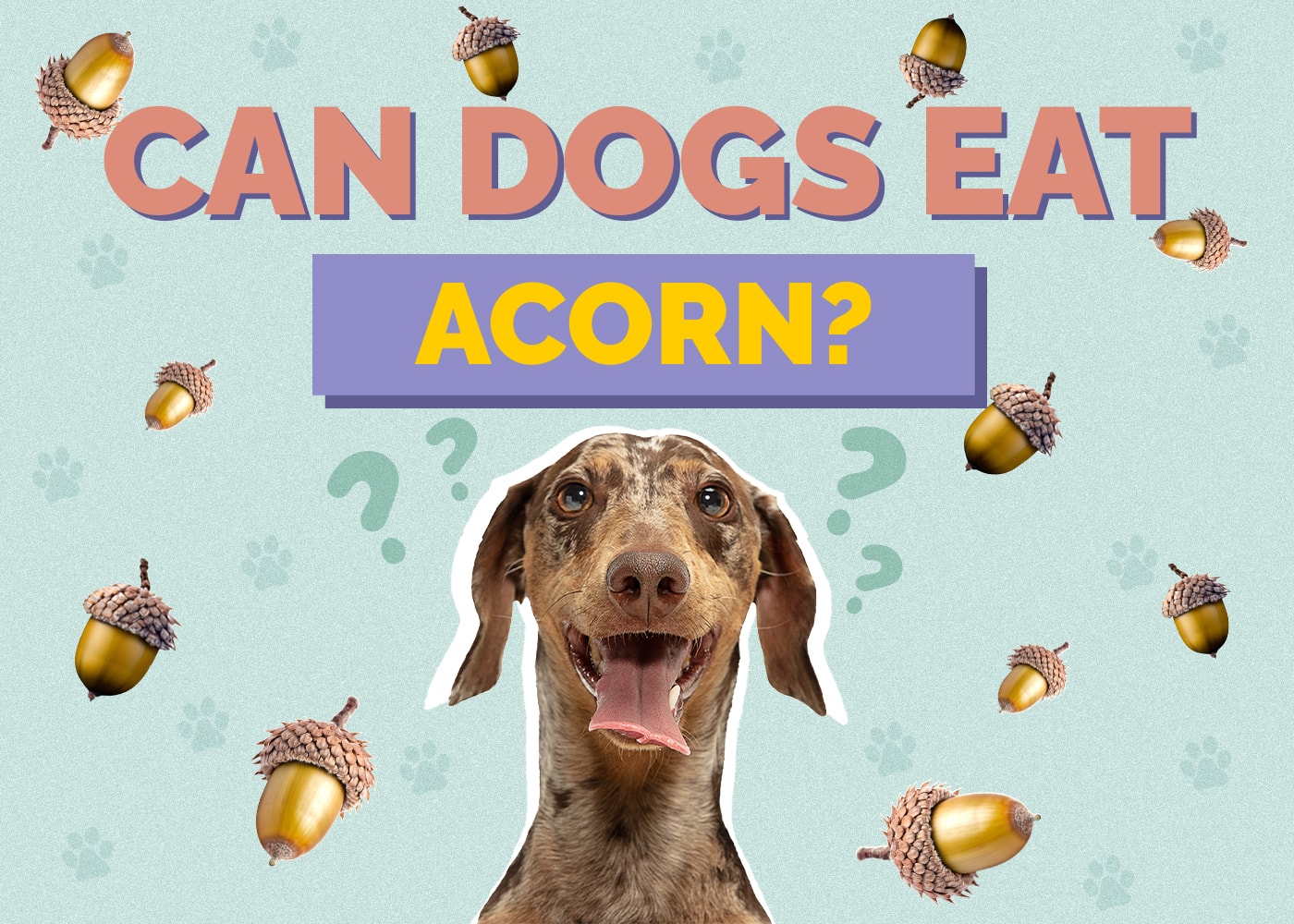
Can Dogs Eat Acorns?
No, dogs cannot eat acorns because they’re toxic. This is due to the presence of tannic acid, which can cause an upset stomach resulting in symptoms like vomiting and diarrhea. In severe cases, dogs can experience liver and kidney failure from ingesting tannins, though, fortunately, this isn’t very common. Intestinal obstruction is another possibility, particularly in smaller dogs.
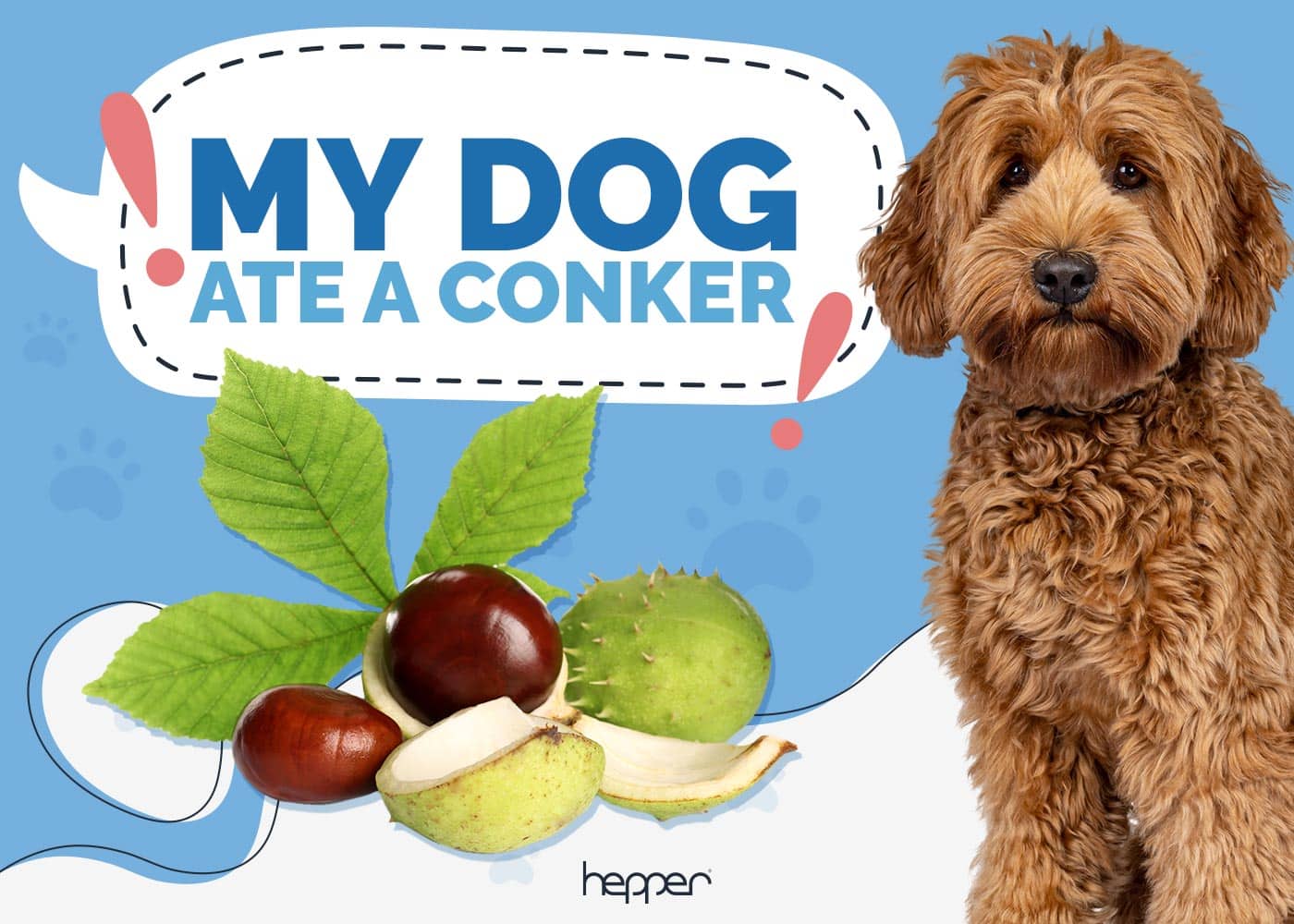
Can Dogs Eat Horse Chestnuts?
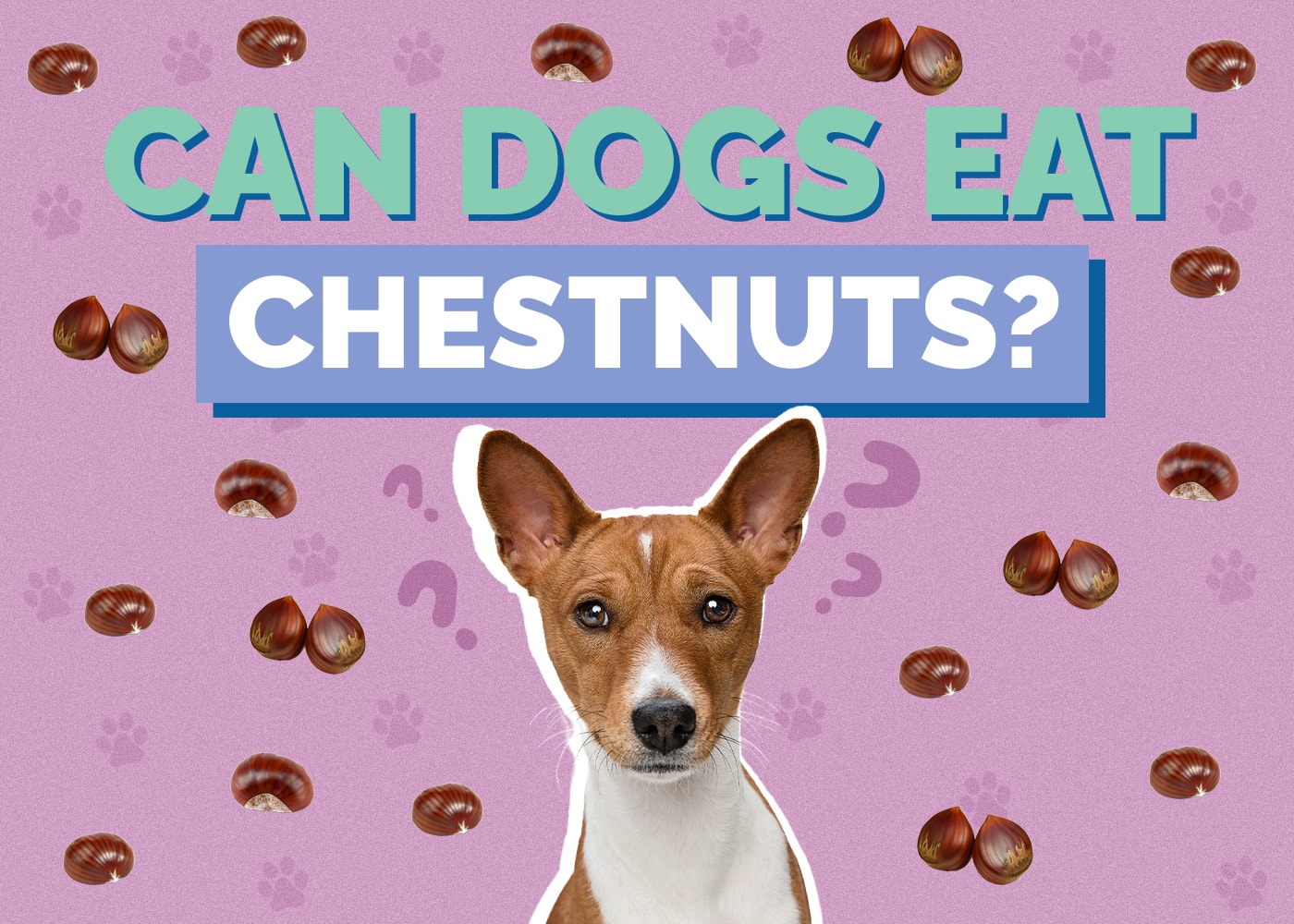
Horse chestnuts—also known as “conkers”—are not safe for dogs because they contain aesculin, a toxin that can make them unwell. A stomach upset is a typical consequence of eating horse chestnuts, but, less commonly, dogs can end up seriously ill. For this reason, it’s a good idea to stay away from these when visiting a park or forest.
Luckily, some chestnuts—like sweet chestnuts and Chinese chestnuts—are safe for dogs and can be given as an occasional treat. These should be washed and either roasted or boiled and the shells should be peeled off before they’re given to your dog as a snack. Avoid feeding too many—moderation is key.

Final Thoughts
To recap, though pine cones aren’t poisonous, the risks of letting your dog eat them are still great. It’s a good idea to teach your dog to drop something on command — “leave it” and “drop it” are two commonly-used vocal cues that could help you out when you spot your dog picking up something they shouldn’t while out and about.
See Also: My Dog Ate a Conker: Vet-Approved Facts & Safety Guide
Sources
https://vcahospitals.com/know-your-pet/kidney-failure-chronic-in-dogs
https://www.bluecross.org.uk/advice/dog/health-and-injuries/are-acorns-poisonous-to-dogs
https://www.sugarthegoldenretriever.com/2022/09/can-dogs-eat-pine-cones/
https://www.frontierpet.com/site/blog/2021/11/30/signs-intestinal-blockage-dogs
https://www.msdvetmanual.com/dog-owners/lung-and-airway-disorders-of-dogs/pharyngitis-in-dogs
Get Hepper In Your Inbox


Pet care tips from our vets and experts, straight to your inbox.
You may opt-out at any time. View our Privacy Policy for more information.
Kit Copson is a freelance writer and lifelong animal lover with a strong interest in animal care. She has parented various furry beings over the years and is currently a proud cat mom of two—one skittish but adorable Domestic Shorthair and very chilled (unless hungry) Siamese and a —and dog mom of one—an adopted Bichon Poodle cross. When not writing about or spending time with pets, Kit can be found doodling in her sketchpad, reading, or more often than not, drinking tea.
Join the conversation
Ask a question, share your story, or send private feedback.