Hepper is reader-supported. When you buy via links on our site, we may earn an affiliate commission at no cost to you. Learn more.
Can Dogs Eat Acorns? Vet Approved Facts & Safety Guide



In this article
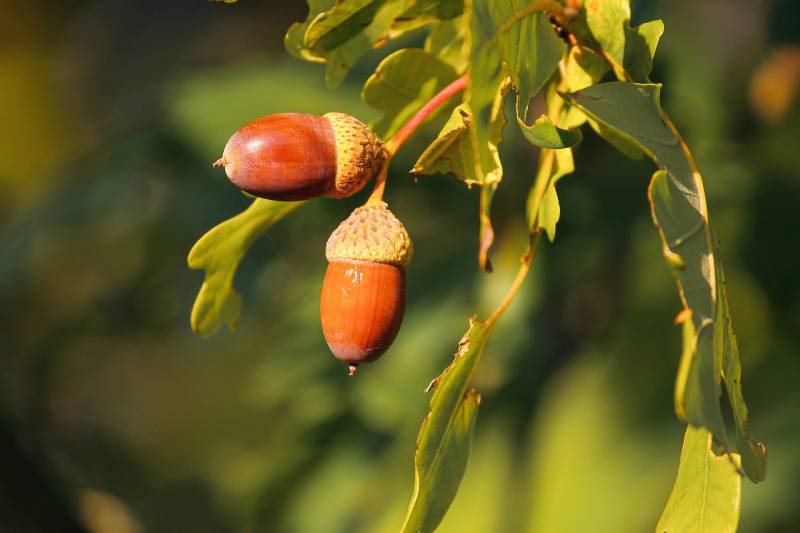
Acorns might be a winter staple for squirrels, but are they safe for dogs? Your dog might show an interest in eating acorns, but you shouldn’t let it. In fact, dogs shouldn't eat acorns as they can cause dangerous intestinal blockages or poisoning. You should contact your vet if your dog has eaten acorns, oak leaves, or any other part of an oak tree.
Luckily, most dogs aren’t interested in eating acorns, so for most dogs, it is pretty easy to keep them safe.

Acorn Blockages
One of the biggest risks of your dog eating acorns doesn’t have anything to do with nutrition—in fact, it’s the acorn’s size and shape! Because acorns are small, round, and hard, they can be choking hazards or cause an intestinal blockage in your dog. If an acorn gets stuck in your dog’s digestive system, it will prevent other food from passing through. This can lead to dehydration, vomiting, abdominal pain, difficulty defecating or diarrhea, and weakness or lethargy. A blockage also presses on the intestinal walls and can cause serious damage to them and even rupture or perforation of the intestinal tract.
Intestinal blockages are serious hazards that can be life-threatening if they aren’t treated promptly. Your vet will start with a thorough physical exam and palpation of the abdomen, sometimes the obstruction can be felt. They will then usually take X-rays to evaluate further. Surgery is usually required to identify and remove the blockage.
Acorn Poisoning
A blockage isn’t the only danger posed by an acorn. Acorn poisoning is also a risk. Oak trees are high in tannins—a type of bitter chemical meant to ward off animals. You’ve probably tasted bitter tannins in your cup of tea, and if you’ve ever bitten into fruit before it’s ripe, the sharp flavor is caused by tannins too. Oak trees produce tannins in all parts of the tree—bark, leaves, roots, and acorns. Acorns are high in tannin levels when they are green, and levels drop as they ripen.
In small amounts, these aren’t very delicious to your dog, but they won’t cause much harm either. But in larger amounts, tannins can poison dogs. Signs like vomiting, appetite loss, diarrhea, dehydration, and diarrhea are all possible side effects of acorn consumption. Depending on your dog’s health and the amount consumed, your vet has a variety of treatment options. They may need to give medication for the vomiting or pain, and in more severe cases blood tests and IV fluids may be needed. As mentioned above, if there are concerns about an intestinal blockage then x-rays and surgery may be required.
Keeping Your Dog Safe From Acorns and Oak Leaves
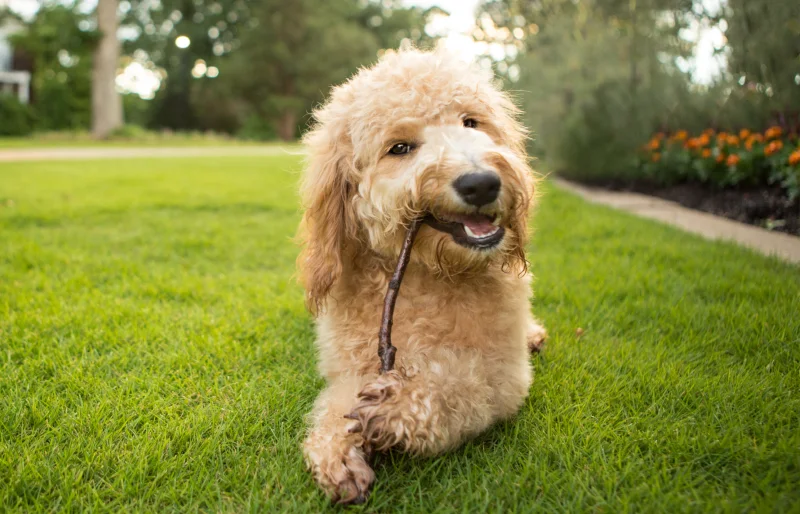
If you live in a place with lots of oak trees, you’ll want to keep an eye on your dog’s situation to make sure it is safe. For some dogs, it’s a non-issue. If your dog doesn’t like to stick strange things in its mouth, you probably don’t need to worry. However, if you’ve got a mouth-first explorer, you’ll want to take precautions.
One of the most important ways to protect your dog is to teach a command like “drop it” or “leave it.” That way, if your dog does try to eat an acorn in front of you, you can stop your dog from swallowing it. You can also keep your home environment clean, especially if your dog has free rein of a backyard with oak trees in it. Frequently raking your yard in the fall and cleaning up any dropped leaves and acorns can reduce the risk to your dog.

Final Thoughts
If your dog eats acorns, don’t panic—most of the time, they’ll make a full recovery. According to the Veterinary Poisons Information Service (VPIS) about a quarter of dogs that ingest acorns remain well and severe cases of poisoning are very uncommon. However, gastrointestinal blockages are also a potential risk. Contact your vet if you know your dog has eaten one or more acorns or if your dog shows any sign of being unwell after a walk and may have eaten them. These potential problems are good reasons to make sure your dog doesn’t eat acorns.
Sources
Featured Image Credit: klimkin, Pixabay
Get Hepper In Your Inbox


Pet care tips from our vets and experts, straight to your inbox.
You may opt-out at any time. View our Privacy Policy for more information.
Chelsea Flake Mortensen is a writer with a passion for pets. She grew up around everything from cats to chameleons and loves working with all kinds of animals. Chelsea has a BA in English and Creative Writing from Brigham Young University.
Chelsea loves reading, writing, sewing, and board games. She's lived in half a dozen US states and two countries. She is currently living in New England with her husband. Her articles have been featured in various magazines and literary journals for children and adults. Her writing has been translated into over 40 languages.
Join the conversation
Ask a question, share your story, or send private feedback.