Hepper is reader-supported. When you buy via links on our site, we may earn an affiliate commission at no cost to you. Learn more.
Can Dogs Eat Cream Cheese? Vet-Verified Nutrition Facts & Info



If you are wondering if it is safe to give cream cheese to your dog, the short answer is yes. In tiny amounts, it is generally safe to give to your dog, but there are many more things to consider, like the amount, the considerations to make, and the special occasions that merit such a treat.
Join us as we take a closer look at this food product and see how much cream cheese we can feed our pets, as well as whether there are any health benefits or ingredients we should avoid.

Is Cream Cheese Bad for My Dog?
We’ve said that you can give your pet cream cheese, but let’s take a look at any problems you might experience when doing so.
Lactose Intolerance
The biggest problem with giving your dog cream cheese is that many dogs are lactose intolerant. Lactose is a common cause of digestive issues for your pet. However, even lactose-intolerant dogs that can’t drink milk can handle a few dairy products, like certain kinds of cheese and yogurt. The Lactobacillus bacteria used to create such products process most of the lactose, and a dog’s body might still secrete some lactase.
However, this is not the case with cream cheese, so we recommend avoiding it if you know that your dog is intolerant. Otherwise, start slowly with tiny amounts to make sure your dog can digest the lactose in the cream cheese. Discontinue use if you notice any diarrhea or signs of discomfort.
High-Fat Content
Another problem with giving your dog cream cheese is that it contains a lot of fat. Many brands can contain up to 6 g of saturated fat per serving. Food with this much fat can certainly cause your pet to gain weight, and if your pet is already overweight, there are far better treats they can eat than cream cheese.
We recommend seeking out a low-fat brand to feed your pet when possible.
Other Ingredients
A final big concern when feeding your pet cream cheese is that it may contain extra ingredients. There are many brands of flavored cream cheeses available, and many of them can contain harmful ingredients. "Garlic and herb" is one such flavor that includes garlic and possibly onions, which are both very dangerous to feed your pet. Some brands might be high in salt, which can also be harmful to your dog’s health.
We recommend only feeding your pet an occasional tiny taste of plain low-fat cream cheese so there is no need to worry about additional ingredients.
Is Cream Cheese Good for My Dog?
Cream cheese contains plenty of important nutrients, including a small amount of protein, which is good for strong muscles, and essential fatty acids, which help with brain and eye development and promote a shiny coat. It also contains calcium, which is necessary for strong bones and teeth, along with vitamin A and a few B vitamins.
How Do I Feed Cream Cheese to My Dog?
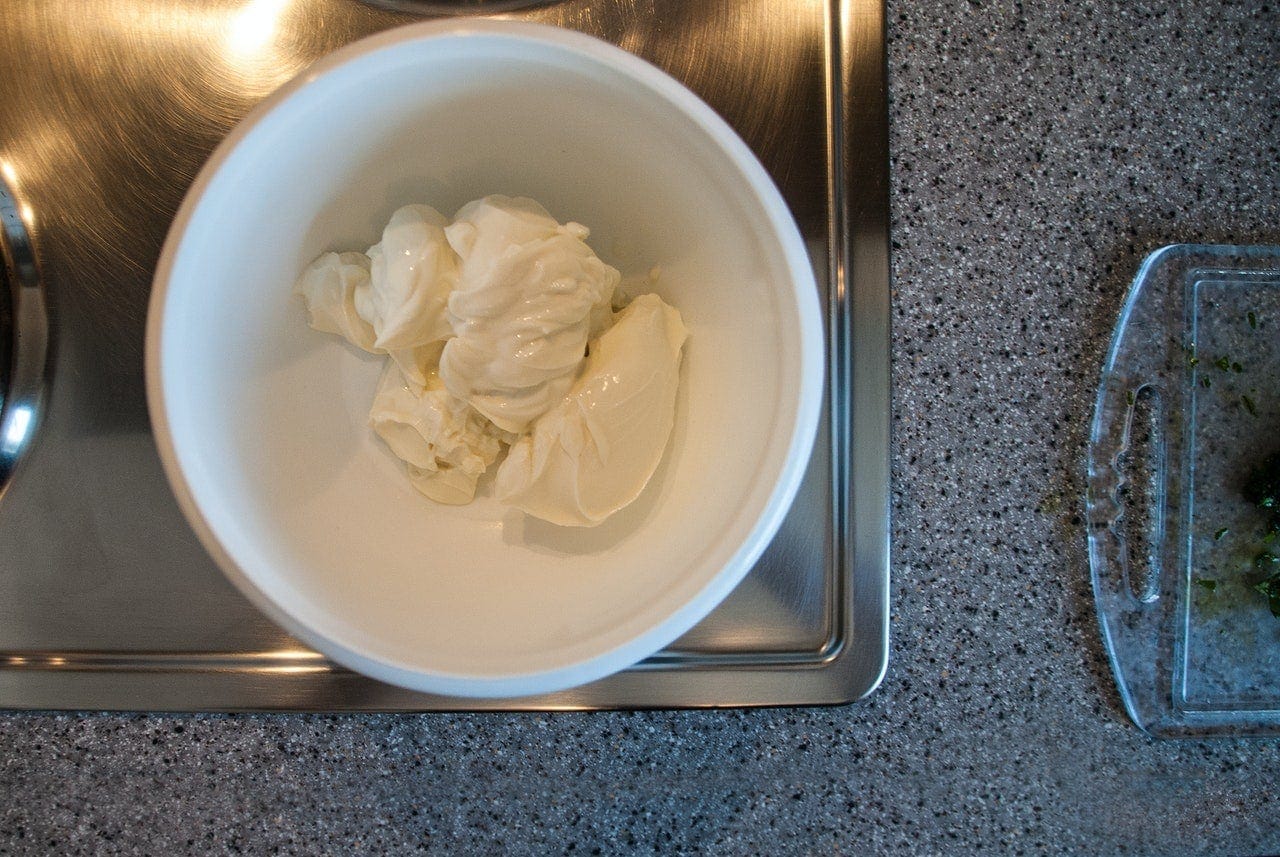
We only recommend feeding cream cheese to your pet in extremely small amounts and only on occasion. For example, if you are adding plain cream cheese to one of your meals, it’s fine if your dog wants to lick the spoon. Many dogs find it hard to resist cream cheese, so it’s also a great food to hide pills that they need to take. As effective as this technique might be, however, double-check with your vet in advance, as the calcium in cream cheese can bind with certain medications and prevent their absorption.
Other than those rare tastes and special occasion uses, there is no need to offer cream cheese to your dog.


Conclusion
Cream cheese, especially in tiny amounts, is safe for most dogs to eat, but while it can be quite a temptation, it should not be a regular part of your dog's diet. You should focus on high-protein treats instead. That said, if you take the time to learn if your pet can digest lactose, cream cheese can help you ensure that your dog will take their meds. Just like many humans, most dogs enjoy cream cheese and other types of cheese and will work hard to get a little taste.
We hope you have enjoyed this look into whether cream cheese is safe for your dog.
See also:
Featured Image Credit: MaraZe, Shutterstock
Get Hepper In Your Inbox


Pet care tips from our vets and experts, straight to your inbox.
You may opt-out at any time. View our Privacy Policy for more information.
Nicole is a lover of animals of all sizes but is especially fascinated with the feline variety. She’s the proud mom of Baby, a Burmese, and works every day so he can relax in the sunshine or by the fire. She’s always had a cat in her home and has spent countless days with others, observing behaviors and softening up even the grouchiest of the lot. Nicole wants to share her kitty expertise with you so you and your cat can live happy, healthy, and care-free.
Join the conversation
Ask a question, share your story, or send private feedback.