Hepper is reader-supported. When you buy via links on our site, we may earn an affiliate commission at no cost to you. Learn more.
Can Dogs Eat Cottage Cheese? Vet Approved Nutrition Facts & Safety Guide



In this article
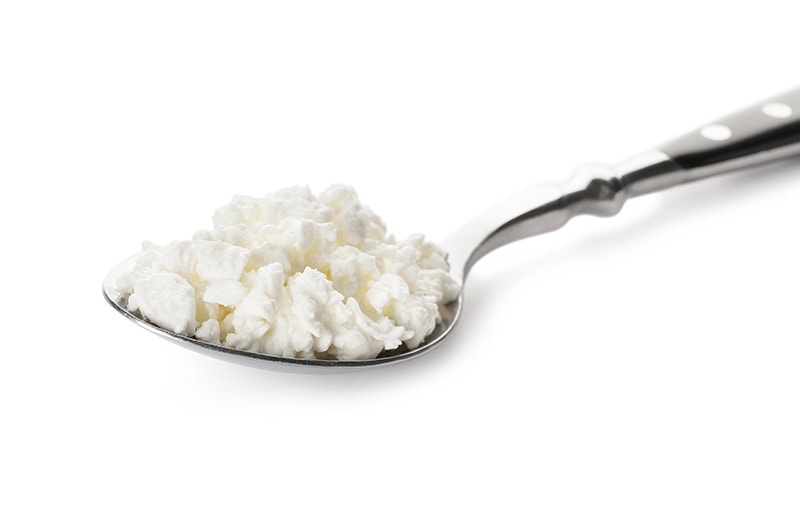
It can be hard to resist those puppy-dog eyes when your pet really wants something from your plate. However, most pet owners know that not all human foods are safe for canine consumption. If you are wondering whether cottage cheese is safe for your dog to eat, we have good news for you; dogs can eat cottage cheese!
However, that doesn’t mean you should shovel loads of cottage cheese into your dog’s bowl. Just because a particular food is safe for your dog doesn’t mean it is entirely healthy. To learn more about feeding cottage cheese to your dog, keep reading below.

How Does Cottage Cheese Compare to Other Cheeses?
Cheese is not toxic to dogs, but once a puppy has been weaned, they no longer need to consume dairy foods, so some dogs will get a bit of an upset tummy if they eat cheese. Others can have more severe forms of lactose intolerance, and shouldn’t be fed even small amounts of dairy products.
Besides lactose intolerance, serving too much cheese is unhealthy for your dog. Cheese is high in saturated fats. An occasional bite of cheese isn’t likely to cause issues; however, frequently eating cheese over an extended period can lead to health issues such as obesity and even pancreatitis.
If your dog has a particularly sensitive stomach, eating cheese may cause gastrointestinal problems even if he is not lactose intolerant.
Cheese can be a useful food to feed medication to your dog, and you can hide pills and supplements inside the tasty treat. Cottage cheese is generally considered to be a healthier option for dogs because it is low in fat, calories, and lactose, and high in protein and calcium.

Common Cheeses Ranked
Cheeses that are quite safe for dogs in small amounts:
- Cottage cheese
- Swiss
- Parmesan
- Cheddar
- Mozzarella
Cheese that are okay if given rarely and in very small amounts:
- Ricotta
- American
- Gouda
The cheeses that should not be fed to dogs:
How to Safely Feed Cottage Cheese to Your Dog
If you choose cottage cheese as a treat, it should be fed infrequently. Although cottage cheese is considered one of the healthier cheeses your dog can eat, it's still a treat, and treats should only account for 10% or less of your dog’s diet. The table below gives a rough guide to how much cottage cheese you can feed your dog, depending on their size.
| Dog Size | Maximum Amount of Cottage Cheese |
| Extra Small (less than 20 lbs) | ½ tablespoon |
| Small (20-30 lbs) | 2 tablespoons |
| Medium (30-50 lbs) | 4½ tablespoons |
| Large to Extra Large (more than 50 lbs) | 6 tablespoons |

Frequently Asked Questions About Feeding Dogs Cheese
Can Dogs Eat Cream Cheese?
Cream cheese is low in lactose and sodium and healthier than other cheeses. However, cream cheese is high in fat. Likewise, it can contain additives such as chocolate, nutmeg, garlic, and onions. These are toxic to dogs, so it is best to avoid cream cheese altogether.
Can Dogs Eat String Cheese?
Like cream cheese, string cheese has less lactose and sodium. However, the long strands of string cheese can easily become a choking hazard or even lead to an intestinal blockage. Therefore, it is not recommended that you feed your dog string cheese.
Can Dogs Eat Mac and Cheese?
Mac and cheese isn't a healthy option for your dog. It is high in fat and sodium and contains preservatives (especially in the case of boxed mac and cheese). No matter how much your dog begs, this cheesy treat is best kept in a human’s bowl rather than a dog’s.
Final Thoughts
If you’re looking for a tasty way to disguise medications, cottage cheese is among the healthier dairy treats you can feed your dog. When feeding cottage cheese to your dog, make sure to do so in moderation and to avoid any herbs or spices, which can be dangerous for your pet. Cottage cheese can be an effective way to sneak necessary pills into your dog’s mouth but don’t serve too much, or digestive issues may follow.
See Also:
Featured Image Credit: Jumpstory
Get Hepper In Your Inbox


Pet care tips from our vets and experts, straight to your inbox.
You may opt-out at any time. View our Privacy Policy for more information.
Pets are Jordyn’s passion, cats especially. Whenever she has the opportunity, she loves to learn about them and share her knowledge with everyone. She is devoted to her tabby cat named Jack and works hard to buy him his favorite treats and toys. Discovering new ways to better care for her pet is always on her to-do list, and she is eager to help pet parents everywhere who have similar pursuits. In her spare time, she loves to read, write, and take long walks. She has a creative spirit, which often helps her to come up with funny cat names.
Join the conversation
Ask a question, share your story, or send private feedback.