Hepper blog

Search our database of over 9,984 posts with up-to-date information from our experts and veterinarians.

Hepper is reader-supported. When you buy via links on our site, we may earn an affiliate commission at no cost to you. Learn more.

Can Dogs Eat Parsnips? Vet-Reviewed Benefits & Risks

By Nicole Cosgrove · Reviewed & fact-checked by Dr. Amanda CharlesVet Approved
Dr. Amanda Charles
Reviewed & Fact-Checked byDr. Amanda CharlesVeterinarian
Dr. Amanda Charles qualified as a vet in 2002 after graduating from the University of Liverpool and has been in small animal practice ever since. She has a postgraduate Certificate in Dermatology. She loves empowering pet parents by giving them up-to-date and accurate information and thrives off the variety that being a vet brings.Outside of work, Amanda has two very active young sons and an equally active Cocker Spaniel and Ragdoll cat, all of whom keep her very busy!View authorThe information is current and up-to-date in accordance with the latest veterinarian research. Read about our vets
Share
Ask us a question in the comments
Can Dogs Eat parsnips

Parsnips are root vegetables and not only are they considered safe for dogs to eat in moderation but their concentration of antioxidants, fiber, vitamins, and minerals can make them a healthy snack choice. However, they should be fed sparingly and occasionally because they can cause gastrointestinal upset and may cause blood sugar spikes which can be especially problematic for dogs with diabetes or other similar conditions.

The parsnip can be fed raw or cooked plain, and it should be cut into small pieces to avoid the potential of choking that larger pieces of the vegetable pose.

Dog Diet

Dogs are generally considered to be omnivores, which means they can digest and derive nutrition from both animal and plant sources. The six basic nutrients that dogs need in their diet are proteins, fats, carbohydrates, minerals , vitamins and water. Your dog should be getting these in the correct amounts from a high quality dog food. Make sure that it meets the Association of American Feed Control Officials (AAFCO) guidelines.

As well as meeting their daily nutritional requirements, your dog’s diet should be formulated to avoid them putting on excess weight while also being exciting and palatable enough that your dog wants to eat the food you serve!
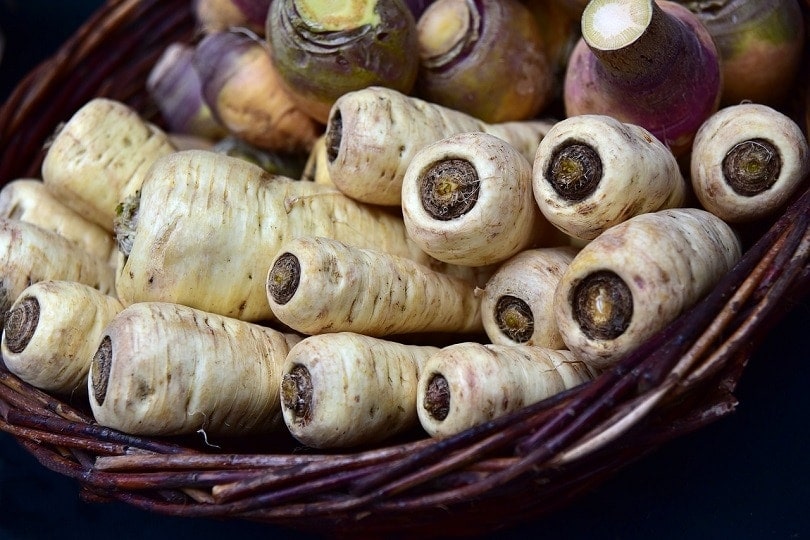
parsnips
Image Credit: ulleo, Pixabay

Can Dogs Eat Parsnips?

Parsnips can be a healthy treat or added to occasional meals to give some variety.

The Benefits of Parsnips

Parsnips can be fed as part of a balanced diet, and they offer the following benefits for your pup:

  • Antioxidants – Antioxidants fight free radicals and help keep your dog healthy.
  • Fiber – Parsnips are high in fiber, which is an important part of your dog’s diet. Fiber aids the digestive system, promoting regular bowel movements.
  • Vitamins – Parsnips contain vitamins C, E, K, and B6 as well as calcium, magnesium, and potassium.
  • Low calorie - Parsnips can be a good low calorie snack when trying to help your dog achieve or maintain a healthy weight.

The Risks

Dog Sick Hand petting dog while lying at the bed
Image Credit: Lazy_Bear, Shutterstock

Although parsnips can have nutritional benefits, as when adding any new food to your dog’s diet there are some things to be aware of and notes of caution.

  • Digestive upset – The high fiber in parsnips can lead to diarrhea and gas especially if consumed in large quantities. Always start with small amounts only to make sure it is well tolerated by your dog, some dogs have more sensitive stomachs than others.
  • Blood sugar spikes – Parsnips are low in carbohydrates, but they can cause blood sugar spikes.  If your dog has diabetes, check with your vet before adding parsnips to their menu.
  • Choking Hazard – Parsnips are hard and if they aren’t cut up small enough, they can pose a choking hazard. You can also mash the parsnips to prevent them from being a hazard.
  • Avoid added ingredients if cooked- Boiled or steamed parsnips are fine but care with roasted parsnips as added ingredients such as oil, fat, salt, garlic or onions should be avoided.

Feeding Parsnips To Dogs

Parsnips can be fed occasionally and in suitable amounts. If you are considering adding parsnips to your dog’s diet or feeding them as a one-off treat, follow these guidelines for the best results:

  • Check with your vet - It's always a good idea to check with your vet before offering your dog new foods and especially if your dog has an underlying health concern or is on a special diet.
  • Start Small – Start with a few small cubes of the root vegetable. If your dog enjoys the tasty veg and doesn’t show any adverse reactions to it, you can increase this a little. The actual amount of parsnip you can safely feed will depend on the size and breed of your dog, as well as its tolerance, but should never be more than a spoonful or two.
  • Cut Them Up Or Cook Them– Don’t feed the parsnips whole or in too large pieces. Raw parsnips are quite difficult to chew, although many dogs will like the crunchy texture of the veg. If the pieces are too large and your dog just tries to swallow them, they can get stuck and cause choking or even go on to cause intestinal obstructions.
  • Monitor Your Dog’s Reaction – Watch your dog while eating the parsnip. Ensure they can safely swallow the pieces and also monitor for any signs of  negative reactions before you consider feeding parsnips again.

Can Dogs Eat Parsnip Raw?

Parsnips can be fed raw or cooked. Raw parsnips are crunchy and retain all of their nutrients, although you do need to wash and peel them before feeding. If you are going to cook the parsnips, either boil or steam them so that they retain most of their nutrients. Cooking the parsnips will soften them which can make them easier to eat and is often the best way of offering them.

Golden Retriever dog eating from the food bowl
Image Credit: Chendongshan, Shutterstock

How Much Parsnip Can Dogs Eat?

The amount of parsnip to give a dog depends on its size and diet. At the very most, you should only feed one small parsnip to your dog, and cut it into small pieces, and for most dogs, the amount you feed should be much less than this. Start with a small amount and build up to a larger volume of parsnip. Any treats, including vegetables like parsnips, should account for no more than 10% of your dog’s daily food intake. The other 90% should be made up of a nutritionally complete, high quality diet.

What Are the Best Vegetables for My Dog?

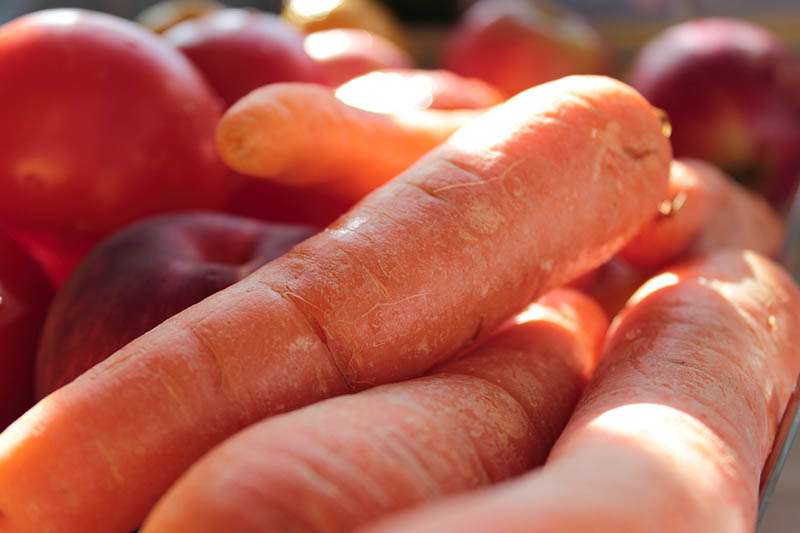
There are lots of vegetables that are safe for dogs to eat, many of which offer nutritional benefits and can make tasty snacks or great additions to meals. Carrots are a great option because they’re low in calories and most dogs love this crunchy snack. Green beans are also considered a healthy vegetable, although you should avoid canned beans. Similarly, avoid feeding canned peas, but fresh and frozen peas are generally fine. Vegetables like broccoli and Brussels sprouts are safe for occasional feeding but you shouldn’t feed them too often.
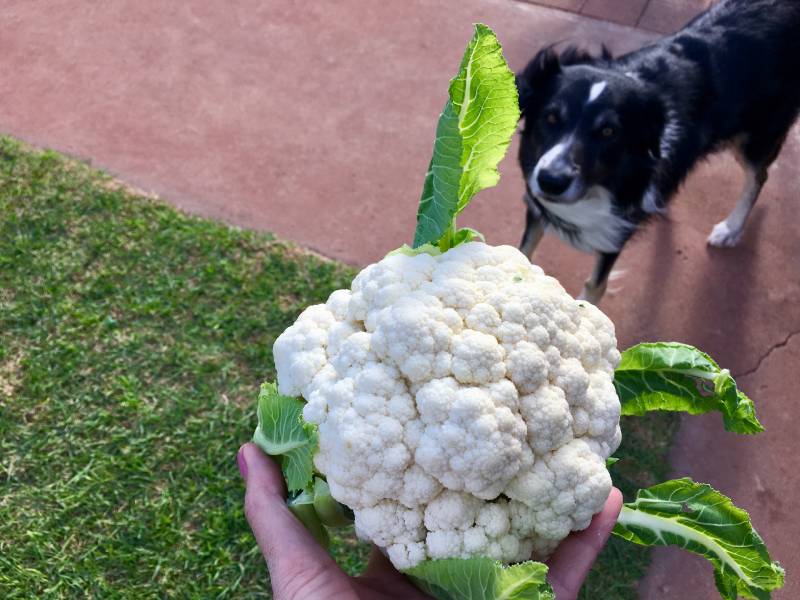
hand holding a head of freshly picked organic white cauliflower vegetable outdoors South Australia while border collie sheepdog looks on in blurred background
Image Credit: Dallasetta, Shutterstock

Conclusion

Dogs are omnivores and can get their nutrition from both plant and animal sources.  Parsnips are generally considered safe for dogs to eat, but you should be careful with the amount and how you feed it. Too much parsnip may lead to digestive upset as well as blood sugar spikes.

The parsnip can be fed raw or you can cook it, by boiling or steaming, before feeding. Always introduce it in a small amount first of all to make sure it is well tolerated by your dog, and then you can feed it as an occasional treat on its own or added to their meal for a bit of variety. Check with your vet before adding new foods such as parsnip to your dog's diet, especially if they have any underlying health concerns or special dietary needs.

Related Reads:

Sources

Featured Image Credit: Norman Krauss, Shutterstock

Get Hepper In Your Inbox

Pet care tips from our vets and experts, straight to your inbox.

List

Select all that apply.

You may opt-out at any time. View our Privacy Policy for more information.

Nicole Cosgrove
Authored by

Nicole Cosgrove

Join the conversation

Ask a question, share your story, or send private feedback.

Rate this post
Required to post. Only our editors see your rating.
Who should see this?

A human reviews every comment before it appears. Your email is never published.

Picked to go with this article

Can Dogs Eat Turnips? Vet Reviewed Nutrition Facts & FAQ

Can Dogs Eat Turnips? Vet Reviewed Nutrition Facts & FAQ

Turnips are hearty root vegetables often used in soups, salads, stews, and casseroles. Many pet owners wonder if it’s okay to share their turnips with their ca…

Patricia Dickson
By Patricia Dickson ·
Does My Dog Need Vegetables to Stay Healthy? What You Should Know!

Does My Dog Need Vegetables to Stay Healthy? What You Should Know!

It's pretty rare to see a dog crunching on lettuce or getting a carrot stick as a treat. Dogs are known for having voracious appetites, but mostly for protein-…

Nicole Cosgrove
By Nicole Cosgrove ·
Can Dogs Eat Asparagus? Vet-Approved Health & Safety Facts

Can Dogs Eat Asparagus? Vet-Approved Health & Safety Facts

Like us, dogs need their diet to be diverse and balanced to keep them healthy and fit. Many dog owners need clarification on what to feed their canine companio…

Jana Blagojevic
By Jana Blagojevic ·
Can Dogs Eat Rutabagas? Keep Your Dog Safe!

Can Dogs Eat Rutabagas? Keep Your Dog Safe!

There are several ingredients in dog food formulas these days, and it can be difficult to know which food items are good or bad for our dogs. For instance, som…

Jordyn Alger
By Jordyn Alger ·

Keep reading

More stories you might like

Can Dogs Eat Artichokes? Vet-Reviewed Benefits, Risks, & FAQs

The artichoke is a popular plant that people love to consume due to its nutritional benefits, including a high fiber content, vitamins, and minerals. Artichoke…

Visnja Radosavljevic
By Visnja Radosavljevic ·
Can Dogs Eat Artichokes? Vet-Reviewed Benefits, Risks, & FAQs

Can Dogs Eat Radishes? Vet-Reviewed Facts & Suggestions

Some dog owners prefer to feed strictly kibble diets, while others swear by home-cooked meals with fish and meat. In any case, to keep our furry buds well-fed…

Nicole Cosgrove
By Nicole Cosgrove ·
Can Dogs Eat Radishes? Vet-Reviewed Facts & Suggestions

Can Dogs Eat Purple Sweet Potatoes? Vet Approved Nutrition Advice

This is one of those times where the health benefits of a food are the same for dogs and humans. So, yes, your dog can enjoy plain purple sweet potatoes. They…

Kerry-Ann Kerr
By Kerry-Ann Kerr ·
Can Dogs Eat Purple Sweet Potatoes? Vet Approved Nutrition Advice

Can Dogs Eat Ube (Purple Yam)? Vet-Approved Facts

One thing that dog owners know too well is that dogs love to eat! Finding interesting and healthy foods to add into a dog’s diet can be tricky, as we don’t kno…

Nicole Cosgrove
By Nicole Cosgrove ·
Can Dogs Eat Ube (Purple Yam)? Vet-Approved Facts

Can Dogs Eat Cauliflower? Vet-Reviewed Nutrition Facts & Benefits

Cauliflower seems to have entered its renaissance in the last couple of decades, with people seeming to have a newfound appreciation for the vegetable. It’s es…

Brooke Billingsley
By Brooke Billingsley ·
Can Dogs Eat Cauliflower? Vet-Reviewed Nutrition Facts & Benefits

Can Dogs Eat Zucchinis? Vet Approved Tips & FAQs

Dogs can eat many different veggies. So, the next time you are chopping up some zucchini for dinner or a snack, toss your pup a piece or two! Zucchini is packe…

Nicole Cosgrove
By Nicole Cosgrove ·
Can Dogs Eat Zucchinis? Vet Approved Tips & FAQs

Can Dogs Eat Fennel? Vet Approved Facts & FAQ

No matter how tempting it can be to share, cautious dog owners know that not every food they eat is an innocent treat for their pets. Determining if a food is…

Elizabeth Gray
By Elizabeth Gray ·
Can Dogs Eat Fennel? Vet Approved Facts & FAQ

Can Dogs Eat Sweet Potatoes? Vet-Reviewed Facts & FAQ

The short answer is yes—you can serve your dog some sweet potatoes, as whole fresh food diets are normally considered healthier options. However, you have to b…

Nicole Cosgrove
By Nicole Cosgrove ·
Can Dogs Eat Sweet Potatoes? Vet-Reviewed Facts & FAQ