Hepper is reader-supported. When you buy via links on our site, we may earn an affiliate commission at no cost to you. Learn more.
Can Dogs Eat Ladybugs? Vet-Reviewed Facts & FAQ



Ladybugs are a gardener's best friends as they eliminate plant-eating pests so our flowers and vegetables can thrive. If you have a dog, however, you might wonder if these friendly little bugs pose a risk to your canine pal.
Some ladybug species can cause minor chemical burns if ingested, but not all species are potentially harmful. Read on to learn about ladybugs, what makes them toxic, and how to ensure your dog is safe on all your outdoor adventures.

What Are Lady Bugs?
Ladybugs, or lady beetles or ladybird beetles as they're sometimes known, are an often-loved backyard bug. They eat aphids and other plant-eating pests, so they serve a purpose in our gardens.
There are over 5,000 different species of ladybugs throughout the world. They come in countless colors and patterns, but the one most people think of when they hear "ladybug" is Coccinella septempunctata, the seven-spotted ladybug, or C-7. The C-7 is found worldwide and is easily recognizable thanks to its black-on-red markings.
Are Ladybugs Toxic?
When ladybugs are attacked, they release a body fluid (hemolymph) that contains poisonous chemicals. This fluid is corrosive and can lead to mouth or gastrointestinal tract irritation or chemical burns if ingested. Thankfully, if your pup swallows the beetles whole without giving them a chance to react with hemolymph, oral membrane erosion is often minimal. Your pup will likely drink a lot of water to wash away the bad taste, thus minimizing the chances of the beetles getting stuck in the throat or mouth to cause further harm.
In some situations, however, the smelly goo that ladybugs emit may allow them to cling inside your dog's mouth to avoid becoming a snack. As they hold onto the interior of your pup's mouth, they may cause further irritation and minor chemical burns.
Are All Ladybugs Toxic?
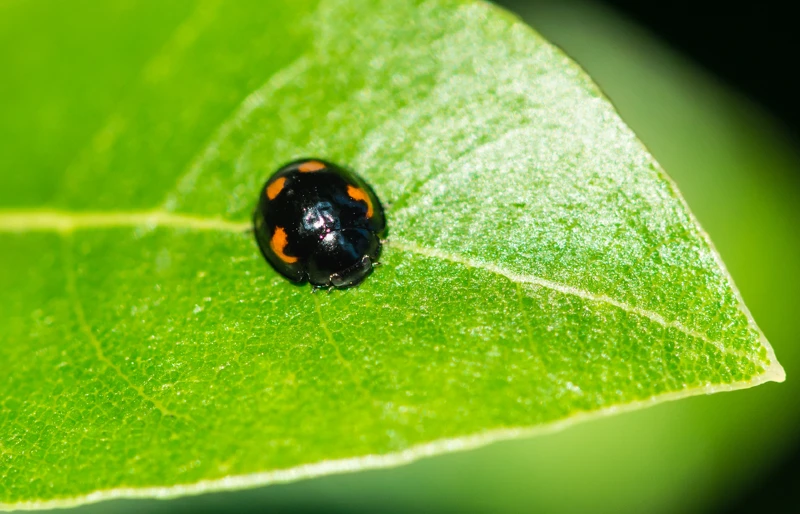
Researchers found that red ladybugs, like the good ol' C-7, are not as poisonous as other varieties. A study from 2015 found that bugs with certain coloring were more toxic than others.1
Can Dogs Eat Asian Lady Beetles?
These Asia-native bugs have artificially been introduced throughout North America and Europe to control aphid populations. However, they are not as innocent as they seem. Sure, they look like the C-7 bugs we know and welcome into our gardens, but they're more harmful.
Thankfully, toxic reactions are rare in dogs. However, if a chemical irritation occurs, prompt treatment is essential. Gums and mouth tissue injuries tend to heal quickly, but you should have your pup evaluated by your veterinarian regardless. There are a few reports of dogs eating Asian lady beetles and developing signs such as vomiting and diarrhea.
Other immediate signs of ladybug ingestion include:
Asian Lady Beetles vs Ladybugs
So, now that you know that the ladybug-look-alike Asian lady beetles are potentially harmful to your pup, you're probably wondering how to differentiate the two.
Asian Lady Beetles may try to disguise themselves as the beloved ladybug to trick us, but their disguises are imperfect. However, you must do some detective work to determine whether the bugs in your yard are the imposter ladybugs or the real thing.
Ladybugs (C-7)
Ladybugs are a beneficial and mostly harmless insect. They are helpful little bugs to have in your garden as they eat pests like aphids and don't seek shelter in your home when the weather gets yucky. While they don't sting, they can, very rarely, bite. However, their bites are more like a little nibble, as they just feel like a light pinch.
Asian Lady Beetles
Asian lady beetles, on the other hand, are an incredible nuisance. They can bite hard enough to break human skin.
Unlike ladybugs, Asian lady beetles will swarm homes after gardening season.
How to Spot the Difference
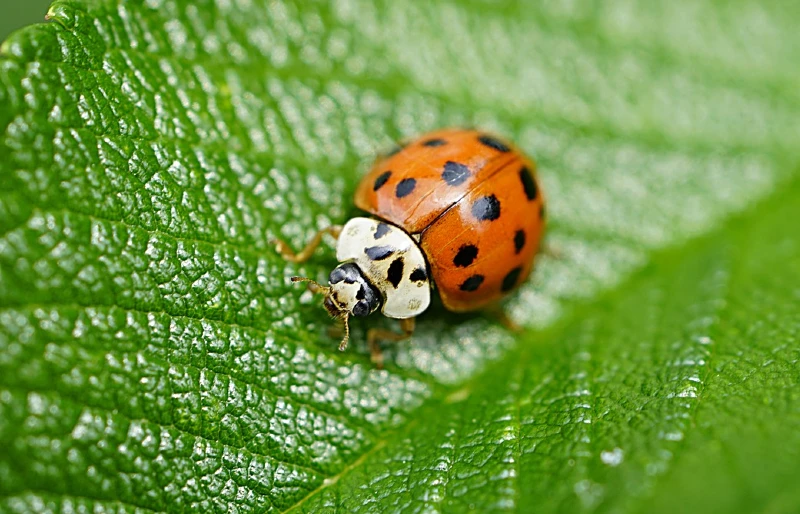
While the two bugs look very similar, you can spot the difference if you know what to look for.
- Size: Asian lady beetles are larger than ladybugs.
- Color: Asian lady beetles may vary in color from red or orange to even tan, while Ladybugs are always bright red.
- Spots: Ladybugs always have black spots on their backs, while Asian lady beetles may or may not have them.
- Shape: Ladybugs are round, while Asian lady beetles are more oval and longer.
- Telltale "M": Asian lady beetles have a highly visible M-marking on their white heads. The marking can vary in size and thickness, but it is always present.
How to Prevent Ladybug Infestations
Autumn is the worst time for ladybug infestations as they'll be looking for a warm place to hunker down for the winter. Your home seems promising, so they'll use any small crack, crevice, or gap they can find to enter your home. Keep indoor ladybug populations under control with these preventative measures.
- Fix any screens with tears or breaks.
- Don't open any windows without screens.
- Install weather stripping under doorways.
- Seal exterior cracks and crevices with silicone caulk.
- Plant chrysanthemums near your windows and entryways, as the chemical compounds within the plant will act as a ladybug deterrent.


Final Thoughts
Ladybugs can pose a mild chemical burn risk to your dog thanks to the fluid they emit when they feel threatened. If your dog has eaten ladybugs, keep a close eye on him for any signs of discomfort.
While all ladybugs emit hemolymph, which can be toxic for your dog, some species are more dangerous than others. The classic ladybug (C-7) is less harmful than other varieties, specifically the Asian lady beetle. You should learn to differentiate between the two so you know if your dog is at risk, especially if he is big into eating bugs.
Sources
Featured Image Credit By: Myriams-Fotos, Pixabay
Get Hepper In Your Inbox


Pet care tips from our vets and experts, straight to your inbox.
You may opt-out at any time. View our Privacy Policy for more information.
Chantelle's life revolves around two passions: writing and animals. Raised on the prairies of Canada amidst a menagerie of pets, she now lives with five cats, two guinea pigs, and a bearded dragon. Together with her husband and child, Chantelle delights in being an exemplary animal parent, going as far as installing wall-mounted cat shelves to give their cats an indoor playground. When she's not cozying up with her cats or snapping their amusing antics, she enjoys venturing into the Rocky Mountains, binge-watching her favorite Netflix shows, and indulging in spontaneous reading adventures.
Join the conversation
Ask a question, share your story, or send private feedback.