Hepper is reader-supported. When you buy via links on our site, we may earn an affiliate commission at no cost to you. Learn more.
Healthy vs Unhealthy Dog Gums: Vet-Reviewed Signs & Pictures


In this article
Keeping your dog healthy and well-nourished is key to a long life and happiness. Taking care of their teeth and gums regularly can significantly improve your dog’s long-term health, reducing the risk of serious health problems. The first step to healthy gums in dogs is being able to recognize any signs of potential problems. While this can’t replace a visit to the vet, it can still help you spot symptoms early on and react accordingly.
Keep reading below to learn all the essentials regarding a healthy dog’s gums and ways to recognize potential issues.

At A Glance
Overview of Healthy Dog Gums
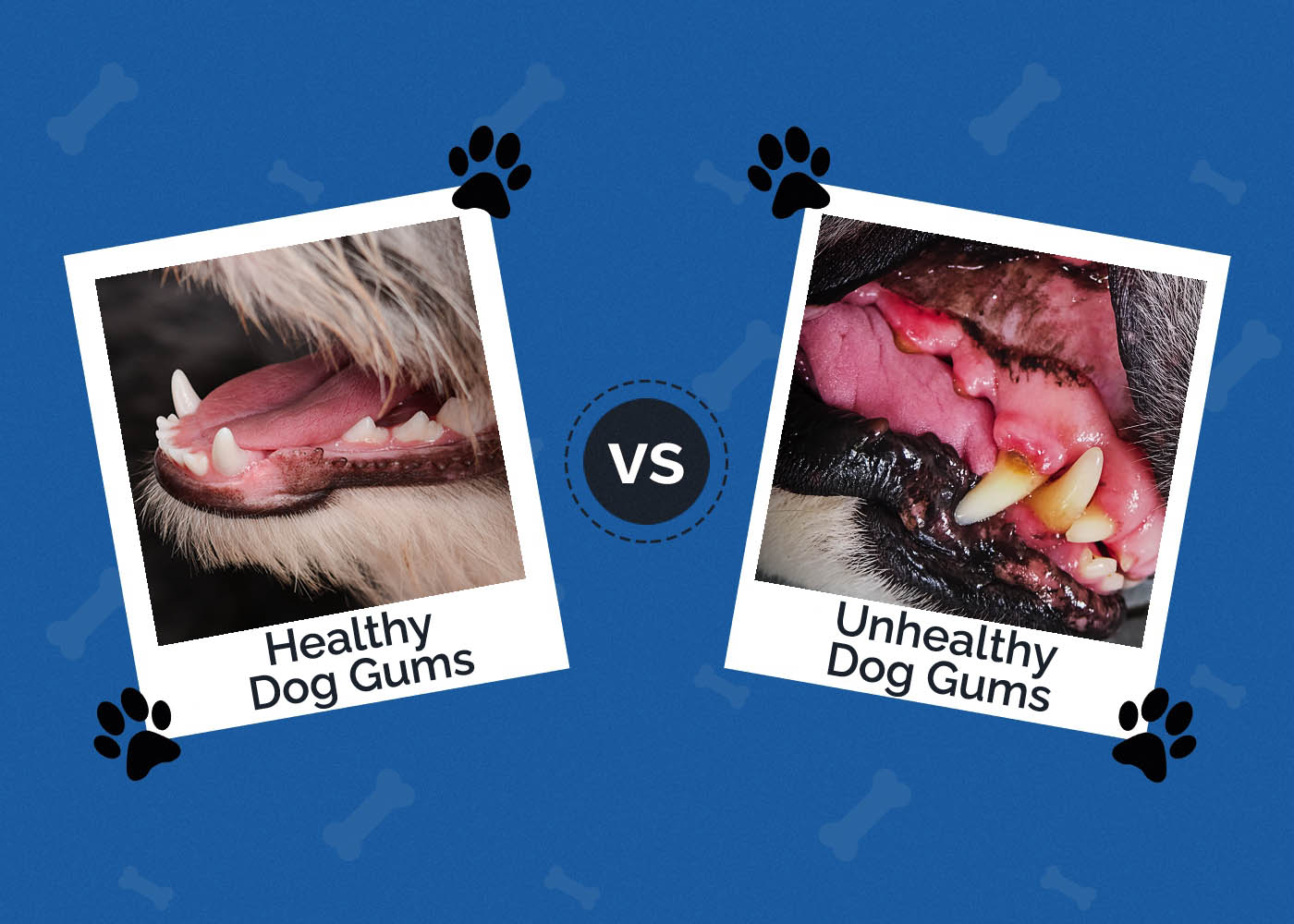
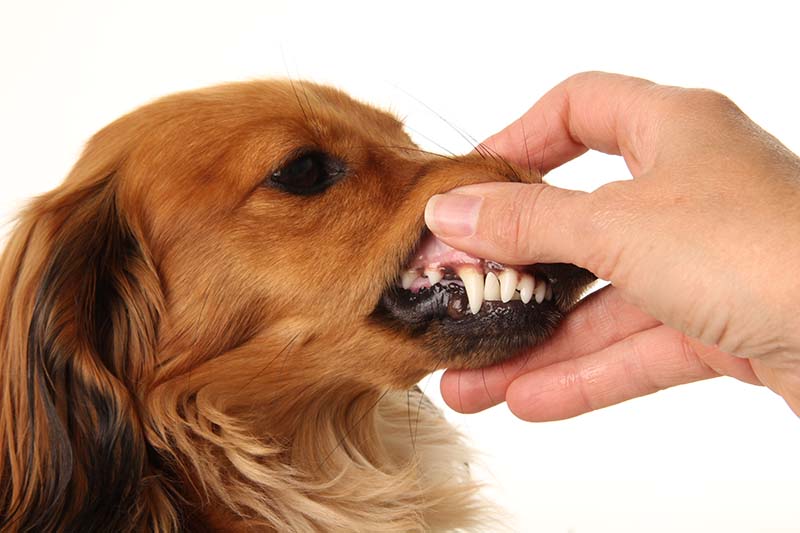
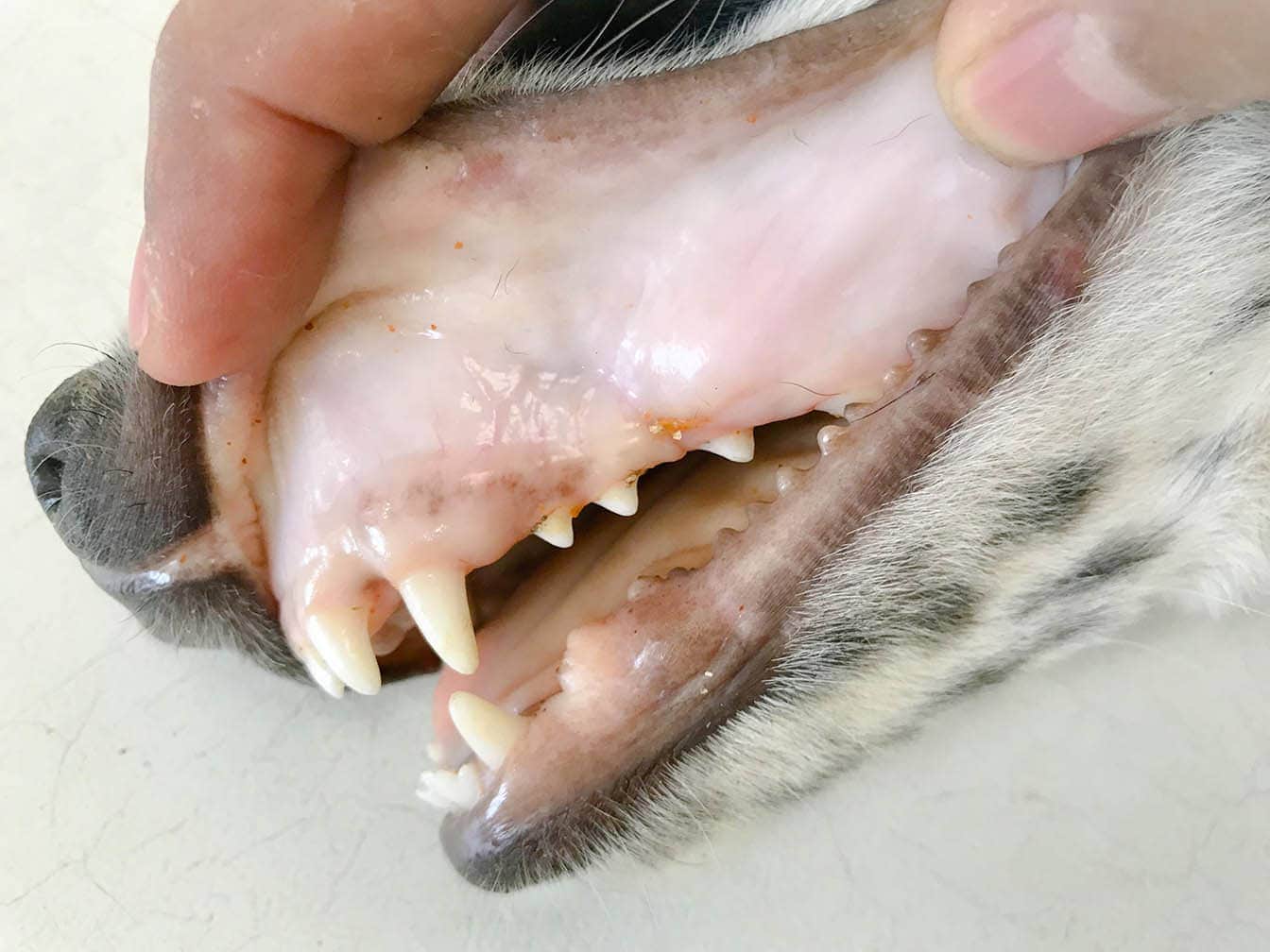
You'll easily recognize a healthy dog’s gums. since they will appear quite similar to human gums. Healthy dog gums will have a healthy pink color and will be wet and slippery. You won’t find any irregularities such as discoloration or swelling. Below we will go into detail about the appearance of healthy gums in dogs so you can easily notice any signs of medical conditions.
Coloring
The coloring of healthy gums in dogs will be identical to those of humans. You are looking for salmon pink or powder pink, indicating your dog has no underlying medical conditions or dental issues. This light pink color can have certain spots and blotches, which are characteristic of some breeds and are nothing to be concerned about. These spots are pigmented areas of skin and can often be seen in:
- Dalmatians
- Golden Retrievers
- Labrador Retrievers
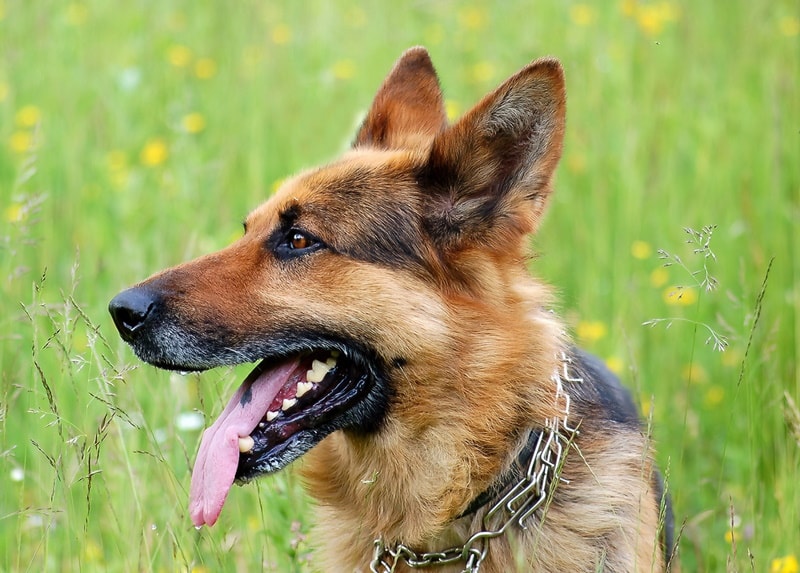
- German Shepherds
- Doberman Pinschers
- Chow Chows
- Mastiffs
- American Pit Bull Terriers
- American Staffordshire Terriers
- Shar-Pei
- Mixed-breed dogs
Appearance
Besides the coloring of the gums, which will be the first and best indicator of any illnesses, your dog’s gums shouldn’t have any irregularities on them. Watch out for any swelling, bumps, or lumps. While mild discoloration of the gums is fairly normal, having black or dark brown spots is not something you want to see on healthy gums. Even occasionally bleeding gums are normal at times, such as after aggressively chewing something, although if the bleeding persists, it would be wise to visit your veterinarian.
Other Signs of Healthy Gums
While it will be much easier to recognize unhealthy-looking gums on a dog, other signs can indicate everything is perfectly fine with your dog, including:
- The ability to chew dry or hard food
- Chewing or pulling on toys that are made of firm plastic
- Normal breath without any unpleasant odor
- A consistent texture
- The gums are always moist and a bit slippery
- Normal appetite

Overview of Unhealthy Dog Gums
Coloring
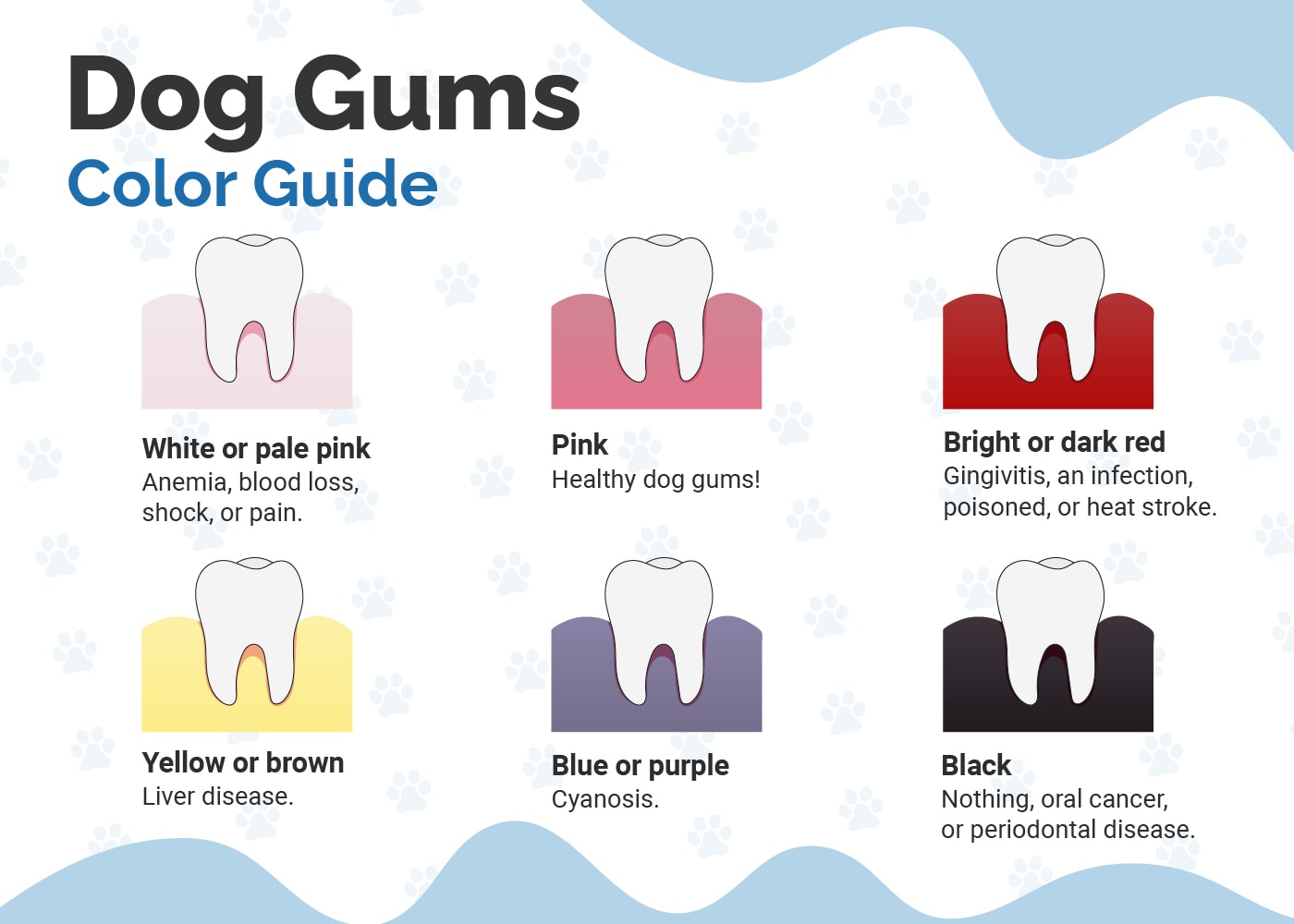
Noticing the difference between healthy and unhealthy gum in dogs will be easiest by monitoring the color. The color of gums in sick dogs can be almost any color besides light pink. When the color of the gums begins to change into an unnatural shade, it is essential to act quickly. Below you can find all the possible colors of the gums in dogs and what they can indicate.
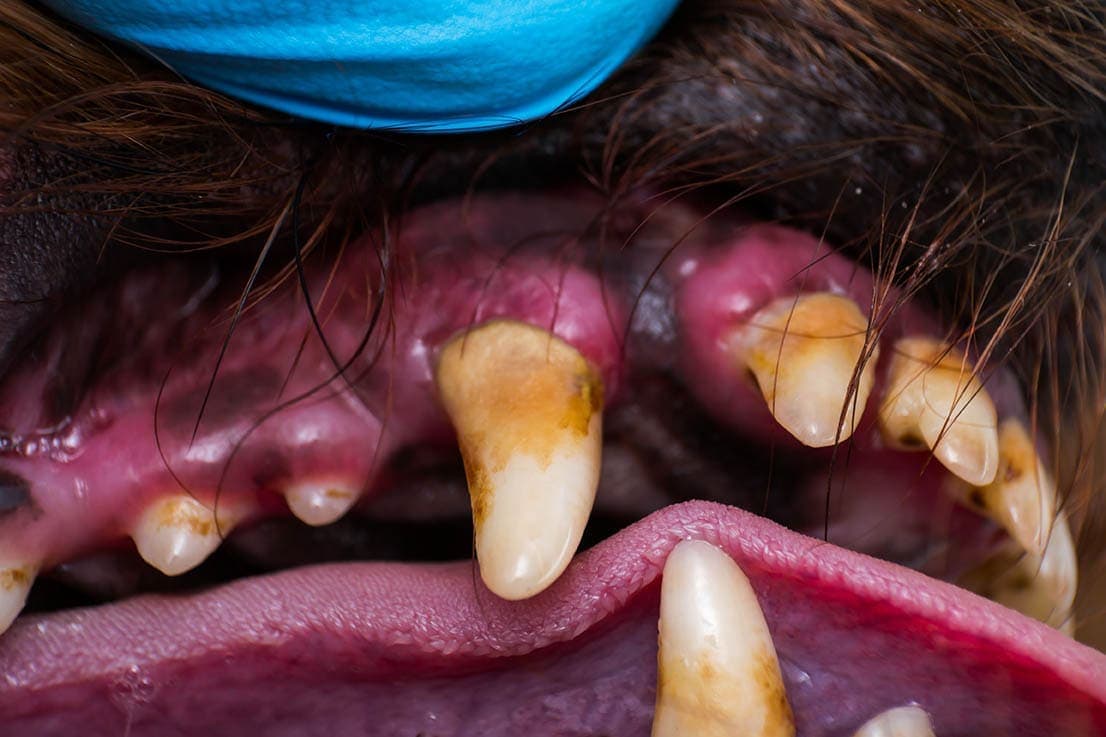
- Red gums: If your dog’s gums suddenly become bright red, it can be for several reasons, such as poisoning, shock, heatstroke, hypertension, and even carbon monoxide poisoning. In some cases, red gums can be a true emergency, potentially pointing out coagulation problems. At the same time, sometimes your dog can simply become overly excited while playing and get red gums.
- Yellow gums: Yellow gums can indicate liver problems such as jaundice. You may also notice yellowing of the eyes, lips, and insides of the ears.
- White or pale gums: White or extremely pale gums in your dog can be a clear sign of anemia. They can also indicate your dog has been through a shock or is in some type of pain. This discoloration of the gums is certainly a serious condition and should be considered an emergency. If your dog has been injured recently, it can even indicate it is losing blood.
- Purple, blue, or gray gums: Any of these colors showing up on your dog’s gums can indicate an urgent problem such as heart failure, choking, hypothermia, low blood pressure, poisoning, pneumonia, asthma, or other breathing problems. If you notice any of these colors in your dog’s gums, it is crucial to take them to the emergency vet as soon as possible.
Appearance
Besides the coloring of the gums, other signs can point out medical issues. You may often see swelling on the dog’s gums or growing bumps and warts, which is usually temporary, although your veterinarian should still check it out. Bleeding gums are usually caused by gingivitis, a dental disease, and chewing or eating hard food can irritate the gums. Your dog may even have receding gums which develop after plaque and tartar accumulate underneath the gum line and cause bacteria buildup.
Other Signs of Unhealthy Gums
Other signs you may notice that indicate your dog’s gums are unhealthy are:
- Consistently bad breath
- Tacky and dry gums that indicate dehydration
- Loss of appetite and weight loss
- Inability to chew properly
- Preference for softer foods
- Bloody saliva

How To Examine Your Dog’s Gums
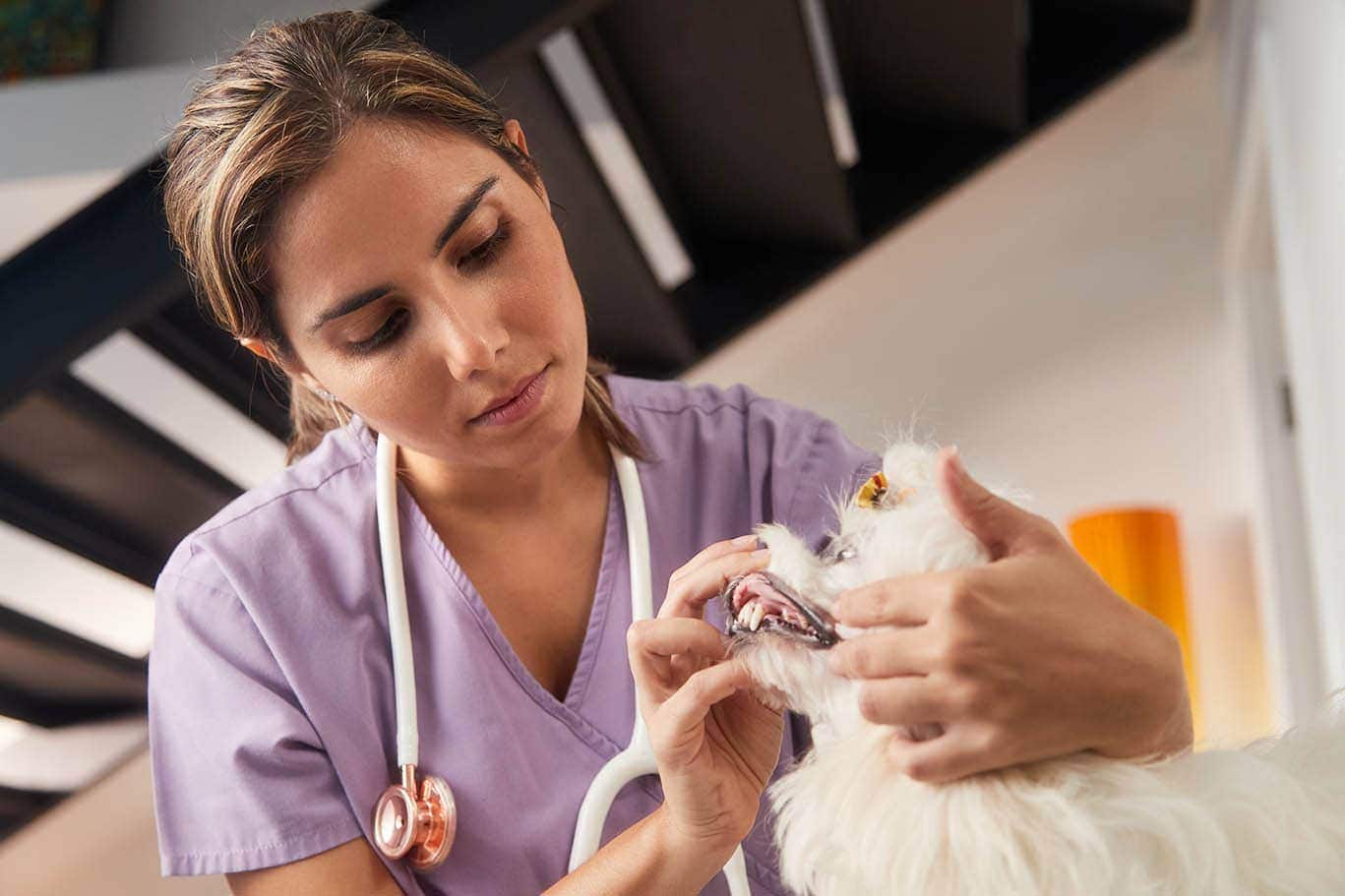
Examining your dog's mouth should be a regular part of the maintenance and should be done frequently. If you notice any strange symptoms in time, setting up a correct diagnostic and treatment plan will be more effective.
- Examine your dog while he is resting so he will keep still while you observe his gums and mouth.
- Gently pull down your dog’s lips with your fingers, or lift their upper lip, whichever is more convenient.
- If possible, feel the gums for texture, especially the part below and above a tooth.
- Carefully observe the color and look for any darker pigmentation or discolorations.
- Examine for any growths.
- Gently press on the gums, on the pink portion, and continue pressing for several seconds. After letting go, the gums should stay white at that spot for 2 seconds before turning back to pink.
How to Clean Your Dog’s Gums Regularly
To prevent any major dental conditions from occurring too soon, regularly clean your dog’s teeth. Luckily, there are plenty of methods for cleaning your dog’s teeth, such as dog tooth wipes, dog chews, and dental treats. In addition to these options for maintaining proper hygiene, you can take your dog to a professional groomer occasionally. This will significantly prolong your dog's dental health, preventing other major issues.

Conclusion
Gums are one of the best visible indicators of conditions happening in areas unrelated to the mouth. Once you read this article, you should be able to recognize any signs of potential illnesses or medical conditions early on. Proper gum and teeth hygiene can save you many stressful hours in the vet’s clinic.
Related Read: 9 Best Dog Dental Wipes
Sources
Featured Image Credit: (L) laolaopui, Shutterstock | (R) February_Love, Shutterstock
Get Hepper In Your Inbox


Pet care tips from our vets and experts, straight to your inbox.
You may opt-out at any time. View our Privacy Policy for more information.
I am a freelance writer with a restless and adventurous spirit. After graduating from the College of Fine Arts, I began searching for a medium to express my imagination. Content writing is a passion that took me by storm. When I am away from my peaceful writing nook, I work as a sculptor, painter, and woodworker in my workshop. I plan to continue nurturing my passion for writing and use it as a vessel for my neverending creativity.
Join the conversation
Ask a question, share your story, or send private feedback.