Hepper is reader-supported. When you buy via links on our site, we may earn an affiliate commission at no cost to you. Learn more.
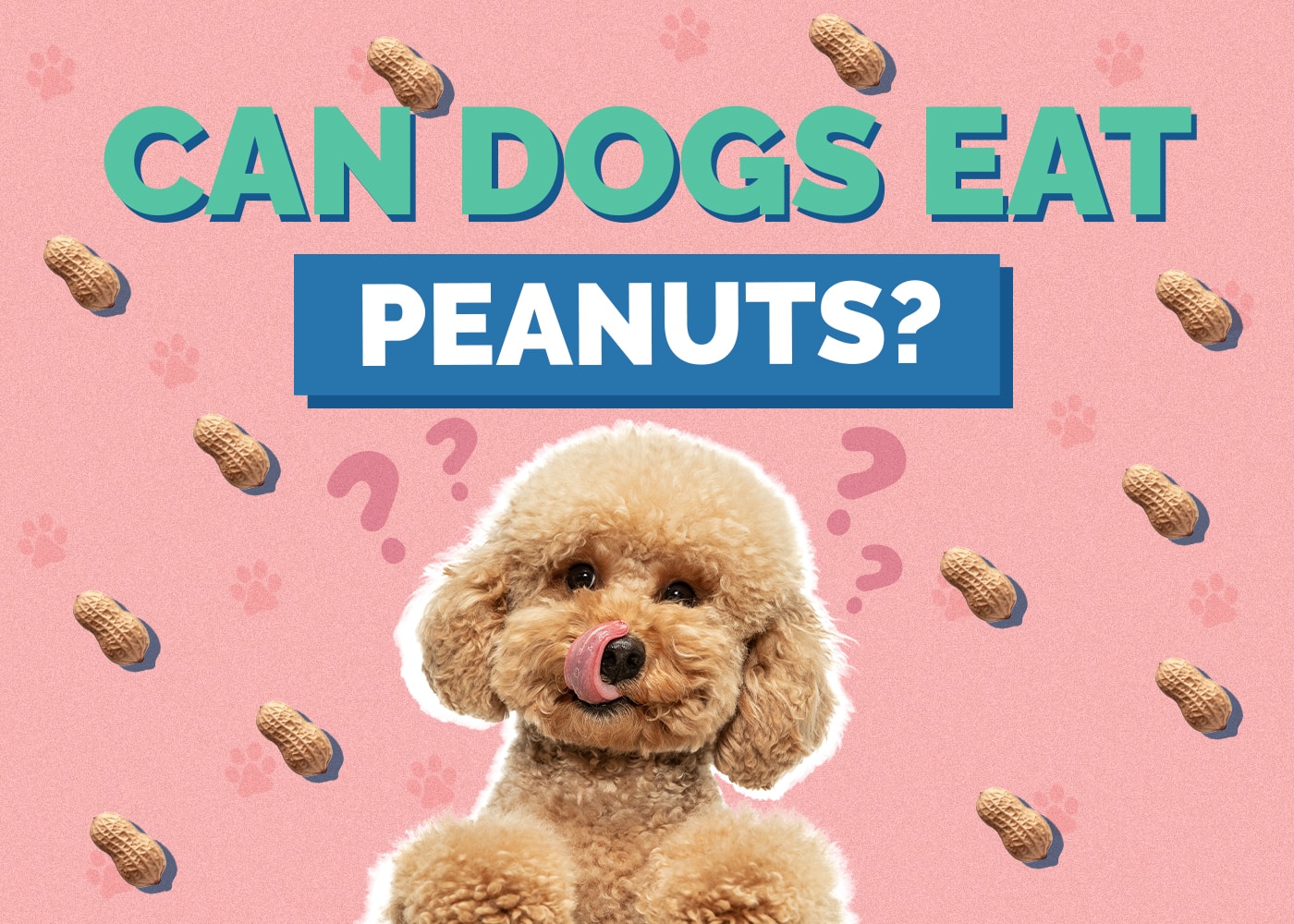
Can Dogs Eat Peanuts? Are Peanuts Safe for Dogs?
In this article
Packed with protein and delicious turned into a creamy spread for a sandwich, peanuts are a favorite food of dogs and humans alike – and you’ll be glad to know that yes, dogs can eat peanuts. But if your dog has a taste for peanut butter (like many pooches do), there’s more to this topic that you should know before you keep feeding them this rich and buttery treat.
At their best, peanuts can provide a plentiful source of protein, healthy fats, vitamin E, and vitamin B6 for your dog. If you choose the wrong type of peanuts or peanut butter, though, it can become a serious detriment to your dog’s health.
Keep reading to learn everything you need to know about your dog’s relationship to peanuts (and peanut butter), and by the end of this guide, you’ll know exactly what to do and what not to do when feeding your canine pal.

Peanut Nutrition and Fun Facts
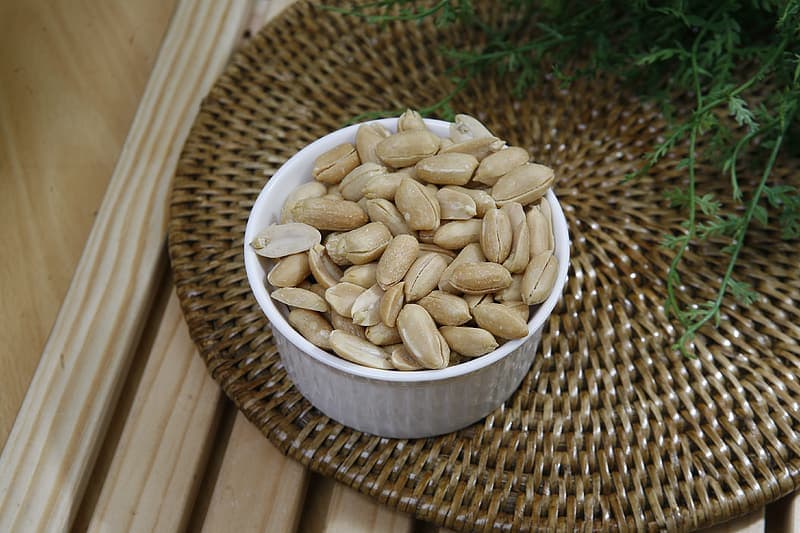
Originating in South America, the peanut isn’t actually in the nut family. More properly, it’s classified as a legume – a starchy plant that’s related to beans, lentils, and peas. They’re rarely eaten raw, with most people preferring the rich toasted flavor that develops through roasting them.
Packed with protein and fats as well as a balanced vitamin and mineral profile, peanuts are used by aid groups to help fight malnutrition in impoverished countries. They’re a truly versatile foodstuff and form a major market when used for cooking oils, made into peanut butter, or roasted and served whole.
There is, however, a surprisingly large incidence of serious peanut allergies. As much as 0.6% of Americans are allergic to peanuts, and reactions can lead to hospitalization. Some schools around the United States are dedicated “nut-free” zones due to the severity of these reactions.
Health Benefits of Peanuts for Dogs
As far as crave-worthy treats for dogs go, peanuts are one of the better choices that you can make to indulge your dog with. Their high protein and rich vitamin and mineral profile can give small health benefits for your dogs, but that doesn’t mean you should make them a staple of your dog’s diet. Even with their potential health benefits, peanuts are still quite high in calories and fat, and can easily lead to weight gain or obesity if fed in excess.
Can Peanuts Be Bad for Dogs?
There are a handful of dangers associated with feeding peanuts to your dog. These include:
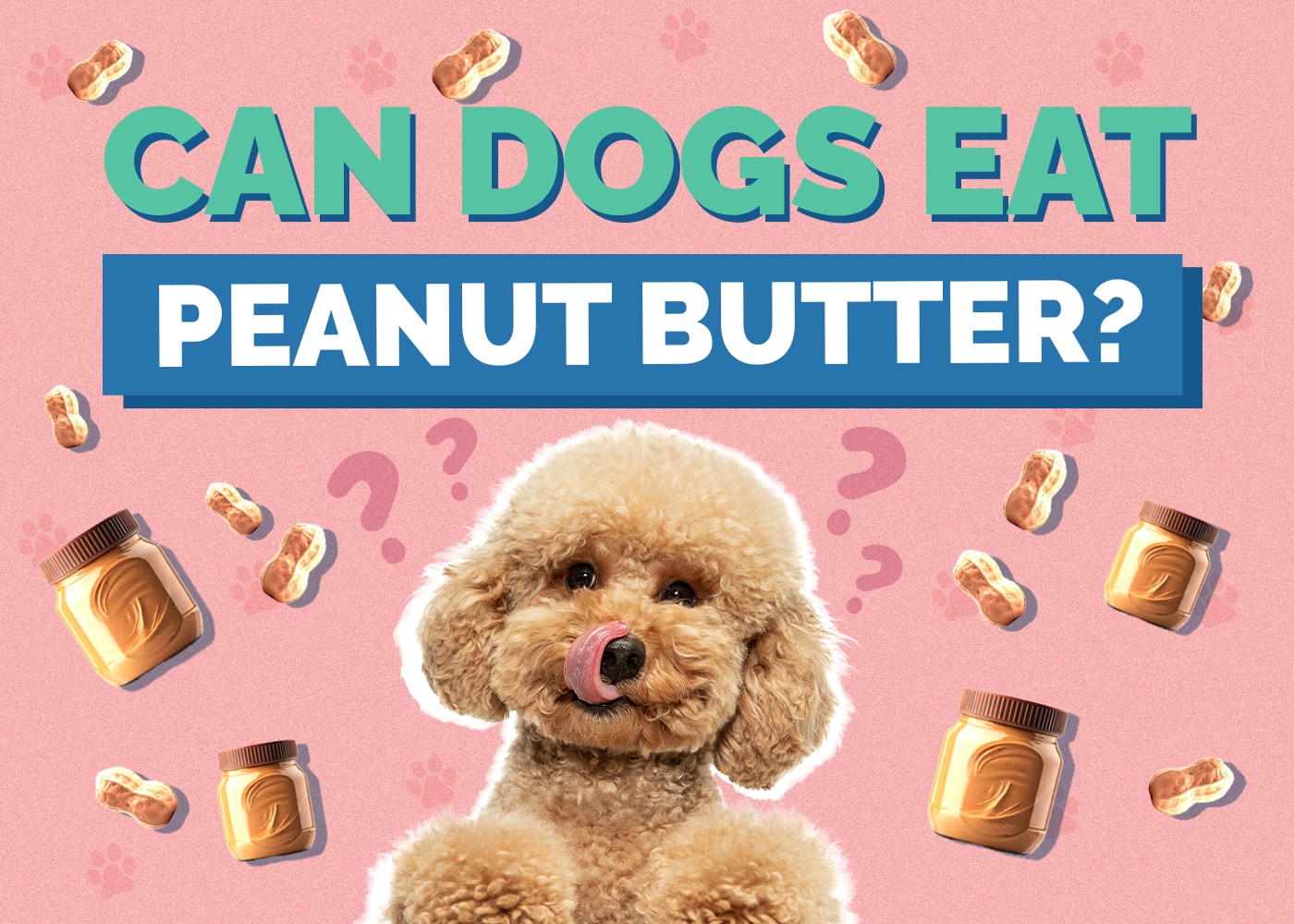
Can Dogs Eat Peanut Butter?
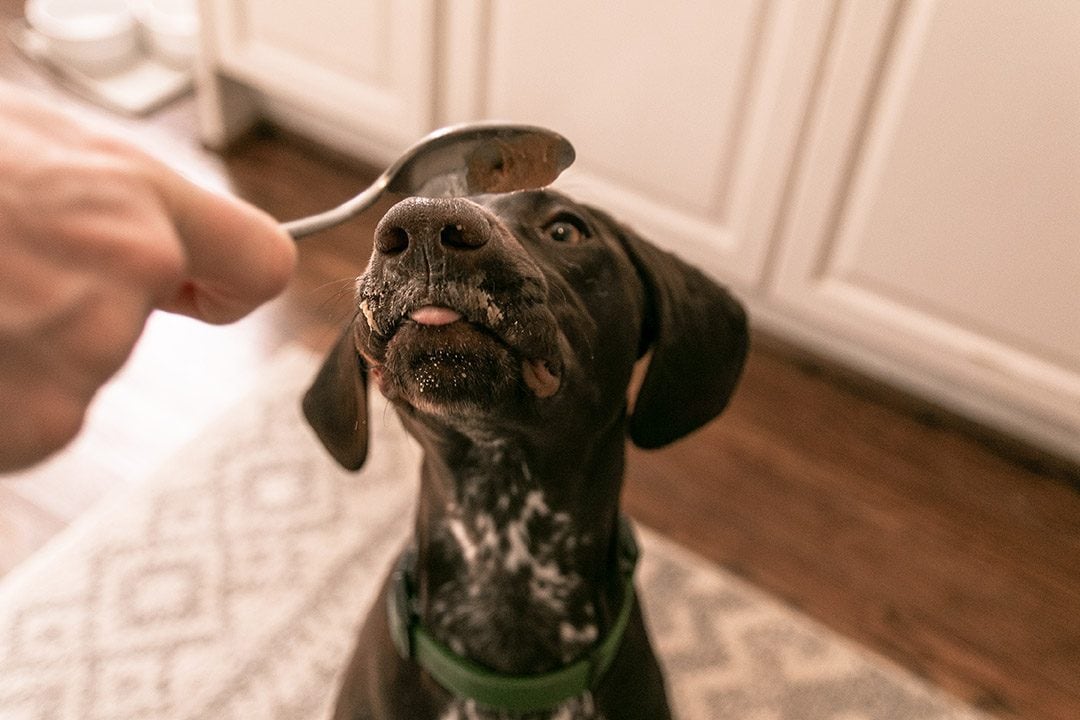
Dogs absolutely can eat peanut butter, and most will gladly do so at a moment’s notice. And since it doesn’t pose a choking hazard in the same way that whole peanuts do, peanut butter is a better alternative as a dog treat.
To ensure that the peanut butter you choose is the best possible for your dog’s health, look for natural and organic peanut butter. This way, they’ll be free of additives and chemicals that can be harmful to your dog’s health.
Final Thoughts on Feeding Peanuts to Your Dog
Peanuts are a generally safe treat to feed your dog, so long as you avoid salted peanuts and make sure to feed them only in moderation. As a highly desirable treat that also carries small health benefits, peanuts and peanut butter are a much better alternative for rewarding good behavior than processed foods or high-sugar treats. Keep the servings small and infrequent, and you can use peanuts or peanut butter as a great treat for your canine friends.
Featured Image Credit: shattha pilabut, Pexels
Get Hepper In Your Inbox


Pet care tips from our vets and experts, straight to your inbox.
You may opt-out at any time. View our Privacy Policy for more information.

Nicole is a lover of animals of all sizes but is especially fascinated with the feline variety. She’s the proud mom of Baby, a Burmese, and works every day so he can relax in the sunshine or by the fire. She’s always had a cat in her home and has spent countless days with others, observing behaviors and softening up even the grouchiest of the lot. Nicole wants to share her kitty expertise with you so you and your cat can live happy, healthy, and care-free.
Join the conversation
Ask a question, share your story, or send private feedback.