Hepper is reader-supported. When you buy via links on our site, we may earn an affiliate commission at no cost to you. Learn more.
Can Dogs Eat Pecans? Vet-Approved Facts, Risks & Safety Guide


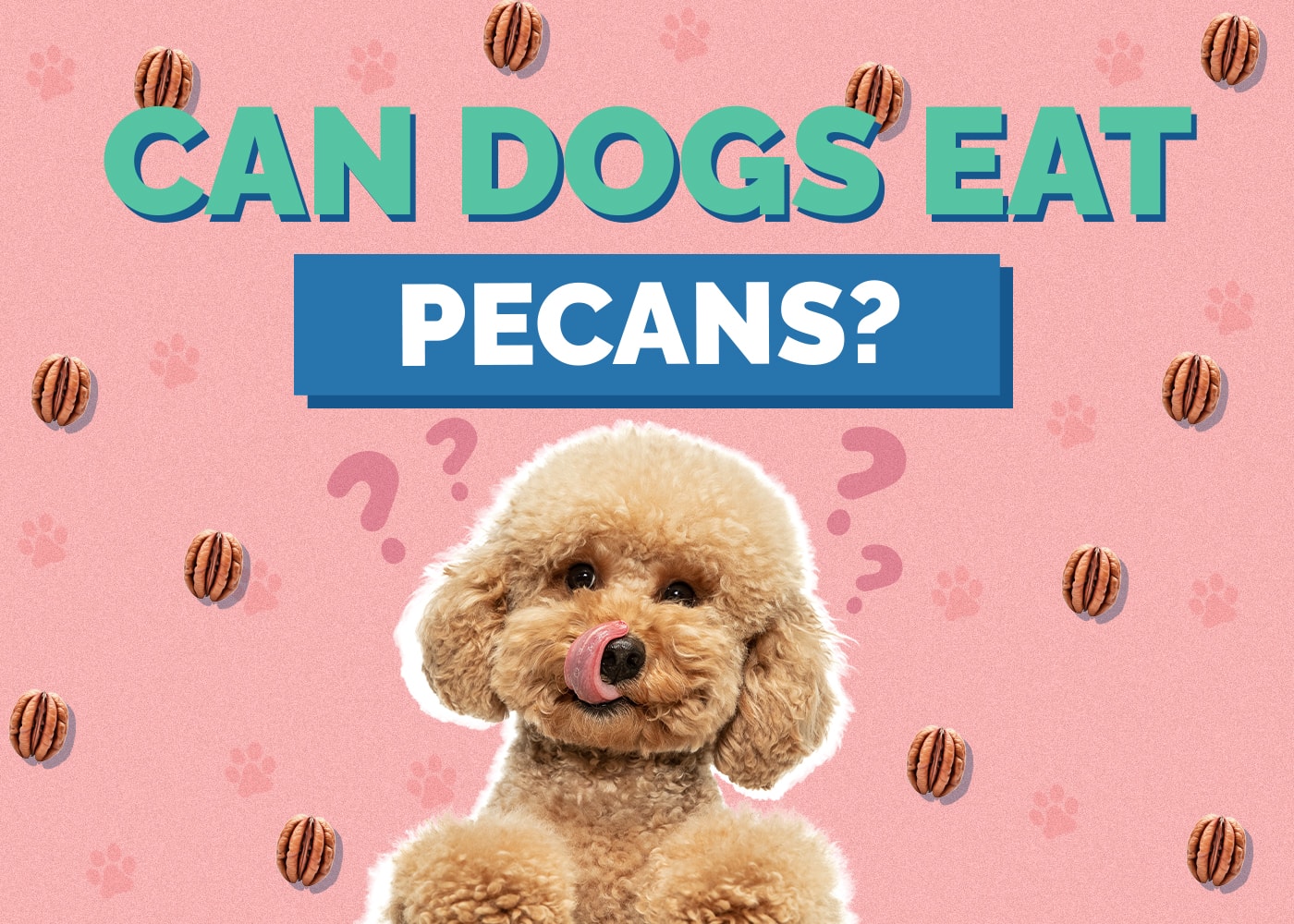
Pecans are a delicious treat used in many common human foods, from indulgent pecan pie to healthy breakfast muesli, but can you share pecans with your dog? Are pecans safe for dogs? The answer is no. While the odd pecan or two hastily scooped up off the floor by an observant pooch is unlikely to do any serious harm, too many or moldy pecans can be quite harmful for dogs.
In this article, we’ll take a look at the reasons that they are potentially harmful and what to do if your dog does eat pecans. Always consult with your veterinarian about appropriate and safe treats for your dog, as this will also vary based on their age, underlying health issues or ongoing medication.

What Exactly Are Pecans?
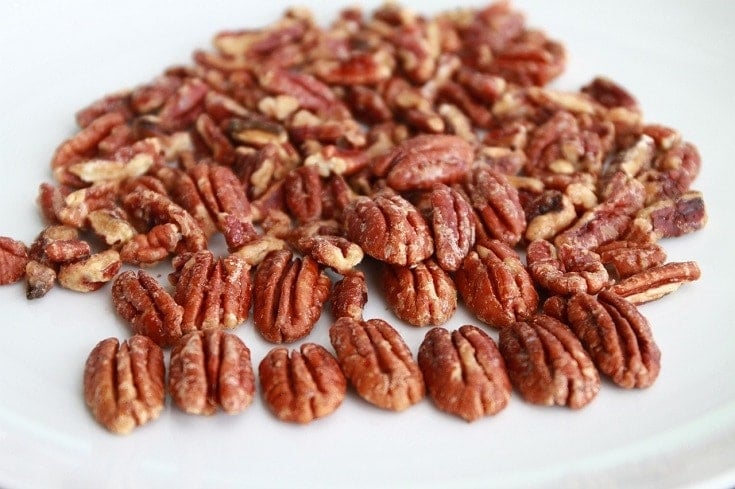
Pecans are native to Northern Mexico and the Southern United States and are a species of hickory tree. Pecans are one of the most recently domesticated crops, and the southern U.S. and Mexico produce almost half the world’s total. While pecans are commonly referred to as “nuts,” they are actually a type of drupe, a fruit with a single pit surrounded by a husk. They are popular among health enthusiasts due to their antioxidant benefits, healthy fats, and fiber content.
Why Shouldn’t Your Dog Eat Pecans?
As well as other nuts, pecans have a very high fat content, which can cause stomach upset in some dogs, particularly ones with a sensitive stomach, underlying gastroenteritis, or susceptibility for pancreatitis. Pancreatitis is inflammation of the pancreas that may occur for many reasons, including eating table scraps and fatty foods, but it may also happen for no known identifiable reason. It leads to vomiting, diarrhea, abdominal pain, fever, loss of appetite, and can even be life threatening in some cases.
Pecans are also quite susceptible to mold that may produce various tremorgenic mycotoxins, which can have serious side effects in animals and people alike. They’re known to cause vomiting, diarrhea, loss of balance, tremors, seizures, fever, and even liver damage in high doses. Dogs can have these signs for up to a week, and in serious cases, it can be fatal.
Pecans are also fairly large and may cause gastrointestinal blockages when swallowed, especially in smaller breeds. The hard husks can damage your dog’s gums and teeth if they are chewed on whole, and prepackaged pecans may contain salt or other spices that can cause further gastrointestinal upset. Some dogs may even choke on pecans if they try to swallow them whole or with the hull.
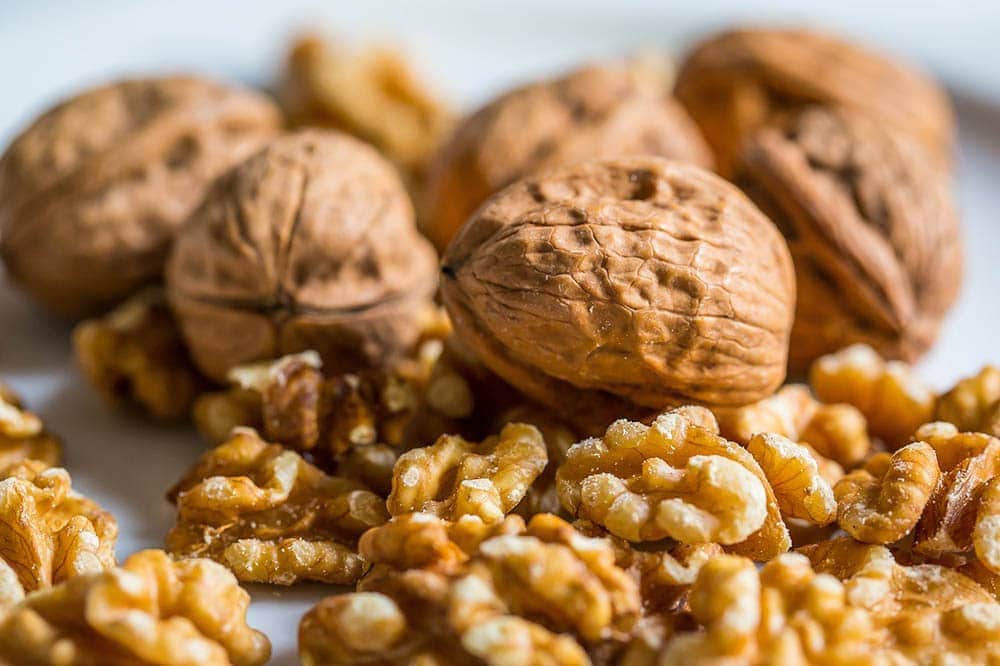
Another reason why it’s best to steer clear of pecans when it comes to your dog, may be a substance called juglone. It’s present in the hulls, all the green and growing parts of the plant, but is either absent or found in very small amounts in the kernels. Juglone has been suspected to be the culprit for signs of toxicity associated with ingestion of black walnuts' hulls, and wood in dogs, but now it is believed there are other compounds responsible for the toxicity and the exact mechanism remains unknown. This on its own does not mean that pecans will have the same harmful gastrointestinal or neurological effects as black walnuts can have on dogs, but until we know more, it’s another argument to be on the safe side and avoid offering your dog any pecans.
What to Do if Your Dog Has Eaten Pecans
While pecans can be harmful in some instances, if your dog has accidentally ingested one or two without the hull, there is usually no reason to panic. If they managed to eat a handful or more, they may show signs such as vomiting and diarrhea. Of course, this depends on your dog and on the number of pecans they’ve eaten, so it’s best to consult with a veterinarian who will advise you on the next step. Some dogs will require treatment, while others can be monitored at home.
Unless your dog eats a large number of pecans, which is unlikely, they will usually be fine. However, some may also develop a more severe stomach upset or even pancreatitis, particularly if they have any underlying health issues or predispositions. Moldy pecans can lead to more serious neurological signs, while swallowing the nuts whole or with a hull can cause a blockage in some dogs. Speak to your veterinarian if you have seen your dog eat pecans, or if they are not feeling well.

Are There Any Benefits?
Pecans are loaded with healthy fats, antioxidants, vitamins, and minerals that are highly beneficial for humans, but these benefits cannot be extrapolated to your pooch. The issue is that your dog would have to eat a high number of pecans to gain any real benefits from them, and they still wouldn’t benefit greatly, as eating this many will put them at risk for health issues. Plus, they will easily get these beneficial nutrients from a healthy balanced diet.
Are There Any Nuts Safe for Dogs?
Most vets advise against giving your dog any nuts at all, as they are often salted or flavored and pose the risk of intestinal blockages if consumed whole. They can also be contaminated with mold, or could lead to choking. That said, peanuts, almonds, and cashews are generally considered safe for most dogs in very small amounts, after being cut into pieces, as they will otherwise pose a choking hazard.
Macadamia nuts and black walnuts are toxic for dogs, while all nuts will pose a varying risk of choking, gastrointestinal blockage, or stomach upset, due to the high fat content.

Final Thoughts
Pecan nuts may be a tasty treat for humans, but they should never be given to your pooch, even in small amounts. If your dog manages to find a few pecans lying on the floor, though, there is usually no reason to panic. Contact your vet and watch for any signs like nausea, vomiting, abdominal pain, reduced appetite, or diarrhea. If your dog is experiencing one or more of these signs, they have eaten a significant amount of pecans, or the pecans were moldy, they will need to be taken to your vet for treatment.
Featured Photo Credit: tseiu, Pixabay
Get Hepper In Your Inbox


Pet care tips from our vets and experts, straight to your inbox.
You may opt-out at any time. View our Privacy Policy for more information.
Nicole is a lover of animals of all sizes but is especially fascinated with the feline variety. She’s the proud mom of Baby, a Burmese, and works every day so he can relax in the sunshine or by the fire. She’s always had a cat in her home and has spent countless days with others, observing behaviors and softening up even the grouchiest of the lot. Nicole wants to share her kitty expertise with you so you and your cat can live happy, healthy, and care-free.
Join the conversation
Ask a question, share your story, or send private feedback.