Hepper is reader-supported. When you buy via links on our site, we may earn an affiliate commission at no cost to you. Learn more.
Can Dogs Eat Shellfish? Vet-Verified Nutrition Facts & FAQ



In this article
If you’ve just polished off a delicious shellfish dinner but couldn’t quite finish those last few mouthfuls, is it okay to give the leftovers to your dog (who, let’s be honest, has probably been staring at you hungrily as you eat!)?
The short answer is a little bit more complicated than just a simple yes or no, because some dogs can eat small amounts of cooked shellfish meat without any issues.
However, it does need to be thoroughly cooked and served without the shell in very small amounts on special occasions. Some dogs may develop a stomach upset or have an allergic reaction to shellfish.
Let’s find out a little more about this food, including whether it’s something you should actually feed your dog, how to prepare it safely if so, and which risks to be aware of. It is important to always consult with your vet first when considering adding a new food ingredient to your dog’s diet, even only as an occasional treat, as it may not be appropriate or safe for every dog.

What’s Good About Shellfish and Does It Apply to Dogs?
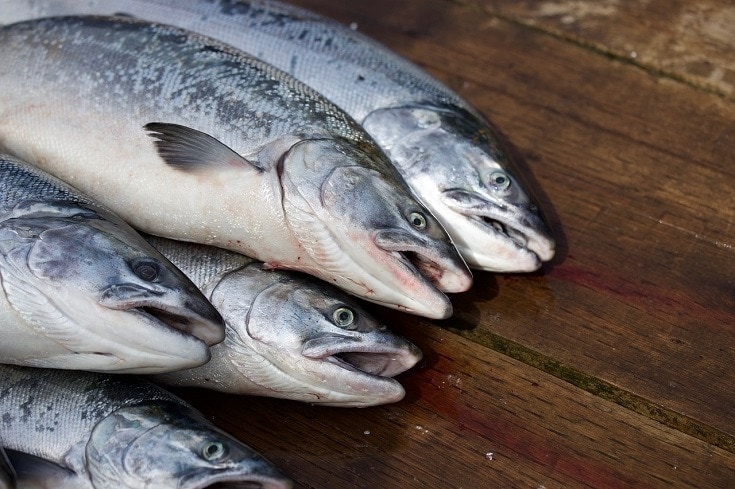
Shellfish includes seafood like shrimp, oysters, mussels, lobster, scallops, clams, and crab.
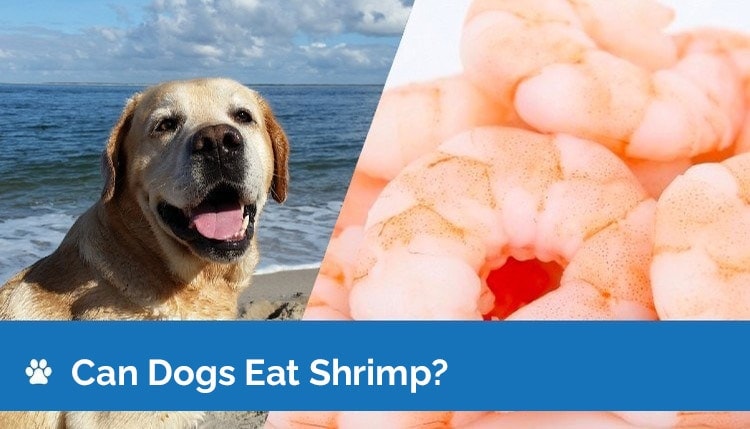
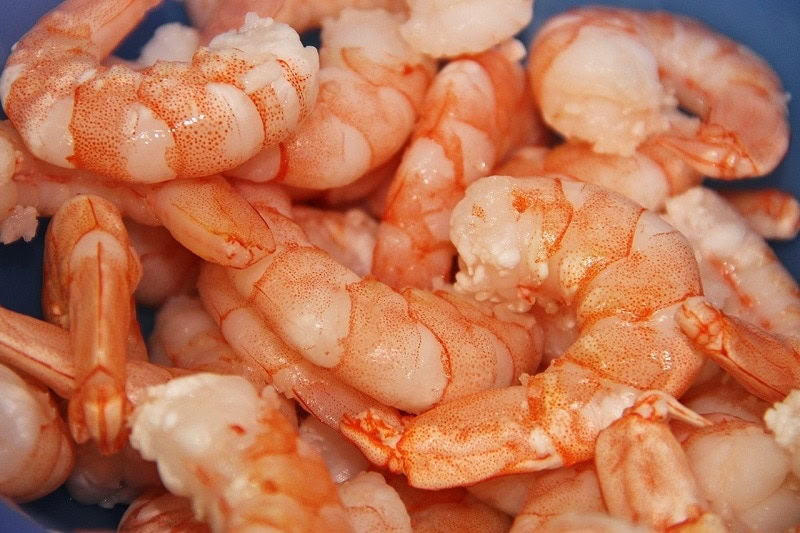
Shrimp is low in fat but high in protein. It contains omega-3 fatty acids, minerals, vitamins, and antioxidants, but is also a source of cholesterol. The nutritious ingredients in shrimp have benefits for most people, depending on their personal medical history and doctor’s recommendations, but research on the applicability and safety of these effects in dogs is lacking. They may taste great to your dog, so their meat, when cooked, can be used in very small amounts as an occasional pill pocket to help disguise medication. However, we would not recommend offering it regularly or daily, especially without your vet’s advice.
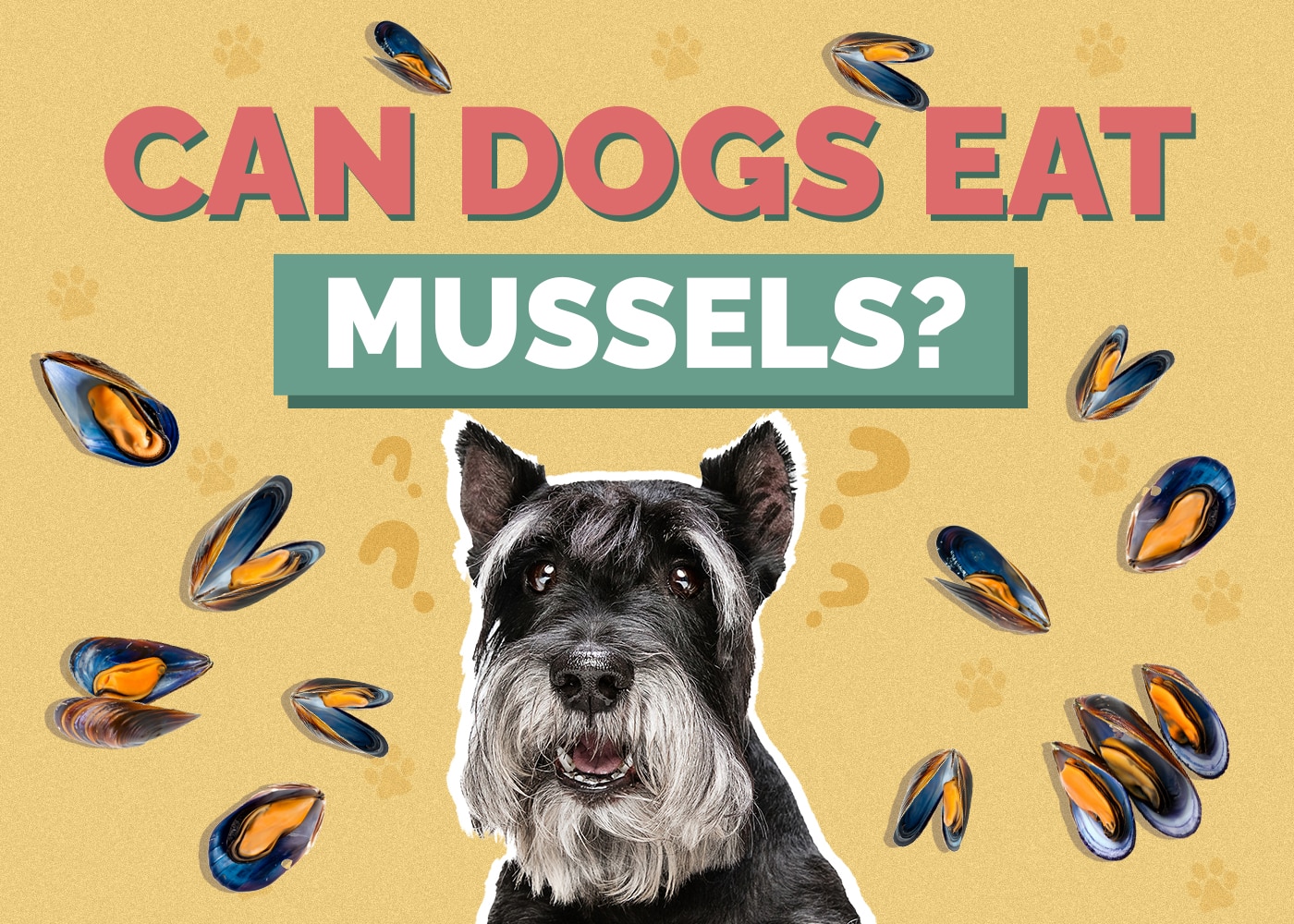
Bivalve shellfish like clams, mussels, and oysters are high in protein and contain plenty of beneficial ingredients like iron, zinc, magnesium, calcium, phosphorus, vitamin B12, and omega-3 fatty acids.1 Because these shellfish sit low on the food chain, they generally contain less heavy metal contamination than some other seafood like tuna, but the risk is still there.
Many of us have seen green-lipped mussels listed in the ingredients of some high-quality dog foods and treats. This particular strain of mussel contains a rich source of omega-3 fatty acids, which can help keep your dog’s coat and skin in great condition. A veterinary literature review has shown that green-lipped mussels may also reduce joint pain and mobility issues due to their anti-inflammatory properties. They’re a natural source of omega-3 fatty acids, a variety of carotenoids, and other bioactive compounds, alongside chondroitin and glucosamine. The exact way they achieve this remains unknown, and further research is required to define all the potential benefits for animals and people alike.
As a supplement, they are considered fairly safe for dogs, but you should still consult with your vet first before using them. Some dogs may develop a stomach upset or allergic reaction, and there is no safety information on using it in breeding dogs or pregnant or lactating females, so they should be avoided in these cases.
Another important consideration when thinking about offering your dog cooked shellfish meat is the fact that, although it is nutritious and rich in minerals, vitamins, and omega-3, it would also theoretically require an average dog to eat a significant amount of meat to gain these benefits, and this is something we would strongly discourage, as the potential pros and cons of shellfish for dogs have yet not been fully investigated. Your dog’s diet, if formulated according to AAFCO guidelines in the United States, will contain all the required nutrients for health, and shellfish meat should be used as a small and only occasional treat in accordance with your vet’s advice.
What’s Bad About Shellfish for Dogs?
Uncooked or improperly cooked shellfish can contain bacteria like E.coli, Salmonella, Listeria, and Vibrio. Feeding your dog raw shellfish is strongly discouraged and will put them at high risk of developing serious gastrointestinal upset. Frying the shellfish or offering it breaded is also not recommended, as it may contain unhealthy oils, spices, salt, and other additives.
The shell itself should never be offered to dogs. It is hard and brittle and may fracture their teeth, or may cause choking by getting stuck at the back of their throat. Dogs may also struggle to swallow it, leading to an obstruction in their esophagus. Shells can cause a blockage in the stomach and intestines. All of these conditions require urgent veterinary attention and can be life-threatening.
Heavy metals are also a genuine concern when eating shellfish, especially cadmium and mercury, and getting meat from a verified source that ensures regular testing and compliance with the regulations is crucial. This is important for your health, as well as for your dog.
Bivalve shellfish feed by filtering seafood through their shells. This means they can sometimes absorb toxins from algae. These toxins can lead to paralytic shellfish poisoning (PSP) if you or your dog eat shellfish containing this neurotoxin. Cases in dogs are poorly described, but they do occur and may be life-threatening if not treated. The FDA warns that even cooking does not ensure the safety of shellfish since the poison is very stable and is not destroyed completely by the usual heat treatments. Selecting your shellfish from a supplier who tests for this contamination is therefore very important!
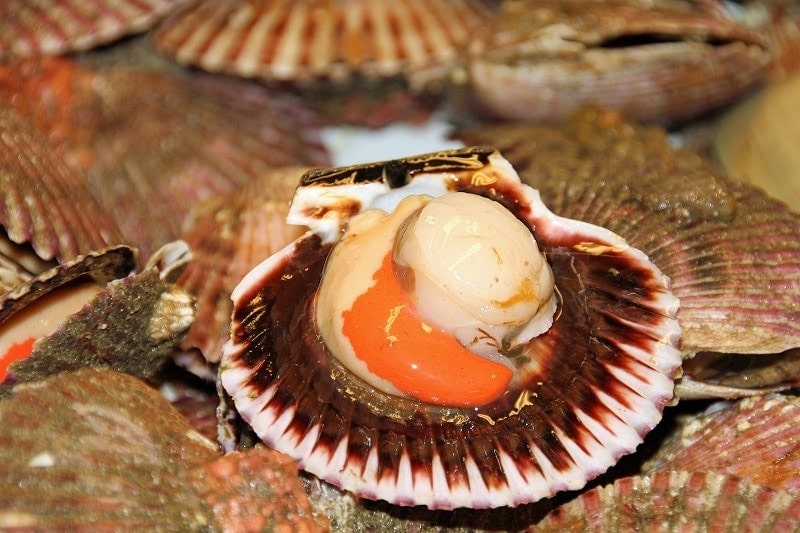
Shrimp can be intensively farmed, and often disinfectants, antibiotics, and pesticides are used to help farmers reduce diseases so they can increase their yield. Farmed shellfish isn’t always clearly labeled, so it’s worth asking whoever you buy your shrimp from if they can verify it’s wild-raised.
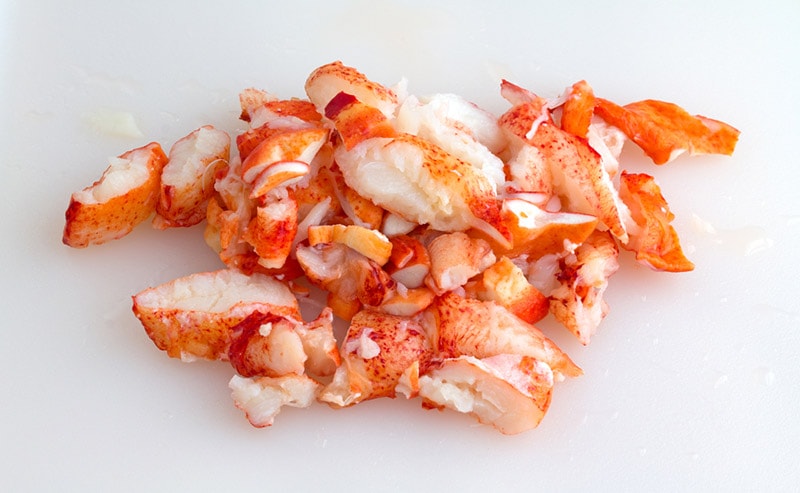
Lobster is low in saturated fat but moderately high in cholesterol and sodium, neither of which is going to do your dog any good. Crab meat can be very high in iodine (another nutrient your dog doesn’t need excessive amounts of). A small piece of cooked meat is unlikely to cause serious concern in most dogs, but it’s imperative to follow the safety precautions we have mentioned, including being aware of risks associated with feeding shellfish and the ways to prepare it properly.
Can Dogs Be Allergic to Shellfish?
Shellfish isn’t one of the main allergens for dogs, but the reason for this is a lack of research as it’s an uncommon dog food ingredient. According to the Cummings Veterinary Medical Center at Tufts University, the most common allergens in dogs are usually chicken, beef, dairy, and egg. Allergies to shellfish are rarely reported in dogs, but that doesn’t mean that your dog can’t suffer an allergic reaction to shellfish, as this is not a common food protein for them and they may not have encountered it previously.
Signs to look out for include itchy or inflamed skin and gastrointestinal issues like vomiting or diarrhea. Before making any changes to your diet or treats, it’s best to speak to your vet.
How to Prepare Shellfish for Your Dog
It’s extremely important to thoroughly cook any shellfish before giving it to your dog. As we’ve mentioned, raw shellfish can contain many bacteria that can lead to signs of food poisoning in both people and dogs. Shellfish meat also spoils very quickly, so it’s important to use verified sources and use it quickly, not allowing it to stand for too long. If there is any doubt about its freshness or you would not eat it yourself, then it’s also inappropriate to give it to your dog. It’s better to be safe than sorry. If you’re thinking about feeding your dog some table scraps, any cooked shellfish meat that’s been seasoned using oil, salt, pepper, or other spices really isn’t the best option and should be avoided.
When feeding your dog a small piece of cooked shrimp, crab, or lobster meat, make sure the shell, legs, and tail are all completely removed. These can have sharp edges that may damage your dog’s mouth and teeth, cause choking, or irritate your dog’s gastrointestinal tract. Also make sure the meat is well and thoroughly cooked and only offer it as a small treat on special occasions, certainly not as a regular option. Consult with your vet as well to make sure there are no reasons why your dog should not have it, based on their specific circumstances and medical history.
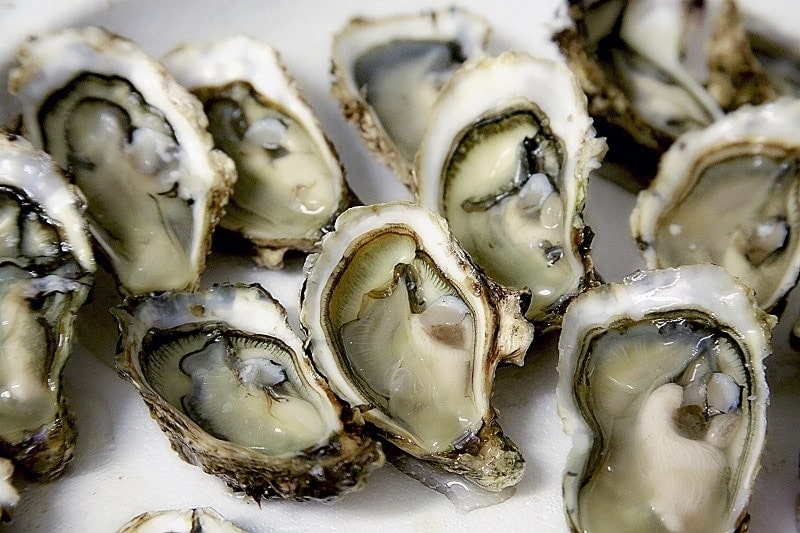
For shellfish like mussels, clams, or scallops, thoroughly cook the shellfish and only feed a very small portion of meat to your dog. We humans usually eat oysters raw, but don’t be tempted to do the same for your dog. Just because something is appropriate for humans, it doesn’t mean it’s safe for dogs. This can make them very sick. Also don’t forget that eating raw shellfish can also lead to food poisoning in people. Unless you want to cook the oysters thoroughly, we recommend skipping this particular shellfish completely.
You should never feed your dog any shellfish that’s been pickled or otherwise preserved in cans or jars, as they contain additives and salt, some of which are not safe for our dogs, depending on the amount.
How Much Shellfish Should You Feed Your Dog?
Your dog doesn’t need shellfish to add any nutrients to their diet, so if you do want to feed some cooked shellfish meat as a special treat, keep the portions very small. Speak to your vet first before adding new treats or supplements to your dog’s diet.
One small, cooked shrimp or piece of mussel or crab meat is more than enough as an occasional treat. Watch your dog closely for 24 hours afterward to make sure they don’t suffer from an allergic reaction or any gastrointestinal issues.
The best way to feed your dog shellfish is by buying dog-specific treats or food that include it as an ingredient. You can buy whole green-lipped mussels that have been freeze-dried and feed these to your dog instead of going to the bother of preparing them yourself! Still, do monitor your dog when offering new treats, especially if they are hard, to make sure your dog does not try and swallow them whole. Some dogs may develop a stomach upset when trying out new treats made from shellfish, so observe them for the next 24-48 hours. If they develop any vomiting, diarrhea, or lethargy or refuse their food, contact your vet for an examination and advice.
Or select a dog food like the Gentle Giants dog food, which contains a whole host of high-quality ingredients, including green-lipped mussels. You can also buy supplements like the Super Snouts Joint Powder Supplement that can be added to your dog’s existing food, after speaking to your vet.
Wrapping It Up
Shellfish isn’t a necessary part of your dog’s diet, but it won’t do them any harm if they eat a very small piece of cooked shellfish without the shell that’s been dropped on the floor. If you choose to feed your dog cooked shellfish, make sure you first consult with your vet about the safety and appropriateness of specific shellfish meat for your dog. Make sure you buy it from a reputable source, cook it thoroughly, and only feed small amounts occasionally.
The one exception may be green-lipped mussels, which contain omega-3 fatty acids as well as chondroitin and glucosamine. This can be a great addition to your dog’s diet, especially if they suffer from painful, inflamed joints, or your vet has recommended adding something to their diet to improve the condition of their coat and skin. The good news is you can buy treats, food supplements, or dog food all containing green-lipped mussels. Further research is still required to identify all the pros and cons of green-lipped mussels, but it is considered a fairly safe food supplement. However, they should be avoided in breeding, pregnant, or nursing dogs.
This is the safest way to feed your dog shellfish while also feeling confident about the fact that it’s been safely prepared and will help your dog look and feel great from the inside out!
Related Reads:
Sources
Nutritional Value and Food Safety of Bivalve Molluscan Shellfish
Greenshell™ Mussels: A Review of Veterinary Trials and Future Research Directions - PMC
Green-Lipped Mussels: Can They Help Your Dog’s Joints? – American Kennel Club
Main active constituents of the green lipped mussel and their effect on...
CPG Sec 540.250 Clams, Mussels, Oysters, Fresh, Frozen or Canned - Paralytic Shellfish Poison | FDA.
Paralytic shellfish poisoning and palytoxin poisoning in dogs
(PDF) Antibiotic use in shrimp farming and implications for environmental impacts and human health
Featured Image Credit: DASIL64, Pixabay
Get Hepper In Your Inbox


Pet care tips from our vets and experts, straight to your inbox.
You may opt-out at any time. View our Privacy Policy for more information.
Emma is a freelance writer, specializing in writing about pets, outdoor pursuits, and the environment. Originally from the UK, she has lived in Costa Rica and New Zealand before moving to a smallholding in Spain with her husband, their 4-year-old daughter, and their dogs, cats, horses, and poultry. When she's not writing, Emma can be found taking her dogs for walks in the rolling fields around their home...and usually, at least some of the cats come along, too! Emma is passionate about rescuing animals and providing them with a new life after being abandoned or abused. As well as their own four rescue dogs, she also fosters dogs for re-homing, providing them with love and training while searching for their forever homes.
Join the conversation
Ask a question, share your story, or send private feedback.