Hepper is reader-supported. When you buy via links on our site, we may earn an affiliate commission at no cost to you. Learn more.
Can Dogs Eat Strawberry Leaves? Vet Reviewed Facts


In this article
Dogs are known for their love of food, and some breeds will eat just about anything that they can get their paws on (we are looking at you, Labradors). However, dog and human digestive tracts are very different, and some foods that are fit for human consumption could make your dog ill, or worse. Before giving a new food to your dog it's important to find out whether it is safe for your dog to eat it.
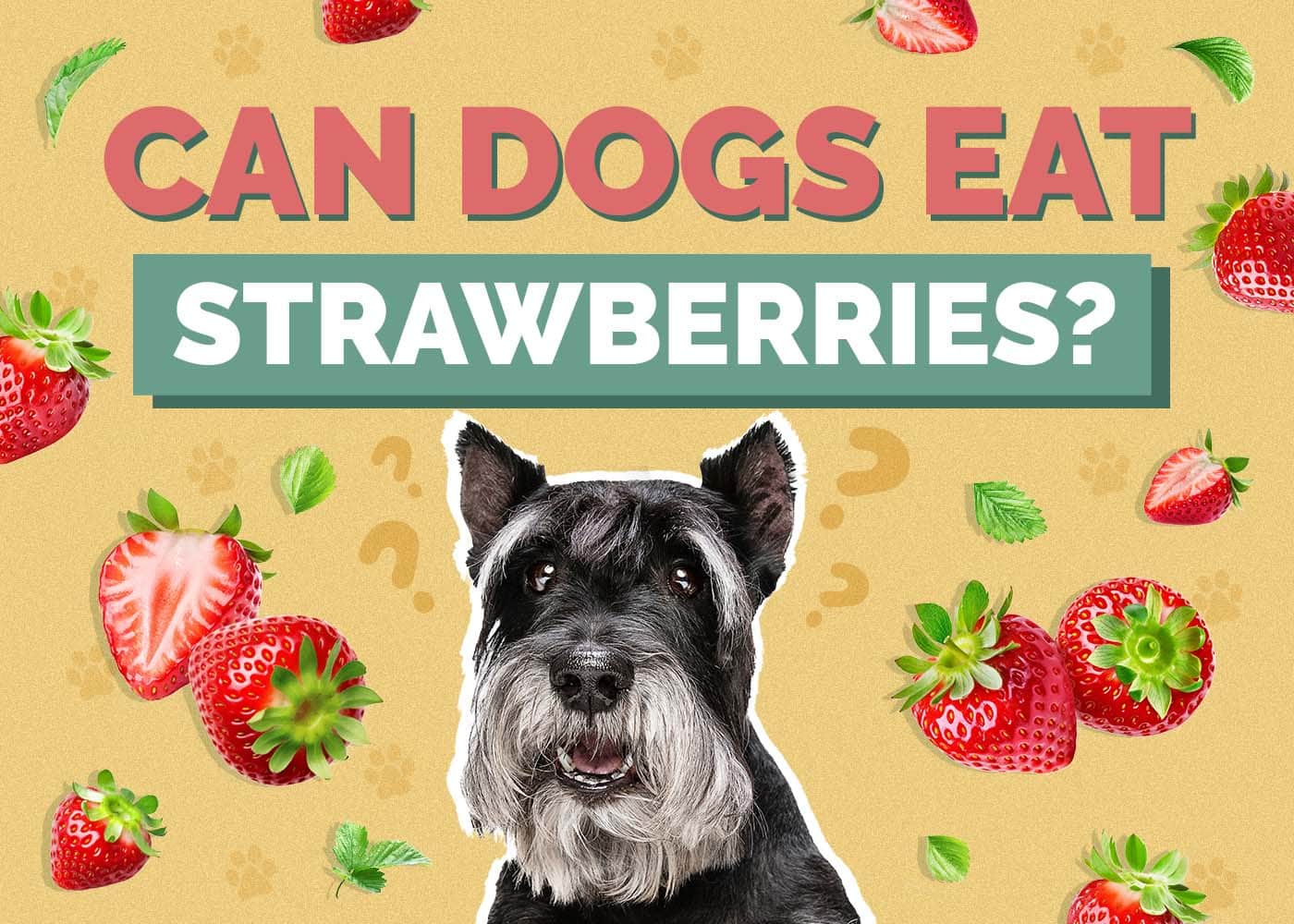
Growing up, our family had a Border Collie, called Tigger, who loved strawberries. It was only when she got older and could no longer hear us walking up behind her, that we discovered she had a neat trick for opening the fridge door and helping herself to some delicious berries. A discerning dog, she did not eat anything else from the fridge, just strawberries. From this anecdote, you can probably guess that the fruit of this plant is safe for dogs and that, some dogs, at least, love these red berries.
But what about the rest of the plant? Are the leaves of strawberry plants safe for your dog to eat? A dog cannot properly digest leaves, meaning that plant matter can upset your dog's stomach. Let's look into this in more detail!

Strawberry Leaves & Your Dog
The leaves of the strawberry plant are what’s called a compound leaf, consisting of multiple leaves, usually three leaflets, together. The leaflets have sawtooth edges and a hairy surface. The leaves are not toxic to your dog, but that does not mean that they are entirely safe to consume. If your dog has eaten a whole strawberry—or two—including the leaves and stem—there’s no need to panic. This is fine. Your bestie will only have issues if they eat a large quantity of plant matter.
The canine digestive tract can’t break down leaves. Consuming plant matter can make your dog's stomach upset. However, the serious risk with indigestible vegetation is that it can form an intestinal blockage somewhere in your dog's digestive system.1 In response, your dog may vomit as it tries to clear the obstruction. Left untreated, your dog may experience several other signs, including abdominal pain, loss of appetite, weakness, lethargy, diarrhea, difficulty defecating, or weight loss. If your dog has any of these symptoms and you suspect they have eaten something indigestible, get your dog checked out by a vet.


Are Strawberries a Health Food?
Strawberries contain a wide range of vitamins and minerals, including vitamins C, B-1, B-6, and K. While your dog certainly can benefit from eating many of these vitamins and minerals, should your dog be relying on strawberries for this nutrition? The answer is no. Strawberries have high sugar content. So, whilst they contain healthy minerals and vitamins, they are not a healthy way for your dog to get these nutrients in the quantities they need. Strawberries are a healthy treat that should be given in small portions and not eaten by the punnet load, as our family dog used to do.
Can Dogs Eat Frozen Strawberries?
Nutritionally, frozen strawberries are almost identical to fresh strawberries; so, from that perspective, they are ok for your dog. But giving your dog a hard lump to eat—especially when they might be expecting a soft fruit—could potentially lead to an intestinal blockage, at least until it melts. If your dog has never eaten frozen strawberries before, give them small pieces so they can learn what to expect. And if your frozen strawberries are gargantuan in size, then cut them up into manageable chunks for your dog to eat safely.
What About Strawberry Yoghurt & Strawberry Ice Cream? Are They Safe for My Dog?
Most commercial fruit yogurt and ice cream have large amounts of sugar added to make them sweeter. This is obviously not healthy for your dog, and you should avoid giving your pet high-sugar foods. Low-sugar versions of yogurt may have artificial sweeteners added, such as xylitol, which are toxic for dogs. You must absolutely never give your dog xylitol.
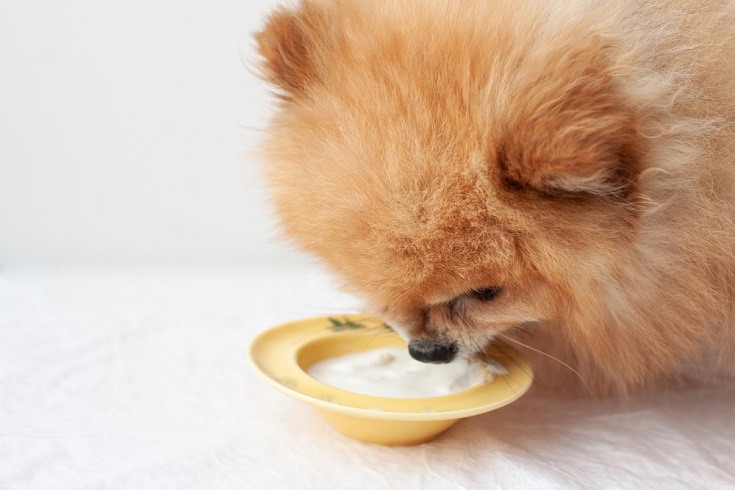
But what about healthy alternatives? What if you are making your own yogurt and adding strawberries, can you feed that to your dog? The good news is that homemade yogurt is not toxic to dogs. Nevertheless, your dog might still have difficulty digesting it. Dogs don’t naturally consume lactose after puppyhood and usually lack the enzymes to digest large quantities of lactose. Eating yogurt may lead to gas, diarrhea, and vomiting. If you want to give your dog a strawberry treat, stick to small amounts of fresh or chopped defrosted strawberries.
Dog-Friendly Fruits & Vegetables
If you are looking for healthy snacks to feed your dog, there are plenty of fruits and vegetables that are safe for them to eat. Apples, blueberries, cucumbers, peaches, pears, carrots, celery, and green beans provide essential vitamins and minerals while also being very easy on the stomach. It is important to note that these fruits and vegetables should be served raw or lightly cooked as cooked foods can contain additional fats, salts, or oils, which may upset your dog’s digestive system.
When choosing the best options for your pet, make sure to remove any seeds or pits first, as they could cause gastrointestinal issues such as indigestion or blockages. Serve only small portions at a time so as not to interfere with your dog's regular mealtimes.
Human Foods Toxic to Dogs
As already indicated in this article, many foods that we take for granted in our human diets are toxic for dogs and very dangerous for them to consume. Here is a list of some of the common foods you may have around the house that you should not feed to your dog.
Keep toxic foods out of reach of your dog, and if you suspect your pet has ingested something harmful, consult your vet immediately.

Conclusion
Strawberry leaves are not toxic to dogs. However—strawberry leaves, because they are hard to digest—can cause intestinal issues, and therefore dogs should not eat them. If you do want to feed your dog strawberries, it's best to give them in moderation as part of a balanced diet. Keeping your dog healthy and safe should always be the priority when considering what treats or snacks to give them.
Related Read:
Get Hepper In Your Inbox


Pet care tips from our vets and experts, straight to your inbox.
You may opt-out at any time. View our Privacy Policy for more information.
Nicole is a lover of animals of all sizes but is especially fascinated with the feline variety. She’s the proud mom of Baby, a Burmese, and works every day so he can relax in the sunshine or by the fire. She’s always had a cat in her home and has spent countless days with others, observing behaviors and softening up even the grouchiest of the lot. Nicole wants to share her kitty expertise with you so you and your cat can live happy, healthy, and care-free.
Join the conversation
Ask a question, share your story, or send private feedback.