Hepper is reader-supported. When you buy via links on our site, we may earn an affiliate commission at no cost to you. Learn more.
Can Hamsters Eat Oranges? Vet Reviewed Risks, Facts & FAQ


In this article
Keeping track of what your hamster can and cannot eat can be tricky. Some fruits and veggies are safe, but others can pose significant risks. In the case of oranges, while they are not technically toxic to hamsters, they are not recommended.
To learn more about why that is, we will discuss the benefits and risks of feeding oranges to hamsters, and review some frequently asked questions.

Feeding Oranges to Your Hamster
We know that oranges are a healthy source of vitamin C for humans, so it’s understandable that you might assume that hamsters would benefit from them too. After all, they’re high in fiber, low in calories. and packed with antioxidants. Not to mention being juicy and delicious.
However, hamsters are very different from humans, in more than just the obvious ways! Unlike humans, hamsters are able to synthesize their own vitamin C, so are not reliant on food sources to provide it. They also have more sensitive gastrointestinal systems than ours, so we need to be careful to only feed them a diet that reflects what they would have eaten in the wild, and that doesn’t include oranges.
Risks of Feeding Oranges to Your Hamster
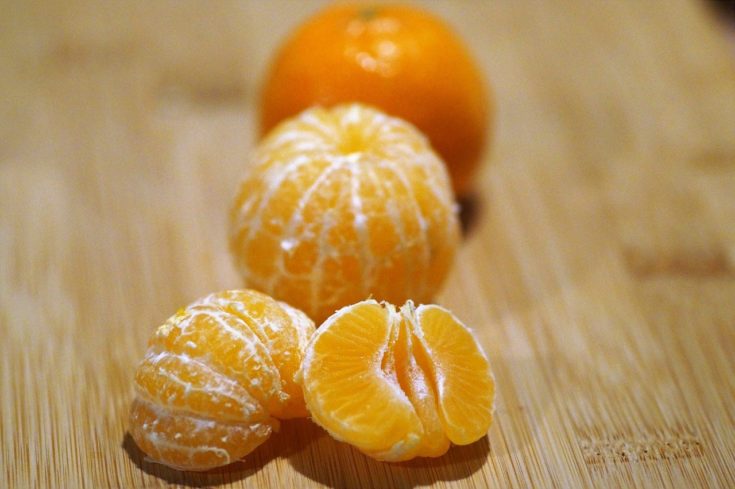
While the benefits of oranges seem appealing, they aren’t as valuable for your hamster. Oranges are highly acidic fruits, which are not typically suitable for your hamster’s sensitive gastrointestinal system. If your pet is frequently exposed to high acidity, they may begin to experience digestive issues such as discomfort and diarrhea. The acidity can erode their teeth, and the sugar can contribute to weight gain and obesity.
Therefore, the risks of feeding your hamster oranges outweigh the benefits. Plus, any of the benefits your pet could get from oranges can also be found from other sources, so there’s no reason to feed them.
What Should You Do if Your Hamster Eats a Piece of Orange?
If your hamster has munched on a small piece of orange, there’s no need to panic. As we said earlier, oranges are not toxic to hamsters. A single bite once or twice is unlikely to cause any serious issues for your pet.
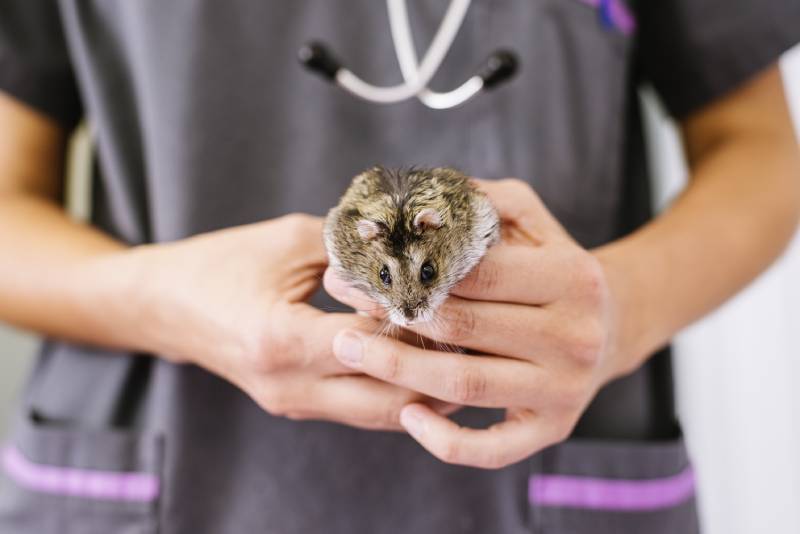
Still, if your hamster has eaten an orange and you notice signs of gastrointestinal upset, reach out to your vet as soon as possible.
Frequently Asked Questions
Determining the best diet for your hamster can be a challenge at times. For more information on how to feed your hamster, take a look at some of these frequently asked questions.
What Does a Hamster’s Healthy Diet Look Like?
While fruits and veggies can be a beneficial part of your hamster’s diet, the primary focus of their meals should be commercial pellet food. Here is a general breakdown of your hamster’s nutritional needs:
- Carbohydrates: 35%–40%
- Protein: 15%–25%
- Crude Fiber: 5%
- Fat: 4%–5%
Although a commercial pellet diet can provide all these nutrients, your hamster will benefit from, and enjoy, using some other foods as well. A healthy hamster diet will usually contain approximately:
- 70% Commercial hamster pellets (avoid ones with lots of fruits, nuts, and seeds - they’ll just pick out the good stuff!)
- 15% Leafy greens like dandelion leaves, collard greens or kale
- 5-10% Animal protein such as mealworms
- The remaining 5-10% is made up of Seeds and nuts Other vegetables and fruit
If you’re not sure of the best way to feed your hamster a healthy, balanced diet, talk to your vet.
Which Fruits Are Safe for Hamsters?
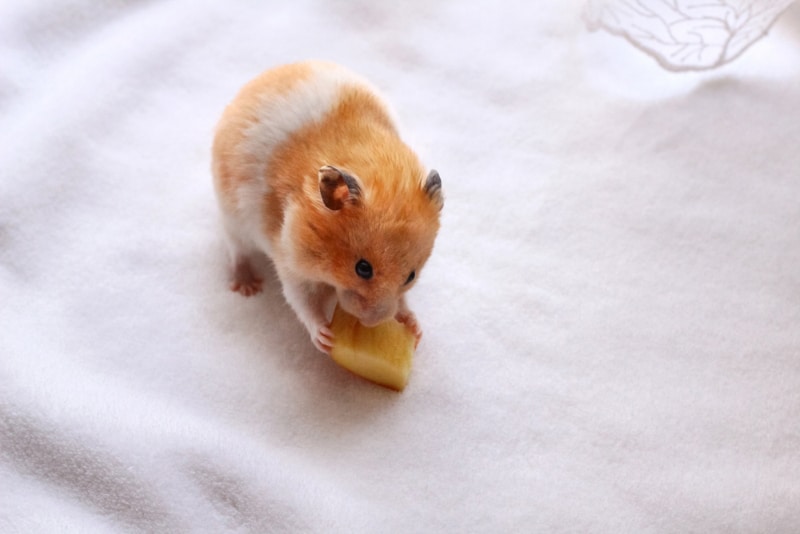
Although oranges are not a suitable treat for hamsters, plenty of fruits are beneficial. However, remember that due to the high sugar concentration in fruits, they should be considered a treat and only given sparingly.
This list is not exhaustive, so talk to your vet if you have a particular fruit in mind.
Which Vegetables Are Safe for Hamsters?
Vegetables are an essential part of a healthy hamster’s diet. Providing a variety of veggies for your hamster to snack on is an excellent way to ensure they get a diverse range of nutrition. Before serving these vegetables as a treat, wash them and cut them into small pieces.
- Carrots
- Broccoli
- Celery
- Cauliflower
- Spinach
- Cucumbers
- Sweet peppers
Conclusion
Oranges are not a great treat for hamsters, but there shouldn’t be any major problems if your pet manages to steal a bite of two. While oranges are not toxic to hamsters, they can lead to serious gastrointestinal issues, so if you are concerned for your hamster's well-being after they eat a piece of orange, don’t delay contacting your vet.
See Also:
Sources
Featured Image Credit: PosiNote, Shutterstock
Get Hepper In Your Inbox


Pet care tips from our vets and experts, straight to your inbox.
You may opt-out at any time. View our Privacy Policy for more information.
Pets are Jordyn’s passion, cats especially. Whenever she has the opportunity, she loves to learn about them and share her knowledge with everyone. She is devoted to her tabby cat named Jack and works hard to buy him his favorite treats and toys. Discovering new ways to better care for her pet is always on her to-do list, and she is eager to help pet parents everywhere who have similar pursuits. In her spare time, she loves to read, write, and take long walks. She has a creative spirit, which often helps her to come up with funny cat names.
Join the conversation
Ask a question, share your story, or send private feedback.