Hepper is reader-supported. When you buy via links on our site, we may earn an affiliate commission at no cost to you. Learn more.
Can Parrots Eat Blueberries? Vet-Approved Facts & FAQ


In this article
Your parrot needs a balanced diet that includes a mixture of fresh foods. While some types of fruits can be harmful to parrots, blueberries are perfectly safe for them to eat as occasional treats in moderation. A great thing about blueberries is that they’re both tasty and nutritious, and most parrots will love eating them.

Health Benefits of Blueberries
Blueberries are often called a superfood for humans because of their many nutritional benefits. They’re low in calories and are excellent sources of vitamin C, vitamin K, and manganese. It’s also believed that blueberries have one of the highest levels of antioxidants among common fruits and vegetables.
So, feeding your parrot blueberries may help boost their immune health. Since they don’t have large pits or seeds in them, you don’t have to prepare them a certain way. Just make sure to thoroughly wash them before giving them to your parrot.

How Many Blueberries Can a Parrot Eat?
Blueberries should be given in moderation. While the exact diet will depend on the species of parrot, the general consensus is that a healthy diet for parrots consists of 75-80% high-quality parrot pellets and the rest vegetables, nuts and other protein sources, and a small amount of fruit. Therefore, even though blueberries are highly nutritious, they shouldn’t take up the majority of your parrot’s daily diet.
Most parrots can enjoy several blueberries as a snack. If it’s your parrot’s first time eating blueberries, start by giving them one blueberry. You can introduce more blueberries into their diet gradually if you find that they enjoy eating them.
The majority of parrots like blueberries, but there are some rare cases where a parrot won’t care for them. There’s no need to force parrots to eat blueberries because they’re not essential to their diet. So, if your parrot is disinterested or refuses to eat them, there are plenty of other fruits that you can feed them instead.
What’s a Healthy Diet for Parrots?

Your parrot will get most of their daily nutritional needs met by eating a high-quality pellet mix that’s specifically formulated for parrots. While parrots love eating seeds, seed-based pellets aren’t the healthiest options for them because they contain a lot of calories and fat. They’re also not very nutritious.
High-quality parrot pellets will contain a well-balanced mix of vegetables, fruits, grains, and seeds. They’re also more beneficial to parrots because they’re a blend of nutritious foods that don’t allow your parrot to pick out certain foods over others. This lowers the risk of nutrient deficiencies.
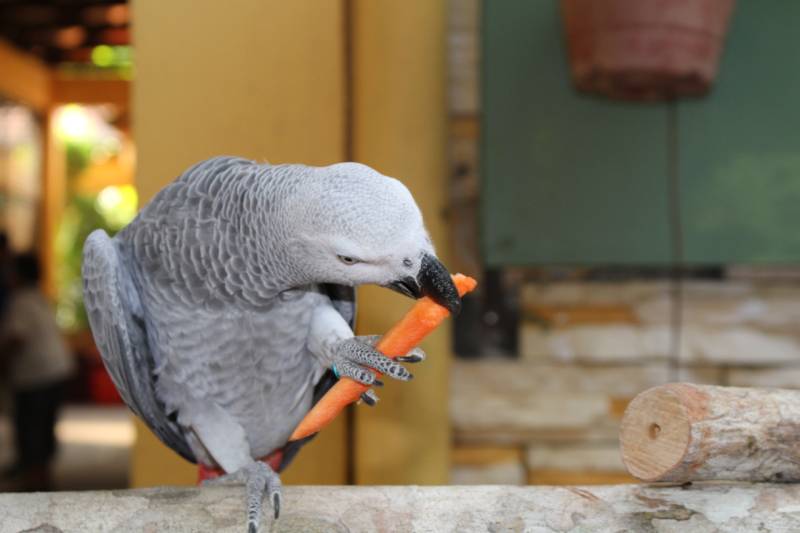
You should supplement parrot pellets with an assortment of vegetables and fruits. Parrots will benefit from eating vegetables rich in vitamin A, including dark leafy greens, green peppers, pumpkins, and carrots.
Parrots can also enjoy eating:
Parrots will also enjoy eating an assortment of fruits.
Along with blueberries, you can give your parrot:
Some parrots will enjoy a rotating selection of fruits and vegetables, while others will prefer sticking to what they know and like. So, make sure to be observant of your parrot’s eating habits and preferences and get to know what they like and dislike, but variety in their diet is important.
These are general guidelines and the nutritional needs of your parrot will depend on their species, as well as their age and general health. It’s always best to seek advice from an avian veterinarian to come up with the right diet plan for your pet.
What Fruits Should Parrots Avoid Eating?
Parrots can eat most fruits safely in small amounts. However, they shouldn’t eat avocados. Avocados contain persin, which is a toxin that can cause heart issues and respiratory distress in birds. Unfortunately, ingesting avocados can be fatal to birds, so make sure to store avocados in an unreachable location for your parrot and avoid feeding them to your parrot. If your parrot has accidentally had access to avocados, contact your vet straight away.
It’s also important to remove any larger seeds and pits from fruits. The pits and seeds of apples, cherries, apricots, and plums contain levels of cyanide that can be harmful to birds. They can also be a choking hazard for parrots.
Conclusion
Blueberries are safe for parrots to eat, but they should be given in moderation. A parrot's daily diet should mostly consist of high-quality parrot pellets and be supplemented with fresh foods which include a small amount of fruit. Keep in mind that blueberries aren’t necessary for your parrot. So, if your parrot doesn’t enjoy eating them, you can feed them other kinds of fruit. If your parrot ends up loving blueberries, make sure to feed them only as snacks and special treats.
See also:
Featured Image Credit: Congerdesign, Pixabay
Get Hepper In Your Inbox


Pet care tips from our vets and experts, straight to your inbox.
You may opt-out at any time. View our Privacy Policy for more information.
Jessica is a freelance writer who spends most of her day reading and writing while her fluffy Cavapoo, Nora, naps beside her. She loves and appreciates pets and animals because there’s so much to learn from them, and they do so much for people. As a dog mom, she understands the special relationship that pet parents have with their pets. So, she loves sharing helpful information that people can use to better understand their pets. When she’s not writing, you can find her walking dogs, tending to her plant babies, or drinking her nth cup of coffee.
Join the conversation
Ask a question, share your story, or send private feedback.