Hepper is reader-supported. When you buy via links on our site, we may earn an affiliate commission at no cost to you. Learn more.
What Can Parrots Eat? 10 Vet-Approved Human Foods Safe for Parrots

In this article
Indoor birds are popular pets and some members of the order Psittaciformes, which contains approximately 400 species of parrots, are often the top choices for a pet bird. They are beautiful, colorful and intelligent creatures that require a diet as similar to the one they would eat in the wild as possible. This is no easy feat given that diets vary greatly between parrot species, throughout the year and throughout a species’ lifetime. The following article gives general information on parrots, but it is vital that you research your particular species of parrot to understand its nutritional, environmental and health needs before embarking on your journey as a parrot parent.
As the popularity of keeping a pet parrot is on the increase worldwide, unfortunately, so is malnutrition of these birds due to incorrect feeding. However, we are here to help, and in this article, we look briefly into what a pet parrot's main diet should be, as well as highlighting 10 human foods parrots can safely eat and examples of foods that are dangerous or toxic to parrots.

What Should a Parrot Eat?

Like all animals, each parrot species has a specific diet and specific requirements unique to them. There are approximately 400 species of parrot in the world, and the necessary portion size and nutrient profile varies considerably between them. It is highly recommended to speak with an avian veterinarian or specialist for a comprehensive breakdown of what your species needs in their diet, as well as in their environment, but to summarize, the following nutrients are essential to your parrot and are required by them daily.
Vitamin A
Vitamin B (including riboflavin, niacin, pantothenic acid and choline)
Vitamin D
Calcium
Protein
Carbohydrates
Fatty acids
There are many other minerals required, but the research into the amounts required by psittacines is still ongoing. Each species of parrot will require differing amounts of these nutrients.
The safest way to achieve a balanced diet in your bird is by feeding a diet that is composed of 60% pellets (made for your species of parrot)and 40% other foods. Other foods include vegetables, fruits, whole grains, sprouted pulses, nuts and berries.
If a balanced diet isn’t provided daily, your parrot will not be getting all the nutrition they need, and illness or disease will prevail. Malnutrition is one of the most clinically relevant health issues seen frequently in captive birds. If you notice any changes in your bird that are worrisome, consult your veterinarian as soon as possible.
Signs of Malnutrition in Parrots:
Alongside your good quality, species-specific pellets, you will be feeding an array of other foods. Below is a list of foods that are safe for parrots to eat as part of a varied diet.

The 10 Human Foods Safe for Parrots
1. Dark Leafy Greens
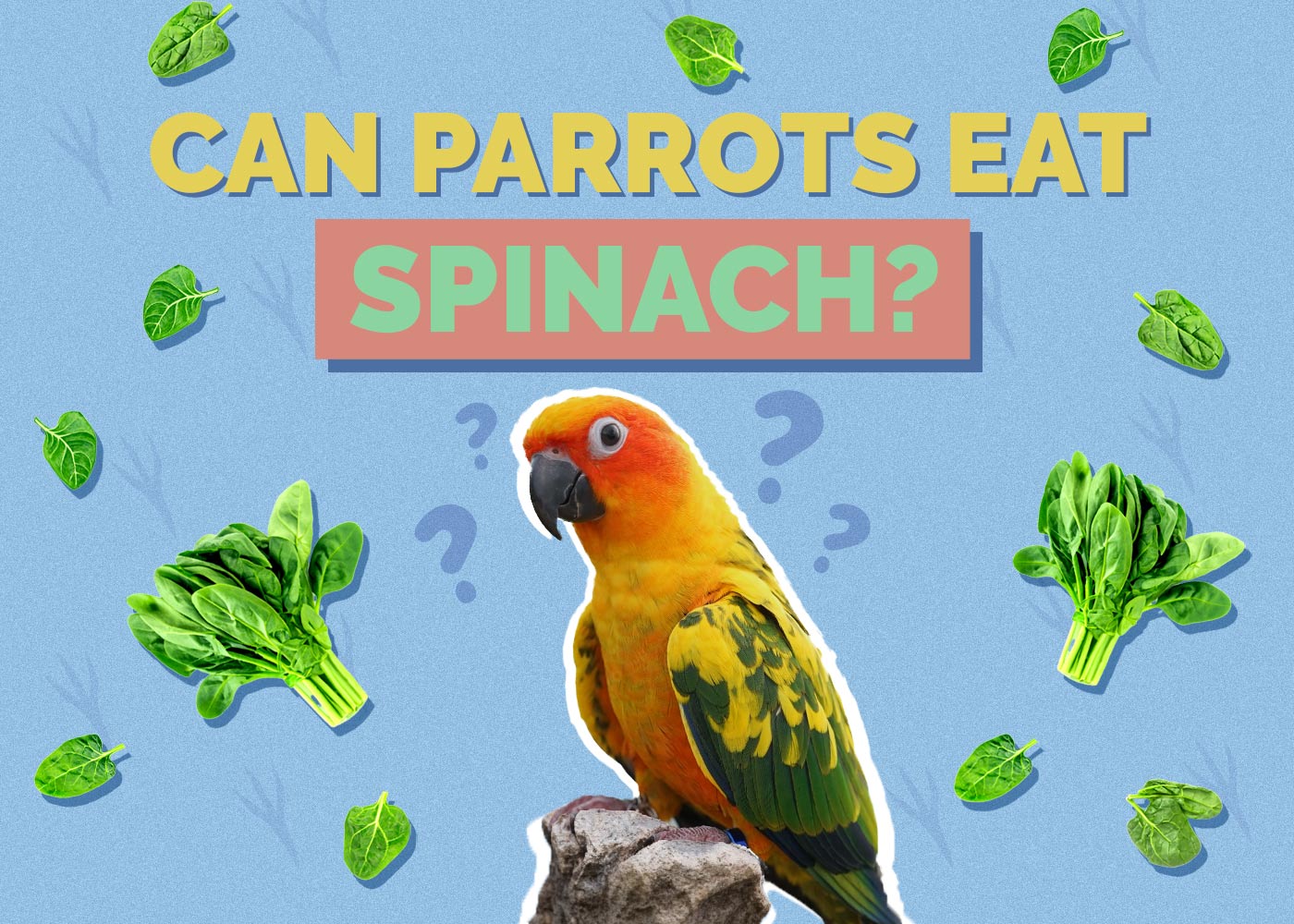
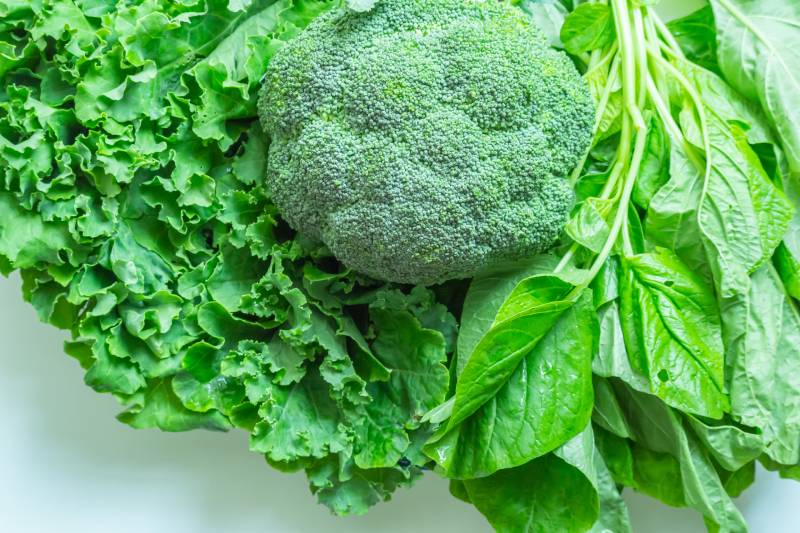
There are numerous choices to pick from for this type of veggie. These include kale, dandelion greens, spinach, collards, chard, broccoli, and alfalfa.
All leafy greens are a good source of omega-3 fatty acids and vitamin A, which are needed to maintain healthy skin, feathers, optimum eyesight, and a stellar immune system.
2. Sweet Potatoes
Like leafy greens, these provide excellent vitamin A, beta carotene, and vitamin D.
3. Pumpkin
Again, these delightful orange vegetables provide excellent vitamin A and beta carotene. Pumpkin seeds are also healthy for parrots, although they are high in fat, which is why they love them so much! Therefore, feed the seeds in moderation, as their high fat content can lead to weight gain and obesity.

4. Berries
Blueberries are particularly great for these birds, as they contain good helpings of vitamin C and B6 as well as potassium and folate. They are also a good source of fiber for your bird’s gastro-intestinal health. These fruits are high in sugar, so be careful not to overfeed them.
5. Hard-Boiled Eggs
Hard-boiled eggs are a solid protein for parrots, which may be fed scrambled (without any additional oils/seasonings) if preferred, although eggs should only be offered from time to time. This is because they are high in saturated fats and cholesterol so moderation is key to avoid issues like obesity. A parrot’s sources of protein should be interchanged to provide a balanced mixture, so other sources include cooked chickpeas and lentils. Protein is required to develop and maintain healthy muscles, tissues, feathers, and keratin—the substance making up their talons and beaks.

6. Brown Rice
Brown rice is great to add to their daily diet, either soaked or cooked. It is better than white rice for parrots since it is higher in fiber. This is helpful for healthy digestion and the gastrointestinal system.
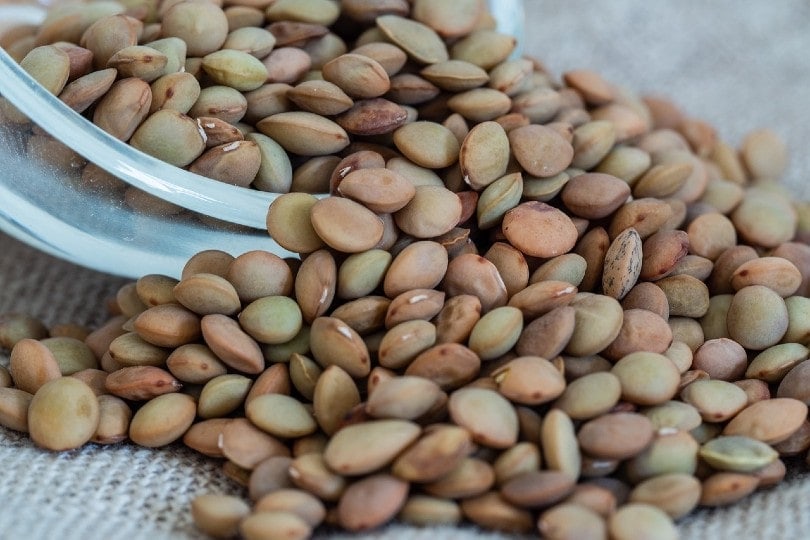
7. Lentils and Kidney Beans
These are another two examples of good sources of protein that can be safely fed to your parrot. Protein is required to develop and maintain healthy muscles, tissues, feathers, and keratin.
8. Mango and Peaches
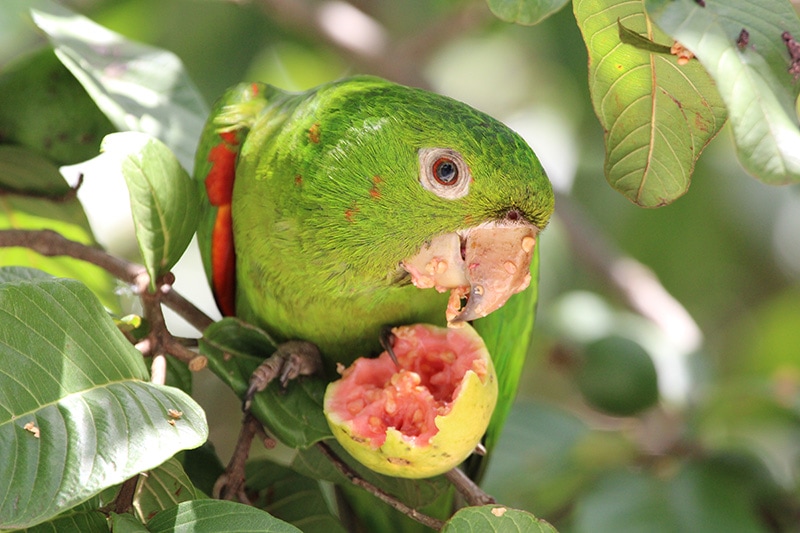
Amongst other nutritional goodness, both mangos and peaches provide vitamin A, fiber, folate, and vitamin C. Many fruits are high in sugar so should be fed sparingly. The amount of fruit supplied depends on the particular species of parrot as some parrots are frugivores (exist entirely on fruit), so research into fruits to feed is key. Remember to always remove the pit of those fruits with one and to check if the fruit is parrot safe before feeding it.
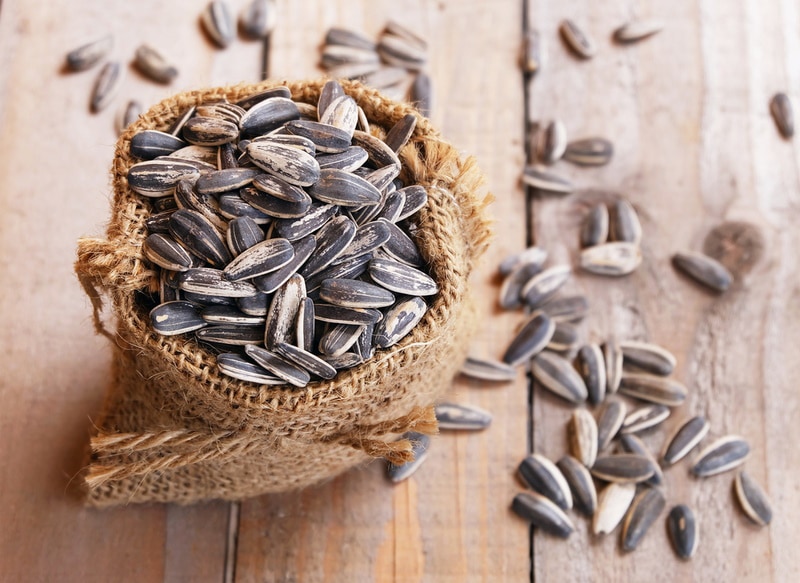
9. Seeds and Nuts
Both seeds and nuts provide protein, carbohydrates, and minerals, such as potassium, magnesium, calcium, zinc, and copper. They are also quite high in fat, which leads to secondary problems such as mobility difficulties and obesity.
These foods shouldn’t be their staple diet but, rather, make up the variety of the 40% “other food” offered to your parrot.
10. Pasta
Pasta is mostly made of grains, and while parrots do not require a lot of pasta per se (and it is often added into parrot mixes), it is excellent at providing carbohydrates. Carbs are needed to provide energy and heat production. Too many carbs, however, can pack on the pounds, so feed as a treat in moderation!
Toxic and Dangerous Foods for Parrots
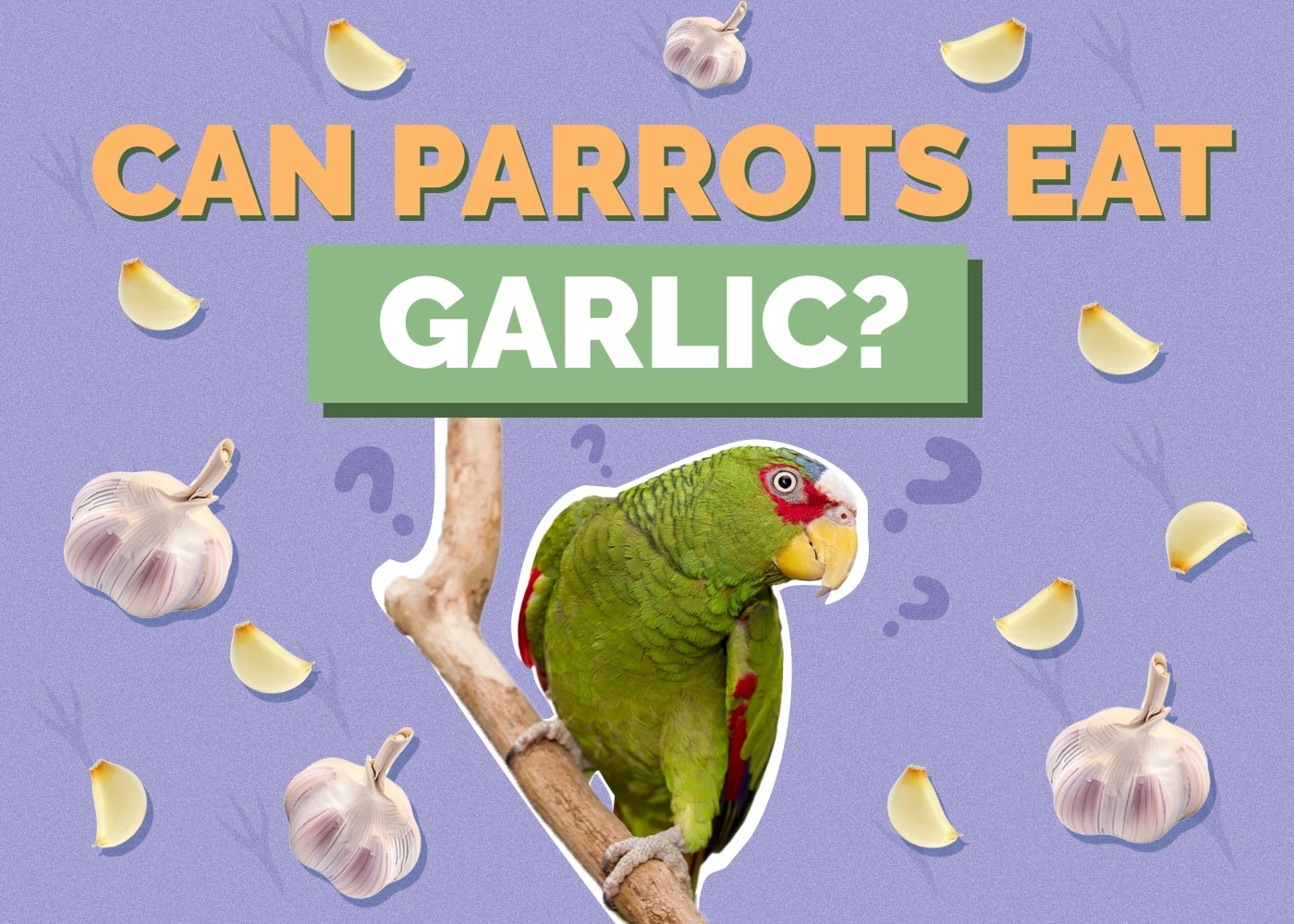
As with any animal, certain foods are toxic to them, especially those foods meant for human consumption. For parrots, foods to avoid feeding include but are not limited to:
Foods to avoid:
Conclusion
There are many types of human foods that are safe for parrots to consume. It is healthy for these to be added into their daily food allowances in the right proportions to make up the varied and nutritional diet parrots require. Be cautious, though, as human foods should not be the main staple portion of their diet, and some are indeed toxic to them.
Avians in general are quite different from more widely understood pets like cats and dogs, and sometimes information can become muddled; therefore, any concerns about your parrot’s diet and whether a particular food is safe or not is always a question best directed to a specialist.
See Also:
Sources
Featured Image Credit: Ronel Lowe, Shutterstock
Get Hepper In Your Inbox


Pet care tips from our vets and experts, straight to your inbox.
You may opt-out at any time. View our Privacy Policy for more information.
Annaliese began her career as a veterinary nurse in Edinburgh, later advancing her qualifications with a diploma in advanced veterinary nursing in surgery from London. Her work in small and mixed veterinary practices led her to become a head nurse, where she trained other veterinary nurses, managed the nursing department, conducted nurse clinics, and developed new patient care protocols.
Throughout her career, Annaliese has cared for thousands of patients and their owners, setting higher standards in nursing regimes with a focus on surgery and anesthesia. She co-authored multiple veterinary nursing textbooks and contributed to various mainstream publications in the UK and USA. After more than twenty years in the veterinary and pet care professions, she retired from clinical practice to pursue full-time writing. Having cared for thousands of patients and owners, Annaliese specialized in surgery and anesthesia. She was asked to co-author several veterinary nursing textbooks and contributed to a number of other publications in the UK and USA. After more than two decades in the veterinary and pet care industries, she retired her scrub suit and now works as a full-time writer.
Annaliese Morgan has been a dedicated veterinary nurse for over two decades, having completed a diploma in advanced veterinary nursing in surgery from London and qualifying from Edinburgh. Her professional experience includes managing a nursing department, training other veterinary nurses, providing patient care, and running nurse clinics in both small and mixed veterinary practices.
As an expert in surgery and anesthesia, Annaliese has treated thousands of patients and owners. In addition to being asked to co-author multiple veterinary nursing textbooks, she has written for a variety of publications in the UK and USA. After a long and successful career in the veterinary and pet care professions, Annaliese now dedicates her time to writing full-time. You can find out more about her work at www.annaliesemorgan.com.
Join the conversation
Ask a question, share your story, or send private feedback.