Hepper is reader-supported. When you buy via links on our site, we may earn an affiliate commission at no cost to you. Learn more.
Are Parrots Herbivores, Omnivores or Carnivores? Vet-Approved Facts & FAQ


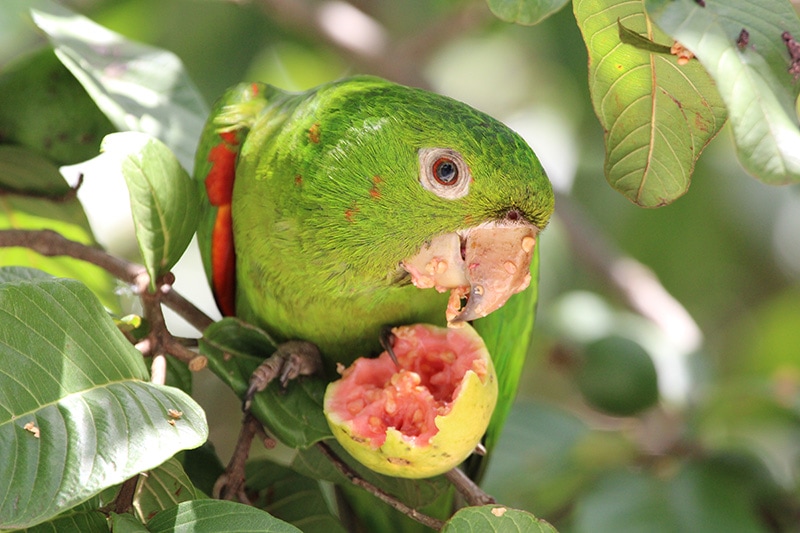
You might be surprised to learn that parrots are omnivores, which means that they can obtain the nutrients they need from a mixture of plant matter and animal protein. There are hundreds of different species of parrots, originating from different parts of the world and adapted to an array of habitat types. In most cases, a parrot’s diet will be influenced by what’s available, but there are three main types of parrot diets:
- Granivores that mostly consume seeds and nuts eg. Ring-necked parrots
- Frugivores that mostly eat fruits eg. Eclectus parrot
- Nectarivores that feed on plant nectar eg. Lorikeets
Although some parrot species have a preference for certain food types, most are opportunistic, which means that they can adapt their diet to match what food is available, often including insects and other small animals. But that doesn’t mean that we can just feed our parrots anything!
Let’s take a closer look at parrot diets, and how best to meet their nutritional needs.

Providing a Whole and Balanced Diet
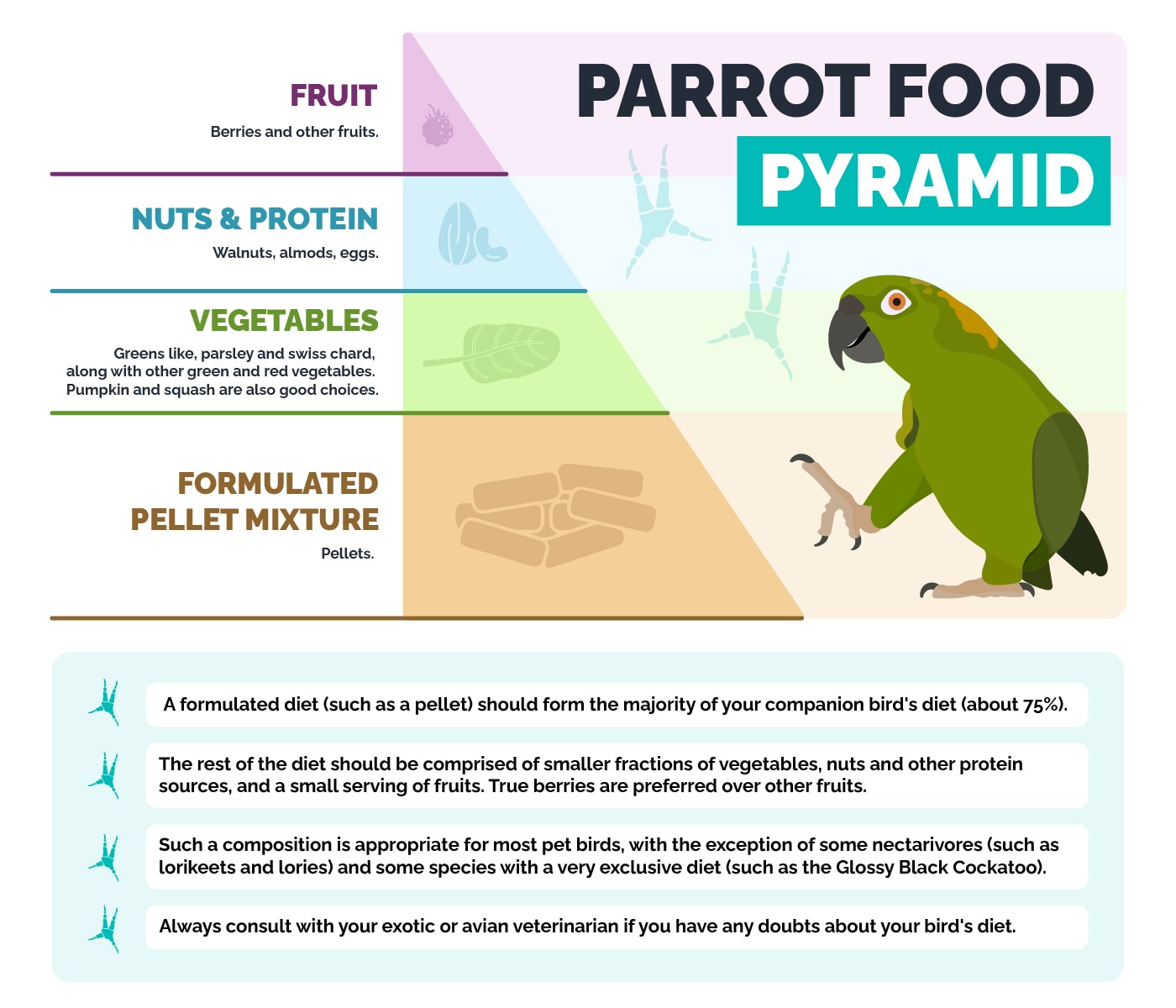
Ensuring you provide a balanced diet for your parrot may require extensive research. While many bird foods are on the market, not all of them are designed with your parrot’s needs in mind. Some may even be inappropriate or unhealthy, and it is vital that you know which species of parrot you are dealing with in order to provide it with the right sort of food. We suggest talking to an avian expert about what your parrot needs.
The difficulty when looking to buy food for your parrot is that some commercial foods are labeled simply “parrot food”, but these beautiful birds are not “one size fits all” when it comes to their diet. Some parrot foods come in pellet form, others as a muesli mix of seeds, and it is up to you to make sure you have the right food for your pet, with the right balance of protein, carbohydrates, fats, minerals, and vitamins.
Many seed-based foods are lacking in protein, so you will need to ensure you are supplementing that. Other commercial foods will include items like sunflower seeds or dried fruit, which many parrots will pick out first, which would be a bit like us just eating the choc chips from a granola bar!
Pellets
Pellet foods are a good way to make sure you are providing your parrot with the right balance of nutrients, but they should not be the only thing you offer. Think of the pellet diet as the base, then add in different items to increase the range of nutrients your pet receives, while also providing them with some enrichment.
Seeds
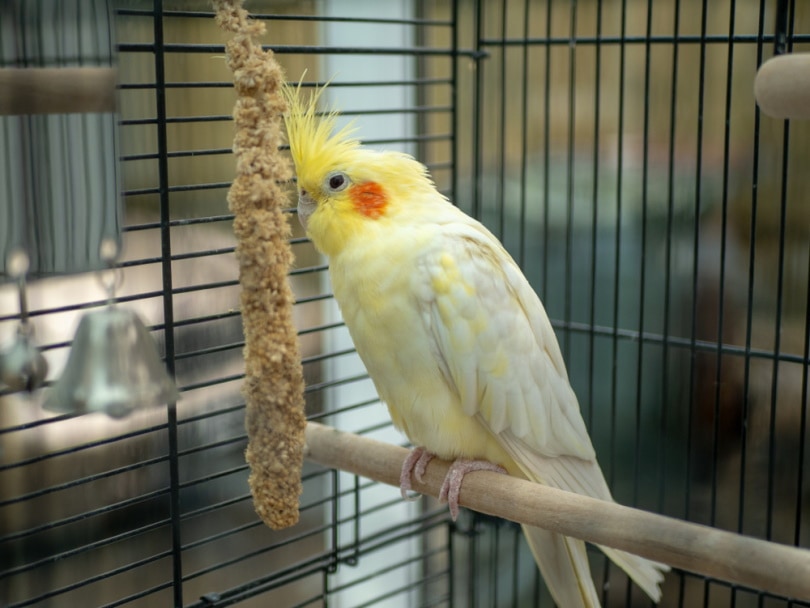
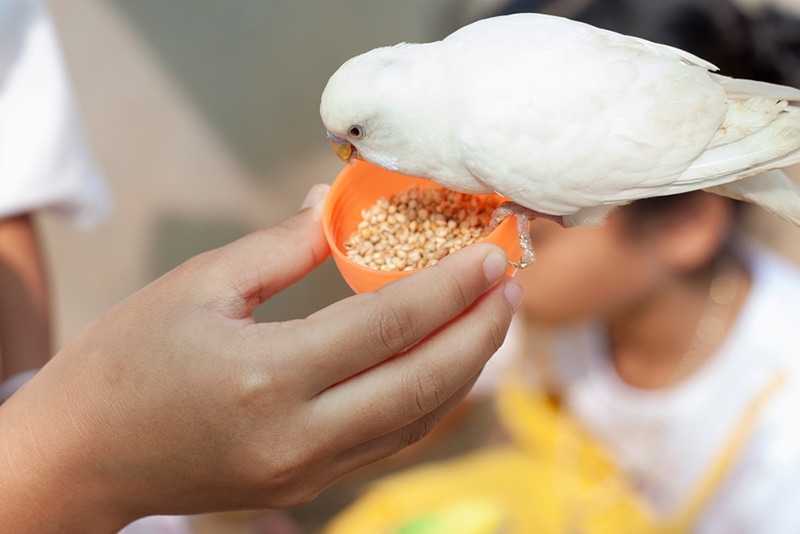
Common seeds that you can feed your parrot include sunflower seeds, millet seeds, safflower seeds, hemp seeds, thistle seeds, and more. Any seeds that you give to your pet should be unsalted and unflavored.
Vegetables
Veggies are a great source of nutrition for parrots. Many vegetables offer fiber, protein, vitamins, calcium, and other benefits. Wash all veggies before feeding them to your pet, and like with seeds, make sure they are unflavored.
Dark leafy greens like parsley, kale, spinach, Swiss chard, and collard greens are great options. You can also give your pet squashes, sweet potatoes, carrots, bell peppers, and green beans.
Fruits
Fruits are a great visual treat for your bird since they have bright colors. Rotating through different fruits can help keep your parrot mentally enriched.
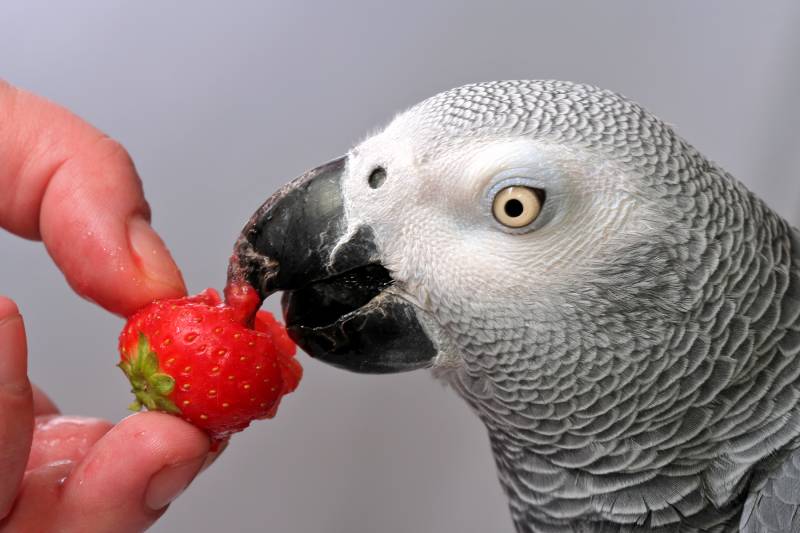
The best fruits you can feed your pet are those high in vitamin A. This includes papayas, mangos, apricots, pomegranates, cantaloupe, and persimmon. Berries are also excellent for your pet, so put those in rotation as well.
Fresh fruit is always preferable to dried fruits - your parrot may love the sweetness of the dry fruit, but that’s because they are mostly full of sugar!
Protein
Plants high in protein are an essential part of your parrot’s diet, such as broccoli, legumes, and sprouts. However, you should also feed your pet animal-based proteins. Examples include chicken, fish, or turkey. All meats that you give to your pet should be well-cooked and unseasoned. You can also give your bird unseasoned scrambled eggs.
Treats
Treats should be fed in strict moderation, but they are still important to your pet’s well-being. They are essential to training and life enrichment, so make sure to have tasty treats on hand for your parrot.
Remember: Not all parrot species will need, or want, to eat all of these items. For example, nectarivores have very different tongues to granivores, which are not adapted to eating seeds.
Portioning Your Parrot’s Food
In addition to supplying your pet with sufficient nutrients, it is crucial to give them proper proportions. The best way to determine your parrot’s food portioning is to consult an avian specialist, who will have professional knowledge of your parrot’s species and a personal understanding of your pet’s health needs. Generally, veterinarians suggest ¼ cup of pellets for a small parrot and ½ cup for a large parrot.
Regarding veggies and fruits, the smaller the portion, the better. Overfeeding your bird with veggies and fruits may cause them to avoid their pellet food, which can lead to nutritional imbalances.
Allow Your Parrot to Forage
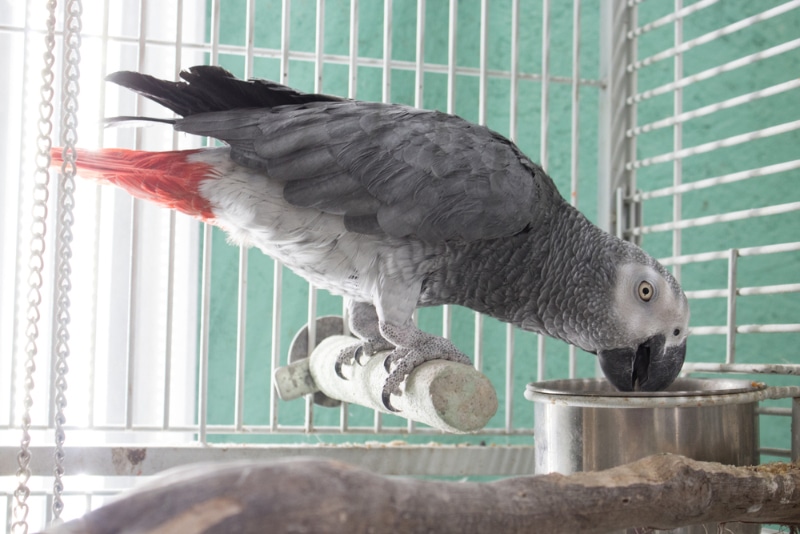
Foraging is vital to your parrot’s enrichment. When a parrot forages, they are searching for food rather than having it handed to them. Wild parrots spend a significant amount of time foraging. If you do not allow your parrot to forage for food, they may become bored.
One way to help your parrot forage is to place their food inside a bird-safe cardboard box. Your pet will then need to tear apart the box to eat their meal. You can also dangle food from branches or wedge it between the bars of your pet’s cage. However, if you decide to hide your parrot’s food, ensure you are doing so in a way that prioritizes your parrot’s safety and mental stimulation.
Frequently Asked Questions
When it comes to feeding a pet parrot, there may be a lot of questions. If you still have unanswered questions about what is best for your pet, read these frequently asked questions to see if the answer you’re looking for lies below.
Are Parrots Messy Eaters?
Yes! Parrots are notorious for being messy eaters. They eat constantly throughout the day, often dropping bits of food from their cage during mealtimes. Therefore, consider your surroundings when planning where to place your parrot’s enclosure.
You likely won’t want your parrot’s cage to hang over rugs, carpeted areas, or other places that cannot be as easily cleaned. Placing a silicone mat or other easily washed piece beneath your parrot’s cage may also be worthwhile to simplify clean-up time.
Is a Change in a Parrot’s Appetite a Cause for Concern?
Oftentimes, a sudden change in a parrot’s appetite can be a sign of a medical issue. If your parrot has abruptly begun to avoid foods that they once loved, you should reach out to your vet.
Other signs that your parrot may be feeling unwell include:
- Struggling to balance
- Ruffled or puffed feathers
- Change in consistency or color of droppings
Like many animals, birds mask feelings of discomfort or pain. Therefore, if you notice any signs that your parrot is unwell, do not delay in seeking treatment.
How to Keep a Parrot Healthy?
In addition to a healthy diet, there are a few key ways to keep your parrot healthy. First, you should be connected with an experienced avian vet. Regularly consulting a veterinarian you trust can help you stay informed on your parrot’s health status and quickly identify signs of disease or injury.
Next, parrots need clean, fresh air to stay healthy, and they are very sensitive to polluted environments. Areas frequently exposed to chemical fumes (such as hairspray), tobacco smoke, or other pollutants should be closed off from your parrot. Some toxic inhalants may lead to a rapid death in parrots, so it is best to keep these materials far away from your pet.
Parrot beaks are constantly growing, so it is essential that they are able to chew things to keep them worn down naturally. Wooden toys or cuttlefish are common ways to provide stimulation and a natural way to keep their beak healthy.

Final Thoughts
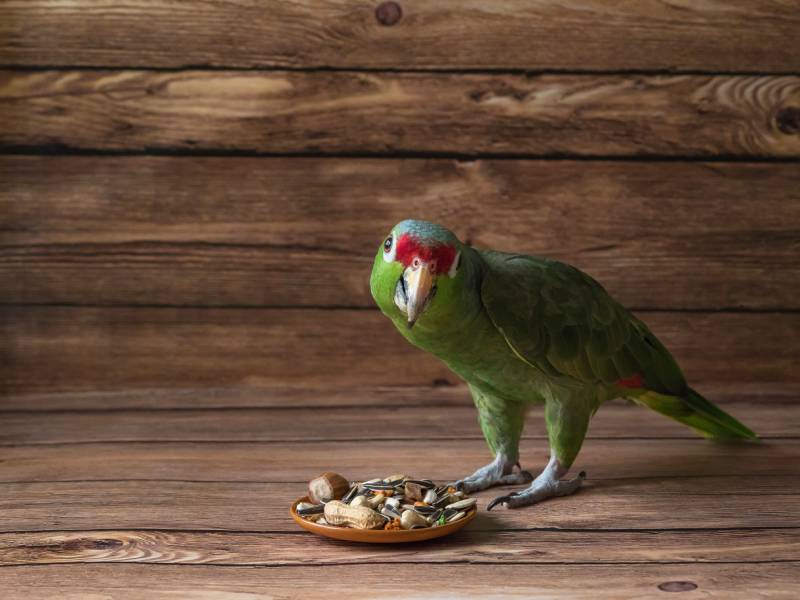
Providing a proper diet for your parrot is an essential part of ensuring they maintain good health. Since parrots are omnivores, feeding them a moderate mixture of seeds, veggies, fruits, and proteins in addition to their regular pellet meal is ideal. Keep in contact with a trusted avian veterinarian to monitor your parrot’s health and provide them with a good quality of life.
See also:
Sources
Featured Image Credit: salih ceran, Shutterstock
Get Hepper In Your Inbox


Pet care tips from our vets and experts, straight to your inbox.
You may opt-out at any time. View our Privacy Policy for more information.
Pets are Jordyn’s passion, cats especially. Whenever she has the opportunity, she loves to learn about them and share her knowledge with everyone. She is devoted to her tabby cat named Jack and works hard to buy him his favorite treats and toys. Discovering new ways to better care for her pet is always on her to-do list, and she is eager to help pet parents everywhere who have similar pursuits. In her spare time, she loves to read, write, and take long walks. She has a creative spirit, which often helps her to come up with funny cat names.
Join the conversation
Ask a question, share your story, or send private feedback.