Hepper is reader-supported. When you buy via links on our site, we may earn an affiliate commission at no cost to you. Learn more.
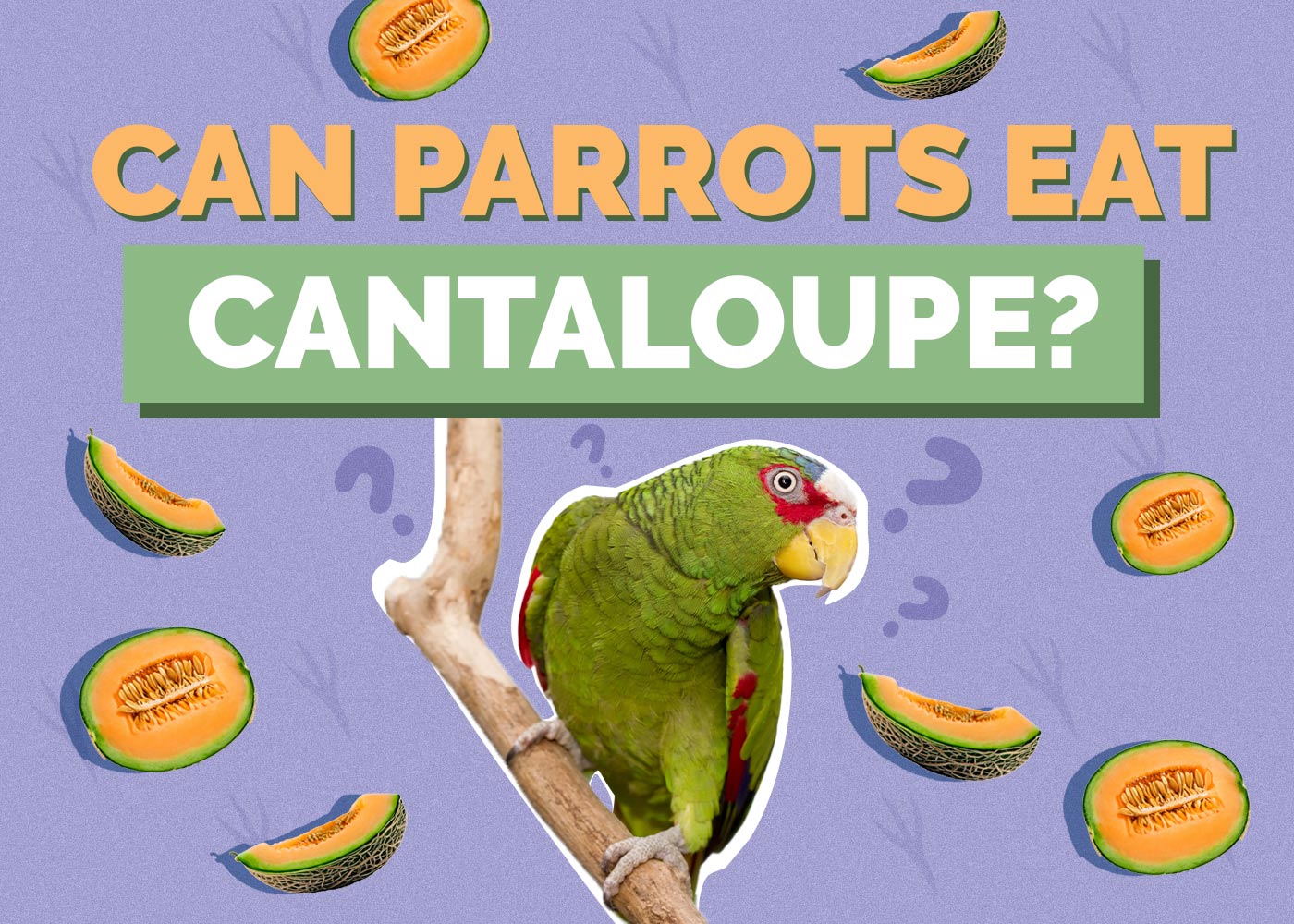
Can Parrots Eat Cantaloupe? Vet Reviewed Facts & FAQ


In this article
Not everyone loves cantaloupe, but so many of us do, especially during the summer! Eating fresh cantaloupe slices is juicy, tasty, and definitely healthy. Naturally, we enjoy sharing what we love with our pets.
But is cantaloupe okay for parrots to eat? Cantaloupe is a healthy treat that is generally safe for parrots, though it should only be given in moderation.
In this article, we go through the health benefits of cantaloupe for parrots and the best way to feed it to them.

A Little Info About Cantaloupe
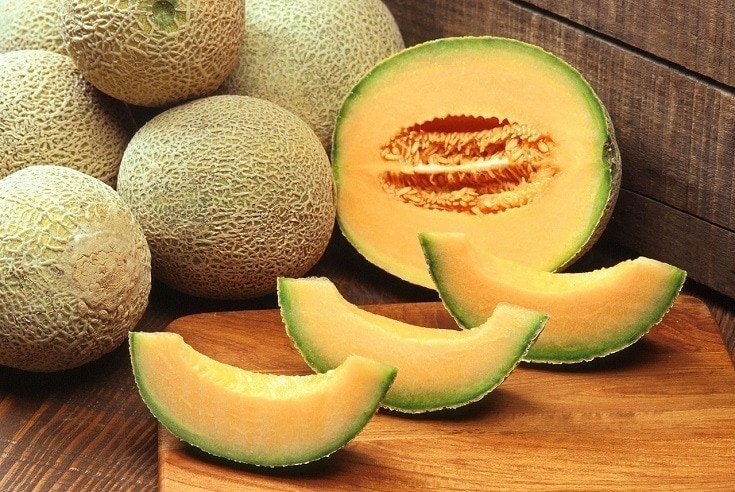
Cantaloupe is a variety of muskmelon and is thought to have originated in South Asia. They are in season from July to September and are therefore known as summer fruit. They have tough and webbed rinds but soft, orange inner flesh that surrounds many seeds.
Cantaloupes are also known for being healthy. A 100 gram serving of cantaloupe contains the following nutrients:
| Energy: | 34 kcal |
| Protein: | 0.84 g |
| Total fats: | 0.19 g |
| Carbohydrate: | 8.16 g |
| Fiber: | 0.9g |
| Sugar: | 7.86 g |
| Calcium: | 9 mg |
| Iron: | 0.21 mg |
| Sodium: | 16 mg |
| Vitamin C: | 36.7 mg |
| Vitamin A: | 169 mcg |
| Potassium: | 267 mg |
| Folate | 21 mcg |
| Magnesium | 12 mg |
Beta-Carotene/Vitamin A
Cantaloupe is high in beta-carotene (vitamin A precursor) and is thought to have about as much as carrots do. Additionally, cantaloupe is considered to have the highest beta-carotene compared to all other yellow/orange fruits.
Vitamin A is essential for a number of functions, including maintaining eye health and skin cell turnover and keratinisation.
Vitamin C
Cantaloupe is also high in the antioxidant vitamin C. Although parrots can make this vitamin themselves (unlike us humans), additional sources in the diet may boost the immune system and so be helpful for parrots that are unwell or recovering from illness.
Water
Cantaloupe is high in water content, at almost 90%, which is a great way to help keep your parrot hydrated.
Folate
Cantaloupe contains a healthy dose of folate. Parrots with a deficiency in this vitamin can have impaired cell division which can lead to a number of problems including anemia (lack of red blood cells) and dysfunction of the immune system.
Fiber
Cantaloupes contain fiber, which can help promote a healthy digestive system.
What Are the Risks of Feeding Cantaloupe to Parrots?
Although cantaloupe does contain several important nutrients for your parrot, it is important to remember that for most pet parrots, fruit in general should only make up a small proportion of their diet. It is fairly high in sugar, and too much sugar can contribute to the development of obesity.
Pet parrots are much less active than their wild counterparts and so can put on weight more easily. Obesity can contribute to the development of serious health conditions including fatty liver disease, atherosclerosis (deposition of fat in walls of arteries), heart disease and arthritis. Another issue with too much cantaloupe is that it can lead to gastrointestinal problems, mainly diarrhea.
When introducing a new food to your parrot, you should always start with tiny amounts on occasion and gradually add more until your pet’s digestive system adjusts.
What Is the Best Way to Give Cantaloupe to Your Parrot?
You should peel the rind off a washed cantaloupe and cut the flesh into small cubes. You can give these to your parrot in a bowl or hand-feed them. The rind can contain pesticides.
How much cantaloupe your parrot should have will depend on their species. For most pet parrots, fruit should be offered as a treat and shouldn’t make up more than 5-10 % of their overall diet. The majority of their diet should be high-quality parrot pellets, making up 75% of their diet. Vegetables are the next most important addition, and then nuts, other protein sources and fruit. We recommend consulting with an avian veterinarian to formulate the correct diet plan for your individual parrot.
When shopping for cantaloupe, only purchase ripe, fresh fruit, and avoid anything that has signs of spoilage or mold. Organic cantaloupe can be a great option for your parrot, though you still want to wash it before peeling and serving. Remove any uneaten fruit from your parrot’s enclosure so it doesn’t spoil.
FAQ
Can Parrots Eat Cantaloupe Seeds?
Yes, they can. Melon seeds are generally safe for parrots. They may not be suitable for small parrots, so use common sense, and speak with your vet if you’re unsure.
Are Other Melons Safe for Parrots?
Absolutely! Honeydew and watermelon are both safe for parrots, as are their seeds. Just bear in mind that watermelon is about 92% water and honeydew is 91%, and they are high in sugar, so like cantaloupe, these should be fed in moderation. Also, both melons have different nutritional content.
What Other Fruits Are Safe for Parrots?
Many fruits are safe and can be fed as a healthy treat to your parrot, including:
It’s essential to wash all these fruits thoroughly before feeding any to your parrot, particularly if you give fruit with the skin still on.
Are There Any Foods Not Safe for Parrots?
The following foods should never be given to a parrot under any circumstances.
Many are toxic or can cause your parrot serious harm:
Conclusion
Cantaloupe contains some beneficial nutrients, so it is definitely a healthy snack for parrots, but like all fruits it is high in sugar. Remember to wash, peel, and cut it into more manageable pieces for your bird, and only serve it to them occasionally as part of a balanced diet.
Only give your parrot a minimal amount the first time to ensure that they don’t have a bad reaction to it, and speak to your vet if you’re concerned about your pet’s diet.
But if all goes well, you should have a happy parrot on your hands that can enjoy fresh, delicious, and healthy fruit like cantaloupe.
Get Hepper In Your Inbox


Pet care tips from our vets and experts, straight to your inbox.
You may opt-out at any time. View our Privacy Policy for more information.
Kathryn was a librarian in a previous lifetime and is currently a writer about all things animals. When she was a child, she hoped to work in zoos or with wildlife in some way, thanks to her strong love for animals. Unfortunately, she's not strong in the sciences, so she fills her days with researching and writing about all kinds of animals and spends time playing with her adorable but terribly mischievous tabby cat, Bella. Kathryn is hoping to add to her family in the near future – maybe another cat and a dog.
Join the conversation
Ask a question, share your story, or send private feedback.