Hepper is reader-supported. When you buy via links on our site, we may earn an affiliate commission at no cost to you. Learn more.
Can Parrots Eat Peaches? Vet Approved Facts & FAQ
This article has been reviewed for factual accuracy by a qualified veterinarian, using information available at the time of publishing. Parrot owners are urged to consult with their veterinarian when making dietary decisions for their pet. This article is designed to provide general information but it does not take into account your pet’s health status or circumstances.
Many parrot species enjoy significantly long lives and can be wonderful lifelong companions for their fortunate owners. But to reach that ripe old age, a pet parrot must receive top-quality care, and that includes a high-quality diet.
The diet is different for each of the hundreds of parrot species. So, use this article as a very general guide, although most parrots will enjoy some fruit in their diet. The diet would usually consist of pellets, vegetables, and fruits, along with seeds and other treats on occasion.
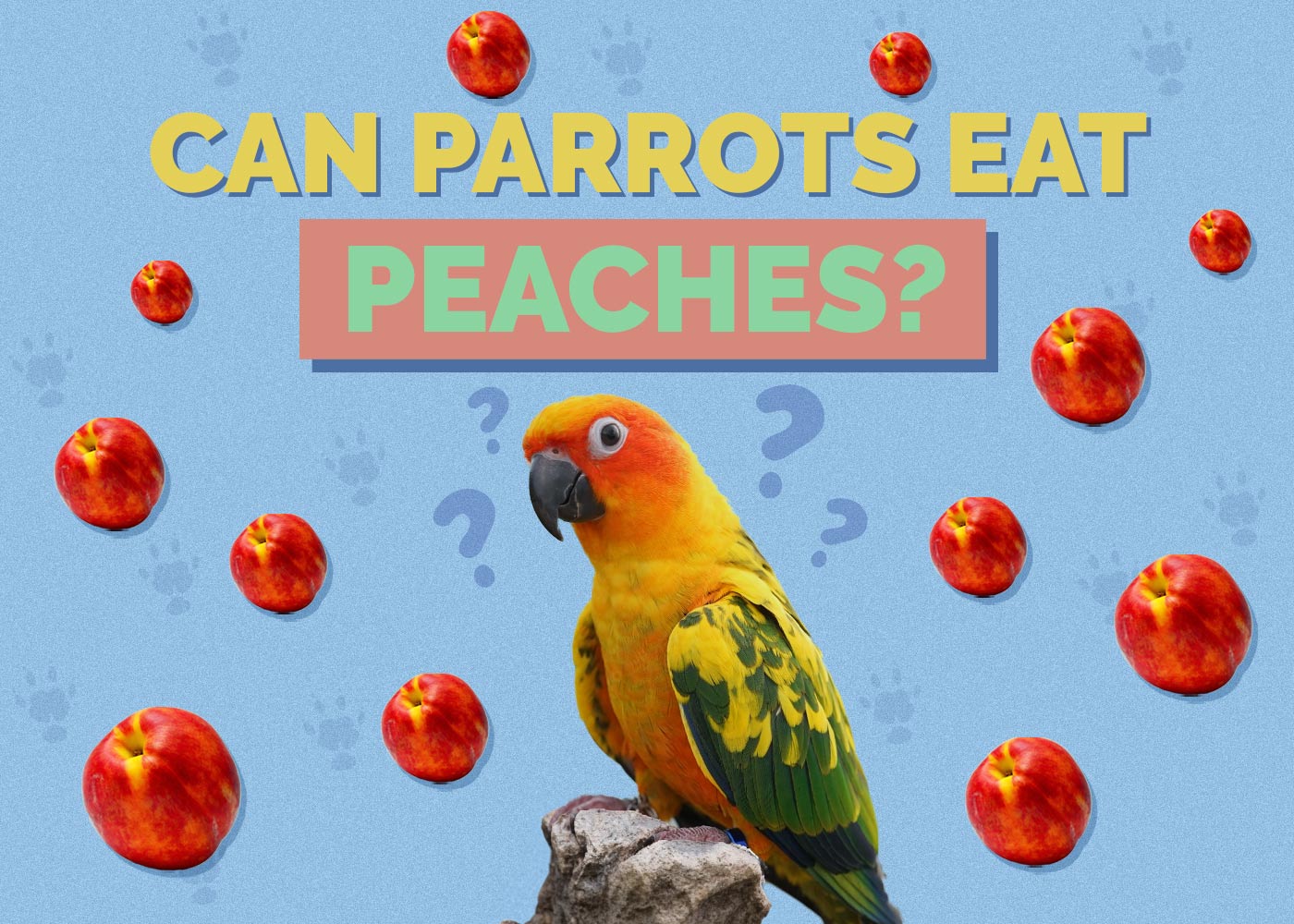
So, are peaches welcome in your bird’s diet, or is this fuzzy delight on the list of forbidden fruits? Here's the good news: As long as you remove the pits, parrots can eat peaches!
Here's what you need to know about peaches and parrots and how to make sure your feathered friend gets the most out of its diet and lives a long, happy life by your side.

Are Peaches Good for Parrots?
Peaches contain vitamin A—a critical nutrient in a bird’s diet—along with vitamins C and E, antioxidants, and minerals. Their juicy and delicious nature also makes them tempting treats for your chatty companion!
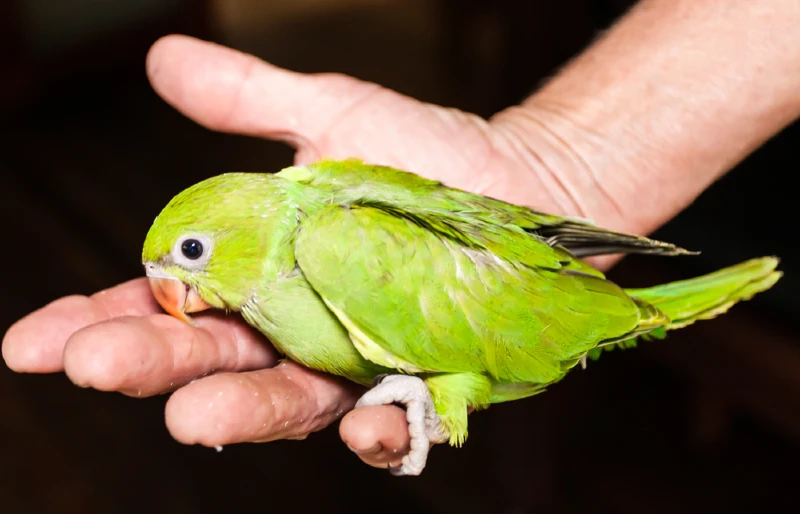
Are There Any Downsides to Giving Peaches to Parrots?
Peaches contain more calories and sugar than many other fruits, so you will need to offer them sparingly to your parrot to avoid weight gain and gastrointestinal problems.
Also, be sure to remove the pit, as it contains cyanide, which is toxic to all birds.
How to Give Peaches to Your Parrot
It’s quite simple to give a peach to your parrot: Wash it, remove the pit, cut it into not-so-small pieces, depending on the size of your parrot's beak, and that's it! It’s ready to enjoy!
Just be sure to remove any leftovers from your pet’s cage after its feast, as this may attract fruit flies and other nasty critters that you don’t want near your parrot.
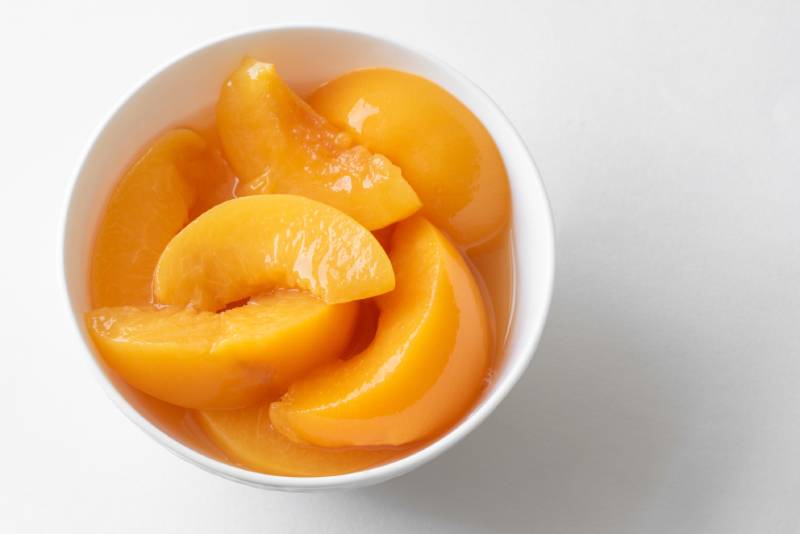
How Many Peaches Should You Give Your Parrot?
Fruit should make up no more than 5–10% of your parrot's diet. The experts at VCA Animal Hospitals recommend giving a pet bird only 15% to 30% fresh vegetables and fruits per day (as a general guide, not taking species into account). So, if you have already given your parrot some fruit today, save the peach for another time of the week.

Frequently Asked Questions
What Other Fruits Can I Give to My Parrot?
Berries, apples, apricots, mangos, pears, papayas, cantaloupes, oranges, grapes, and bananas are all fine for parrots. Just make sure to serve them in moderation and remove all seeds, citrus peels, and pits.
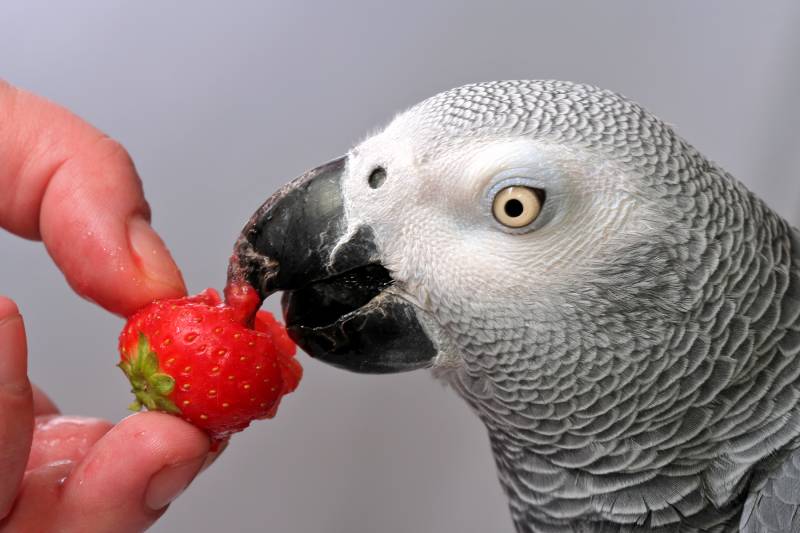
Which Fruits Are Toxic to Parrots?
The avocado is the only fruit you must completely avoid giving to your parrot. It contains persin, a fungicidal toxin for all bird species.
The pits of cherries, plums, apples, apricots, and peaches also contain cyanide, so never let your parrot chew on them.
Are There Species of Birds That Can’t Eat Peaches?
Carnivorous birds, such as eagles, are unlikely to enjoy fruits in their diet. In regards to our parrot pets, just like humans, some birds can have food intolerances or allergies to certain types of food, though it’s hard to know in advance and not very common. To limit the risk of gastrointestinal upset (such as diarrhea), make sure to only offer your bird a tiny piece of peach the first time. Monitor its reaction, then gradually increase the quantity. As always, seek advice from your vet if you’re concerned about your parrot’s diet and needs.
Tips for a Healthy Parrot Diet
Here are a few things that you can do to make sure your parrot thrives:
- Research your parrot’s species and adjust its diet accordingly. In general, most parrots need a diet of pellets, fresh veggies, and limited amounts of fruits, seeds, and nuts.
- Change your parrot's water daily or as needed, especially if they enjoy splashing in it.
- Wash all produce to reduce the risk of exposing your parrot to pesticides.
- Prepare the fruits well by removing seeds if needed. Cut fruit and vegetables into bite-sized pieces.
- Don't overdo it with the treats. You don't want your parrot to gain weight, as this can put it at risk for many obesity-related diseases, such as diabetes, arteriosclerosis, and fatty liver disease. One exception would be the Hyacinth macaw which needs a diet higher in fat.
- Consult your vet regarding calcium or other supplements. Parrots that are fed a good quality diet do not normally need supplements, as their pellet diet should meet all their nutritional needs. That said, older birds or birds with health issues may require a few tweaks to their diet, so it's important to discuss this with your veterinarian.

Conclusion
Owning a pet parrot is a big commitment, as these incredible companions stand out from other pets due to their remarkable longevity. Always research the specific needs of your parrot's species, as environmental factors and diet can have a significant impact on their lifespan. Avoiding toxic foods is a given.
That said, you can go ahead and share that peach snack with your beloved feathered friend without worry as long as you remove the pit!
See also:
Sources
Featured Image Credit: u11116, Pixabay
Get Hepper In Your Inbox


Pet care tips from our vets and experts, straight to your inbox.
You may opt-out at any time. View our Privacy Policy for more information.
Genevieve, a biologist and science writer, who harbors a profound affection for capuchin monkeys, pumas, and kangaroos. This passion has led her to travel extensively, volunteering and working at wildlife rehabilitation centers in Bolivia, Guatemala, Canada, and Australia. Now residing in Argentina as a Canadian expat, Genevieve enjoys the view of horses and cows greeting her from the vast plains outside her home office window. She proudly cares for three rescued dogs—Lemmy, Nala, and Pochi—and a playful kitten named Furiosa. Sharing her extensive knowledge and love for animals brings her immense joy and fulfillment.
Join the conversation
Ask a question, share your story, or send private feedback.