Hepper is reader-supported. When you buy via links on our site, we may earn an affiliate commission at no cost to you. Learn more.
Can Parrots Eat Tomatoes? Vet-Approved Facts & FAQ


In this article
Every parrot owner knows that their pet needs some fruits and vegetables alongside their pellet food, to provide them with a balanced and nutritious diet. But this also means you should only give safe fruits and veggies to your pet. Tomatoes are a staple in many of our favorite foods, so are these safe fruits for pet parrots?
Ripe tomatoes are safe for parrots but only in moderation. You shouldn't feed them the stem or leaves of the plant.
Let’s take a closer look at tomatoes and their benefits, along with the risks of feeding them to parrots.

About the Tomato
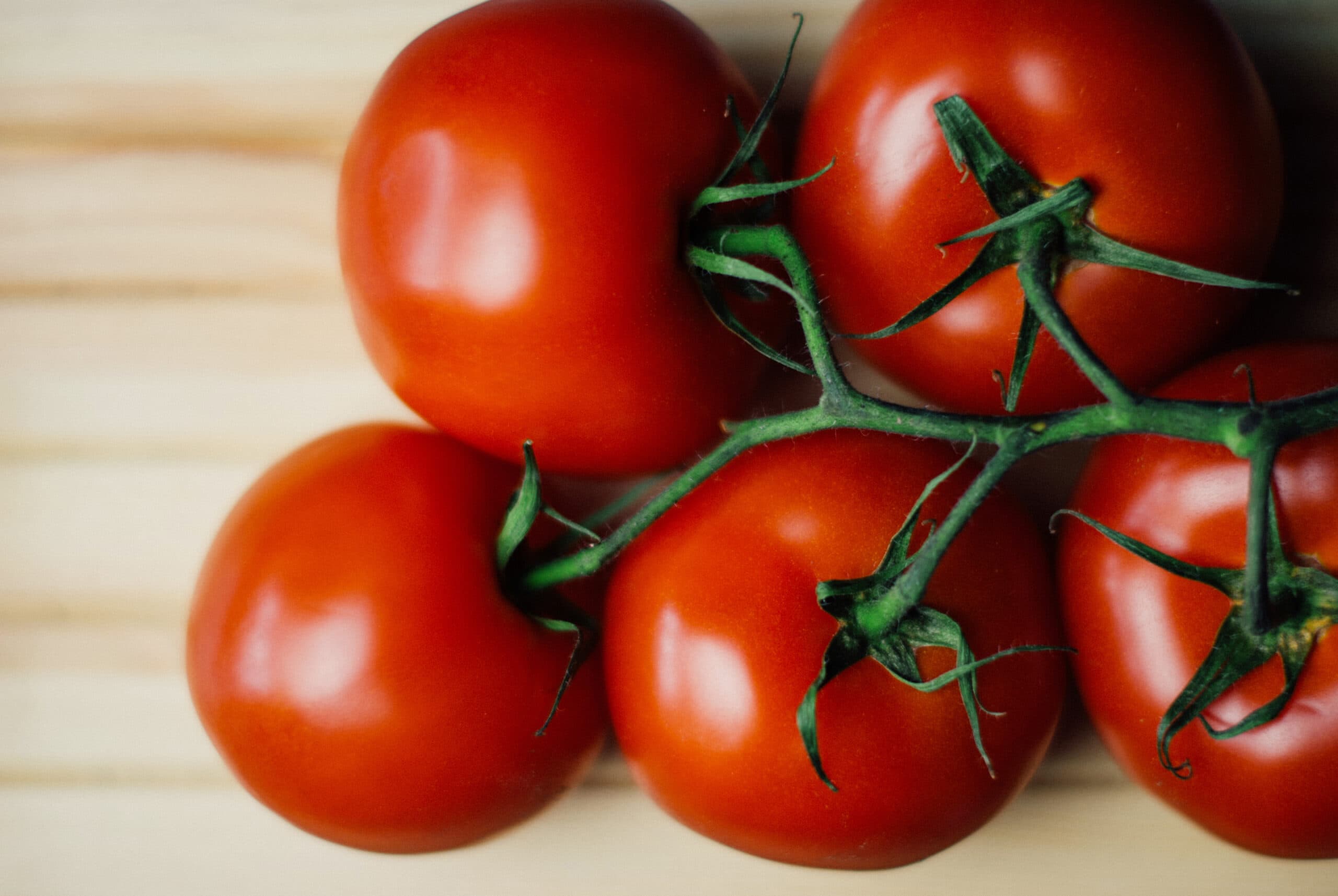
Tomatoes are a part of the nightshade family and originated in South America. While tomatoes are botanically fruits, we treat them culinarily like vegetables. They are typically known to be bright red, but some varieties are orange, yellow, green, and even purple! Tomatoes contain a large amount of water—around 95%! The rest is primarily fiber and carbohydrates.
The nutritional breakdown of a medium, whole raw tomato (123g) is as follows:
| Calories: | 22.1 |
| Water: | 116 grams |
| Carbs: | 4.78 grams |
| Sugar: | 3.24 grams |
| Fiber: | 1.48 grams |
| Protein: | 1.08 grams |
| Fat: | 0.25 grams |
Tomatoes contain a high amount of the antioxidant lycopene. They also contain vitamins C and K, potassium, folate and beta carotene.
What Are the Risks for Parrots Eating Tomatoes?
While the skin, flesh, and seeds of ripe tomatoes are safe for parrots, the vines and leaves are not. Because they are part of the nightshade family, the stems and leaves contain solanine and tomatine which are toxic. Signs of toxicity include depression, weakness, inappetence, tremors, and diarrhea. If your parrot has eaten any of the leaves or stems then you should contact your exotic veterinarian straight away, and not wait for signs to develop.
As with all fruits tomatoes are also high in sugar and so they should only make up a small part of your parrots overall diet. Tomatoes are also acidic which can cause digestive upset in some parrots, especially if too much is fed.
A change in diet can easily make any bird ill, so you’ll want to go easy on changing your parrot’s diet too suddenly and only add new things a little at a time.
The Best Way to Give Tomatoes to Your Parrot
There are better fruits and vegetables that you can give your parrot, but if you want to try out a tomato, you should start by washing it thoroughly to remove any harmful pesticides and chemicals. The CDC advises that you only need to clean fruits and vegetables under running water, with no soaps or produce wash.
Then chop the ripe tomato into small slices or pieces, and give one to your parrot.
It’s critical to remember that you should never give any of the toxic tomato leaves or stems to your parrot.
The Parrot’s Diet
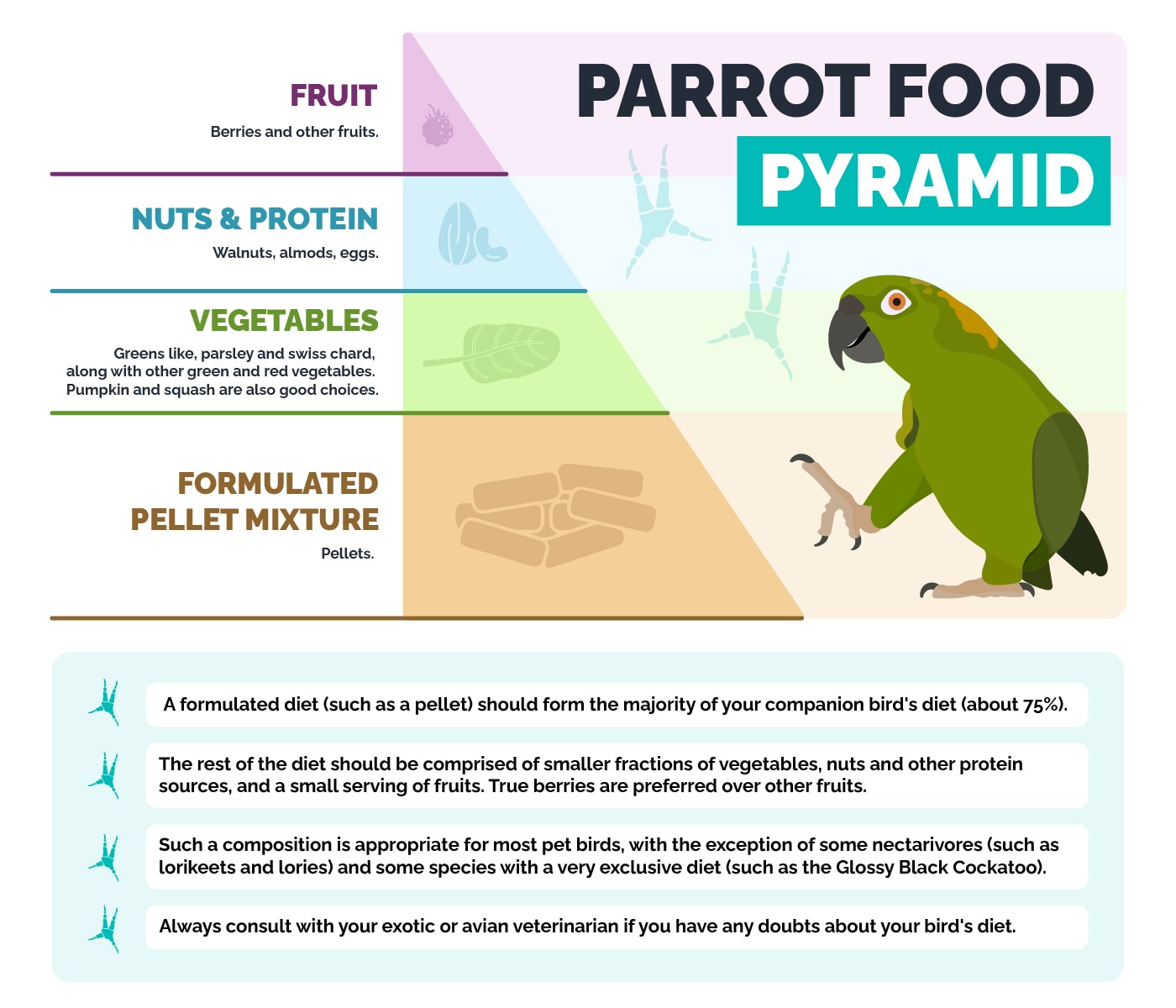
Parrot pellets should make up the majority of a parrot’s diet, about 60% to 80%. The rest can comprise fresh fruit, vegetables,nuts, seeds and grains. Your parrot’s nutritional requirements will vary depending on their species. These are general guidelines and we recommend consulting with your avian vet to formulate the right diet plan for your parrot.
Some vegetables that are suitable for most parrot species include:
Some fruits that parrots can enjoy in small amounts include:
Remember that while these fruits and vegetables are good for parrots, they must be given in moderation and in a suitable amount for their species, age and general health. Also, try rotating what you give them daily to add variety to their diet.
Frequently Asked Questions
Can Parrots Eat Canned Tomatoes?
The problem with canned tomatoes is they tend to be even higher in acidity than fresh tomatoes. The canning process includes adding more acidity to the produce to prevent the tomatoes from becoming moldy.
Even tomatoes that are canned or jarred at home must have powdered citric acid or lemon juice added for the same reason. Either way, whether storebought or homemade, avoid canned tomatoes and stick with fresh ones
Is Ketchup Okay for Parrots?
Ketchup is not a good idea because it’s quite acidic and has added sugar, so definitely keep ketchup away from your parrot.
What Foods Should You Avoid Giving to Parrots?
The following foods (and drinks) should never be fed to a parrot.
| Alcohol: | Any alcohol can make you parrot seriously unwell and even be fatal. |
| Avocado: | It contains persin, which is highly toxic to birds. |
| Caffeine: | Anything with caffeine in it is out. It can make your parrot sick and can even be fatal. |
| Chocolate: | This contains theobromine as well as caffeine, both of which are toxic. |
| Dairy: | Parrots cannot process large amounts of lactose. |
| Garlic and Onions: | Plants from the Allium family are toxic to birds and can cause GI irritation and damage of red blood cells leading to anemia. |
| Mushrooms: | Some varieties can be toxic. |
| Peanuts in the Shell: | Some peanuts can grow mold while in the shell, which can make your bird seriously sick. |
| Plant Parts From Nightshade Vegetables: | Like tomato plants, the leaves and stem of other plants in this family, like eggplant and peppers, are also toxic. |
| Salty Snack Foods: | Don’t give your parrot chips or pretzels, etc. Too much salt can make them very unwell. |
| Fruit Pits and Seeds: | These include apples, cherries, apricots, peaches, nectarines, plums, and pears. The seeds and pits all contain a toxic ingredient. |
| Uncooked Beans: | These can prove to be a choking hazard and contain hemagglutinin, which is a toxin. |
| Xylitol: | An artificial sweetener found in many sugar-free products, there is limited information on its toxicity in birds but is assumed to be unsafe. |
Conclusion
The occasional snack of a washed and raw, ripe tomato is acceptable to give to your parrot. It is not toxic for them, but it should still be given sparingly.
There are plenty of fruits and vegetables that are better for them in the long run. Also, remember to keep the leaves and stems well away from your parrot. If you suspect that your bird ate any of these parts of the tomato, this is not a wait-and-see situation. Take them to your vet immediately.
See Also:
Featured Image Credit: Beverly Buckley, Pixabay
Get Hepper In Your Inbox


Pet care tips from our vets and experts, straight to your inbox.
You may opt-out at any time. View our Privacy Policy for more information.
Kathryn was a librarian in a previous lifetime and is currently a writer about all things animals. When she was a child, she hoped to work in zoos or with wildlife in some way, thanks to her strong love for animals. Unfortunately, she's not strong in the sciences, so she fills her days with researching and writing about all kinds of animals and spends time playing with her adorable but terribly mischievous tabby cat, Bella. Kathryn is hoping to add to her family in the near future – maybe another cat and a dog.
Join the conversation
Ask a question, share your story, or send private feedback.