Hepper is reader-supported. When you buy via links on our site, we may earn an affiliate commission at no cost to you. Learn more.
Can Parrots Eat Green Beans? Vet-Approved Facts & FAQ


In this article
The order Psittaciformes, more commonly known as parrots, includes a vast array of species in various colors and sizes, from the diminutive pygmy parrot (Micropsitta spp.) to the impressive hyacinth macaw (Anodorhynchus hyacinthinus). One of the things these birds share in common is their reliance on seeds and other plant parts in their diet. They are masters at cracking open seeds and nuts to get to the highly nutritious and energy-dense fruit. Wild birds also eat various fruits, vegetables, and buds.
When it comes to selecting foods for our parrot pets, it’s important to know which foods are safe and healthy, and it’s good to know that green beans are on that list.
Green beans originated in South and Central America, where many parrot species originate from, so it would be fair to assume that these birds may have encountered this vegetable. You can certainly offer your pet green beans, so let’s learn a little more about them so we know how much and how often you can feed them to your parrot.

Nutritional Value of Green Beans
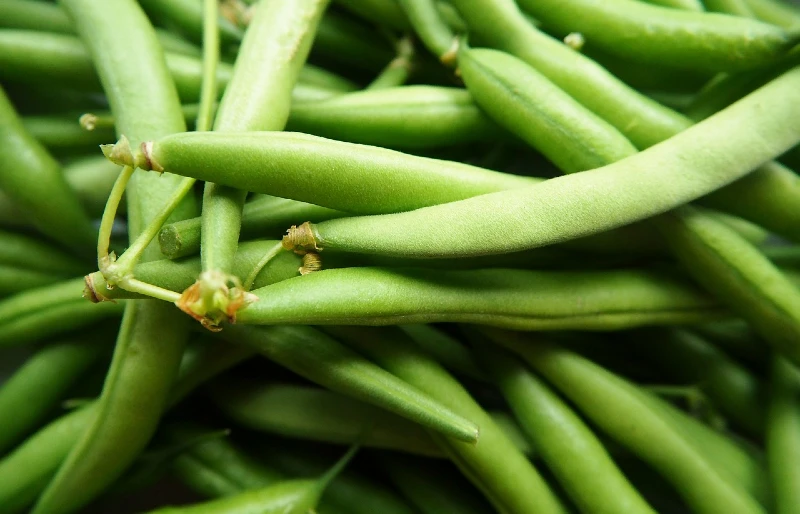
A serving of green beans is a rich source of calcium, phosphorus, magnesium, and potassium. The first two are vital from an avian perspective since nutrient deficiencies often occur in pet birds fed a seed-only diet. The other concern is the ratio of calcium to phosphorus. The former is harder to come by in foods compared to the latter, which is found in most plant-based foods.
Often, seed diets have little calcium but a lot of phosphorus. Ideally, the ratio should be 2:1, and we should avoid feeding too many foods with more phosphorus than calcium. With a ratio of 1:1, green beans aren’t ideal, but they’re also not problematic. The other nutrient worth mentioning is vitamin A. Parrots fed a predominantly seed-based diet are at risk of a number of vitamin deficiencies, and low vitamin A can cause a number of problems with feathers, skin, and vision.
The other benefit of giving your pet foods like green beans rests with their caloric content. Parrots housed in cages will likely expend less energy and, thus, need fewer calories. Scientists estimate that activity accounts for 48% of an animal’s energy expenditure 1. An inactive bird may not need as much energy, but the nutritional requirements still exist. Green beans satisfy them without the extra calories.

Health Concerns
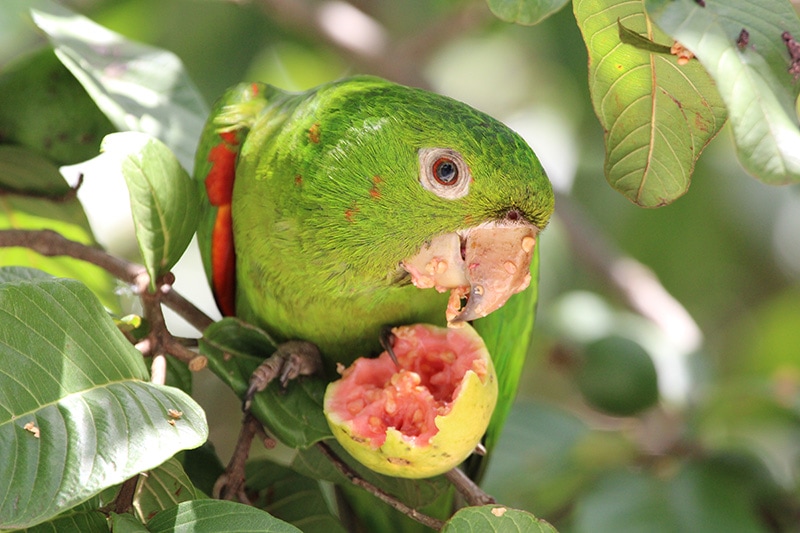
Nutrition is undoubtedly critical to your bird’s health. It’s difficult, if not impossible, to replicate what parrots eat in the wild, given their bounty of choices. After all, many species live in subtropical and tropical areas where plants and food are abundant. Research has shown that wild parrots will consume the seeds and nuts from around 40-80 different plant species, demonstrating the importance of variety.
That’s why pelleted diets should form the bulk of your pet’s diet, as they are formulated to include the wide range of nutrients that a parrot in the wild would source from more sources than are found in the average pack of bird seed. However, variety is essential for other reasons.
A Varied Diet for Optimal Health
Fruits and vegetables provide visual interest for parrots while satisfying their nutritional needs. Birds have relatively few taste buds, and rely on the colors of their food to tell them what they need to know about their nutritional value. Colorful green beans will get your parrot curious about them.
Parrots, whether they be small parrotlets (Forpus spp.) or large cockatoos (Cacatuidae), are curious by nature, and one thing that all parrots have in common is their ability to use their prehensile feet for grasping and exploring. The size and shape of green beans make them perfect for your parrot to hold as they decide if they are the food for them. Bear in mind that different species, as well as different individuals, will have their own preferences, so not all parrots will be enthusiastic about green beans.
Another significant health concern for parrots kept as pets is environmental enrichment. All parrots need stimulation, company, and space to exercise and explore. Species like the African gray (Psittacus erithacus) or Macaw (Ara macao), can become particularly destructive when bored, lonely, or stressed. Providing a variety of foods, as well as hiding them in different locations to encourage exploration is a great way to keep your parrot’s mind active, and using favorite foods like sweet fruits can be offered as treats to help you bond with your pet.
The Proportion of Fruits and Vegetables
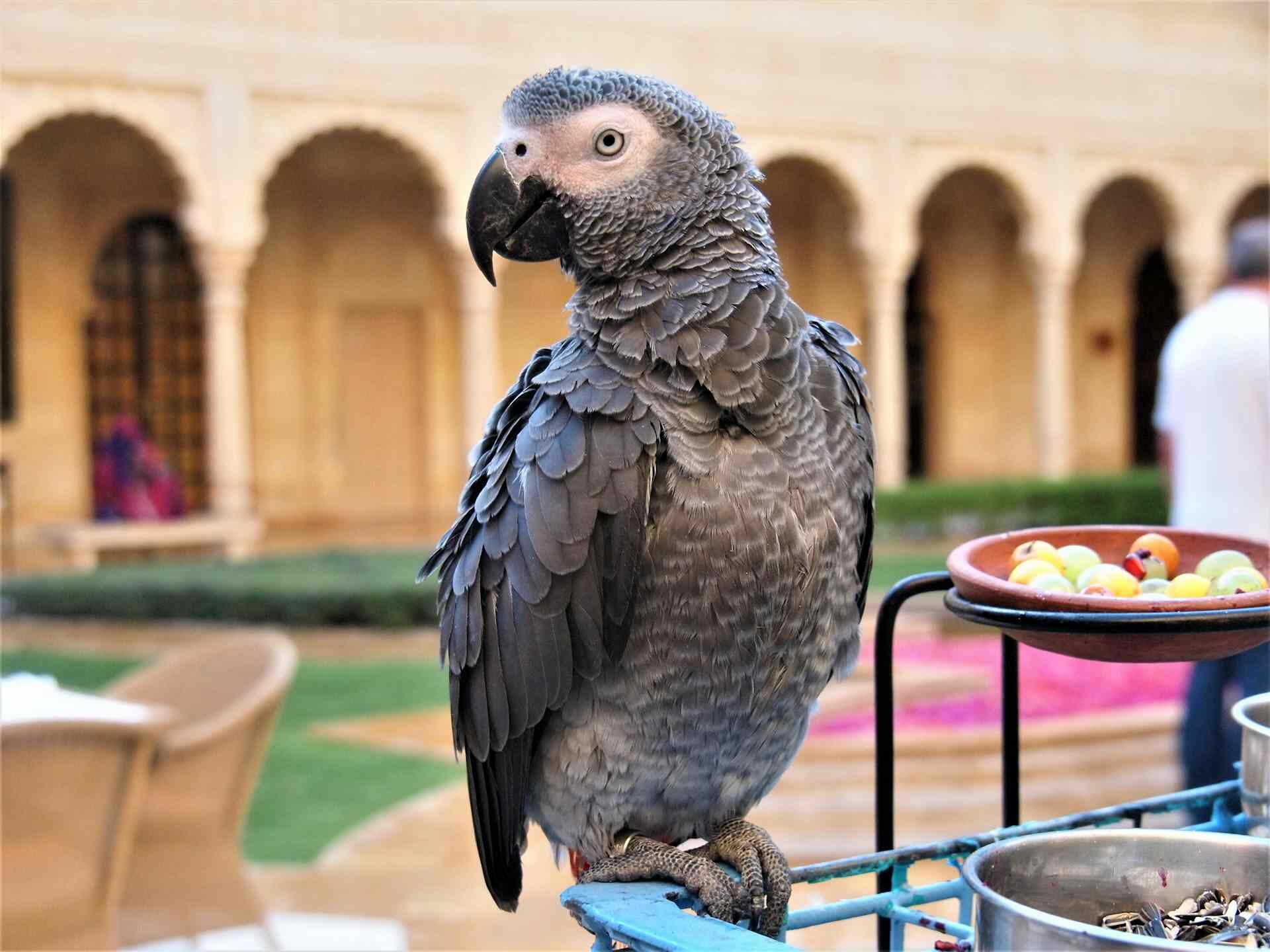
That brings us to our next point regarding fruits and vegetables. Many are excellent choices for your parrot. They may enjoy munching on carrots or bell peppers; they’ll probably also like apples and strawberries. However, it’s essential to opt for more vegetables over fruits. The former has less sugar and fewer calories than the latter. Birds also like to pick their favorites and toss out the rest, so just like with children, it’s important to make sure they eat plenty of the healthier stuff before moving onto dessert!
How to Give Your Parrot Green Beans
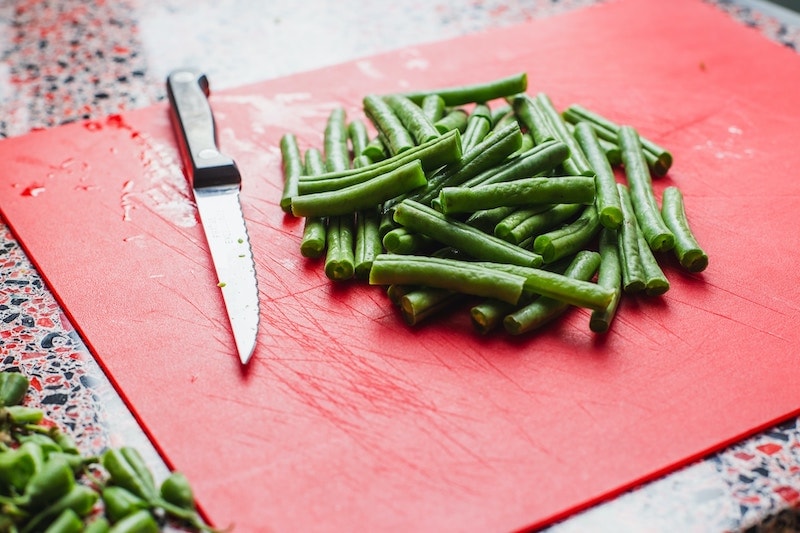
We suggest giving your pet a couple of raw, washed green beans to see if they like them. Make sure to cut off the hard stems. You may wish to cut them into halves or thirds for your smaller parrots, like lovebirds (Agapornis spp.) for example, but most will be quite happy grasping a whole bean. We don’t recommend canned products because of high sodium levels. You should rotate various fruits and vegetables into your bird’s diet and remove uneaten food from their cage promptly.
In Conclusion
Green beans offer an excellent addition to your parrot’s diet, no matter what size bird they are. This vegetable is highly nutritious without a lot of calories. While you can definitely feed raw green beans to your parrot, be sure that they get the bulk of their nutrition from parrot pellets.
Sources
Featured Image Credit: Free-Photos, Pixabay
Get Hepper In Your Inbox


Pet care tips from our vets and experts, straight to your inbox.
You may opt-out at any time. View our Privacy Policy for more information.
Chris is an experienced pet writer specializing in science topics, with a particular passion for health and the environment. She has been a writer for over 15 years and lives with her husband and three cats in Michigan.
Beyond writing about cats and dogs, Chris loves to learn about wine. She has WSET 1 and 2 certifications and is currently pursuing her Certified Wine Specialist Award (CSW).
Join the conversation
Ask a question, share your story, or send private feedback.