Hepper is reader-supported. When you buy via links on our site, we may earn an affiliate commission at no cost to you. Learn more.
Can Turtles See in the Dark? Anatomy, Facts, & FAQ
In this article
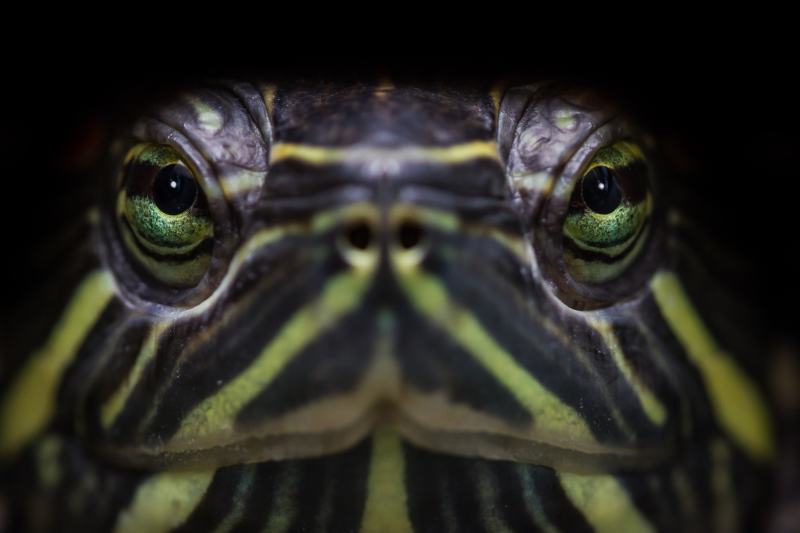
Have you ever wondered if turtles can see in the dark? Well, the answer is an enthusiastic yes! Turtles possess remarkable visual capabilities that allow them to navigate their surroundings even in low-light conditions. However, before we dive into the depths of turtle vision, it's important to clarify one thing: while turtles can see in the dark, they do not possess the same night vision abilities as some nocturnal creatures.
Turtle vision is an extremely interesting topic considering their unique behaviors. To better understand the wonders of turtle vision, simply read on!

Can Turtles See in the Dark?
The resounding answer is yes! Turtles are indeed capable of seeing in the dark, but their visual acuity in low-light situations differs from that of nocturnal animals. These shelled wonders have adapted to their environment and developed specific visual mechanisms to navigate and forage during dimly lit periods.
In this sense, their vision can be comparable to that of humans. They are able to see just enough to navigate in the dark or in low-light conditions, but not to the point that they have night vision.
Do Turtles Have Night Vision?
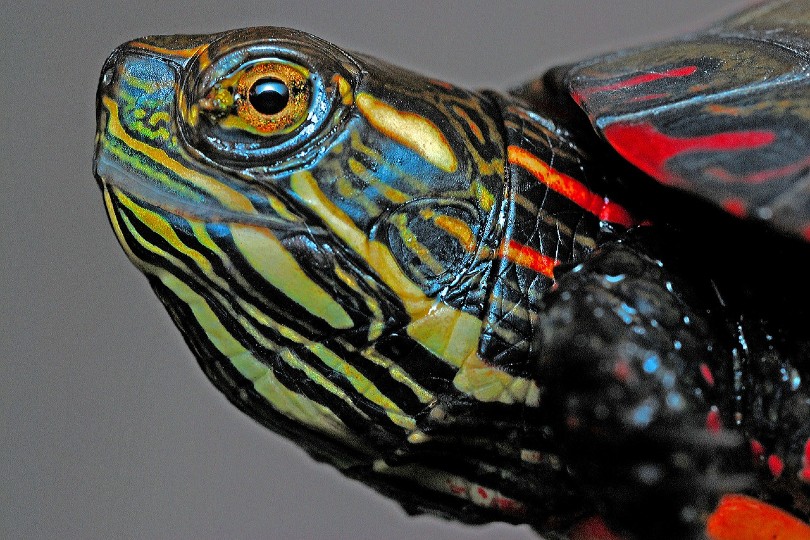
While turtles can perceive their surroundings in the dark, they do not possess true night vision. Unlike animals like cats or owls, which have specialized adaptations for enhanced vision in low-light conditions, turtles rely on other sensory mechanisms to compensate for their limited night vision. They employ a combination of anatomical features and behavioral adaptations to make the most of their environment.
How Well Can They See in the Dark?
Although turtles' night vision is not as keen as that of nocturnal creatures, they can still perceive shapes, movement, and objects in dim light. Their eyes have a high sensitivity to motion, allowing them to detect even subtle changes in their surroundings. However, their visual acuity decreases as light levels drop, which can impact their ability to discern fine details.
Anatomy and Physiology of the Turtle Eye
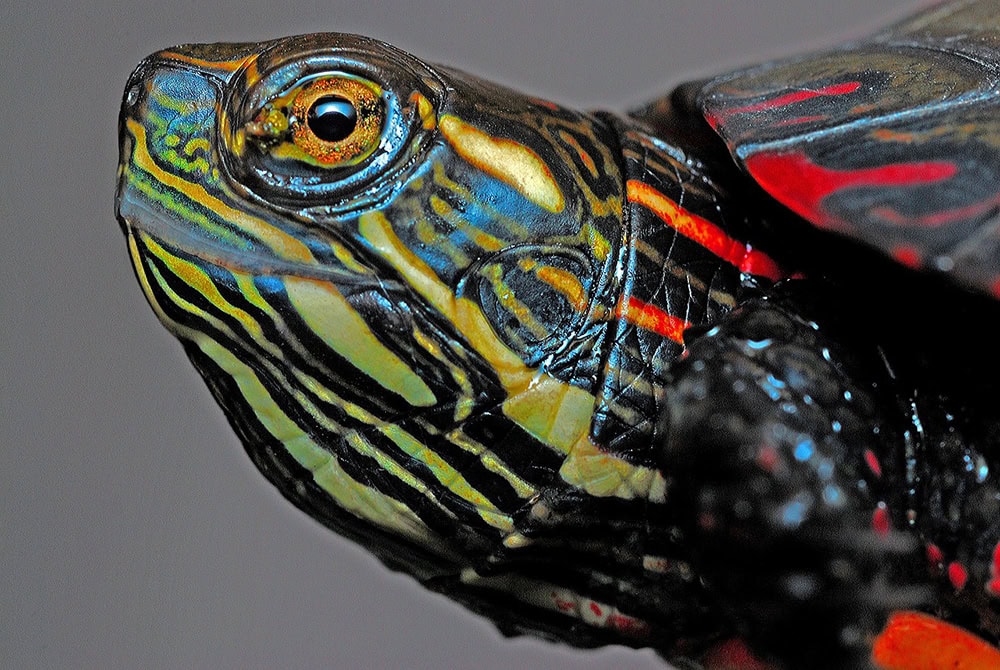
To understand how turtles see in the dark, we need to delve into their remarkable eye anatomy. Turtles possess a large variety of eye shapes, depending on their species and habitats. Their eyes are positioned on the sides of their heads, providing them with a broad field of vision.
One of the notable features of turtle eyes is the presence of a third eyelid called a nictitating membrane. This translucent membrane helps protect their eyes while swimming or digging in the sand. Additionally, turtles have a unique lens structure that allows them to focus underwater, where they spend a significant portion of their lives.
So How Do Turtles Navigate at Night?
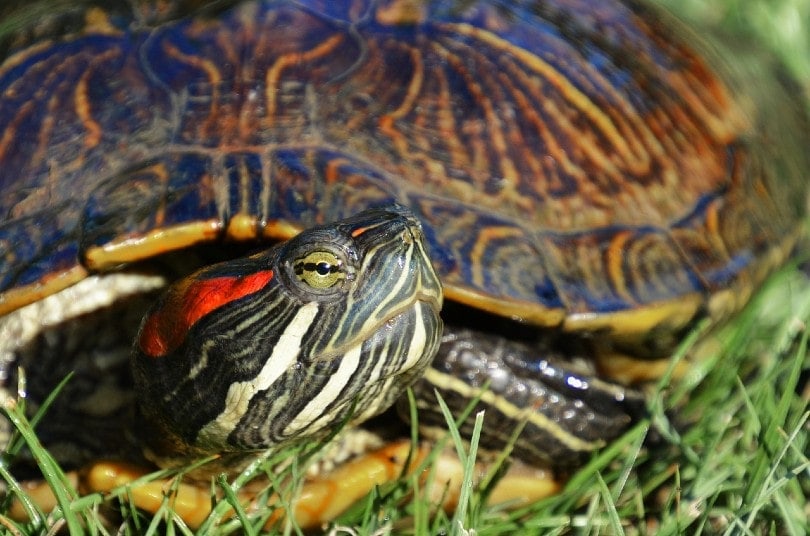
Turtles display interesting behavioral adaptations to cope with low-light conditions. Some species, like the loggerhead sea turtle, exhibit a preference for nesting on moonlit nights, using the faint light to guide them towards the safety of the shoreline. This behavior showcases their ability to navigate with limited visual cues.
In their natural habitats, turtles encounter varying degrees of darkness. Whether they're navigating through dense vegetation or searching for food in the depths of water bodies, their vision plays a vital role. Turtles rely on their ability to detect movement and silhouettes, making it easier to locate potential prey or avoid predators.
Turtles rely on their sensitivity to motion and their capability to detect shapes and silhouettes in the dark. They exhibit fascinating behaviors, such as nesting on moonlit nights, which showcases their adaptation to limited visual cues. Although their color vision is not as extensive as that of humans, turtles can still perceive shades of green and blue.
How Do Turtles See Colors?
While turtles can perceive colors, their color vision is not as rich or vibrant as that of humans. Research suggests that turtles have dichromatic vision, which means they primarily see two main colors: green and blue. Their visual spectrum is skewed towards these shades, allowing them to distinguish between different objects and environments.
How Do Turtles See Underwater?
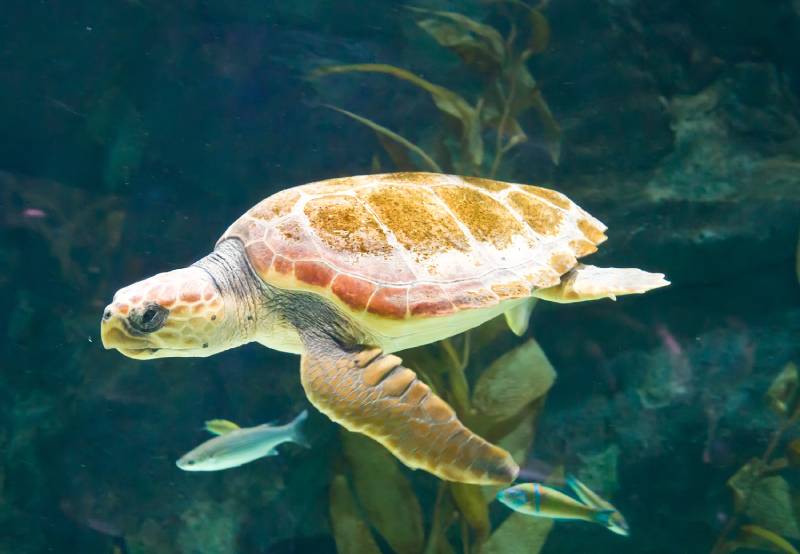
Turtles have adapted their visual capabilities to see underwater by employing several strategies. Their eyes possess special lenses that allow them to focus properly in water, compensating for the difference in refractive index between air and water.
They also have a protective layer of clear tissue over their eyes called the cornea that shields them from potential damage while swimming. Turtles also have a higher number of rod cells in their retinas, which are specialized for low-light vision, enabling them to see more effectively in the depths of water.
Together, these adaptations allow turtles to navigate and hunt for food with relative ease in their aquatic habitats.
Do Turtles See Better Than Humans?
Although turtles have fascinating visual adaptations, they do not possess superior vision compared to humans. While they can excel in certain areas, such as motion detection, their visual acuity and range of colors they can perceive are limited compared to ours. Nevertheless, turtles' visual abilities perfectly suit their evolutionary needs and enable them to thrive in their specific habitats.

Conclusion
Turtles are extraordinary creatures with unique visual adaptations that enable them to see in the dark. While they may not possess true night vision like some nocturnal animals, turtles have developed remarkable strategies to navigate and survive in dimly lit environments. Their eyes, with specialized features like the nictitating membrane and underwater-focused lenses, contribute to their ability to perceive their surroundings even in low-light conditions.
However, it's important to note that turtles do not possess superior vision compared to humans. While they excel in certain areas, such as motion detection, their visual acuity and color perception are limited. Nonetheless, their visual adaptations perfectly suit their evolutionary needs and allow them to thrive in their diverse habitats.
So, the next time you come across a turtle, whether it's a sea turtle gracefully swimming in the ocean or a terrestrial turtle meandering through the undergrowth, appreciate their remarkable visual capabilities. These incredible creatures demonstrate that even in the dark, they can navigate their world with finesse and adaptability!
See Also:
Sources
Featured Image Credit: Nature's Charm, Shutterstock
Get Hepper In Your Inbox


Pet care tips from our vets and experts, straight to your inbox.
You may opt-out at any time. View our Privacy Policy for more information.

Nicole is a lover of animals of all sizes but is especially fascinated with the feline variety. She’s the proud mom of Baby, a Burmese, and works every day so he can relax in the sunshine or by the fire. She’s always had a cat in her home and has spent countless days with others, observing behaviors and softening up even the grouchiest of the lot. Nicole wants to share her kitty expertise with you so you and your cat can live happy, healthy, and care-free.
Join the conversation
Ask a question, share your story, or send private feedback.